Deer hunting tips for beginners: a safe, practical first-season guide
A first deer season is easier to navigate when you break it into licensing, scouting, safe decisions, and recovery. Use this practical guide to build a legal, ethical plan—and know when to pause or ask an experienced hunter for help.
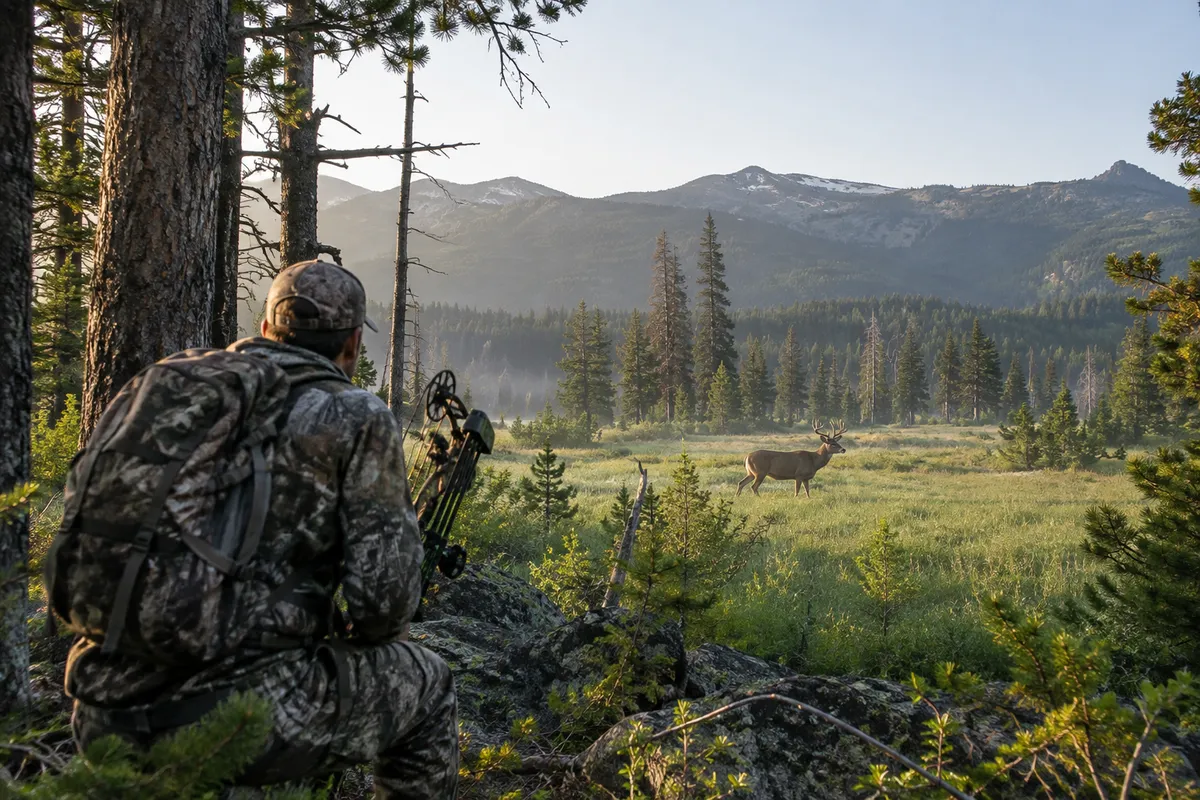
Starting out, deer hunting tips for beginners matter most when they help you make sound decisions before, during, and after a hunt. Deer hunting is not simply finding a spot and waiting: it involves local regulations, land access, weather, wildlife behavior, safe equipment handling, and a careful plan for recovering an animal. A patient first season can be successful even if you do not harvest a deer; learning to identify habitat and follow the rules is meaningful progress.
Begin with the wildlife agency for the state or province where you intend to hunt. Seasons, licenses, legal methods, reporting requirements, and rules for public land differ by place and may change from year to year. Treat this guide as general preparation, not a substitute for current regulations or hands-on instruction. If possible, go with a qualified mentor and complete any required hunter education before heading afield.
1. Make legality and access your first decisions
Before scouting or choosing equipment, find out where and when you may hunt. Read the current official regulations from cover to cover for the season and location you have in mind. Check license and tag requirements, permitted methods, harvest limits, shooting hours, mandatory reporting, and any restrictions on bait, stands, or access. Rules can differ between nearby management units, so verify the exact boundary rather than relying on a map label or an old discussion online.
Get permission before entering private land, and keep written or otherwise clear records of the area and dates covered. On public land, identify boundaries, parking rules, closures, and designated access routes. A parcel that appears open on a general mapping app may have restrictions or unclear ownership; confirm with the land manager. Do not assume that a trail, road, or field edge grants permission to cross adjoining property.
Hunter education is valuable even where it is not required. A course can cover local law, safe handling, ethical shot decisions, and what to do after a harvest. For general safety principles, review the International Hunter Education Association and then prioritize your local agency’s official materials. A course and a mentor provide practical guidance that an article cannot.
2. Learn the area before choosing a setup
Deer use food, cover, water, and travel routes, but their patterns shift with season, pressure, weather, and local conditions. Start by looking for broad habitat features rather than trying to predict one exact animal’s route. Aerial imagery and topographic maps can help you understand ridges, drainages, field edges, and access, but verify what you see on foot where lawful.
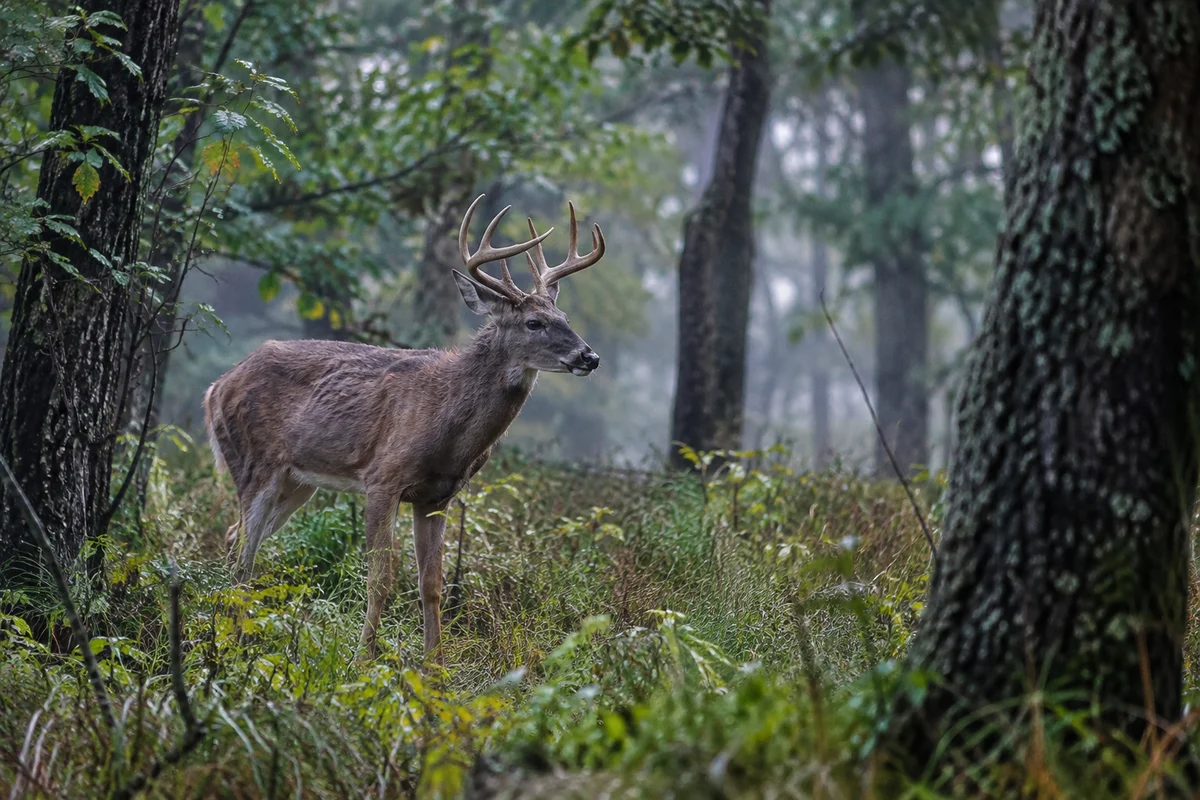
Scout with minimal disturbance. Look for tracks, droppings, trails, rubs, and feeding sign, while remembering that sign shows past activity—not a promise that deer will appear at a particular time. Note wind direction and how your approach could carry scent or noise into likely bedding cover. Favor a route that lets you leave without walking through the area you hope to observe.
Keep a simple record: date, time, wind, weather, where you observed sign, and whether people or other activity were present. Patterns become clearer over multiple visits, but avoid treating one observation as a rule. If you are new to reading habitat, a local mentor or wildlife agency field day can help you distinguish deer sign from other animal activity.
For more context on seasonal behavior, read this related overview of buck movement during the rut. Rut behavior is variable, however; it does not override wind, pressure, habitat, or local conditions.
3. Choose a simple, safe plan
A beginner benefits from a plan that is easy to explain and repeat. Decide where you will enter, where you will sit or stand, what conditions would make you leave, and how you will contact someone if plans change. Tell a trusted person your location and expected return time. Carry a charged phone, but do not rely on cellular coverage; know the area and have a backup communication plan appropriate to the location.
Select clothing and visibility equipment to meet local law and conditions. Weather protection matters: cold, rain, and wind can make a long sit uncomfortable and impair judgment. Bring water, food, a light, a basic first-aid kit, and a map. Keep gear organized so you are not searching through a pack in low light. Avoid overpacking unfamiliar equipment that you have not practiced using.
If your chosen method involves a firearm or archery equipment, learn its safe operation from a qualified instructor and follow the manufacturer’s instructions. Handle any firearm as if it is loaded, keep the muzzle pointed in a safe direction, keep your finger outside the trigger guard until ready to fire, and positively identify the target and what lies beyond it. Use a secure, legal means of transport and storage. Never take a shot at movement, sound, or an obscured animal. If you cannot clearly identify a safe target and background, do not shoot.
A stand or elevated setup adds fall risk. Use equipment designed for the purpose, follow its instructions, inspect it before use, and use a full-body fall-arrest system as directed whenever elevated. Do not climb or descend with equipment in your hands; use a haul line only after you are safely positioned. If you lack training or suitable gear, hunt from the ground instead.
4. Use this before-you-go checklist
| Check | What to confirm | If uncertain |
|---|---|---|
| Rules | Season, license, tag, legal method, reporting | Call or consult the official wildlife agency |
| Access | Permission, boundaries, parking, closures | Choose a confirmed legal location |
| Conditions | Wind, temperature, precipitation, daylight | Adjust the plan or postpone |
| Safety | Equipment condition, visibility rules, safe route | Do not use unfamiliar or damaged gear |
| Communication | Check-in person, return time, backup plan | Tell someone before leaving |
| Recovery | Legal transport, help, and local reporting process | Learn the steps before hunting |
Run through the list the evening before and again before entering the field. A last-minute change in wind, road access, or weather is a reason to adapt—not a reason to ignore the plan.
5. Be patient and make conservative decisions
Once settled, minimize unnecessary movement and noise, and observe the whole area rather than staring at one opening. Wind can shift, other people may enter the area, and deer may approach from an unexpected direction. If conditions make your position unsafe or compromise a clear view, leave carefully and reassess.
Decide in advance what constitutes a responsible shot for your skill level and equipment. Take only a shot you have practiced, at a distance and angle you can confidently manage, with a clearly identified animal and a safe background. Do not let excitement, time pressure, or another person’s expectations set your limits. Passing on a questionable shot is a sound hunting decision.
If you hunt with a companion, agree on signals and safe zones before moving. Keep track of each other’s positions and never fire toward a sound, movement, or area where another person could be. In low light, be especially cautious: legal shooting times and visibility are separate considerations, and legal hours do not make an unidentified target safe.
6. Prepare for what happens after a shot
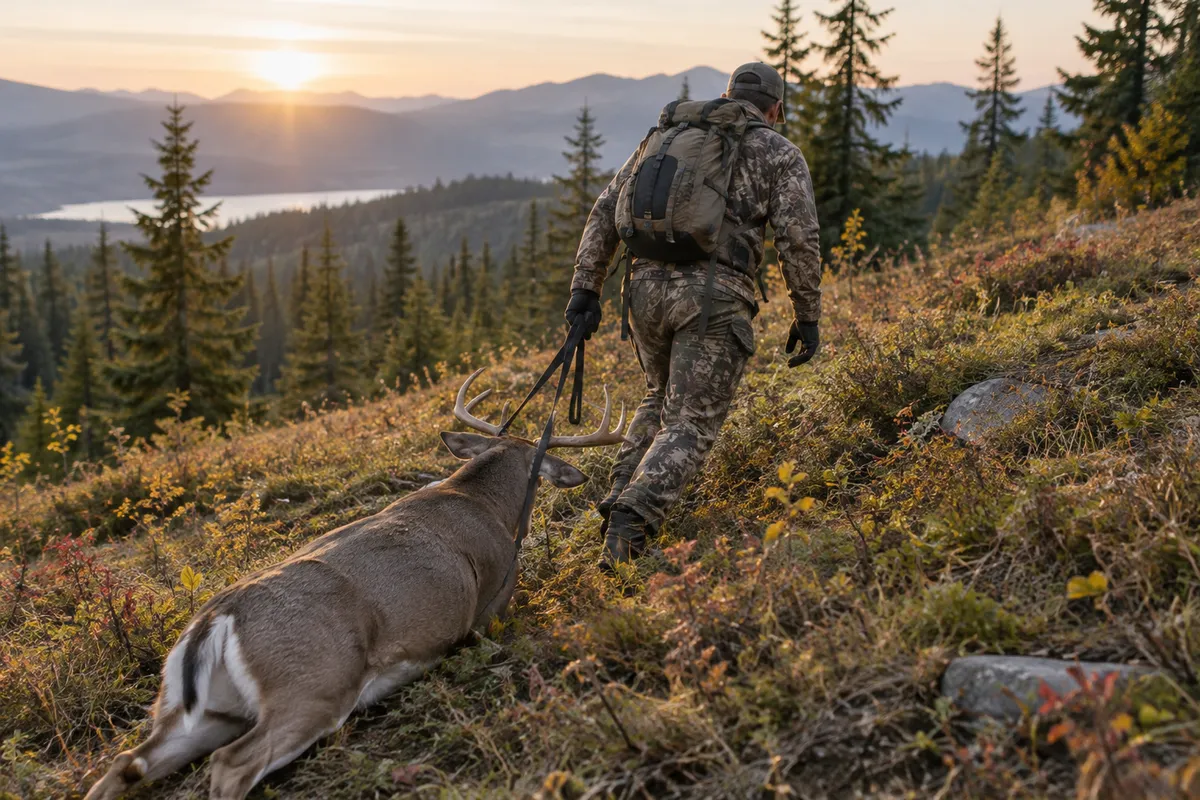
Before hunting, learn your jurisdiction’s rules for tagging, reporting, transport, and any required disease precautions. Have the right supplies and know how you will get help. If you are uncertain whether an animal was hit, mark the last known location and where you last saw it, then proceed deliberately. Rushing can destroy sign and make a difficult recovery harder.
If you believe an animal is wounded, follow guidance from a knowledgeable mentor or local wildlife authority. Avoid continuing blindly through the area. The right approach depends on the circumstances, terrain, weather, and local rules. If recovery becomes unsafe, seek help rather than taking a dangerous route or working alone in poor conditions.
After a harvest, use gloves and clean tools, keep meat clean and cool, and follow public-health advice for your area. Chronic wasting disease guidance and testing availability vary by jurisdiction. Review official information before the season; the U.S. Geological Survey’s chronic wasting disease resources provide background, while local wildlife and health agencies are the authorities for current requirements and advisories. For additional preparation, see these steps to prep for deer season and the broader deer hunting guide.
7. Make the first season a learning season
After each outing, write down what you observed and what you would change. Record access issues, wind, sign, comfort, and whether your plan worked—not just whether you saw or harvested a deer. Keep notes factual and avoid drawing firm conclusions from a single day. Over time, those observations can make your next decisions more deliberate.
A good beginner plan is legal, safe, and flexible. Confirm regulations and access, learn the ground, practice with a qualified instructor, set conservative limits, and have a recovery plan before you need one. Deer hunting rewards preparation, but it also asks for restraint. Treat a quiet day as useful field experience, and let skill grow at a pace that keeps people, wildlife, and the land safe.
For more, explore our deer hunting guides.
Frequently asked questions
What should a beginner do before deer hunting for the first time?
Read the current regulations for the exact location, secure legal access and required licenses, complete required hunter education, and make a safety and communication plan. If possible, hunt with an experienced mentor.
How do beginners find deer sign?
Look for tracks, trails, droppings, rubs, and feeding areas while recognizing that sign records past activity, not a guarantee. Scout lawfully, limit disturbance, and note wind and access.
Is a tree stand necessary for deer hunting?
No. A ground-level setup can be appropriate and avoids some elevated fall risks. If using a stand, follow its instructions and use suitable fall-arrest equipment as directed.
What should I do if I am unsure whether I hit a deer?
Pause, mark the last place you saw the animal and any sign, and proceed deliberately. Follow local guidance and seek help from a knowledgeable mentor or wildlife authority rather than searching recklessly.
Sources & further information
Consult these primary sources for current regulations, technical information and local guidance.