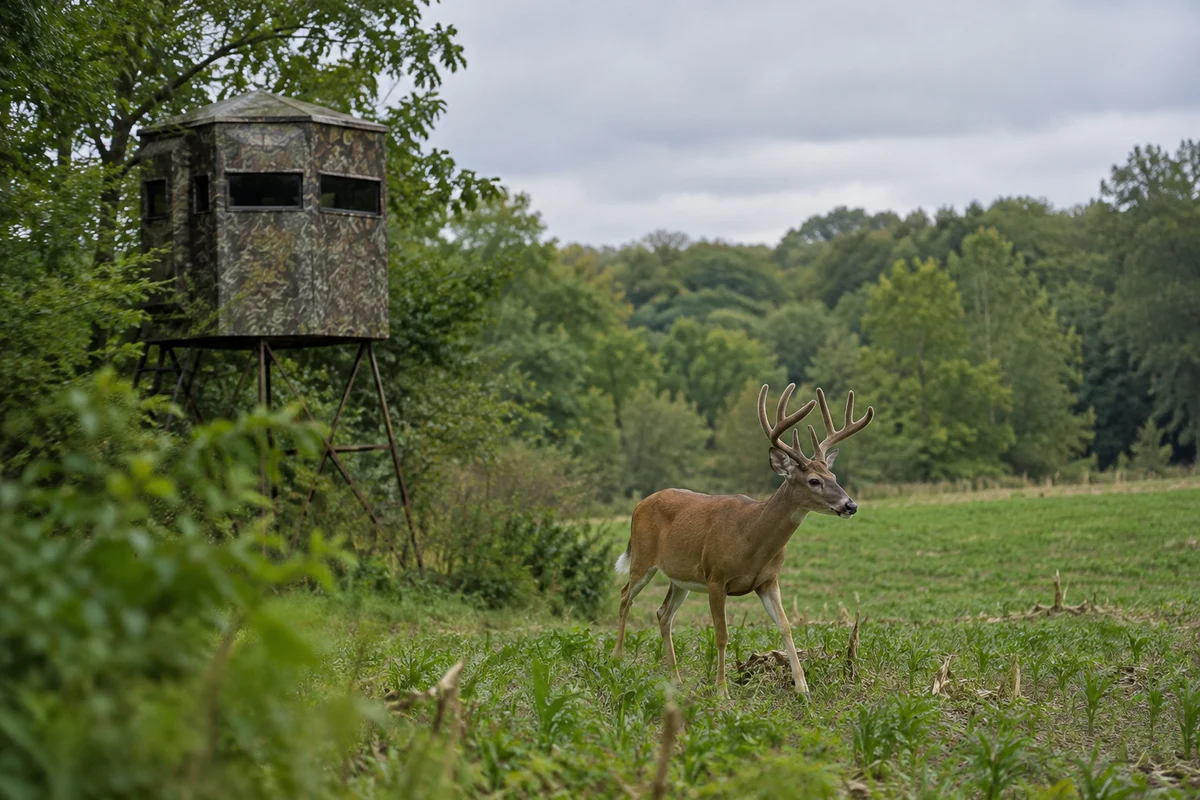
A Practical Deer Hunting Guide for Planning a Safer, More Ethical Season
A clear, adaptable framework for preparing to hunt deer, making careful decisions in the field, and following through responsibly. Start with local rules and habitat, then build a plan around safety, patience, and respectful recovery.
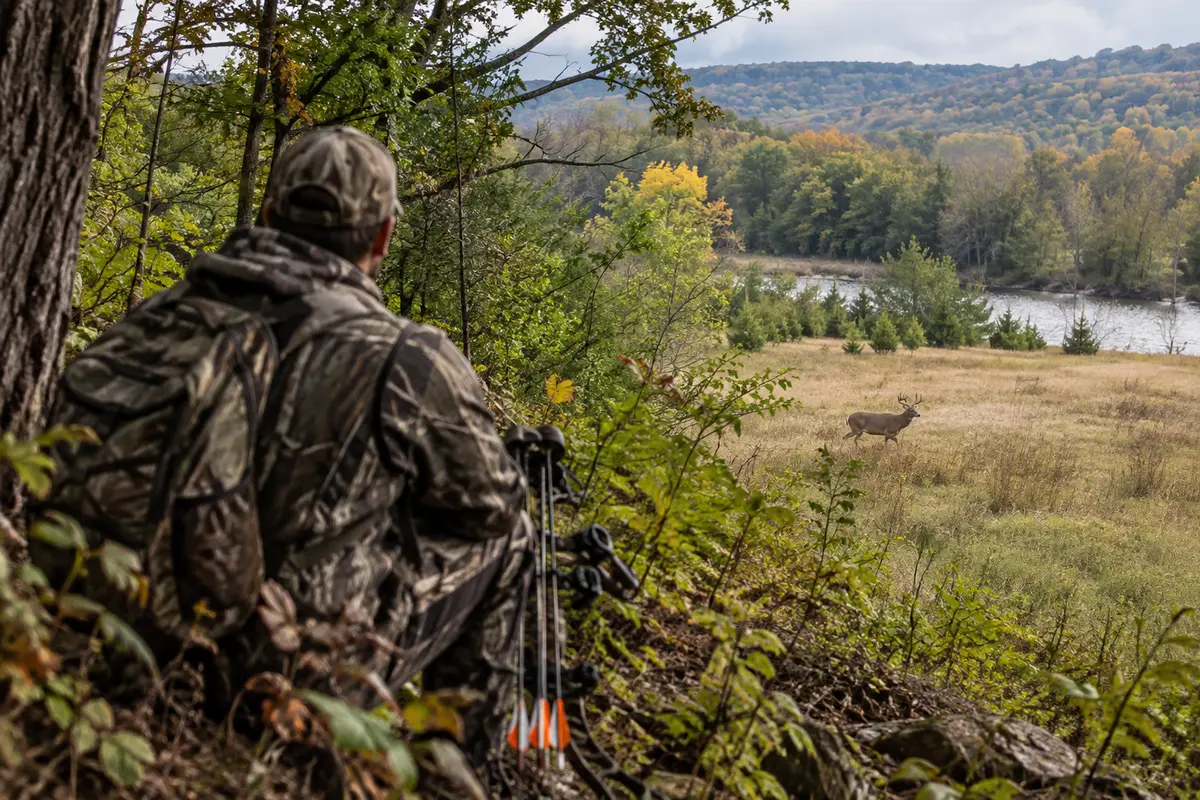
A useful deer hunting guide begins well before opening day: learn the regulations, understand the land, and decide what a responsible opportunity looks like for you. Deer behavior and hunting conditions vary by region, season, weather, and pressure, so no single tactic works everywhere. The reliable foundation is preparation, careful observation, safe conduct, and a willingness to pass when conditions are uncertain.
This guide offers a general framework rather than jurisdiction-specific legal advice. Seasons, licenses, legal methods, tagging requirements, access rules, and reporting deadlines change. Check the current rules from the wildlife agency where you intend to hunt, and confirm permission before entering private land.
Start with regulations, access, and a realistic plan
Before scouting or packing, identify the exact unit or county where you plan to hunt. Read the current season dates and legal requirements directly from the state or provincial wildlife authority. Confirm which deer species or sex may be taken, whether permits or special tags apply, what methods are allowed, and when harvest reporting is due. Do not rely on a previous year’s regulations or a summary written for another location.
Mark boundaries and access points on a map, but do not treat an online map as proof of permission. Verify property lines with authoritative local records and get explicit landowner consent where required. Check rules for public lands, parking, roads, trails, and restricted areas. If you are crossing multiple jurisdictions, each may have different rules.
Choose a plan that fits your experience, mobility, weather, and available daylight. Tell a trusted person where you will be, when you expect to return, and what to do if you do not check in. Carry a charged phone, but do not assume there will be service. A paper map, compass, and basic first-aid supplies are useful backups.
For a systematic season-preparation sequence, see steps to prep for deer season. Keep the local deer hunting hub handy for related planning and field-care topics.
Scout for sign without overreading it
Scouting is a process of forming and revising a picture of how deer use an area. Look for a combination of tracks, droppings, browse, trails, bedding cover, food sources, and terrain features. A single track or trail does not prove deer will be present when you hunt; sign can be old, and animal movement shifts with weather, food, disturbance, and season.
Use maps to understand the broader layout: cover, openings, water, ridges, drainages, and likely travel corridors. Then compare the map with what you can observe legally on the ground. Note wind direction and access routes. A promising location can become a poor choice if reaching it repeatedly disturbs the area or if the wind carries your scent across likely deer movement.
Keep scouting low-impact. Avoid pushing into bedding cover without a reason, and follow land rules about cameras, bait, feeding, and equipment. These rules vary and may change. If you use trail cameras where legal, treat them as one source of information, not a guarantee of future movement.
A useful decision framework is to ask three questions before settling on a location:
| Question | What to check | When to reconsider |
|---|---|---|
| Is access lawful? | Permission, boundaries, land-use restrictions | Permission or boundary is unclear |
| Can I approach with minimal disturbance? | Wind, terrain, cover, entry and exit routes | The approach crosses likely bedding or feeding areas |
| Is the setup safe and suitable? | Visibility, background, footing, distance, weather | Identification or a safe shot would be difficult |
Choose equipment for the conditions—and practice
Use equipment that is lawful for the season and appropriate to your ability. Check the wildlife agency’s current rules for legal methods and required safety equipment. Inspect clothing, footwear, optics, navigation tools, water, food, and weather layers before leaving. Make sure essential items are accessible rather than buried at the bottom of a pack.
If your hunt involves a firearm or archery equipment, this article is not a substitute for hands-on instruction or formal safety training. Follow the manufacturer’s safety guidance and applicable laws. Treat every firearm as loaded, keep the muzzle pointed in a safe direction, keep your finger outside the trigger guard until you have positively identified a lawful target and made a decision to shoot, and identify what lies beyond it. With archery equipment, follow appropriate range and handling practices, and never draw or release toward anything you have not positively identified as a lawful target with a safe background.
Practice beforehand under conditions that resemble the distances and positions you may encounter, within safe, lawful facilities and limits. A range result does not guarantee a responsible field shot. Weather, clothing, footing, angle, visibility, and stress can all change performance. Set a conservative personal limit and be ready to pass. Store firearms and ammunition securely, separately where appropriate, and inaccessible to unauthorized people, following local law and manufacturer guidance.
Make the shot decision slowly
The most important field decision may be not to shoot. Positively identify the animal and confirm that it is legal to take. Check for people, buildings, roads, livestock, and other hazards. Consider the background and what a projectile or arrow could encounter after passing through or missing. Do not shoot at movement, sound, a partially obscured shape, or an animal you cannot identify with confidence.
Only take a shot when the animal is within your practiced ability, the position and angle are appropriate, and you can maintain control. If any part of that decision is uncertain, wait or let the opportunity go. Never allow excitement, competition, or pressure from companions to override safety and judgment.
If you do shoot, note the animal’s position, direction of travel, landmarks, and the time. Pause and observe before moving. The right response depends on what you saw and the circumstances; avoid rushing into an area if doing so could complicate recovery. If you are unsure whether the animal was hit or where to begin, seek help from an experienced, lawful mentor or local wildlife authority. Follow all local requirements for recovery, tagging, transport, and reporting.
Recover and handle the deer responsibly
Recovery takes patience and care. Mark the last clear location where you saw the deer and any sign you can identify without trampling the area. If you find blood or other evidence, note its location and direction. Do not assume that a lack of obvious sign proves a miss, or that any sign alone confirms a successful hit. When uncertain, slow down, preserve evidence, and ask an experienced person for guidance.
Once recovered, follow local rules for tagging, field dressing, transport, and harvest reporting. Use clean tools and avoid contaminating meat. Keep the carcass cool as promptly as practical, especially in warm weather, and follow public-health advice for handling wild game. Wear disposable gloves when appropriate, wash hands and tools, and avoid consuming meat that appears spoiled or is otherwise unsafe. Local agencies may publish region-specific guidance about diseases and testing; check before handling or transporting a carcass across boundaries.
A thoughtful season also includes learning what happened. Record the weather, location, observed sign, access route, and decisions that mattered. Keep notes factual: observations are more useful than assumptions about what deer “always” do. If a deer’s age, health, or antlers are of interest, understand that field impressions can be uncertain. For context on one official assessment setting, see how deer are aged at check stations; procedures differ by agency and location.
Use a simple before-you-go checklist
- Confirm current dates, license, permits, legal methods, tagging, and reporting rules.
- Verify land access, boundaries, parking, and any equipment restrictions.
- Check forecast, wind, daylight, and likely route conditions.
- Tell someone your plan and check-in time; carry navigation and emergency essentials.
- Inspect and practice with lawful equipment; set a conservative personal limit.
- Identify safe backgrounds and decide in advance that uncertainty means passing.
- Prepare a plan for recovery, cooling, transport, and required reporting.
A good deer hunt is not defined only by whether an animal is taken. Preparation, restraint, respect for land and wildlife, and careful follow-through are meaningful outcomes in their own right. Adapt this framework to local conditions, learn from reliable wildlife agencies, and keep safety ahead of opportunity.
Frequently asked questions
What should I check before deer hunting season?
Confirm current local season dates, licenses, permits, legal methods, access permission, tagging and reporting rules, then plan navigation, weather, safety, and recovery.
How do I find a good place to hunt deer?
Combine legal access and low-impact entry with observations of habitat, tracks, browse, trails, and terrain. Sign is not a guarantee; reassess for wind, disturbance, and changing conditions.
When should I pass on a deer shot?
Pass whenever identification, legality, background, distance, footing, angle, or your ability is uncertain. Never shoot at movement or without knowing what lies beyond the target.
What should I do after a possible hit?
Pause, observe, and note the animal’s direction, last location, landmarks, and time. Avoid rushing; follow local recovery rules and seek experienced help if you are uncertain.
Sources & further information
Consult these primary sources for current regulations, technical information and local guidance.