Chronic wasting disease: what deer hunters should know
Chronic wasting disease is a contagious, fatal disease of deer and related animals, but its risks and rules vary by place. Here’s how hunters can understand local guidance, make informed harvest decisions, and reduce the chance of moving infectious material.
Chronic wasting disease (CWD) is a contagious disease affecting deer, elk, moose, and other members of the deer family. For hunters, understanding chronic wasting disease means knowing what local wildlife agencies recommend, how testing works, and why transporting parts of a harvested animal can matter. There is no known treatment or vaccine for CWD in free-ranging animals, and guidance changes as surveillance and regulations evolve.
CWD is caused by abnormal proteins called prions. It is not a virus or bacterium, and ordinary cooking does not reliably destroy prions. The disease is fatal in affected animals, but a positive test result is not something a hunter can identify confidently by looking at a carcass alone. Local rules—not a general article—determine what is legal and recommended in a particular hunting area.
What does chronic wasting disease do to deer?
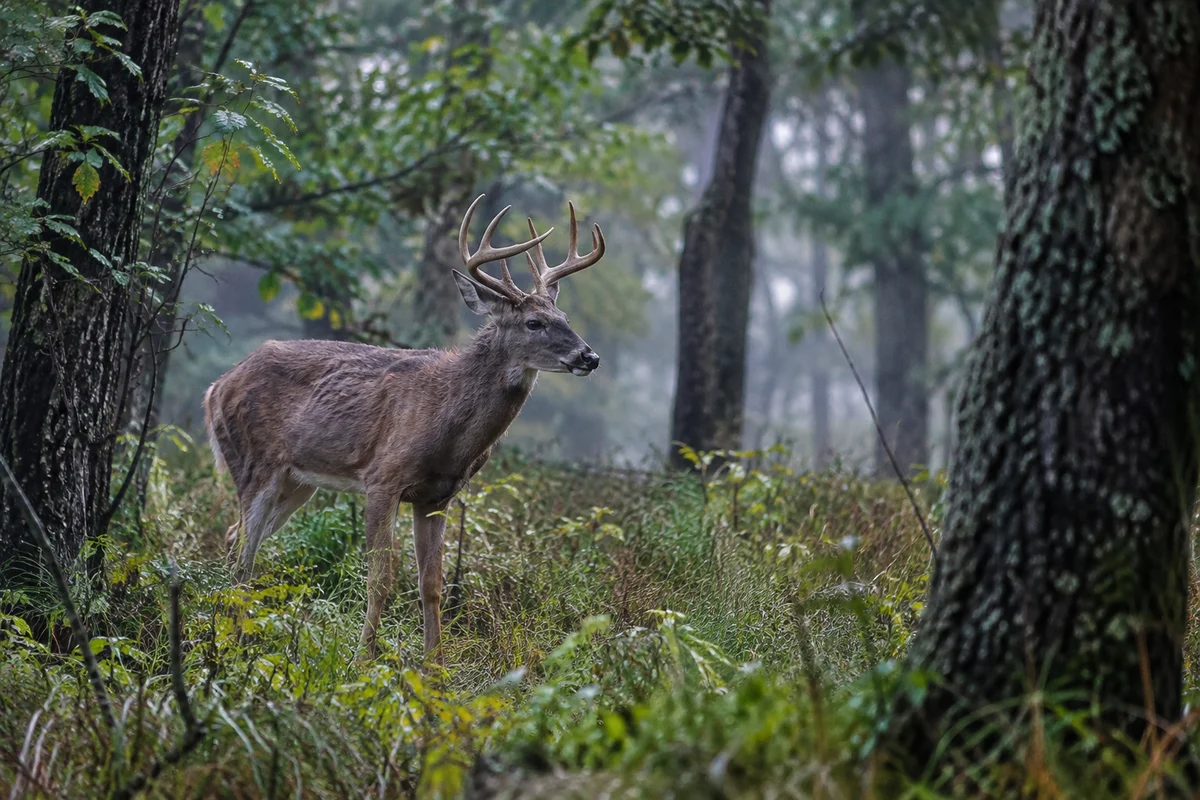
CWD damages the brain and nervous system. Infected animals may eventually show weight loss, poor coordination, drooling, unusual behavior, or reduced wariness. These signs can have other causes, and an infected animal may look normal for a long time. Appearance cannot confirm that an animal has CWD or establish that its meat is safe.
The disease progresses over time. An animal may be infected before it appears sick, which is one reason wildlife agencies use surveillance and laboratory testing rather than relying on visual checks. CWD has been detected in multiple cervid species and locations; its presence and prevalence differ substantially among local populations.
How does CWD spread?
Prions can be present in an infected animal’s tissues and can also be shed into the environment. They persist in the environment, where other animals may encounter them. Direct contact between animals is one route of exposure, while contaminated environments can contribute to transmission. The precise importance of each route depends on conditions and remains an area of scientific study.
Because prions can persist, moving carcass parts from an affected area may carry material into places where the disease has not been found. Many jurisdictions restrict or regulate transport of whole carcasses or high-risk parts across boundaries. Rules differ, so check the wildlife agency for the state, province, or tribal jurisdiction where you hunt and for any place through which you travel.
What should a hunter do before and after a harvest?
Use this simple decision framework before processing or transporting a deer:
| Situation | Practical next step |
|---|---|
| You have not chosen a hunting area | Check current agency CWD maps, testing options, and carcass-transport rules before the trip. |
| The harvest is in a CWD management or surveillance area | Follow the local instructions for submitting a sample, reporting the harvest, and disposing of parts. |
| You plan to cross a state or provincial boundary | Review the destination and transit jurisdictions’ rules; do not assume an intact carcass is permitted. |
| The animal appears sick or behaves abnormally | Avoid unnecessary contact, follow agency reporting guidance, and do not consume the meat unless authorities advise it is appropriate. |
| A test is pending or returns positive | Follow agency instructions for the carcass and meat; do not distribute or consume meat from a positive animal. |
When field dressing, use gloves, avoid cutting through the brain or spinal cord, and minimize contact with high-risk tissues such as brain, eyes, spinal cord, spleen, and lymph nodes. Use dedicated tools when practical, clean tools and surfaces, and keep meat from different animals separate until results and local recommendations are clear. These precautions reduce exposure to tissues; they do not sterilize equipment or guarantee that prions have been eliminated.
For broader planning, see our deer hunting guide and steps to prep for deer season. For context on why check stations collect information, read how deer are aged at check stations.
What can a CWD test tell you?
Most routine CWD testing uses laboratory analysis of specific tissues, commonly lymph nodes or the brainstem, collected and prepared according to agency protocols. A test is not an instant field diagnosis. Turnaround time varies with the laboratory, season, and workload; ask the agency or testing provider how results are delivered and what to do while waiting.
A negative result means the test did not detect evidence of CWD in the submitted sample. It is not an absolute guarantee: testing has limits, including whether the right tissue was collected and whether infection has reached detectable levels. A positive result indicates that the animal tested positive under the laboratory’s procedure. Follow the responsible agency’s directions for disposal and avoid eating meat from a positive animal.
Testing availability, cost, and eligibility vary. Some agencies provide sampling locations or drop-off kits; others may require an appointment or have limited seasonal services. Confirm current arrangements directly with the relevant wildlife agency rather than relying on an old map or a previous year’s process.
Is CWD a human health risk?
Public-health agencies have not confirmed that CWD infects people. However, because the consequences of exposure are uncertain and the disease is fatal in animals, public-health and wildlife authorities advise against eating meat from animals that test positive or appear ill. Follow current guidance from public-health authorities in your area, especially if you harvest where CWD is known or suspected.
Do not treat cooking, freezing, smoking, or ordinary meat preparation as a way to remove prions. If an animal tests positive after processing has begun, stop handling or consuming the meat and contact the agency that conducted the test for specific instructions. Avoid feeding meat scraps or high-risk tissues to pets or other wildlife unless local guidance explicitly addresses disposal.
What hunters can do for responsible management
Hunters can support surveillance by reporting harvests, submitting samples when requested, and following carcass-part restrictions. Accurate location information helps agencies interpret disease patterns. Keep records of where an animal was harvested and retain any sample or tag identifiers until results arrive.
Regulations can change as agencies respond to new detections. Check official updates shortly before each hunt, not only when planning months ahead. If rules are unclear, contact the wildlife agency directly. Responsible handling does not guarantee that CWD will be stopped, but it helps reduce avoidable movement of potentially infectious material and supports informed management.
Frequently asked questions
Can you tell whether a deer has CWD by looking at it?
No. Some infected deer look normal, while visible symptoms can have other causes. Laboratory testing is needed to assess CWD.
Does cooking venison kill CWD prions?
Ordinary cooking does not reliably destroy prions. Do not eat meat from an animal that tests positive or appears sick; follow local public-health advice.
Should I get every harvested deer tested?
Testing requirements and availability vary by jurisdiction and hunting area. Check the local wildlife agency’s current guidance and use its approved sampling process.
Can I transport a deer carcass across state lines?
Rules vary and may restrict whole carcasses or certain parts. Check the regulations for the harvest location, destination, and any jurisdictions you cross before traveling.
For more, explore our deer hunting guides.
Frequently asked questions
Can you tell whether a deer has CWD by looking at it?
No. Some infected deer look normal, while visible symptoms can have other causes. Laboratory testing is needed to assess CWD.
Does cooking venison kill CWD prions?
Ordinary cooking does not reliably destroy prions. Do not eat meat from an animal that tests positive or appears sick; follow local public-health advice.
Should I get every harvested deer tested?
Testing requirements and availability vary by jurisdiction and hunting area. Check the local wildlife agency’s current guidance and use its approved sampling process.
Can I transport a deer carcass across state lines?
Rules vary and may restrict whole carcasses or certain parts. Check the regulations for the harvest location, destination, and any jurisdictions you cross before traveling.
Sources & further information
Consult these primary sources for current regulations, technical information and local guidance.