How to Catch Lake Perch: Find Them, Choose Tackle, and Fish Smarter
Lake perch are often found by locating the right depth and structure, then refining a small presentation until it reaches active fish. This guide lays out a flexible approach for shore, boat, and ice anglers, with reminders to check local rules.
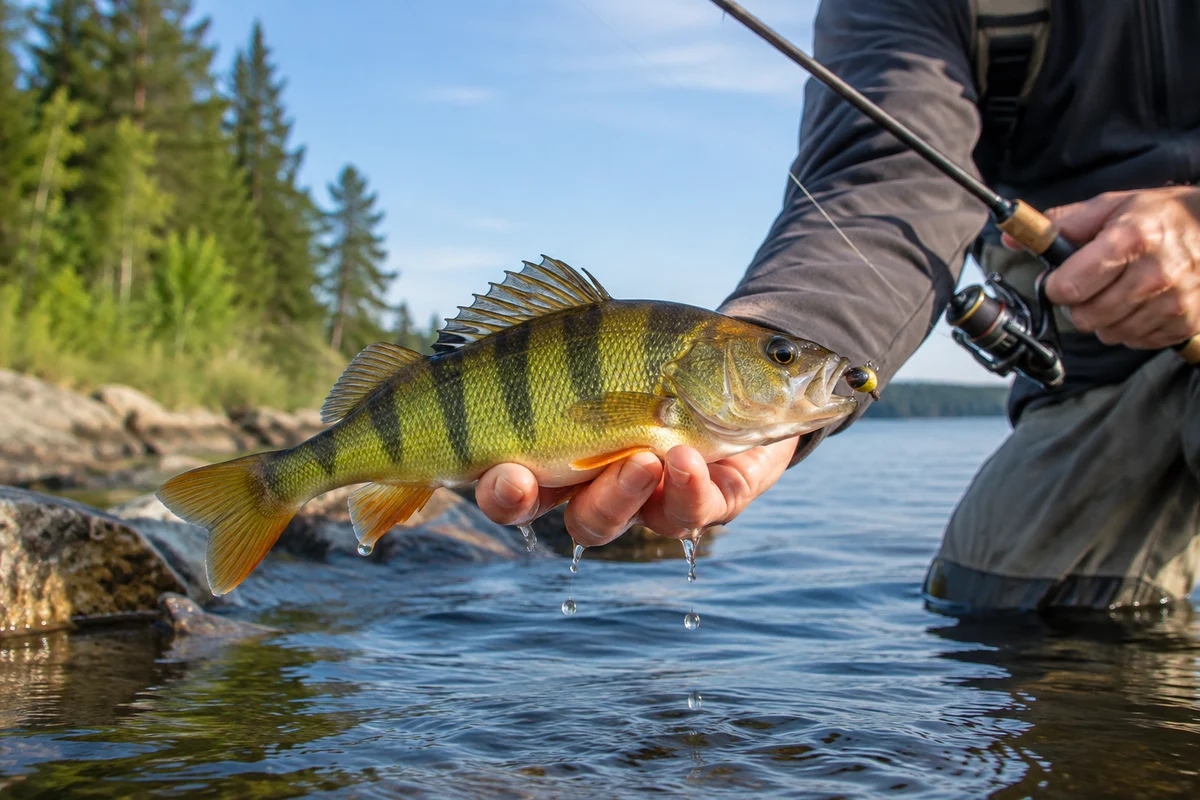
Lake perch can be rewarding to pursue, but there is no single depth, lure, or calendar date that works on every lake. To learn how to catch lake perch, start by treating location as the first decision: identify likely seasonal habitat, find a depth where fish are present, and then make a controlled change in bait or presentation rather than switching everything at once. Yellow perch are schooling fish, so a small adjustment that finds one fish can quickly turn into a productive pattern—though a school may move or stop feeding without warning.
This is a flexible approach for open water and ice. Local species, lake shape, weather, water clarity, forage, and regulations all affect the details. Use current maps and local rules, handle fish carefully, and regard any suggested lure size or depth as a starting point, not a guarantee.
Start with season and habitat
Perch often relate to accessible food and cover: weed edges, submerged vegetation, points, drop-offs, rock transitions, and the edges of deeper basins. Which feature matters most changes with the season and the lake. In spring, shallow bays and newly growing vegetation may attract fish and forage. As vegetation matures or water warms, perch may use the outside weed edge, nearby flats, or deeper structure. In fall, they can follow baitfish and other food toward changing depth zones. In winter, schools may hold over basin edges or other areas where depth and forage meet.
These are broad tendencies, not fixed seasonal rules. A shallow, weedy lake may fish differently from a clear, deep lake. Wind can push food toward a shoreline; a cold front or sudden temperature shift can change activity. Start with a lake map, observe wind and water conditions, and ask a local bait shop or fisheries agency about general seasonal patterns where available.
If you have electronics, use them to identify depth changes, vegetation, and fish-like marks, then verify with a few deliberate presentations. A mark is not a species identification, and a fish that appears on a screen may not bite. Without electronics, work visible weed lines, points, and gradual depth transitions systematically. Make short passes at consistent intervals rather than casting randomly across a large area.
A practical search-and-adjust framework
Use this sequence to keep the outing organized:
| Step | What to do | What the result tells you |
|---|---|---|
| 1. Choose a zone | Pick a likely feature for the season: weed edge, point, flat, or basin transition. | Gives you a reasoned starting area instead of guessing everywhere. |
| 2. Establish depth | Fish one depth band, then move shallower or deeper in small increments. | Helps determine where active fish are holding now. |
| 3. Present consistently | Begin with a small jig or live bait under a float, using a controlled drop or retrieve. | Makes bites and lack of response easier to interpret. |
| 4. Change one variable | Adjust depth, cadence, lure profile, or bait, but not all at once. | Reveals which change matters under current conditions. |
| 5. Relocate when needed | If repeated careful passes produce no signs, shift to another nearby feature. | Avoids spending the whole session on unproductive water. |
Keep track of the depth, cover, and presentation that produce bites. If a few fish come from one depth, repeat the same approach nearby before assuming the entire lake is patterned. Schools can be compact, and a small move may matter more than a dramatic change in lure color.
Tackle that keeps the presentation manageable
A light or ultralight spinning outfit is a useful general choice for open water. Choose line and tackle suited to the cover, fish size, and conditions; very heavy gear can make small presentations harder to feel, while gear that is too light can be difficult to manage around weeds or snags. A sensitive rod helps reveal a subtle tap, but watching line movement is just as useful.
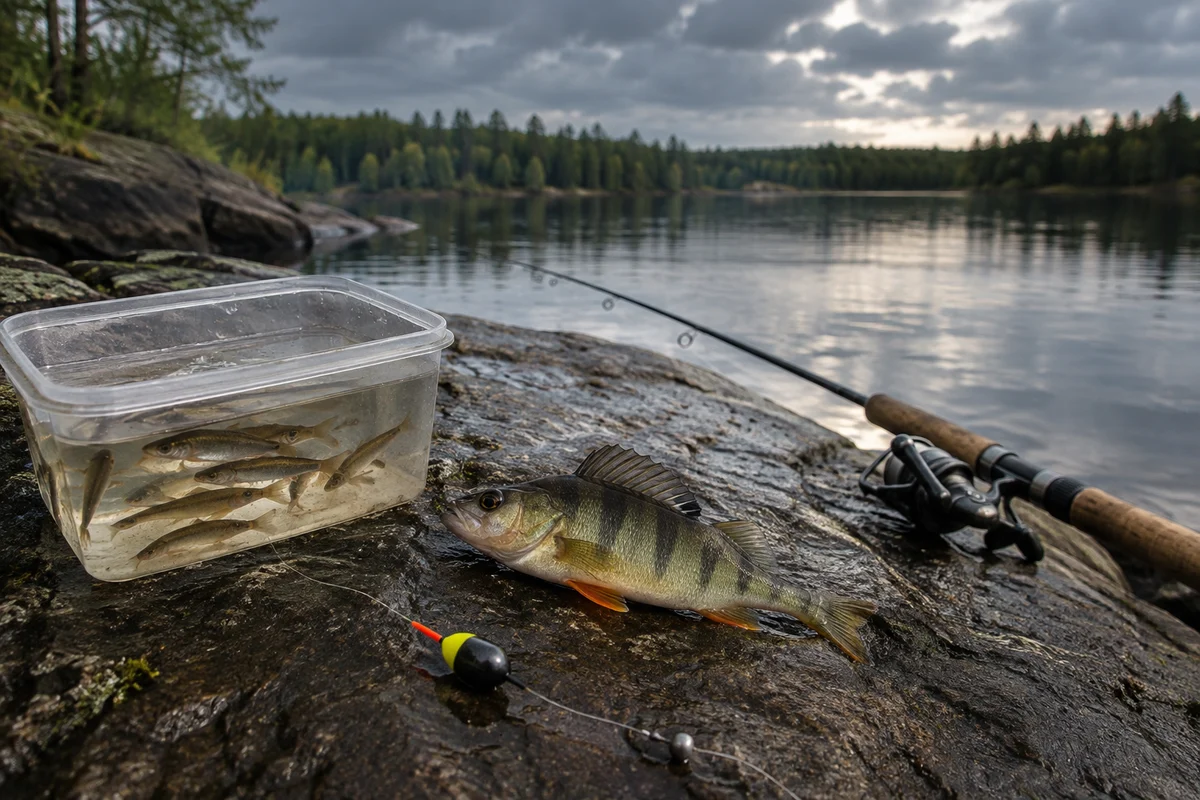
Small jigs, plain hooks, and simple floats cover many situations. A compact jig can be tipped with a permitted live bait or fished alone. A float suspends bait at a chosen depth and makes a slow presentation easy to monitor. In vegetation, a hook or jig that can be worked just above the weeds may reduce snags. In open water, a controlled vertical drop can help keep the bait in a narrow zone.
For ice fishing, use equipment appropriate to local conditions and regulations, and never assume ice is safe based on appearance or another angler's presence. A short ice rod and small jig are common tools, but location and safe access come first. Check current ice-safety guidance from local authorities, go with a partner when possible, and carry appropriate safety equipment.
Bait, lures, and presentation
Live bait can be effective where legal, but availability and rules vary. Small minnows, insect larvae, or other locally permitted baits may appeal to perch. Keep bait lively and use a hook size that allows a natural presentation without making it difficult to set the hook. Check bait transport and use rules before moving bait between waters.
Artificial options include small jigs and compact soft plastics. Start with a modest profile and a restrained movement: let the offering sink, pause, and make subtle lifts or short hops. If fish follow but do not commit, slow the cadence, pause longer, or reduce the profile. If the presentation is getting lost in current, depth, or wind, use a weight that maintains contact and control without overpowering the setup.
The best color is contextual. In clear water or bright conditions, a natural or subdued look may be a reasonable first test; in stained water, a more visible option can help. But visibility, forage, light, and fish mood interact, so treat color as an experiment. Change it only after checking depth and presentation, which are often more fundamental.
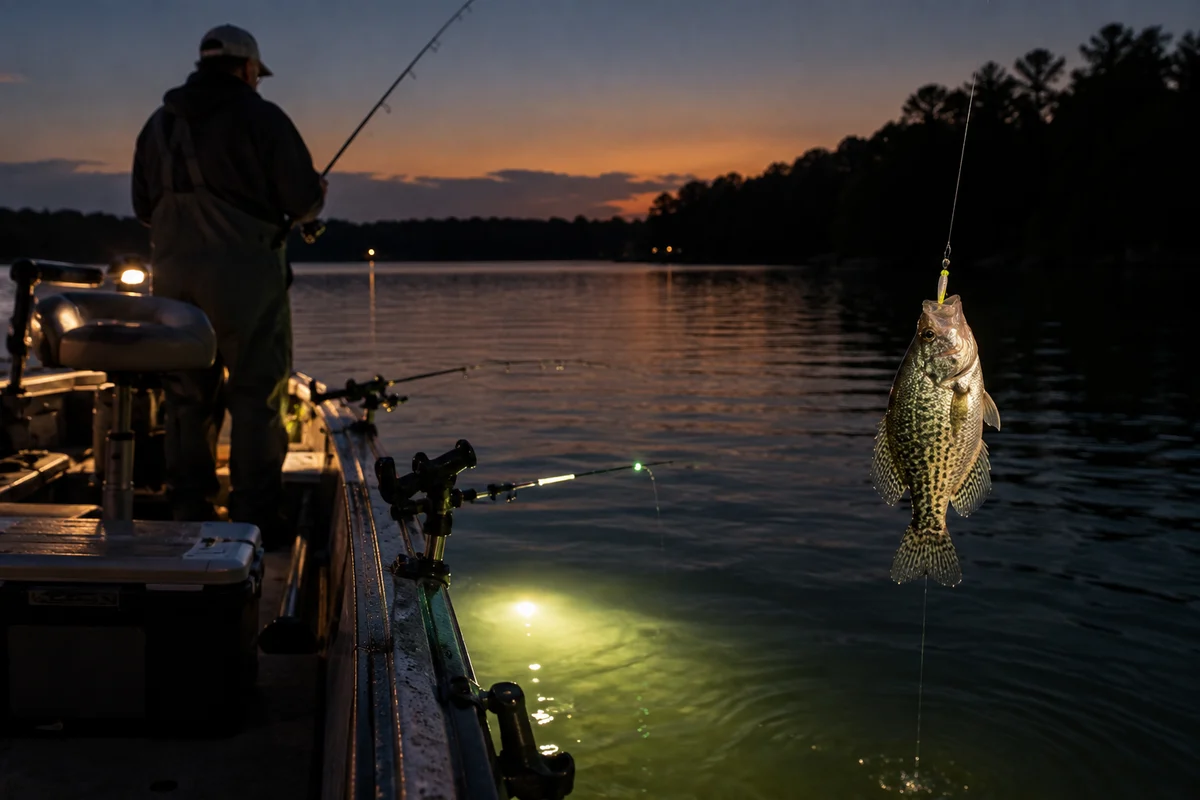
For more on small-jig choices and how to think about them, see our guide to crappie jigs. The fish and situations differ, but the basic lesson—match a manageable presentation to depth and cover—is useful across panfish.
Detect bites and keep the presentation controlled
Perch bites may feel like a tap, a brief change in weight, or almost nothing. Keep slack out of the line without pulling the bait unnaturally. Watch the line where it meets the water or ice hole, and notice whether it twitches, pauses, or moves sideways. When using a float, respond to a sustained dip or sideways movement rather than striking at every ripple.
A short lift of the rod is usually enough to set a small hook. Avoid a forceful sweep that can pull the hook free or damage a fish. If you miss a bite, return the bait to the same depth and make a small change in cadence before abandoning the spot. When fishing vertically, keep the bait near the level where bites occurred; repeated casts through an empty zone waste time.
Shore, boat, and ice approaches
From shore, look for access to a point, weed edge, or drop-off. A float is useful when you can reach likely shallow cover, while a cast-and-retrieve jig can search a broader area. Keep casts parallel to a shoreline feature when possible; this holds the bait near a consistent depth longer.
From a boat, move slowly along likely structure and use a map or electronics to compare depths. Once you locate activity, hold position or make controlled passes rather than drifting away from the school. If wind or current makes boat control difficult, prioritize safe handling and a presentation you can keep near the target.
Through the ice, begin by checking safe access and local restrictions, then explore a few nearby depth bands rather than drilling or fishing without a plan. Keep holes and gear organized, and leave the ice if conditions change. Ice conditions vary across the same body of water, especially near current, inlets, outlets, and shorelines.
Common reasons perch fishing stalls
Fishing only the obvious shallows: Perch may move to a weed edge, point, or deeper transition. Test adjacent depths before concluding they are absent.
Changing too many things at once: If you swap location, bait, color, and cadence together, you cannot tell what helped. Alter one factor at a time.
Working too quickly: A fast retrieve can pull a small bait out of the strike zone. Pause and let the offering settle, especially when fish follow without biting.
Ignoring local rules: Seasons, daily limits, size restrictions, bait rules, and water-specific closures can differ. Confirm the current regulations for the exact water you plan to fish before keeping fish.
For a related example of how changing water temperature affects panfish tactics, read cold-water crappie fishing. For bait-focused ideas that can inform a small, natural offering, see crappie fishing minnows. These are separate species guides, not claims that perch and crappie behave identically.
Keep fish responsibly
Identify your catch before keeping it and follow the current rules for that water, including any special regulations. If you release a fish, minimize time out of water, wet your hands before handling, and avoid squeezing or touching the gills. Use a suitable hook-removal tool and cut the line if removing a deeply swallowed hook would cause greater harm. Keep only what you will use, and remember that local rules—not a general article—determine legal harvest.
A simple plan for the next trip
Before leaving, check the forecast, access, and current fishing regulations. Pick two or three likely areas from a map. Start with one depth and a small, controlled bait or jig presentation. If you find fish, note the depth and repeat nearby; if not, adjust depth or move to the next feature. That process is more dependable than chasing a supposedly universal lure or color—and it gives you a clear way to learn how your lake changes through the year.
For more, explore our panfish fishing fishing 2 guides.
Frequently asked questions
What is a good starting depth for lake perch?
There is no universal depth. Begin at a seasonal feature such as a weed edge or basin transition, then test nearby depth bands until you find active fish.
What bait works for lake perch?
Small, locally legal live baits and compact jigs are common starting options. Check local bait rules and adjust presentation to the fish's depth and activity.
Are lake perch easier to catch from shore or a boat?
Either can work. Shore anglers can target accessible points and weed edges; boats make it easier to search depth changes and remain over a school.
How can I tell when a perch bites?
Watch for a light tap, a change in line tension, or a float that dips or moves sideways. Keep line contact and respond with a controlled, modest lift.
Should I keep the perch I catch?
Only if you choose to and the fish meets current local regulations. Check the exact water's rules for seasons, limits, size restrictions, and closures.
Sources & further information
Consult these primary sources for current regulations, technical information and local guidance.