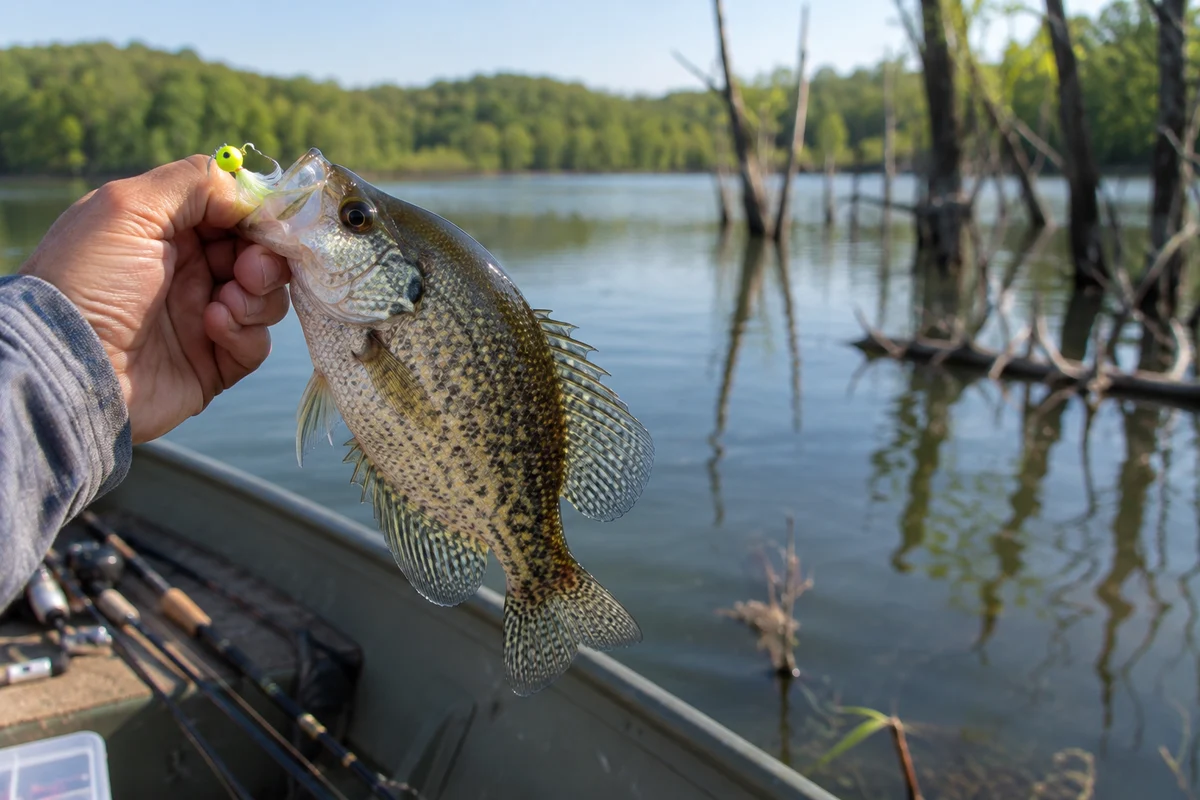
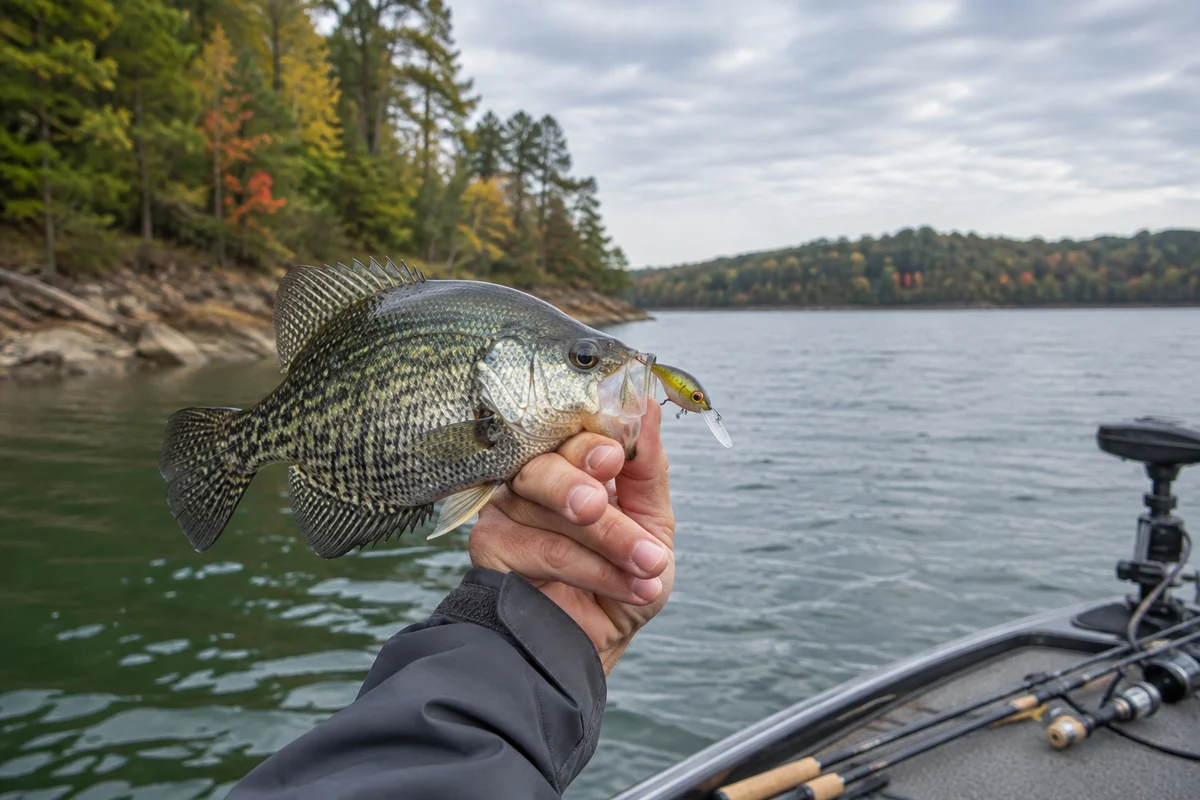
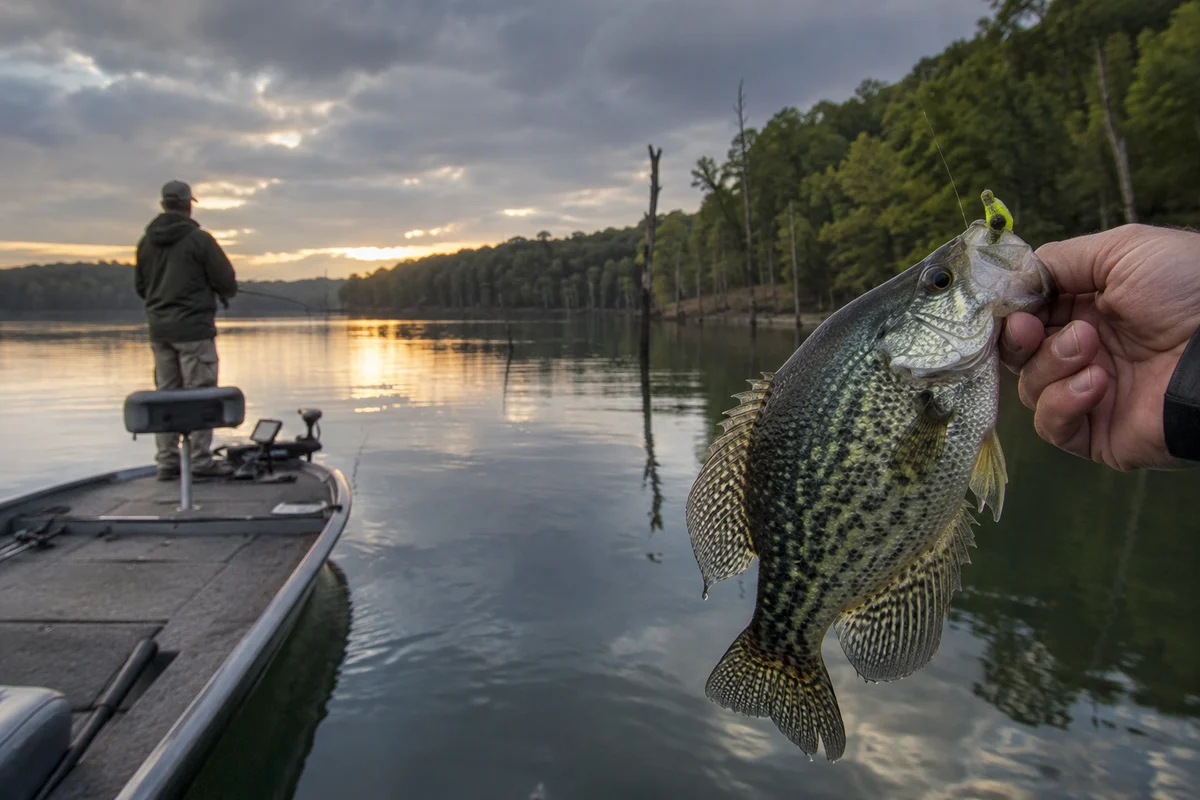
Crappie Fishing Minnows: A Practical Guide to Better Presentations
Live minnows are a versatile crappie bait, but success depends on matching their size and presentation to depth, cover, and fish activity. This guide covers practical rigs, seasonal adjustments, responsible bait handling, and ways to diagnose slow bites.
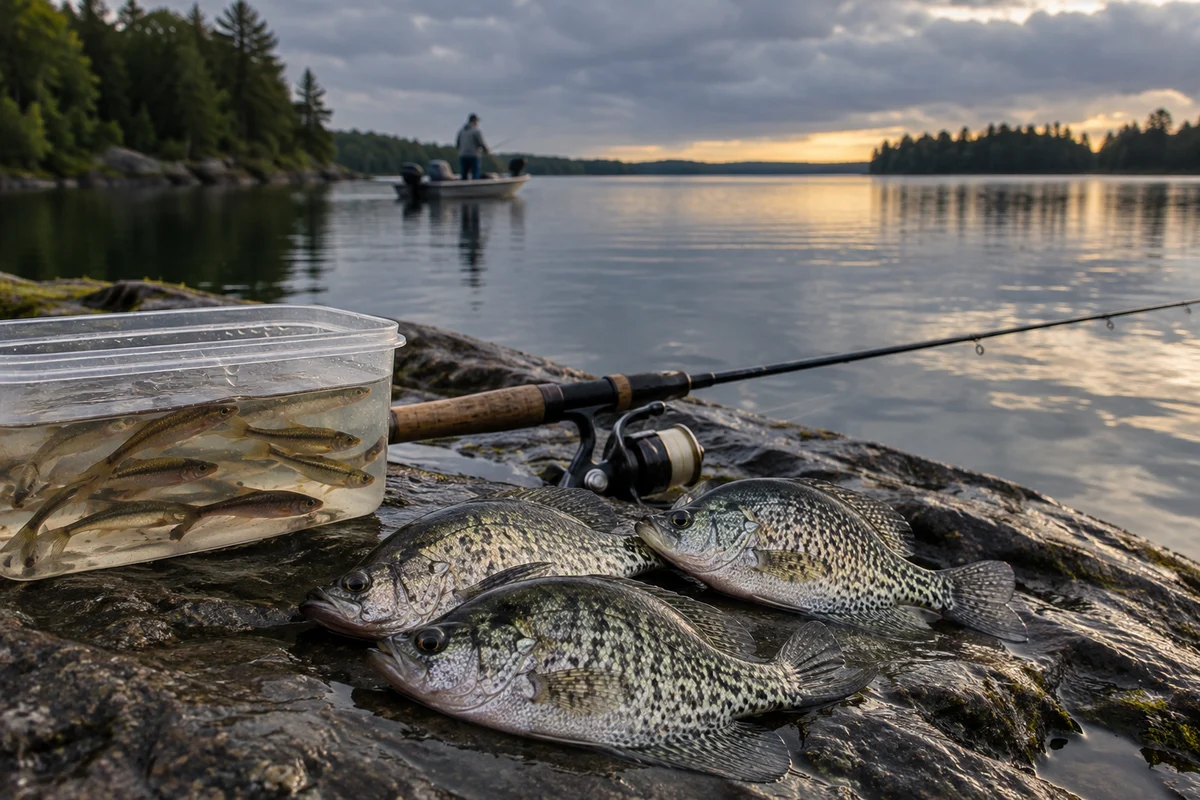
Live minnows give anglers a natural, adaptable option when crappie are feeding on small fish or ignoring artificial lures. The best approach to crappie fishing minnows is not simply to put bait on a hook and wait: choose lively bait, present it near the depth fish occupy, and adjust the rig so it moves naturally without snagging every branch. Water clarity, temperature, current, local rules, and the fish’s mood all matter, so treat any setup as a starting point rather than a guarantee.
Choose minnows that suit the job
Use healthy, active minnows that are legal to possess and use where you fish. Bait-shop names and species can vary by region, and a label such as “minnow” does not establish that a baitfish is lawful to transport or release. Check the applicable fish and wildlife agency rules before buying bait or moving it between waters.
For a simple starting point, choose a minnow small enough for the hook and conditions, but substantial enough to stay lively and be found by feeding fish. Oversized bait may be awkward in tight cover; very small bait can be difficult to keep on the hook and may attract smaller fish. There is no universal best size. If bites are tentative, downsize the hook and bait; if fish are confidently taking the bait and smaller fish are a nuisance, a somewhat larger minnow may help.
Keep bait in a clean, aerated container, out of direct sun, and away from sudden temperature swings. Crowding, warm water, and poor water quality can stress bait quickly. Avoid pouring leftover bait into a lake, river, or drainage ditch. Follow local disposal rules, and never move live bait or bait water to another waterbody unless the rules expressly allow it.
Rigging: start simple, then adapt
A small hook beneath a float is one of the most useful beginner presentations. It suspends a minnow at a controlled depth, signals a bite, and makes it easier to work around docks, brush, and vegetation. Pinch-on weights can help the bait reach the target, but use only enough weight to keep the rig manageable and avoid dragging it into cover.
A plain hook-and-sinker rig is useful when wind, current, or deeper water makes a float difficult to control. Place the weight above the hook so the minnow can move, and keep the line light enough to detect subtle bites while strong enough for the cover and fish you expect. Exact line and hook choices depend on local conditions and tackle; there is no need to assume one size fits every lake.
Hook placement affects how the bait behaves. A careful placement through the lips or near the dorsal area can keep a minnow attached while allowing it to swim. Avoid damaging the bait more than necessary. If it stops moving naturally, replace it rather than expecting a lifeless bait to behave like a fresh one.
| Situation | Useful starting presentation | What to watch |
|---|---|---|
| Shallow brush or dock edge | Float and hook, set just above cover | Float movement, snags, and bait depth |
| Windy bank or moving water | Slightly weighted hook rig | Whether the bait holds its depth without dragging |
| Suspended fish | Float or controlled line presentation | Whether bites occur at a consistent depth |
| Cautious bites | Smaller hook and a lively, modest-sized minnow | Missed bites, bait condition, and line tension |
These are decision points, not fixed prescriptions. If your local regulations restrict hooks, bait, or methods, those rules take priority.
Find the fish before changing everything
Crappie can occupy different depths and kinds of cover across a single day. In cool periods, fish may be deeper or grouped near structure; in warming conditions, they may move toward shallower areas, though weather and local water conditions can interrupt that pattern. In summer, fish may hold near deeper structure or suspend at a comfortable depth. Seasonal tendencies help narrow the search, but they are not a substitute for observing the water and checking reliable local reports.
Use a float to test a manageable range of depths, changing one variable at a time. If you get a bite, repeat that depth and nearby locations before making a major change. If there is no sign of fish, move along the edge of a likely feature—such as a drop, standing timber, or dock line—rather than soaking bait in one unproductive spot indefinitely. Keep hooks clear of visible branches and retrieve steadily when moving between locations.
When fish are suspended, a bait presented far above or below them may go unnoticed. Where allowed, use available electronics or carefully count line and observe the float to keep your presentation consistent. Avoid assuming that a depth that worked yesterday will work today; wind, sunlight, water level, and temperature can shift fish position.
For a broader seasonal perspective, see our guide to cold water crappie fishing. If you want to explore a different way to reach shoreline cover and quiet water, compare the approach in crappie fishing from a kayak. Both approaches pair well with simple bait presentations, though the safest and most effective choice depends on your water and conditions.
Presentation details that improve consistency
Keep the line controlled but not rigid. A minnow needs room to move, yet excessive slack makes it harder to notice a light take or keep the bait out of cover. With a float, watch for more than a dramatic dunk: a slight tilt, sideways glide, or pause can signal that a fish has picked up the bait. Reel in slack before setting the hook, and use a smooth, restrained lift rather than a hard sweep that can pull a small hook free.
In clear water or bright conditions, a long cast or a position that keeps your shadow off the target may help avoid disturbing fish. In stained water, fish may rely more on vibration and proximity, making a lively bait near cover useful. Neither rule is absolute: pressure, forage, and weather can outweigh visibility. Try a modest adjustment—distance, depth, or position—then assess the result instead of changing several things at once.
A minnow that repeatedly spins, falls off, or looks inactive is a poor presentation. Check hook placement, line twist, and bait condition. Replace it when needed and keep the container’s water fresh and well-aerated according to bait-care guidance. Do not leave bait exposed in a hot boat or on a sunlit bank.
Handle fish and bait responsibly
Know the local rules before fishing, including seasons, size and possession limits, permitted bait species, and any restrictions for specific waters. Regulations can differ between neighboring waters and change over time. Consult the relevant state or provincial fish and wildlife agency for current requirements. If you keep fish, identify the species accurately, measure where required, and stop at the applicable limit.
Use a landing net when it helps reduce handling, wet your hands before touching a fish, and return unwanted fish promptly. Handle fish gently, keep them in the water as much as practical, and avoid prolonged exposure while removing a hook. If a fish is deeply hooked, cutting the line may be less harmful than forcing the hook out, depending on circumstances and local guidance.
For a location-specific example of how crappie fishing can involve different habitat and access considerations, read about crappie fishing at Rend Lake. That article is a place-based companion, not a substitute for current access information or regulations. Our freshwater panfish hub collects more panfish guidance and related reading.
A quick troubleshooting checklist
- No bites: Check whether fish are present, then test a different depth or nearby cover.
- Bites but few hookups: Reduce slack, watch for subtle float movement, and use a smooth hook set.
- Bait comes back dead or missing: Check water temperature and aeration, reduce crowding, and refine hook placement.
- Frequent snags: Raise the bait above cover, shorten the line below the float, or move to a clearer edge.
- Small fish take the bait first: Try a different depth or location; a larger bait may help, but cannot guarantee larger crappie.
- Uncertain bait legality: Confirm permitted species and transport rules with the local agency before fishing.
The useful rule: make one change at a time
Crappie fishing minnows is most productive when the bait is lively and presented where fish are actually holding. Start with a simple float rig, find a depth, and use each bite—or lack of one—as information. Change one element at a time: depth, position, hook placement, or bait size. This keeps the day understandable and helps you distinguish a genuine pattern from a lucky cast. Conditions and rules vary, so keep expectations flexible and let the water, not a rigid recipe, guide the next adjustment.
Frequently asked questions
What size minnow is best for crappie?
There is no universally best size. Start with a lively minnow that fits your hook and local rules, then adjust smaller for tentative bites or larger if small fish are interfering.
Should I use a float when fishing minnows for crappie?
A float is a useful starting choice for suspending bait at a known depth around cover. In wind, current, or deeper water, a lightly weighted hook rig may be easier to control.
Where should I hook a live minnow for crappie?
Carefully hooking through the lips or near the dorsal area can keep a minnow attached while allowing movement. Avoid excessive damage, and replace bait that becomes inactive.
Can I release leftover minnows into the lake?
Do not release leftover bait or bait water unless local rules expressly permit it. Check the fish and wildlife agency’s instructions for lawful disposal and bait-transport restrictions.
Sources & further information
Consult these primary sources for current regulations, technical information and local guidance.