How to Catch Bluegill: Find Fish and Refine Your Tackle
A practical guide to locating bluegill, choosing uncomplicated tackle and bait, and adapting your approach to season and conditions. Includes a quick decision table and responsible harvest reminders.
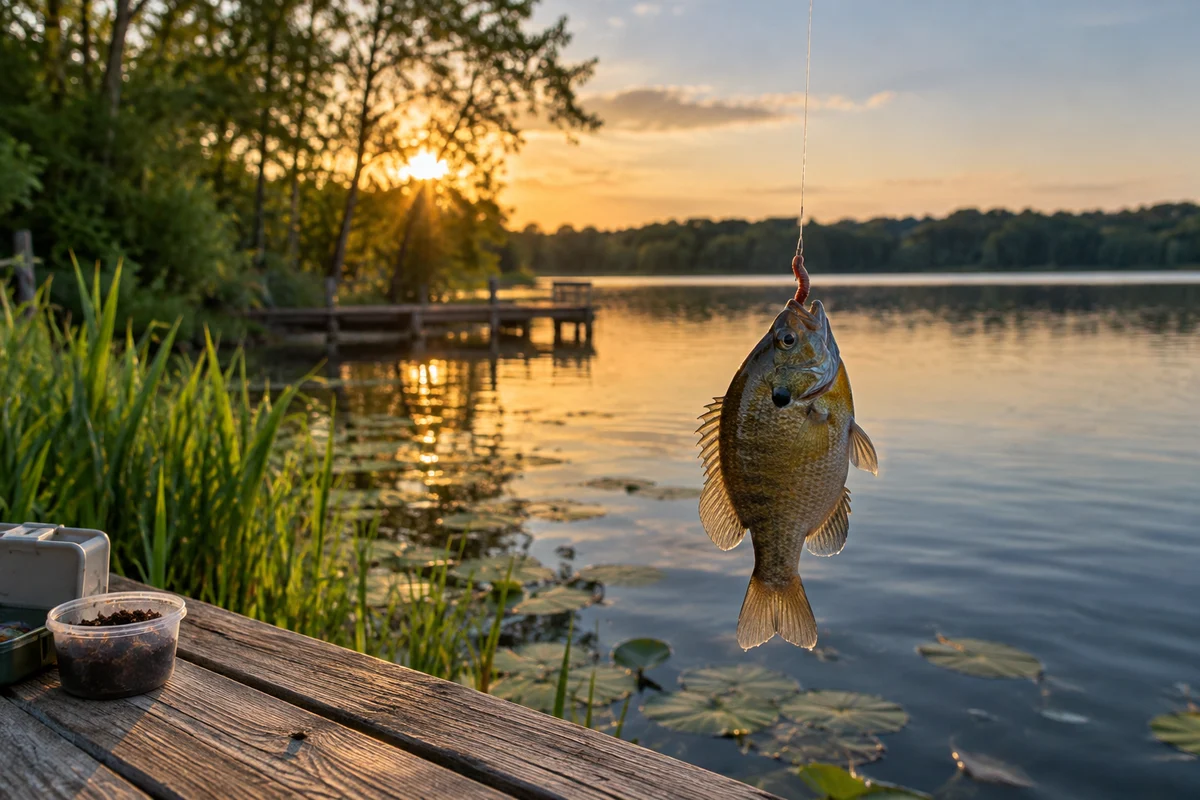
Bluegill are common in ponds, lakes, and slow-moving waters, but knowing how to catch bluegill consistently means paying attention to where they are, what they are doing, and how your presentation behaves. These fish often gather near cover or shallow feeding areas, yet their location changes with season, weather, water clarity, and fishing pressure. A simple rod, small hook, and natural bait can be enough; careful observation usually matters more than elaborate gear.
Start with a light or ultralight spinning outfit or a simple pole, a small hook, and line suited to the water and local conditions. Check regulations before fishing: seasons, size limits, daily limits, bait rules, and access restrictions vary by location. For a broader look at this family of fishing, browse the freshwater panfish hub. Bluegill share water and techniques with other panfish, so advice on crappie fishing with minnows and crappie jigs can also help you think about small presentations and depth.
Where should you look for bluegill?
Search for a combination of food, cover, and comfortable water. Bluegill feed on small aquatic organisms and insects, and they often use vegetation edges, submerged branches, docks, rocks, and other structure as shelter. In a pond, begin along a weedline or a shaded bank rather than casting at random across open water. In a larger lake, points, protected coves, and shallow bays can be useful starting places, especially when they offer cover and access to deeper water nearby.
Look before you cast. In clear, calm water, you may see fish, movement, or small disturbances near the surface. A pair of polarized sunglasses can make it easier to notice underwater edges, though visibility depends on light, water clarity, and viewing angle. Avoid trampling shoreline vegetation or disturbing nesting areas. If you find visible beds, give fish room and follow local rules for fishing and harvest; spawning behavior and regulations vary.
When a spot produces no bites, change one factor at a time. Move a few yards along the bank, cast closer to cover, or try a different depth before changing every piece of tackle. If the water is very clear or fish seem wary, stand back from the edge and make a quiet cast. In stained water, fish may rely more on nearby movement and scent, making a bait held close to cover a sensible first experiment.
How do season and conditions change the approach?
Bluegill behavior is seasonal, but there is no single calendar that works everywhere. Water temperature, latitude, depth, and weather all affect where fish feed. In warm periods, shallow vegetation and shaded edges may offer food and cover, while fish can also hold deeper during bright or hot conditions. In colder periods, look for slower, deeper areas and expect a more deliberate presentation.
Use the table as a starting framework, not a guarantee. Adjust to what the water shows you, and verify any seasonal closures or special rules with the local fisheries authority.
| What you observe | First place or adjustment to try | What to watch for |
|---|---|---|
| Warm, calm morning | Shallow cover, weed edges, or a protected cove | Bait activity and fish movement near cover |
| Bright midday conditions | Shade, docks, overhanging vegetation, or slightly deeper water | Whether bites improve after moving out of direct sun |
| Cool or changing weather | Nearby depth changes and sheltered water | A slower bite or fish holding close to structure |
| Clear water and wary fish | Longer casts, quieter movement, smaller or less obtrusive presentation | Whether fish follow but refuse the bait |
| Stained water | Keep bait close to cover and make controlled, repeatable casts | Whether fish respond to a more visible or scented natural bait |
Weather is only one clue. A sudden change in wind can push food toward a bank or make a spot difficult to fish safely. If conditions become unsafe, leave the water; catching fish is never worth taking avoidable risks.
What tackle and bait work for bluegill?
Keep the setup simple. A light rod helps detect gentle bites, while a small hook is easier for a bluegill to take than oversized tackle. Use a bobber when you want to suspend bait at a known depth and see subtle movement. A split shot can help the bait sink, but use only enough weight to get it where you want it. Tie knots carefully and inspect line for abrasion after fishing around wood, rocks, or dock hardware.
Worm pieces and other locally permitted natural baits are common choices. Small artificial lures can also work, particularly when fish are actively feeding. Match the bait to the hook so it is secure but does not bury the point. If using live bait, follow local rules for bait collection, transport, and disposal; never release unused bait into a waterbody unless regulations expressly permit it.
A bobber is not mandatory. In shallow water, a bait presented without one can land more quietly and feel more natural. If the bait sinks too quickly or reaches weeds, reduce weight or adjust the depth. If you cannot detect bites, use a visible float or keep a light touch on the line. The best arrangement is the one that presents bait at the fish's level without snagging constantly.
For anglers learning small-lure presentations, crappie jigs offer useful ideas about choosing a compact profile and controlling depth. Species differ, so treat those ideas as a starting point rather than a promise that one lure or color will work everywhere.
How do you present bait and detect a bite?
Make a short, accurate cast beside a weed edge, dock post, or other cover. Let the bait settle, then wait briefly. If nothing happens, lift the rod tip a little or reel slowly enough to move the bait without pulling it out of the likely strike zone. Bluegill bites may appear as a bobber dipping, sliding sideways, or trembling; on a direct line, you may feel a light tap or simply notice slack.
Set the hook with a controlled lift rather than a forceful swing. Small hooks and light line do not need a hard strike, and an abrupt motion can tear a hook free. If fish repeatedly nibble without taking the bait, check whether the hook is exposed, shorten the bait, or adjust the depth. If you are catching very small fish, move to another patch of cover or try a slightly different bait size instead of repeatedly casting into the same small group.
Keep the pace methodical: cast, observe, make one adjustment, and evaluate again. This helps distinguish a location problem from a presentation problem. If you catch fish at one depth, repeat that setup nearby, but stay alert to changing conditions. A school can shift, and a productive-looking spot may stop producing without warning.
What should you do after catching one?
Decide before fishing whether you plan to keep fish, and check current local limits and handling rules first. Regulations can differ among nearby waters and may change over time. If you keep fish, retain only lawful fish you intend to use and handle them promptly and hygienically. Do not assume that a familiar pond has the same rules as another waterbody.
For release, wet your hands before handling the fish, keep it out of water only as long as needed, and avoid squeezing the body or touching the gills. Use a suitable hook-removal tool if the hook is easy to reach. If a hook is deeply embedded, follow local fisheries guidance rather than causing additional injury in an attempt to retrieve it. Release the fish gently into the water and allow it to recover.
Be thoughtful around vegetation and spawning areas. Avoid damaging shoreline plants, leaving line or bait containers behind, or moving fish between waters. These small choices help protect habitat and reduce the risk of spreading aquatic nuisance species.
A simple bluegill checklist
- Confirm access, regulations, and permitted bait for the water you plan to fish.
- Start near cover, a weed edge, or a protected shallow area; note nearby depth changes.
- Use a small hook, light tackle, and bait presented at a controlled depth.
- Make quiet, accurate casts and change one variable at a time.
- Watch for subtle bites and use a gentle hook-set.
- Handle fish carefully, keep only lawful harvest, and leave the shoreline clean.
Why might bluegill stop biting?
A quiet spell does not always mean the fish have left. They may have moved deeper, become wary of repeated casts, or shifted their feeding activity. Try a nearby piece of cover, change the bait's depth, or pause before presenting again. If fish follow a lure without striking, make the next presentation smaller or slower. If bait disappears without a clear bite, check the hook and bobber position.
No single tactic guarantees a catch. Water conditions, fish behavior, access, and local rules differ, and even a promising spot can be unproductive on a particular day. The most transferable skill is to observe carefully, make modest adjustments, and treat the fish and habitat responsibly. For another perspective on adapting panfish tactics to conditions, see cold-water crappie fishing; the species and waters differ, but the value of adjusting location and presentation carries across freshwater fishing.
Frequently asked questions
What is the easiest bait to use for bluegill?
A small piece of worm on a small hook is a straightforward starting point where natural bait is allowed. Check local bait regulations before fishing.
Do I need a bobber to catch bluegill?
No. A bobber helps suspend bait at a set depth and makes subtle bites visible, but fishing without one can be useful in shallow water or when you want a quieter presentation.
Where do bluegill usually hold?
Look around vegetation edges, docks, branches, rocks, and other cover, with nearby depth changes as another clue. Their location varies with season, weather, and water conditions.
What should I check before keeping bluegill?
Confirm current local seasons, size and possession limits, and any water-specific rules. Regulations vary, so consult the relevant state or local fisheries authority.
Sources & further information
Consult these primary sources for current regulations, technical information and local guidance.