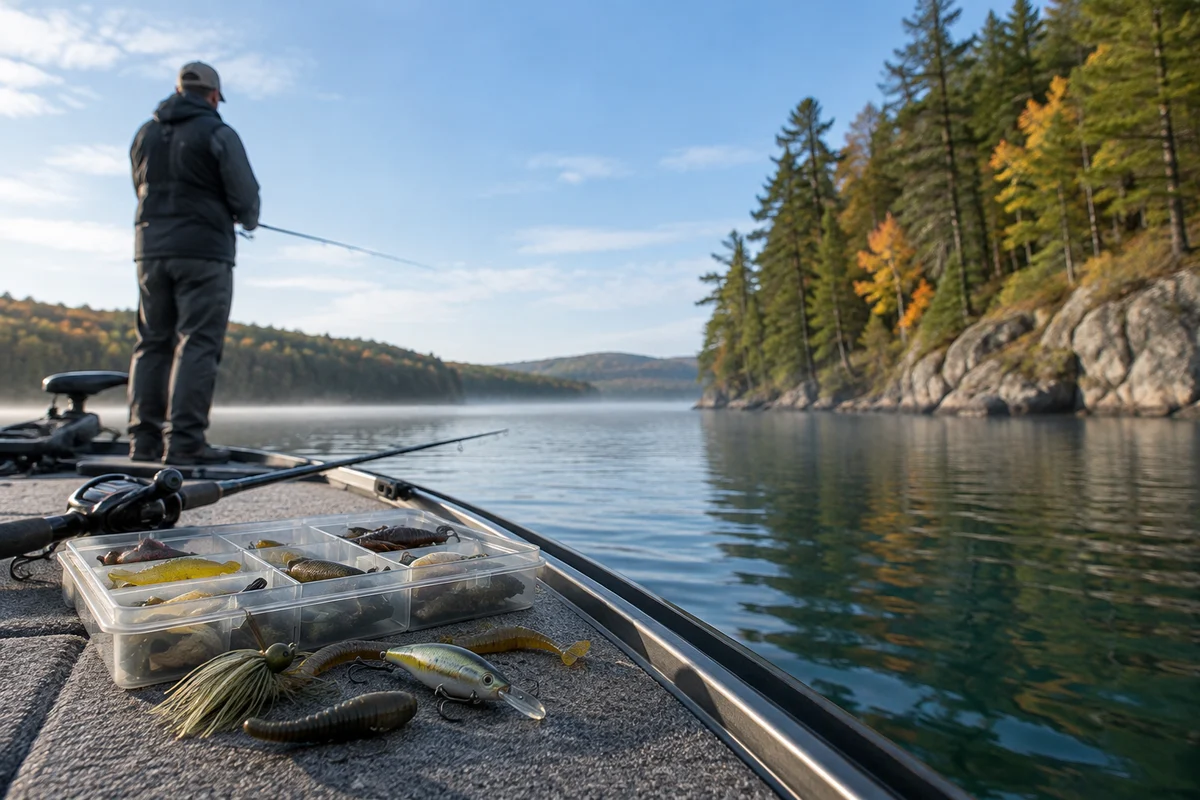
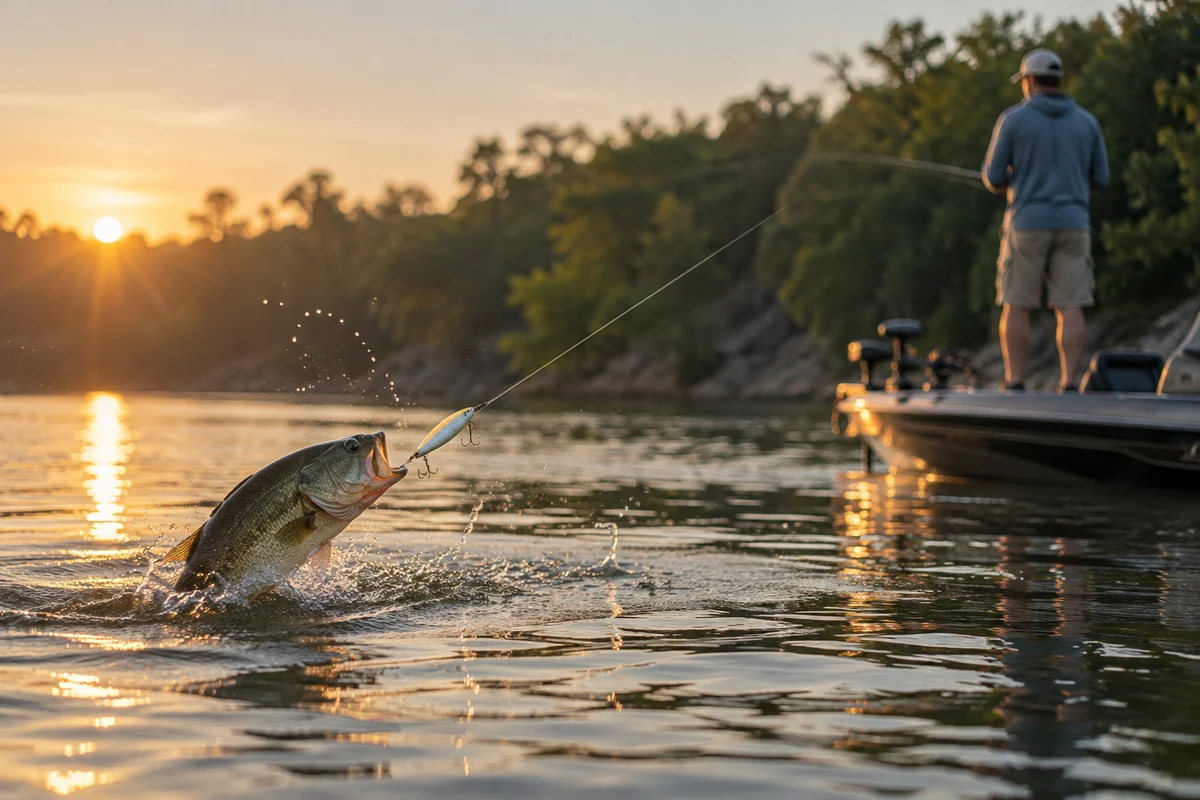
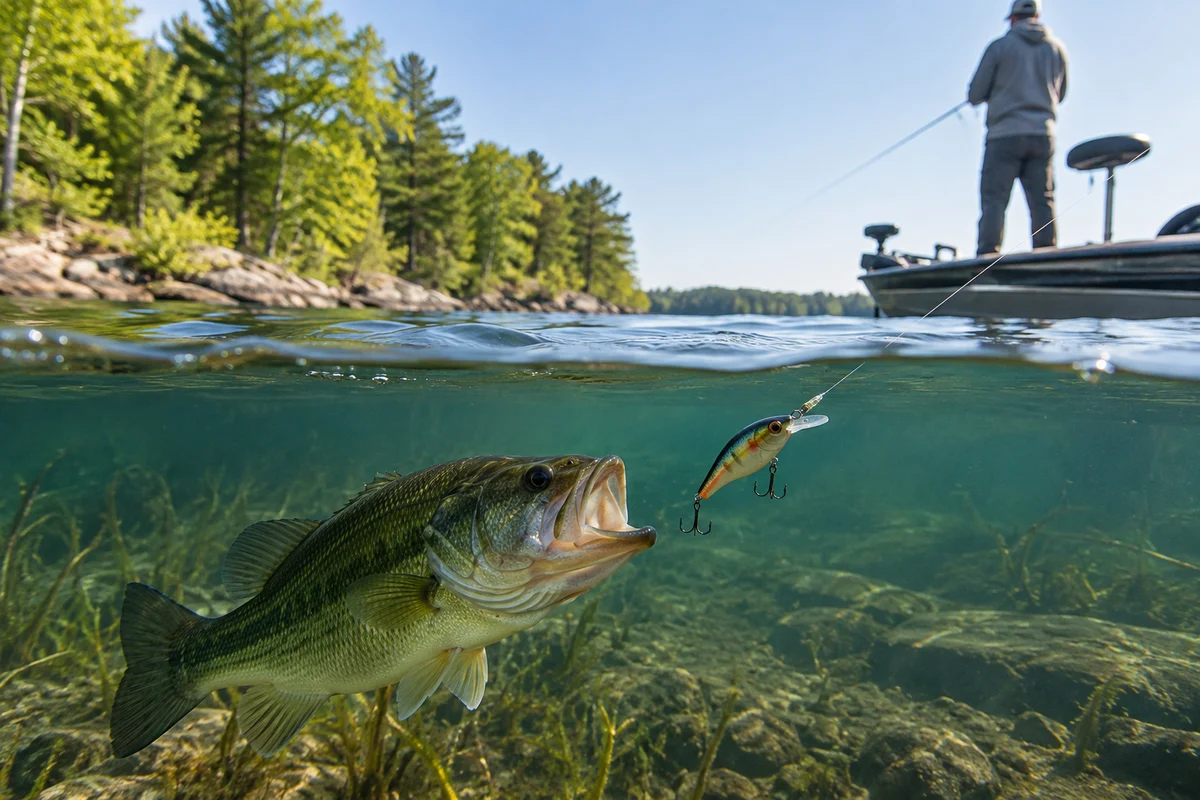
A Reliable Bass Fishing Technique for Changing Conditions
A reliable bass fishing technique is less about one lure than a repeatable process: find likely cover, control the presentation, and adjust one variable at a time. Use this guide to make thoughtful decisions when conditions change.
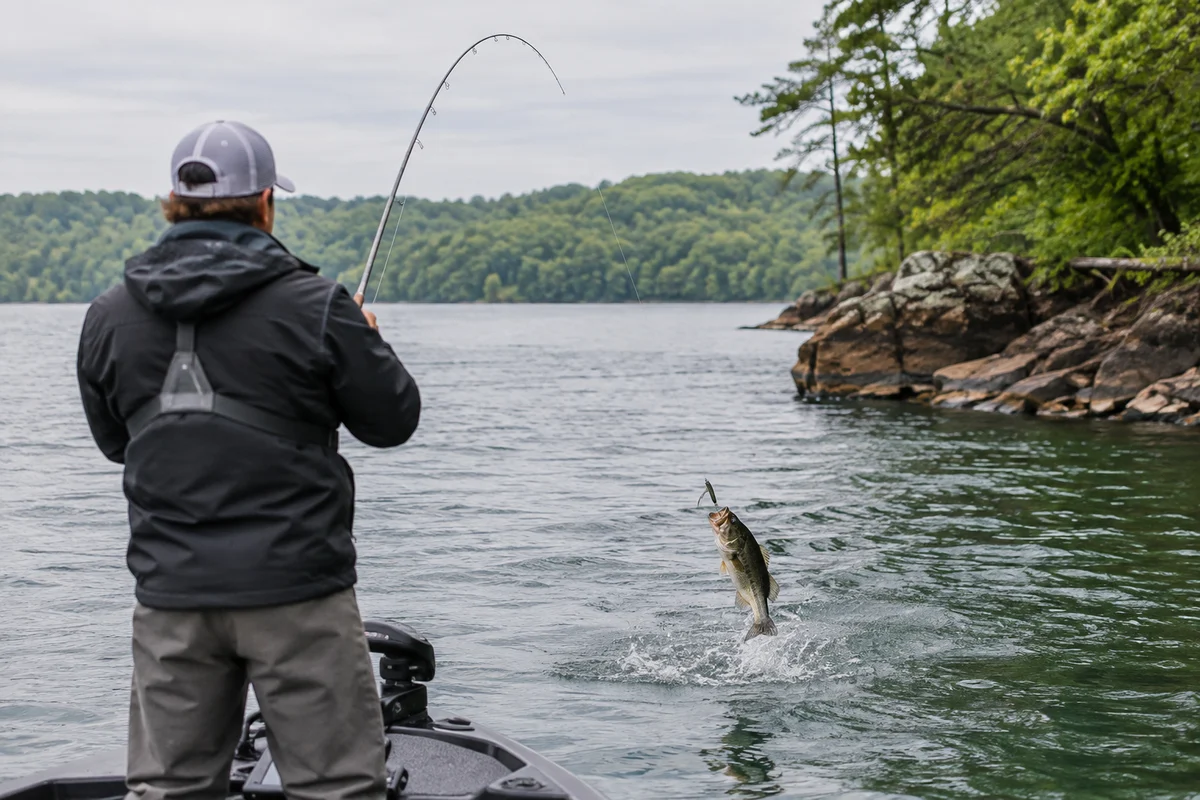
A dependable bass fishing technique starts with observation, not a particular lure. Bass move with water temperature, light, forage, season, and habitat, so a productive approach is to identify likely fish-holding places, present a bait in a controlled way, and make measured adjustments when the first plan does not work. The result is a repeatable process rather than a promise that one cast or lure will always produce.
This approach works from shore or boat and can be adapted to many lakes, rivers, and reservoirs. It is especially useful when you are unsure where to begin: choose a manageable section of water, look for cover and depth changes, and fish it methodically. If you are new to the sport, pair the process with this bass fishing for beginners guide. For an overview of the larger subject, visit the freshwater bass fishing hub.
What makes a bass fishing technique reliable?
Reliability means that a method gives you a clear way to make decisions—not that it guarantees a catch. Bass may be shallow or deep, active or reluctant, and their position can shift over the course of a day. A useful technique therefore has three parts:
- Locate plausible habitat. Look for cover, depth transitions, current seams, or nearby forage.
- Make a controlled presentation. Put a lure where fish might be and move it at a pace you can repeat.
- Change one thing at a time. If there is no response, adjust location, depth, speed, or lure style in a deliberate order.
The discipline matters. Changing lure, color, location, and retrieve all at once makes it difficult to learn what the conditions call for. A few consistent casts through a defined zone can tell you more than a rapid sequence of random changes.
Start by reading the water
Before choosing a lure, note the conditions you can observe: water clarity, wind, sunlight, current, visible vegetation, shoreline shape, and access to deeper water. These clues are imperfect, but they help narrow the search.
Cover gives bass a place to ambush prey or avoid exposure. It can include submerged vegetation, docks, laydowns, rocks, or other structure. A point, channel edge, drop-off, or creek arm may create a depth transition that fish use as they move. In flowing water, current breaks and seams can offer a place to hold while nearby water carries food past.
Look for combinations rather than isolated features. A patch of vegetation near a depth change, for example, may be a more useful starting place than a featureless stretch of bank. Conditions and local habitat differ, however; a feature that holds fish on one waterbody may be unimportant on another.
On a new shoreline, divide the area into short sections. Pick one likely target, make several casts that cover different angles, and then move to the next. From a boat, avoid running over the exact area you intend to fish if you can approach from a distance. From shore, choose safe footing and do not enter unstable banks or private property.
Choose a presentation you can control
A soft plastic is a flexible starting point because it can be presented at different depths and speeds. A weightless worm can fall slowly through shallow cover; a weighted rig can reach deeper water or maintain contact with the bottom. The appropriate rig depends on cover, depth, line, and local rules. For a practical overview of options, see plastic worm rigs for bass.
The goal is not to copy a single setup. Use tackle suitable for the place you are fishing and for the fish you may encounter. Check your rod, reel, line, hook, and knots before fishing; damaged line or a poorly seated knot can fail. Hooks are sharp, so handle them carefully, keep them away from others, and use appropriate tools when removing a deeply set hook.
Make the first presentation straightforward. Cast beyond or beside the target when possible, let the lure reach the intended depth, then retrieve it with a repeatable motion. A slow lift-and-fall, a steady swim, or a controlled drag can each be appropriate in different conditions. Keep enough contact to notice a change, but do not assume every tap is a fish. Vegetation, rock, and current can all transmit sensation through the line.
A bite may feel like a tick, added weight, a sudden slack line, or a movement that does not match the lure’s fall. If you suspect a fish, respond in a controlled manner appropriate to your hook and tackle; avoid violent, indiscriminate strikes that could injure fish or damage equipment. Practice and familiarity help distinguish contact from ordinary cover.
Use a simple adjustment framework
When a likely spot produces no response, work through a short decision sequence. The order below helps isolate the problem without requiring a different lure after every cast.
| What you observe | First adjustment | What to learn |
|---|---|---|
| Fish may be present, but your bait passes above or below cover | Change depth or fall time | Whether fish are positioned at a different level |
| The bait reaches the zone but moves too quickly | Slow the retrieve or pause briefly | Whether a less hurried presentation gets noticed |
| Clear water and bright conditions | Try a more subtle approach or a different angle | Whether fish respond better to a less conspicuous presentation |
| Wind or current makes contact difficult | Shorten the cast, change angle, or use a presentation you can control | Whether better line control improves contact |
| Several careful presentations get no response | Move to a nearby feature or depth change | Whether fish are elsewhere rather than unwilling to bite |
These are starting points, not rules. Water clarity, forage, weather, and fishing pressure vary, and no table can replace observation. Avoid changing every variable at once. If you first slow down, keep the same target and lure; if that does not help, then test another depth or nearby location.
Match the method to the conditions
Clear water: Fish may see a lure from farther away, and a careful approach can matter. Make longer casts when practical, avoid unnecessary noise, and consider a restrained retrieve. Do not assume that clear water always calls for a small lure; local forage and depth still matter.
Stained or low-visibility water: A lure that creates a noticeable profile or vibration may be easier for fish to locate, but the best choice depends on available forage and the fish’s activity. Work likely cover deliberately and keep the presentation close enough to the target to be relevant.
Wind: Wind can make boat control and line management harder, yet it may also disturb the surface and push food toward a shoreline or point. If the wind prevents you from feeling the lure or placing casts safely, move to a protected area. Safety takes priority over fishing a promising bank.
Changing temperature and season: Bass behavior shifts with season and local conditions, but calendar labels alone are not a reliable location tool. Pay attention to water temperature trends if you have a dependable reading, nearby depth, and signs of forage. Treat seasonal patterns as hypotheses to test, not guarantees.
Vegetation and wood: A lure that moves cleanly through cover can reduce snags, while a slower presentation may keep it in a likely strike zone longer. Choose tackle appropriate to the cover and your ability to land and release fish responsibly. Do not pull hard against a snag if doing so could break line and leave tackle in the water.
If fish appear to be chasing bait near the surface, a moving presentation may help you cover water. When the surface is quiet, a slower approach near cover or a depth change may be more informative. One related option is swimming jigs for bass in cooling water, though its seasonal context should be treated as a starting point rather than a universal prescription.
Keep a short fishing log
A compact record can turn scattered outings into useful information. Note the date, general area, weather, water clarity, approximate depth, cover, lure style, and whether you saw or caught fish. Record what happened without exaggeration; an uneventful session is still evidence about where and how you looked.
Use the notes to compare conditions over time. If a particular type of cover repeatedly produces signs of activity under similar light or water conditions, it may deserve another visit. If a pattern fails on a different waterbody, do not force it: habitat, forage, access, and regulations differ. A log is a learning aid, not a scientific survey or a guarantee of future results.
A practical checklist for the next outing
- Check local fishing regulations, seasons, license requirements, and any special rules for the waterbody.
- Look up weather and water conditions; wear a properly fitted personal flotation device when boating.
- Inspect line, knots, hooks, and tackle before making the first cast.
- Choose one section of water and identify two or three plausible targets.
- Make controlled presentations at a consistent depth and pace before changing variables.
- If there is no response, adjust one factor—depth, speed, angle, or location—then observe the result.
- Handle fish with wet hands when possible, minimize time out of water, and follow local harvest or release rules.
- Record the conditions and what you learned, not just whether you caught a fish.
Common mistakes that make fishing harder
Changing too much too quickly. Constantly switching lures makes it difficult to identify a useful pattern. Give a sensible presentation enough time to cover a target, then make a deliberate change.
Fishing only visible cover. Visible structure is easy to notice, but fish may also relate to submerged vegetation, depth transitions, current, or forage. Pay attention to the whole area around a target.
Using a retrieve you cannot feel. If wind, slack line, or current prevents you from understanding what the lure is doing, adjust your angle or position. A technically sophisticated presentation is not useful if you cannot control it.
Assuming a seasonal rule always applies. A broad seasonal pattern may help form a hypothesis, but weather and water conditions can alter fish location. Let the water in front of you guide the next decision.
Ignoring safety and local rules. Conditions can change quickly, especially on open water. Check regulations before fishing, respect closures and property boundaries, and use suitable safety equipment. State and regional agencies are the authoritative source for local rules.
The dependable part is the process
The most reliable bass fishing technique is a repeatable way to learn from each cast. Identify a plausible place, make a controlled presentation, and adjust one variable at a time. Sometimes that process leads to a fish; sometimes it tells you to move, change depth, or return under different conditions. Either outcome is useful because it replaces guesswork with observation.
No presentation works everywhere, and this guide cannot identify the rules or conditions of every lake. For current local regulations and fishery information, consult the relevant wildlife agency. Respect the water, handle fish carefully, and treat each outing as a chance to understand a little more about the habitat you are fishing.
Frequently asked questions
What is a reliable bass fishing technique for beginners?
Choose a likely target such as cover near a depth change, use a presentation you can control, and adjust one factor at a time if fish do not respond.
How long should I fish one bass spot before moving?
There is no fixed time. Make enough controlled casts to cover the target from useful angles; if you cannot identify a response, test a nearby feature or depth.
Should I change lures when bass are not biting?
First consider depth, retrieve speed, and casting angle. Change lure style after a deliberate adjustment fails, so you can learn which factor mattered.
Does this bass fishing technique work in every season?
The process can be used year-round, but fish location and activity change with local conditions. Treat seasonal patterns as clues, not guarantees, and check local regulations.
Sources & further information
Consult these primary sources for current regulations, technical information and local guidance.