Do Bass See Color? What Anglers Should Know
Bass can detect color, but the colors they see depend on light, water clarity, and viewing conditions. Here’s how to make sensible lure choices without treating color as a magic formula.
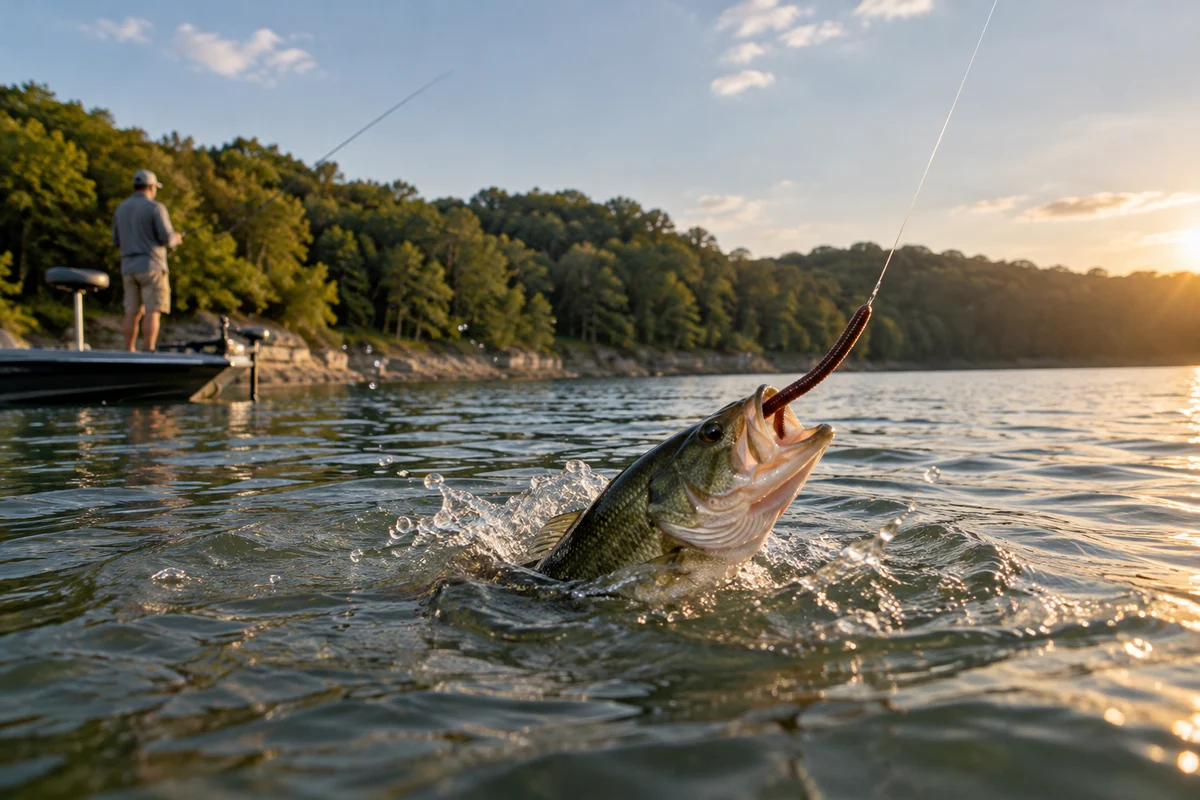
Bass anglers often ask, “do bass see color?” The practical answer is yes: largemouth and smallmouth bass can distinguish at least some colors, but their view is not identical to ours, and it changes with the light and water between fish and lure. That makes color a useful adjustment—not a guarantee of bites and not a reason to ignore depth, movement, or presentation.
For anglers, the most reliable approach is to think in terms of visibility and contrast. A lure’s color matters only insofar as a bass can detect it against the background, and no single color is best in every lake, season, or situation. Start with water clarity and available light, make a straightforward choice, and change one variable at a time if fish are following or striking short.
What colors can bass see?
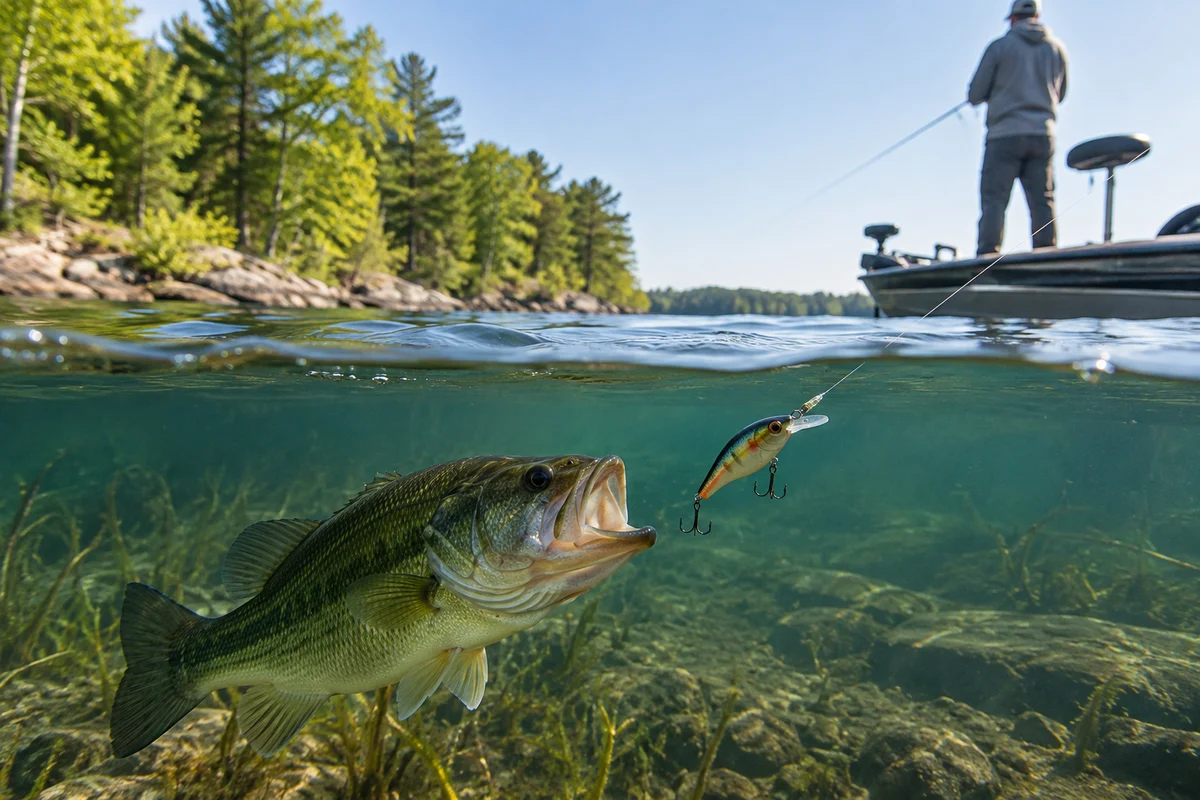
Bass have eyes and visual systems adapted to finding prey in aquatic environments. Research on fish vision supports the broad conclusion that many fish, including bass, can perceive color, though their sensitivity differs from human vision. A fish’s view depends on the wavelengths of light that reach it, the properties of its eye, and the conditions in the water.
It is tempting to turn this into a rigid chart—one color for one water condition—but biology and fishing conditions are more complicated. Water absorbs and scatters light; depth reduces the amount of light available; suspended particles and algae alter clarity; and the sun’s angle changes illumination. A lure that appears vivid at the surface may look muted several feet down. The fish also sees the bait against whatever lies behind it, not against a white product-photo background.
So, “bass see color” does not mean bass see every shade as we do or choose prey by color alone. Shape, motion, vibration, size, and the lure’s contrast with its surroundings all contribute to detection and response.
How water clarity and light affect lure color
Clear water and bright conditions: A bass may have a better opportunity to inspect a lure at close range. Natural-looking patterns can make sense when fish are wary or feeding on familiar prey, but there is no need to match a forage pattern perfectly. A subtle difference in profile or action may matter as much as the paint.
Stained water: Reduced visibility makes contrast useful. A bait that stands out from the background can be easier to locate, especially when it is moving. “Stand out” is relative: a dark silhouette can contrast against a bright surface, while a brighter or more reflective lure may be more visible in other viewing directions.
Very muddy water or low light: The bass’s view is constrained, so a strong silhouette, noticeable movement, or vibration may help it find the bait. Color still exists as a property of the lure, but less light and shorter visual range can make fine color distinctions less important than detection at all.
These are starting points, not rules. A fish looking upward may see a lure against the sky or surface; a fish looking down may see it against the bottom. A lure’s position, depth, speed, and angle can change its apparent brightness and contrast. If you want a more complete foundation for making those choices, our bass fishing for beginners guide covers the basic decisions involved in finding and presenting a bait.
A practical color-selection framework
Use this quick framework before changing lures. It keeps the decision grounded in what a fish can plausibly detect rather than in a long list of supposedly universal color codes.
| Conditions you observe | First color direction to try | What to pay attention to |
|---|---|---|
| Clear water, good light | Natural or subdued pattern | Whether fish follow without committing; consider a smaller or less conspicuous presentation |
| Lightly stained water | Moderate contrast, such as a two-tone pattern | Whether the lure remains visible at the depth you are fishing |
| Muddy water or overcast light | Strong contrast or a noticeable silhouette | Pair visibility with movement, vibration, or a slower pass near cover |
| Changing light or mixed clarity | Start with a dependable, easy-to-track option | Reassess after moving locations or changing depth rather than assuming the lake is uniform |
The terms “natural,” “bright,” and “dark” are relative to the bait and surroundings. A dark lure is not automatically more visible, and a bright lure is not automatically easier for a bass to identify. Consider the background from the fish’s likely viewing angle and how much light reaches the lure.
A simple decision sequence helps:
- Estimate visibility. Look at the water, but remember that surface appearance does not perfectly describe conditions at depth. Note whether the bottom is visible and whether particles or algae cloud the water.
- Choose a contrast level. Begin with a natural presentation in clear conditions or a more distinct silhouette when visibility is limited. Treat that as a test, not a law.
- Keep the presentation appropriate. Use a lure and retrieve that suit the depth, cover, and fish activity. Color cannot make a bait effective if it is passing far from the fish.
- Change one thing at a time. If there is no response, first consider location and depth; then adjust speed, profile, or color. When you change everything at once, it is difficult to learn what helped.
- Let evidence from the day update your choice. A follow, missed strike, or repeated bite can be more useful than a color rule borrowed from a different lake.
Does bass vision make some colors “best”?
There is no dependable universal winner. Anglers may have favorite colors, and certain combinations can be productive in familiar conditions, but an anecdotal success does not establish that bass universally prefer that hue. Fish behavior varies with prey, habitat, pressure, season, and the way a lure is presented.
Color is also only one part of a lure’s appearance. A soft plastic may show a different profile from a hard bait; a moving bait may flash as it turns; and a lure near vegetation may blend in or stand out depending on its angle. If a fish tracks a bait but does not strike, try a change in speed, size, pause, or depth before concluding that the color alone was wrong. For a related look at how bait shape and presentation work together, see our guide to plastic worm rigs for bass.
For moving presentations, action can be especially important. A swimming jig, for example, combines a visual profile with motion through cover. Our article on swimming jigs for bass discusses that presentation; color is one choice within the larger setup, not a substitute for putting the lure where fish are feeding.
What anglers can and cannot infer
A bass’s strike does not prove it identified a lure’s exact color. It may have reacted to motion, silhouette, vibration, or an opportunity to feed. Likewise, a quiet period does not prove a color is invisible or disliked. Fish may not be present, may be inactive, or may not encounter the lure at the right depth.
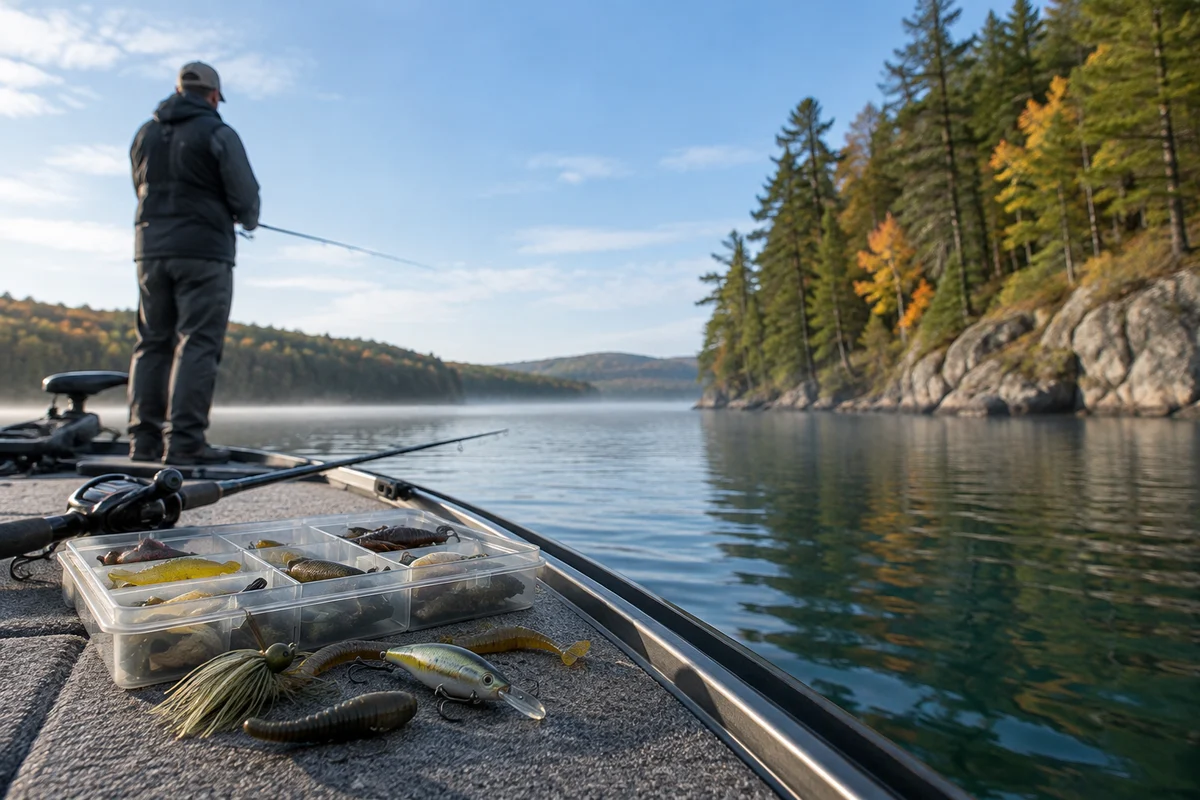
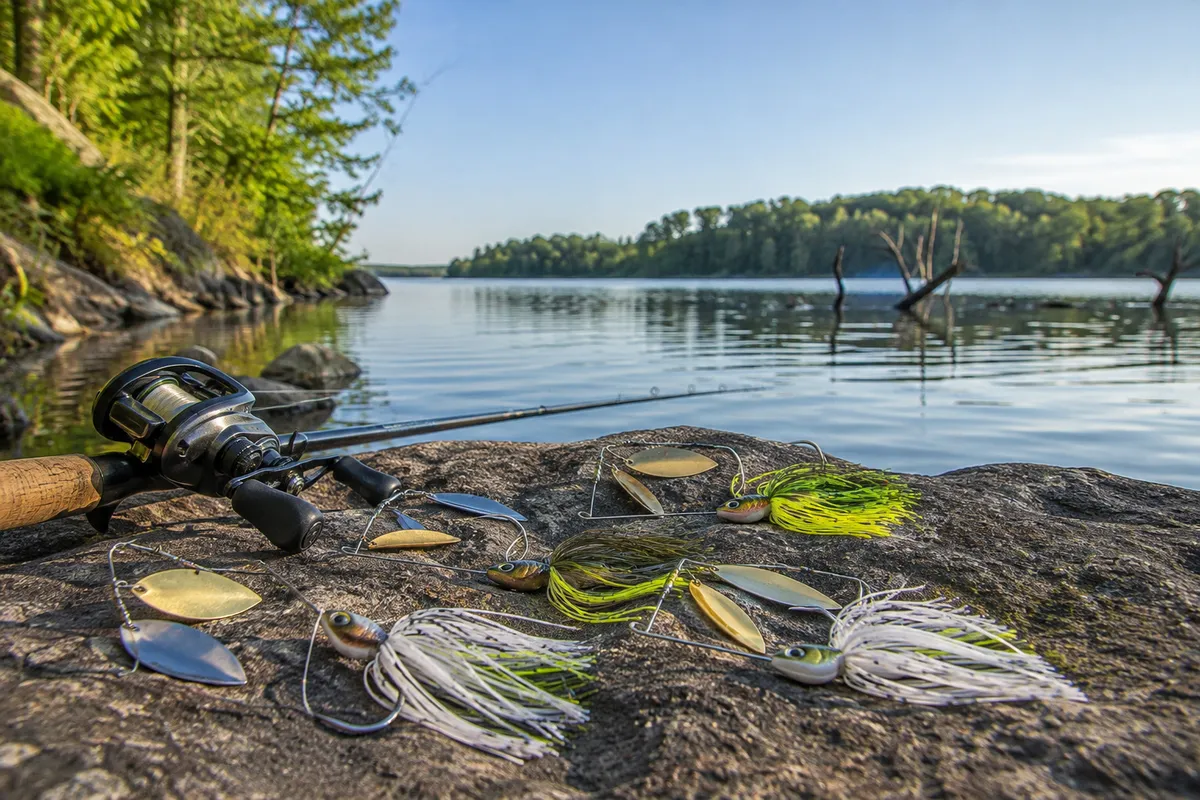
Human color labels can obscure important differences. Two lures both called “green pumpkin,” for instance, may differ in translucence, fleck, finish, and how much light they reflect. Their appearance changes with illumination and water, too. Comparing color names across manufacturers is therefore less precise than comparing the actual contrast and profile you can observe.
Keep a brief fishing note if you want to learn local patterns: record water clarity as you perceived it, sky and light, depth, cover, lure profile, retrieve, and whether you had follows or strikes. These observations do not create a controlled experiment, but repeated notes can help you make better decisions on similar outings. Avoid treating one catch as proof of a universal color preference.
The bottom line on bass and color
Bass can see color, but their perception is shaped by the light and water, and anglers cannot reduce the subject to a single best-color chart. Begin with a sensible contrast choice, then pay at least as much attention to where the lure travels, how it moves, and whether fish are responding. When conditions change, reassess rather than clinging to a favorite.
The most useful color strategy is a flexible one: make a clear first choice, observe what happens, and adjust deliberately. That keeps color in its proper place—as one practical tool in a broader approach to bass fishing.
For more, explore our bass fishing fishing freshwater guides.
Frequently asked questions
Do bass see color?
Yes. Bass can perceive color, though their visual sensitivity differs from humans and the light and water affect what reaches their eyes.
What color lure is best for bass in clear water?
A natural or subdued pattern is a reasonable starting point, but no color is universally best. Depth, presentation, prey, and fish activity matter too.
Should I use dark lures in muddy water?
A strong silhouette can be easier to detect in limited visibility, but darkness is not a guarantee. Consider background, light, movement, and retrieve.
Can bass see lure colors at night?
Color distinctions generally depend on available light. In very low light, contrast, silhouette, and movement may matter more than fine color differences.
Sources & further information
Consult these primary sources for current regulations, technical information and local guidance.