World Record Wiper Fish: What Counts as a Record?
A “world record wiper fish” claim depends on more than an impressive catch: species identification, record category, evidence, and the rules of the record-keeping body all matter. Here is how to assess a claim and document a potential record responsibly.
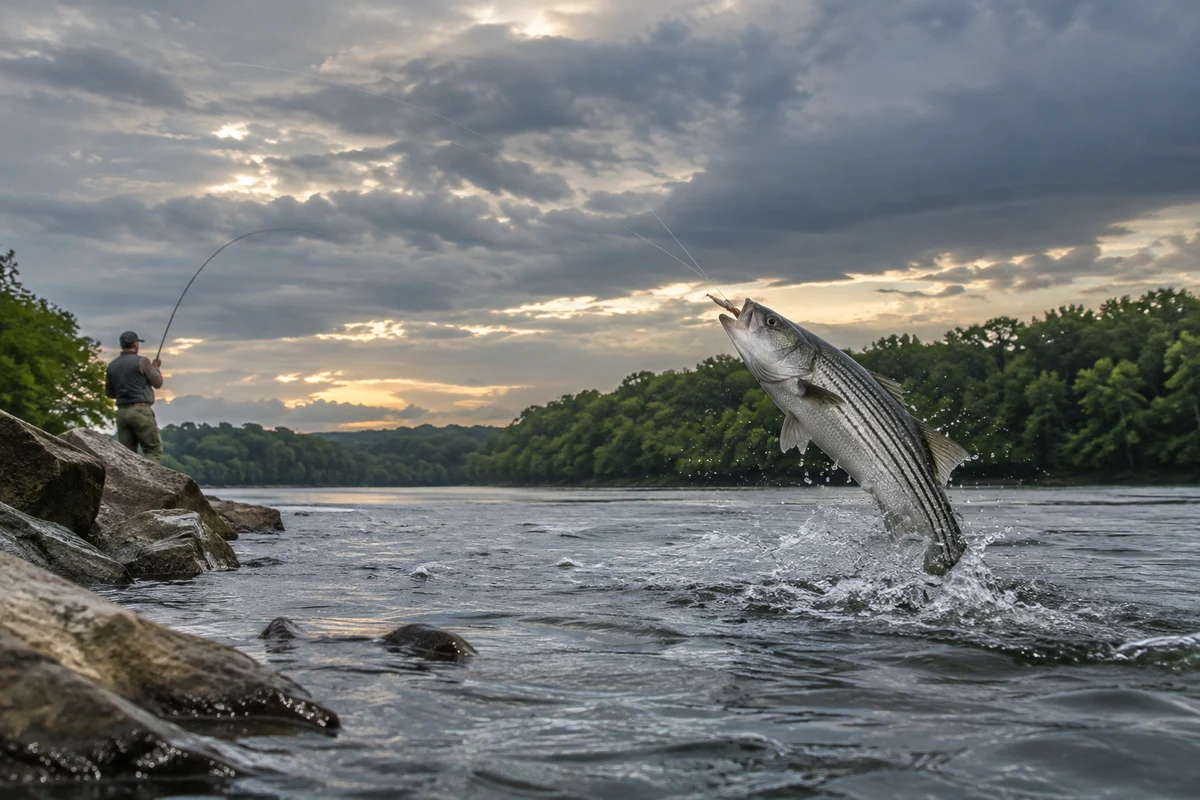
The phrase world record wiper fish sounds straightforward, but a record claim depends on what fish was caught, which record category applies, and whether the documentation meets the organization’s rules. A wiper—also called a hybrid striped bass—is generally a cross between striped bass and white bass. That hybrid identity matters: a fish that looks unusually large is not automatically eligible for a striped-bass, white-bass, or hybrid record.
Anglers looking into an Ohio hybrid striped bass record should separate three questions: What species or hybrid is it? Which record list is being consulted? And what proof does that list require? Without those answers, a large catch or a headline cannot establish a recognized world record.
What is a wiper, and why does identification matter?
“Wiper” is a common name for hybrid striped bass, typically produced by crossing striped bass with white bass. The fish may show traits associated with both parent species. Appearance alone can be difficult to interpret, especially for an angler unfamiliar with the fish or when a photograph lacks useful detail. A reliable identification may require examination by a fisheries professional or the relevant record authority.
Do not assume every striped-looking bass is a wiper. Striped bass, white bass, and hybrid striped bass are distinct record possibilities, and the correct category is central to any application. If identity is uncertain, preserve clear photographs of the fish’s sides, head, fins, and overall shape, and contact the record organization or a fisheries agency before making a public claim.
A comparison with other bass records also illustrates why categories matter. A largemouth record cannot be compared directly with a hybrid striped bass record simply because both fish are called bass. For a separate look at species-specific records, see how the biggest largemouth bass ever caught is discussed. The fish’s identity and the rules of the category—not a broad label—define what the record means.
Does “world record” mean one official list?
Not necessarily. “World record” may refer to a record maintained by a recognized organization, a state or national record, a specific fishing method, or an informal claim repeated online. Different record keepers may use different categories and documentation standards. A claim is meaningful only when it names the authority, the category, and the verification status.
The International Game Fish Association (IGFA) maintains record programs with defined application requirements and categories. Its current rules and records are the place to check whether a hybrid striped bass category is listed and what evidence a particular application needs. Do not infer eligibility from a record for a related species, nor treat an unverified social-media post as an approved record.
State records answer a different question: whether a fish qualifies under that state’s program and rules. For an Ohio claim, consult the Ohio Department of Natural Resources’ current fishing and record information directly. Rules, categories, and application procedures can change; an old article or a copied list may not reflect the current process. A state record does not automatically establish a world record, and the reverse is not guaranteed either.
How can an angler verify a claimed record?
Start with the source of the claim. Look for an official record listing or application decision, not just a news headline, a photograph, or a statement that a fish was “record-sized.” Then confirm the fish category, location, date, measurement method, and whether the record is approved, pending, or merely submitted. If any of those details are absent, describe the catch as a claim rather than a confirmed record.
A useful verification sequence is:
- Identify the organization said to recognize the record, then read its current rules.
- Confirm the exact category: hybrid striped bass, a state record, an all-tackle listing, or another defined class.
- Check whether the fish’s identification and catch details are documented in the way that organization requires.
- Search the organization’s official records or ask its staff about an application’s status.
- Distinguish an approved entry from a pending application, a local distinction, or an unverified report.
Use the same care when comparing fisheries. A white bass caught at Carlyle Lake, for instance, belongs in a different species discussion than a hybrid striped bass; see this overview of white bass at Carlyle Lake. Regional names and casual descriptions can blur categories, but record programs rely on defined identities.
What should you document when a fish might qualify?
Before releasing a fish, check the applicable record organization’s current instructions. Requirements can differ, so this is not a substitute for its official application checklist. In general, clear records help an authority evaluate a claim: photograph the fish from multiple angles, include a scale or other reference only as permitted, record the catch circumstances, and note where and when it was caught. Avoid altering images or relying on memory for measurements.
If a record depends on a certified scale, use the type of scale and verification process specified by the record keeper. Keep any required witness information and receipts or scale documentation. Do not assume that a household scale, an estimated weight, or a photo-based guess will meet formal standards. Follow the record body’s handling and submission rules, including any deadlines or required forms.
Fish welfare still matters. If you intend to release the fish, prepare cameras and measuring tools before lifting it from the water, keep handling brief, and return it carefully when safe and lawful. If a record application requires keeping the fish, understand the applicable regulations and the organization’s process before deciding; never retain a fish in violation of local rules. Consult state fishery guidance when regulations or identification are unclear.
How do regulations and conservation affect a record attempt?
Record recognition and fishing legality are separate matters. A fish may be impressive but not eligible for harvest under local rules, or a record application may require evidence that the catch complied with those rules. Check current season, size, possession, and reporting requirements from the relevant state agency before fishing or retaining a fish. A record listing is not a fishing permit and does not override regulations.
Hybrid striped bass are managed within particular fisheries, and local conditions differ. Stocking, harvest rules, and the presence of related species can vary by water body and jurisdiction. For that reason, avoid applying one state’s rules to another lake or assuming that a familiar common name settles identification. The U.S. Fish and Wildlife Service provides broad information about fisheries and aquatic resources, while state agencies are the practical source for local rules.
For more freshwater bass coverage, visit the ODU Magazine bass-fishing hub. The central lesson is simple: treat “world record” as a verifiable category, not a size adjective. Identify the fish, name the record authority, check its current standards, and report the result precisely—confirmed, pending, or unverified.
Frequently asked questions
Is there one universally accepted world record wiper fish?
Record recognition depends on the organization and category. Check the current official records and rules of the named record keeper; do not assume a related striped bass or white bass listing applies to a hybrid.
How can I check an Ohio hybrid striped bass record?
Consult the Ohio Department of Natural Resources’ current fishing and record information, then confirm the category and status directly with the state program. Old articles or unofficial posts may not reflect current rules.
What should I do if I catch a possible record wiper?
Before handling or retaining the fish, review the record organization’s current requirements and local regulations. Document the catch clearly, preserve identification evidence, and submit only the details and measurements the authority requests.
Sources & further information
Consult these primary sources for current regulations, technical information and local guidance.