Jackall Ishad: How to Choose and Fish This Soft Bait
A practical guide to matching the Jackall Ishad soft bait to bass conditions, choosing a rig, and making controlled adjustments when fish do not respond. Check the exact package or manufacturer listing for model-specific details.
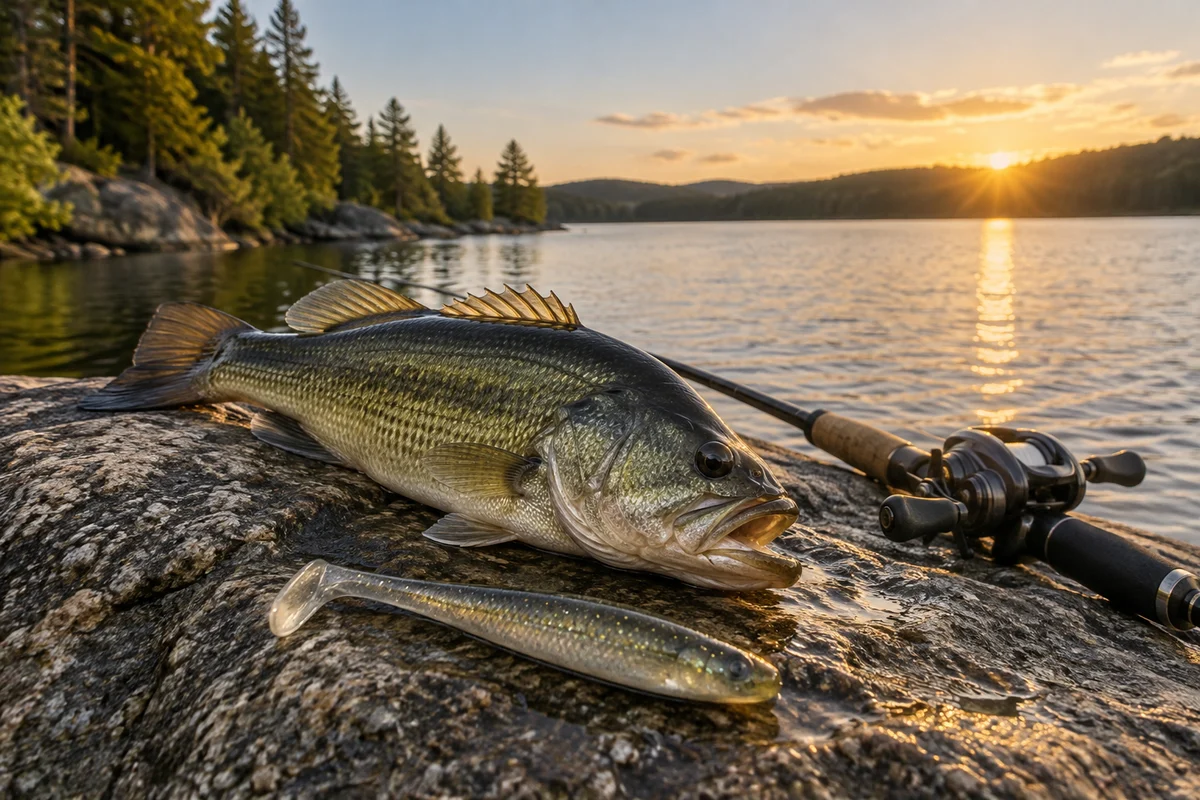
The Jackall Ishad is a soft-plastic bass bait best approached as a flexible presentation rather than a one-purpose lure. The name is often written “I-Shad,” but product versions and details can differ; confirm the exact model, size, and recommended setup on its packaging or the manufacturer’s current product information. The useful question on the water is how to present a soft bait naturally at the depth and pace bass are using—not how to force one rig into every situation.
This guide covers selection, rigging, retrieve, and common adjustments without assuming model-specific dimensions or action. For more regional bass context and related techniques, browse the freshwater bass fishing hub.
What kind of bass presentation does the Ishad suit?
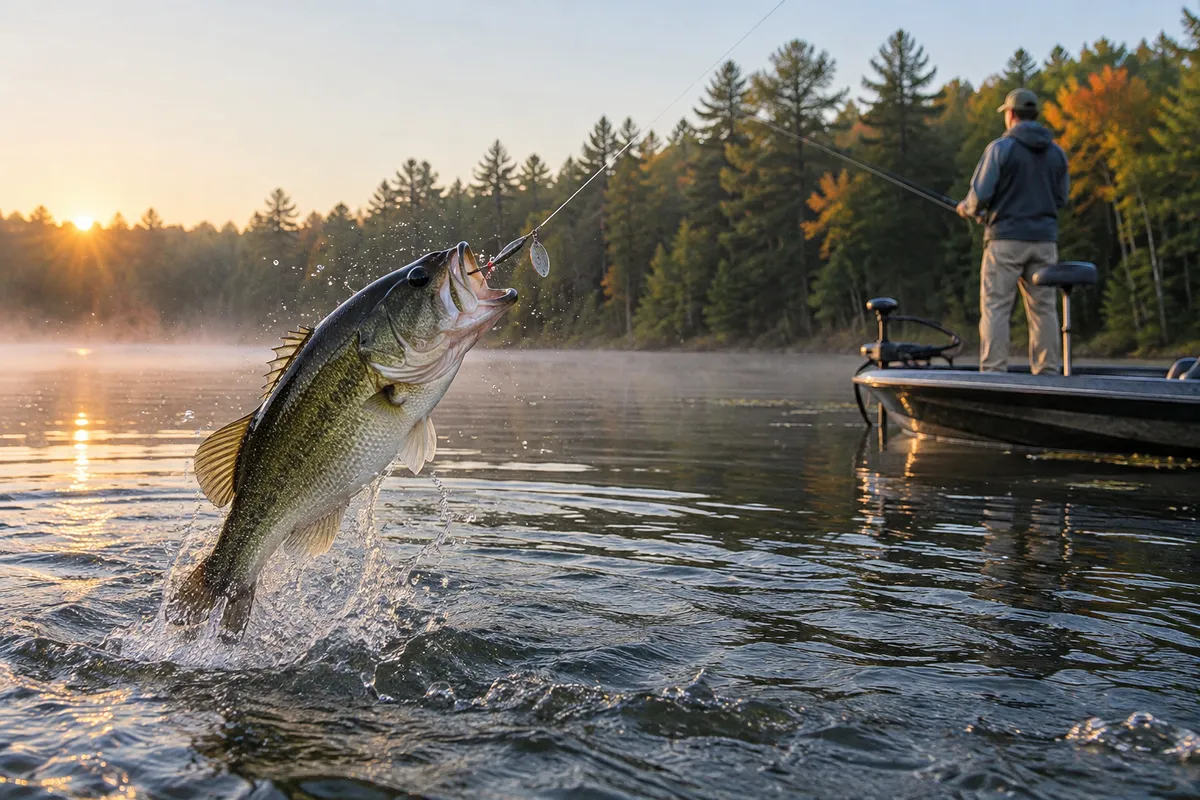
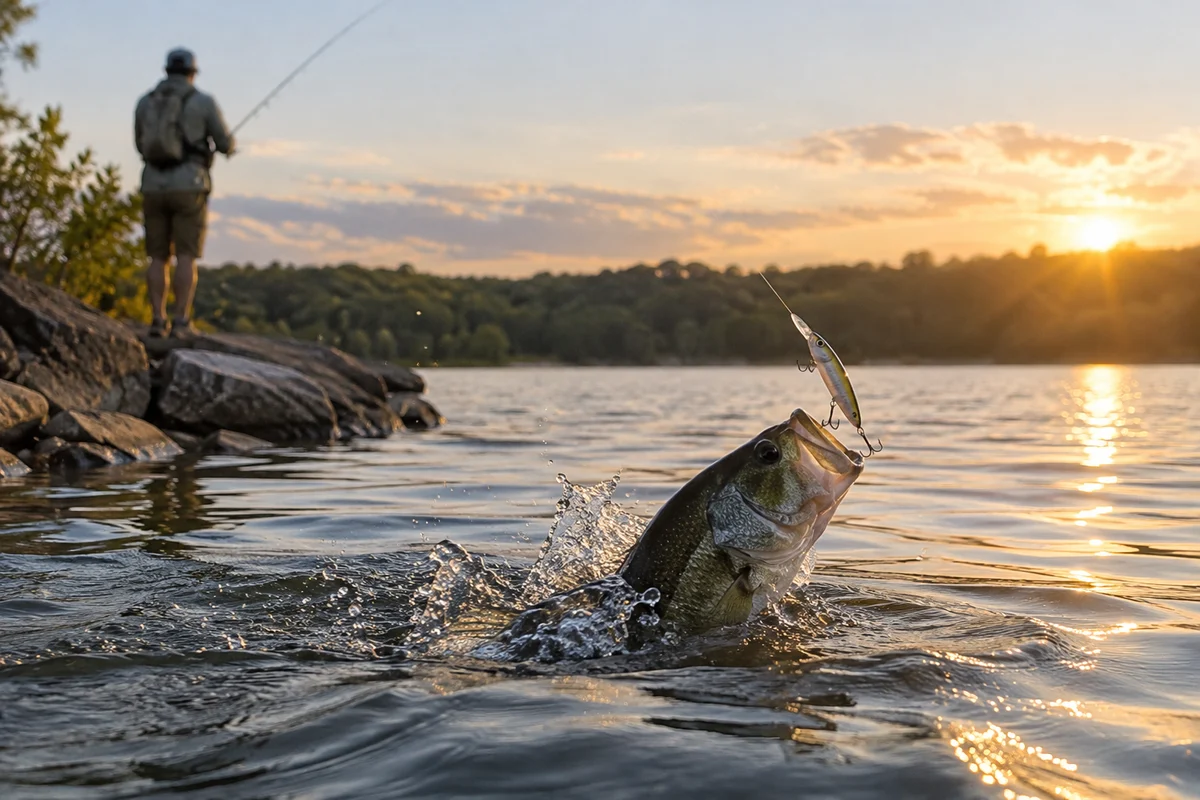
Think of the Ishad as a soft-plastic option for a controlled, relatively subtle presentation. Soft baits are useful when you want to work a target slowly, keep a lure near a chosen depth, or vary its movement with small rod and line inputs. Those strengths make a baitfish-style soft bait worth considering around isolated cover, edges, and open-water areas where bass are feeding on small forage. They do not guarantee a bite, and the best choice depends on the bait’s exact shape and the local conditions.
Start by inspecting the bait rather than relying on a name alone. Note its overall profile, tail shape, flexibility, and any molded features. Look at the package for the model name and recommended hook or rigging notes. If the bait is a slim, minnow-like profile, a light, measured presentation may make sense; if its design differs, follow the model’s actual shape and instructions instead of assuming it behaves like another soft jerkbait.
Match the profile to the forage you can reasonably observe, but avoid treating a brief glimpse of baitfish as a precise color or size formula. Water clarity, light, depth, and the fish’s activity all affect visibility and response. A natural-looking color can be a sensible starting point in clear water, while greater contrast may help in reduced visibility. Make one change at a time so you can tell whether the adjustment matters.
How should you choose a rig?
Choose the rig according to where the fish are and how you need the bait to travel. A hook matched to the bait’s body can allow a direct, simple presentation; a weighted option can help reach deeper water or maintain contact with a chosen zone. Hook size and style should suit the particular bait and local rules. Avoid forcing a hook through a narrow section or placing it where it prevents the bait from sitting straight, since a kinked soft plastic may move unnaturally.
A wacky-style presentation is one possible approach when the bait’s shape and balance support it. The hook sits across the bait rather than running lengthwise, creating a different fall and movement. Review the practical considerations in this guide to wacky rigging soft baits, then check whether the Ishad model you have is suited to that arrangement. Not every soft bait is designed to be rigged the same way, and an awkwardly balanced bait can lose the action you intended.
For a more horizontal or baitfish-oriented presentation, use a rig that keeps the bait aligned and lets you control its depth. A castable umbrella rig is a separate multi-lure technique, not a substitute for rigging one soft bait; it may be relevant when bass are following groups of forage. See the overview of shallow bass on castable umbrella rigs for that distinct approach. Check regulations for the water you fish, including any limits on hooks or lures.
How do you fish it at different depths?
Depth control begins with the rig’s weight, line, and the time you allow the bait to descend. Make a repeatable cast, let the lure settle for a consistent count, and begin with a slow retrieve. The count is only a comparative tool: wind, current, line angle, and tackle change how quickly a lure sinks. If you need to remain higher in the water column, shorten the pause or retrieve sooner. To work deeper, allow more time or select a suitable weighted setup while staying within the tackle’s intended use.
Use small movements first. A gentle lift, short twitch, or brief pause can change the bait’s direction without pulling it far from a target. In open water, a steady retrieve can help you search an area; near cover, slow down and keep the bait in the likely strike zone. Watch the line during pauses, since a fish may take a lure as it falls. If you feel contact, respond with a controlled hookset appropriate to the rig and maintain steady pressure rather than snapping blindly around cover.
Work a clear route: cast beyond or alongside a likely target, bring the bait through the zone, and repeat from a different angle. This helps separate a poor location from an ineffective retrieve. Avoid dragging the bait through dense cover with exposed hooks; select a more suitable rig or fish the edges instead.
What tackle and bait care matter?
Use tackle that lets you cast the chosen rig accurately and detect subtle changes in line tension. A rod that is too powerful for a light rig can make delicate inputs difficult; an underpowered setup may be poorly matched to heavier cover or larger hooks. Line choice also affects casting, visibility, stretch, and abrasion resistance. There is no single line or rod specification that fits every Ishad version and fishing situation, so consider the bait’s package guidance, hook, cover, and your local conditions together.
Keep soft plastics straight and separated when practical. Heat, pressure, and incompatible materials can deform or damage some soft baits. Store them according to their packaging and avoid mixing unfamiliar plastics or colors in one container until you know they are compatible. After a fish or snag, check the bait for tears, a displaced hook, or a bent body; a quick inspection can prevent repeated casts with a lure that no longer tracks as intended.
Why might bass ignore it, and what should you change?
First check the basics: Is the bait intact and straight? Is the hook placement appropriate? Are you fishing the depth where fish are likely to be? Is the lure moving too quickly for the conditions? Correcting those factors is more useful than immediately changing every part of the presentation.
If the bait passes fish without a response, alter one variable per small group of casts. Slow the retrieve, pause longer, change the casting angle, or adjust the depth. If that does not help, try a different profile or color that remains appropriate to the conditions. A soft-plastic bait cannot compensate for fishing an unproductive area, so move to another edge, depth, or piece of cover after a deliberate attempt.
Snags and missed strikes offer different clues. A snag in the same place repeatedly may mean the rig is too exposed for that cover; consider a better-suited hook arrangement or fish the outside edge. A missed strike may call for checking hook placement, bait damage, and line control. Do not assume that a single missed fish proves the bait or color is wrong.
How can you make a simple first outing plan?
Keep the first session uncomplicated. Confirm the exact Ishad model, inspect the bait, and select one rig that fits the depth and cover. Begin with a steady, controlled retrieve and a consistent pause. Make several casts through a defined area, then change either depth, angle, or pace—not all three at once. Record what happened in simple terms: location type, water clarity, depth estimate, rig, and whether the bait was followed, bumped, or ignored.
If the soft-plastic presentation is not matching the situation, compare it with other bass approaches rather than insisting on one lure. A moving bait can help cover water, while a slower soft-plastic rig may be better for holding near a target. The broader bass fishing hub offers related technique topics to explore. Above all, treat the Ishad as a tool whose performance depends on its specific model and how you rig and fish it—not as a guaranteed solution.
Frequently asked questions
What is a Jackall Ishad?
It is a Jackall soft-plastic bass bait. Confirm the exact I-Shad model and its shape, size, and rigging guidance from the package or manufacturer information, since details can vary.
Which rig should I use for the Jackall Ishad?
Choose a rig that suits the exact bait, target depth, and cover. Keep the bait straight on the hook and consult its packaging for model-specific recommendations; a wacky-style rig is appropriate only if the bait’s balance and design support it.
How do I fish a soft-plastic Ishad more effectively?
Start at a likely bass depth with a controlled retrieve and measured pauses. Check the bait and hook placement, then change one variable—such as pace, depth, or casting angle—at a time.
Sources & further information
Consult these primary sources for current regulations, technical information and local guidance.