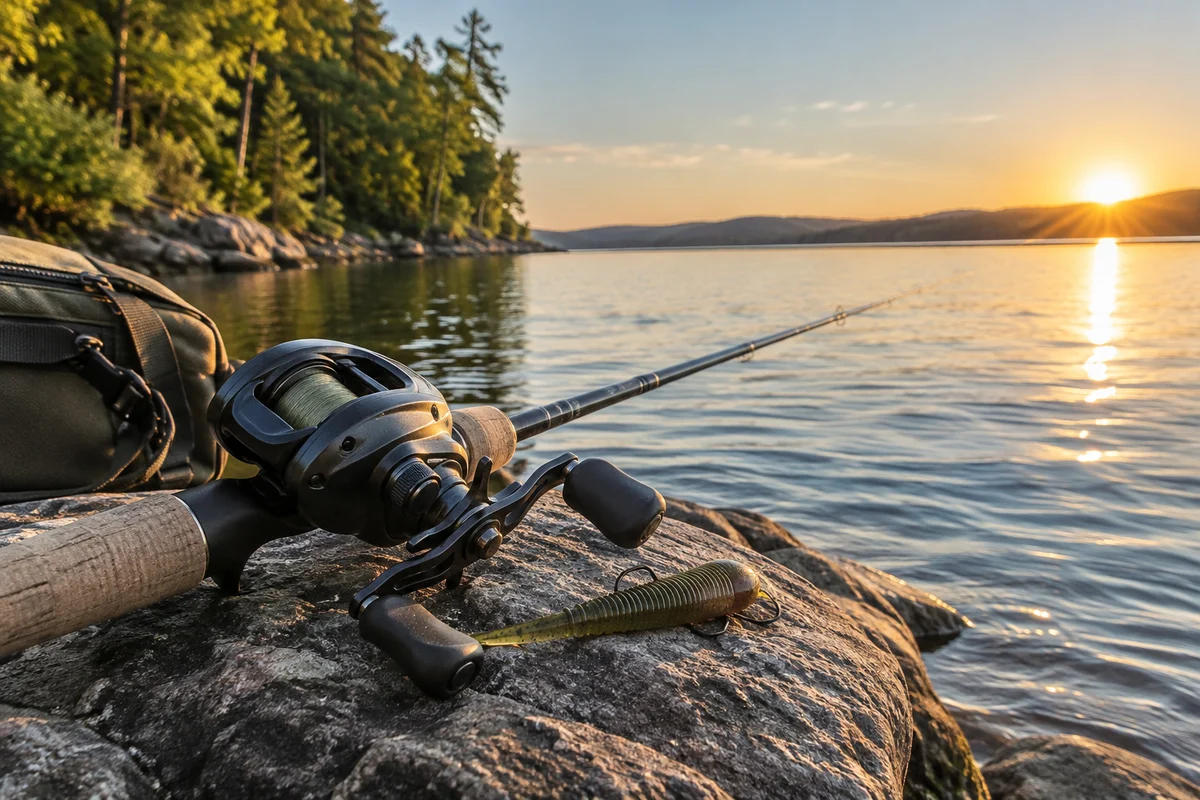
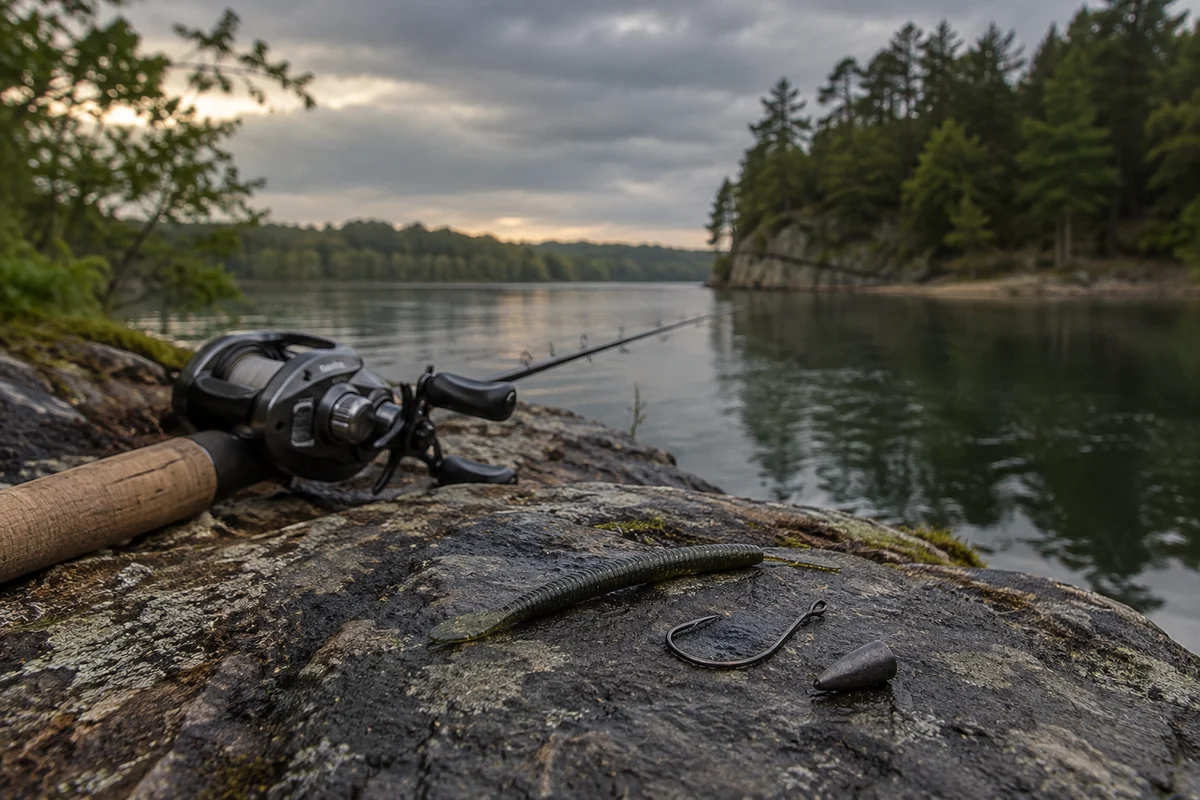
How to Use Baitcaster Reels: A Beginner’s Guide to Smooth Casting
A baitcaster becomes easier to manage when its rod, lure, spool tension, and braking system are matched and adjusted methodically. This practical guide walks through setup, casting, troubleshooting, and safe practice for new anglers.
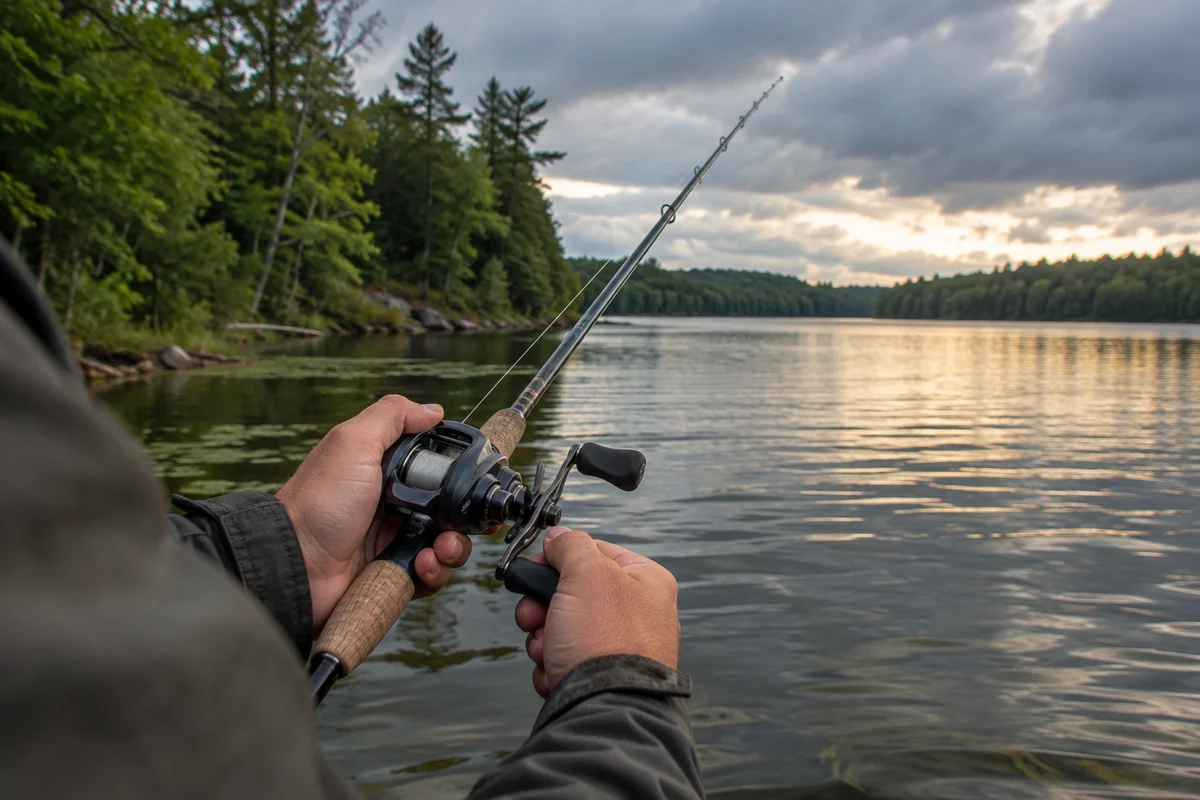
A baitcaster can feel unforgiving at first: the spool keeps turning after a lure slows, and loose line can pile into a frustrating tangle. Learning how to use baitcaster gear is less about having a perfect thumb and more about controlling that spool in stages. Start with a suitable rod and lure, make conservative brake settings, and practice short casts where a mistake is easy to clear.
The steps below focus on a conventional low-profile baitcasting reel used for freshwater bass fishing. Reel designs differ, so treat the manufacturer’s manual as the authority for controls and line capacity. Baitcasters are not automatically better than spinning tackle; the right choice depends on lure weight, conditions, and your comfort. If you are new to the whole sport, our bass fishing for beginners guide covers broader tackle and on-water basics.
What makes a baitcaster different?
A baitcasting reel sits above the rod, and the line leaves a rotating spool. During a cast, the lure pulls line from that spool. When the lure slows—especially as it reaches the water—the spool can keep rotating and release slack. That loose, overlapping line is commonly called a backlash or bird’s nest.
The controls help manage spool speed, but they do not replace thumb pressure. Most reels have a braking system, a spool-tension adjustment, and a drag star. The brake slows the spool during the cast; spool tension adds resistance to spool rotation; the drag controls line release when a fish pulls. Learn which control is which before making adjustments. Avoid turning the drag star to solve a casting problem.
Set up the reel before your first cast
Use line appropriate to the reel, rod, and fishing situation, and follow the reel maker’s guidance for line capacity. Fill the spool evenly without packing line to the rim; leave a small margin so line can come off cleanly. Tie on a practice plug or a lure whose weight falls within the rod’s printed range. Remove hooks from a practice plug or use a safe casting weight in an open area.
Thread the line through every guide. Set the reel’s brakes toward the more controlled end of their range, following its manual. Magnetic, centrifugal, and electronically assisted systems differ, so there is no universal dial position.
For the initial spool-tension setting, hold the rod level, press the thumb bar, and let the lure descend while keeping a thumb lightly over the spool. Adjust tension in small increments until the spool does not continue spinning freely after the lure reaches the ground. This is a cautious starting point, not a rule that fits every reel or lure. Many anglers later loosen tension and rely more on the braking system and thumb as their control improves.
| Control | What it does | Beginner approach |
|---|---|---|
| Brakes | Help slow the spool during a cast | Start with the maker’s more controlled setting; adjust gradually |
| Spool tension | Adds resistance to spool rotation | Begin conservatively, then fine-tune for the lure and reel |
| Thumb | Applies direct spool control | Feather the spool during flight and stop it as the lure lands |
| Drag star | Lets line slip under a fish’s pull | Set for the line and fishing conditions; do not use it to tune casting |
Learn a controlled overhead cast
Practice on level, open ground, away from people, roads, overhead wires, and fragile objects. Check behind and beside you before every cast. Keep hooks secured or removed during practice, and wear eye protection. Follow local rules for fishing and access when you move to the water.
- Set a manageable amount of line. Reel until the practice weight hangs roughly several inches below the rod tip, leaving room to swing without striking the blank. The exact drop depends on rod length and lure.
- Grip the reel securely. Place your thumb across the spool and press the thumb bar to disengage it. Keep your thumb in contact with the spool so it can control rotation.
- Load the rod smoothly. Bring the rod back in a compact motion, then move it forward without snapping. Release thumb pressure as the rod sends the weight forward. A smooth acceleration is easier to control than a hard, abrupt cast.
- Feather the spool. As the weight travels, let your thumb brush the spool lightly. If the spool spins faster than line leaves it, increase pressure. Avoid clamping down so early that the lure stops short.
- Stop the spool at landing. Press your thumb firmly as the lure or practice weight reaches the ground or water. This final stop prevents the spool from releasing line after the lure has stopped.
Start with short casts. Aim for a clear target rather than distance, and repeat the same motion until you can release smoothly and stop the spool consistently. A sidearm cast can be useful around low cover, but first build control with a simple motion and plenty of clearance.
Tune one variable at a time
If the lure drops smoothly but the spool overruns in flight, add a little braking or use more thumb pressure. If the cast is consistently short and the spool never seems to run freely, reduce resistance slightly or make the casting motion smoother. Change only one setting at a time, then make several casts; otherwise, it is hard to tell which adjustment helped.
Wind, lure shape, line, and casting angle affect spool behavior. A light, wind-resistant lure may be harder to cast than a heavier compact one. A gust blowing toward you can slow the lure while the spool keeps turning, so increase control or cast into a more sheltered direction. Do not chase maximum distance while learning. Consistent placement and a clean spool are more useful starting goals.
Clear a backlash without making it worse
When line bunches, stop casting. Keep the spool from turning and inspect the loose loops. On many reels, gently pull line from the spool while easing out the crossed loops. Some tangles require pressing the spool and working line back and forth carefully. Do not yank hard: tight loops can dig into the line beneath them, and force can damage line or make the knot harder to remove.
If the line is kinked, abraded, or visibly damaged after clearing a severe tangle, remove the affected section and retie. Recheck the line path through the guides and make a short test cast with extra thumb control. A backlash is ordinary practice feedback, not a reason to make several large control changes at once.
Match the technique to the fishing
Once short casts are predictable, practice with the lure types and weights you expect to fish. For bass, a baitcaster is often chosen for presentations that benefit from controlled placement or heavier line, but tackle choices are situational. Soft-plastic rigs, for example, vary in weight and action; our guide to plastic worm rigs for bass explains several common approaches. A moving presentation can call for a different retrieve and rod position; see swimming jigs for bass for a related lure discussion.
Before fishing, confirm the rod’s lure and line ratings and inspect the line for wear. Keep fingers clear of the line when a cast is underway, and do not cast toward another person. When fishing from a boat, account for passengers, wind, and limited casting space; a controlled short pitch is safer than a hurried full-power cast.
Common beginner problems and practical fixes
- Backlash at the start of the cast: The spool may be accelerating faster than the lure. Make a smoother cast, add brake, or apply slightly more thumb pressure.
- Backlash near the end: The lure may be slowing before the spool. Feather earlier and stop the spool as the lure lands; wind may also be pushing against it.
- Repeatedly short casts: Check that the lure suits the rod, the line is not overfilled, and the spool is not set excessively tight. Make gradual changes rather than disabling all control.
- Uneven line on the spool: Retrieve line under steady tension and avoid loose coils. Follow the reel manufacturer’s recommendations for spooling and line type.
- Tangles after switching lures: Recheck the setup for the new lure’s weight and shape. A setting that worked for one lure may not work for another.
A simple practice progression
Use a progression rather than changing everything at once. First, make short casts with a manageable practice weight and conservative brakes. Next, aim at a large target, such as a bucket, while keeping the same settings. Then practice stopping the spool at the target. Only after those steps feel repeatable should you extend distance or try a different lure weight. If control becomes inconsistent, return to the previous step.
The exact setup depends on reel design, line, lure, wind, and individual casting motion. There is no single tension or brake setting that eliminates every backlash. Read the reel manual, make small adjustments, and practice in a clear area. With deliberate spool control and a smooth cast, a baitcaster becomes a useful option—not a test of strength or a shortcut to catching more fish.
For more, explore our bass fishing fishing freshwater guides.
Frequently asked questions
How do I set spool tension on a baitcaster for the first time?
Follow the reel manual. As a cautious starting point, hold the rod level and adjust tension in small steps so the practice lure descends without the spool continuing to spin freely after it lands.
Why does my baitcaster keep backlashing?
The spool is releasing line faster than the lure is carrying it away. Use a smoother cast, more thumb control, or a little more braking, and stop the spool as the lure lands.
Should I use the spool-tension knob or brakes to prevent backlash?
Both affect spool control, but they work differently and reel designs vary. Start with the manufacturer’s guidance, adjust one control at a time, and use your thumb throughout the cast.
Is a baitcaster suitable for a beginner?
Yes, if you are willing to practice short, controlled casts. A spinning reel may be easier for some light lures and conditions, so choose tackle that suits the presentation and feels manageable.
Sources & further information
Consult these primary sources for current regulations, technical information and local guidance.