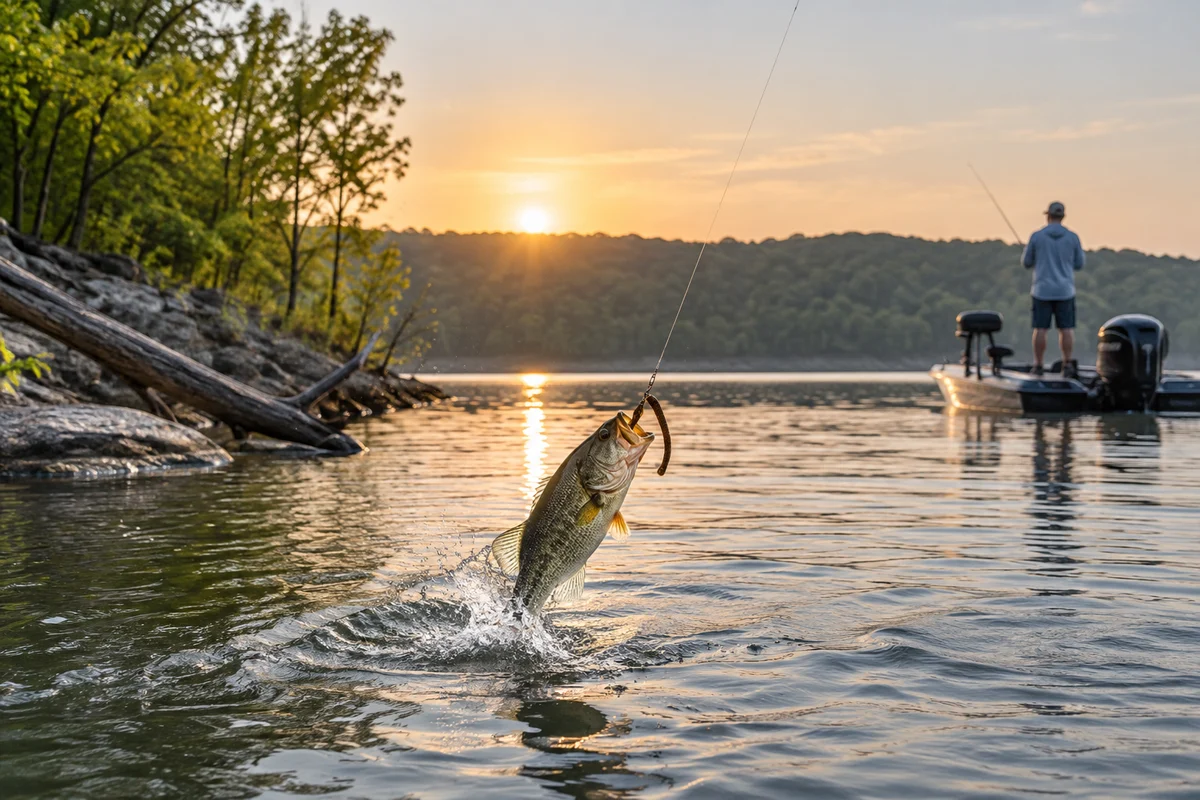
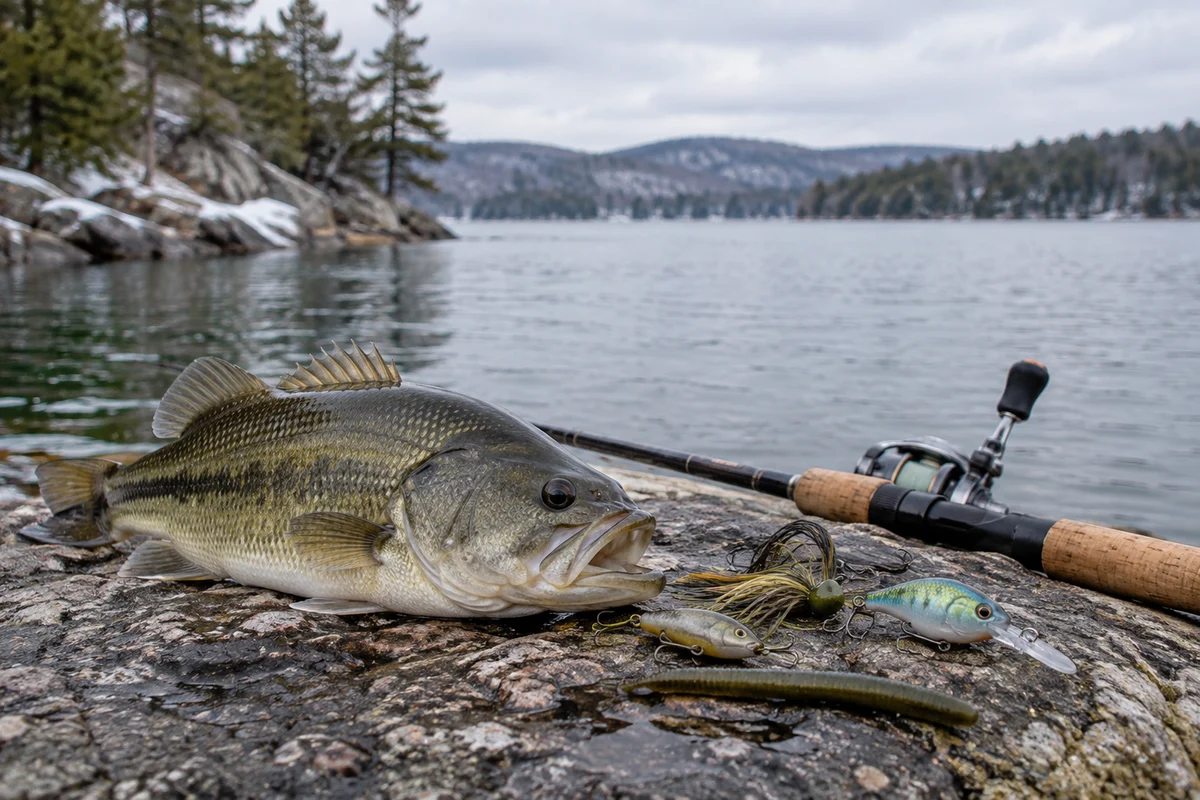
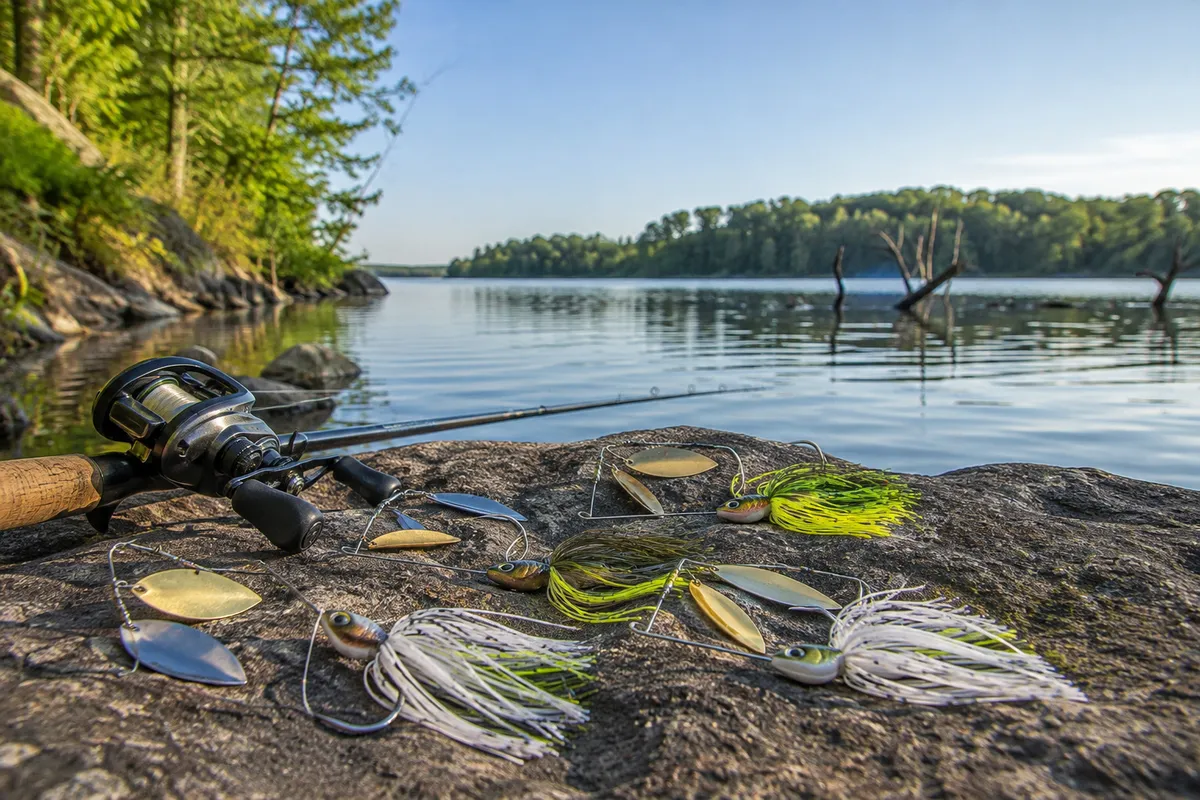
Lake Lanier Fishing Guide: Bass, Seasons, and Planning
Plan a more thoughtful Lake Lanier bass trip with seasonal patterns, clear-water tactics, practical trip preparation, and reliable resources for checking current conditions.
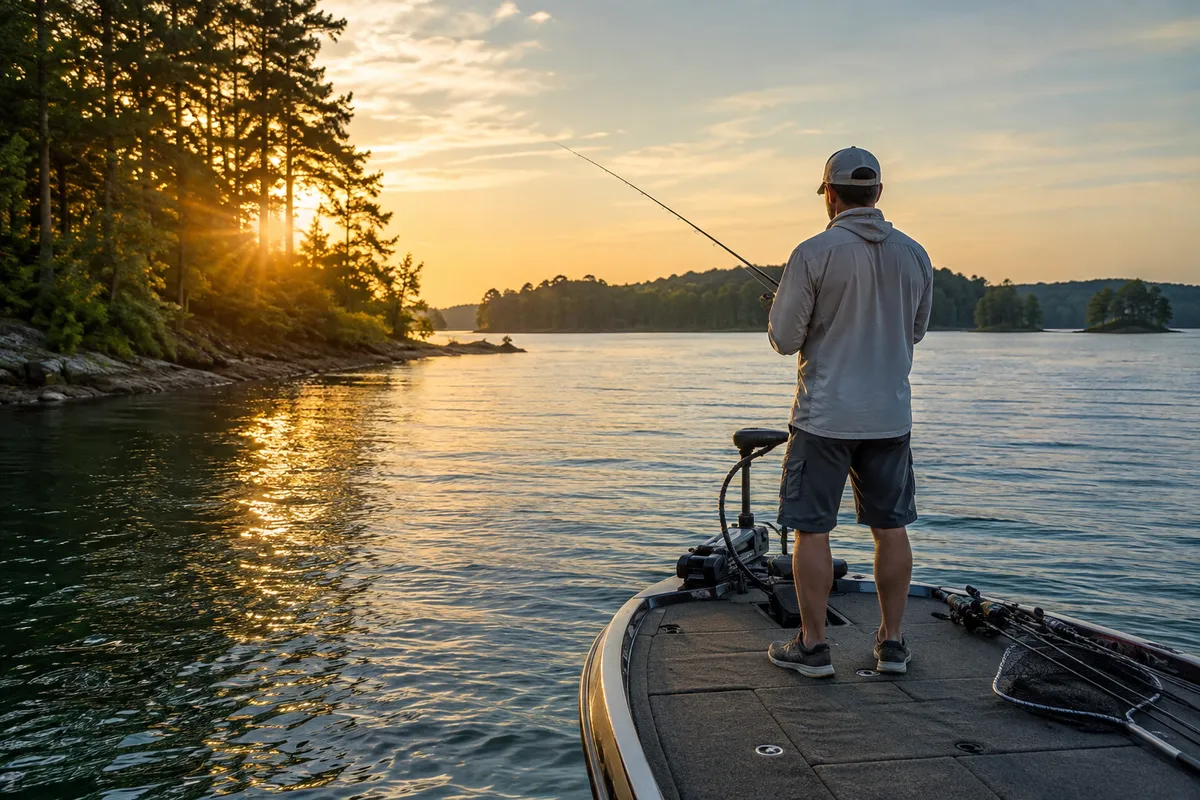
Lake Lanier rewards anglers who plan around its clear water, changing seasons, and varied structure. This lake Lanier fishing guide focuses on decisions you can make before and during a trip: when to go, how to locate bass, what to keep simple in your tackle selection, and where to verify conditions. Fish behavior is never guaranteed, and no single pattern works across the entire reservoir, so treat these ideas as starting points rather than promises.
Lake Sidney Lanier is a large north Georgia reservoir managed for several purposes, including water supply, recreation, and hydropower. Its conditions can vary by season, weather, water level, and location. Before leaving, check current access, boating, and fishing rules through official sources; then adjust your plan after observing the water rather than relying on an old report.
What makes fishing Lake Lanier different?
Clear water often lets bass see an approaching angler, boat, or lure from farther away than in stained water. That does not mean you must always fish deep or use tiny lures. It does mean that boat positioning, casting distance, and avoiding unnecessary commotion can matter. Start by looking for transitions: a point meeting a creek channel, a rocky bank giving way to a flatter section, or a protected pocket exposed to a more open area.
The reservoir’s arms, coves, points, and open-water zones offer different options. Wind can make a bank or point more active, while a sudden change in weather may shift fish position. On an unfamiliar day, choose a compact area with several nearby types of cover or structure. That gives you alternatives without spending the whole trip running from one end of the lake to another.
If you are learning the basics of locating and presenting lures, our bass fishing for beginners overview provides a useful foundation. For a broader look at freshwater bass topics, browse the freshwater bass fishing hub.
When is a good time to fish Lake Lanier?
There is no universally best month. Seasonal changes affect fish movement, forage, water temperature, and how comfortable it is to fish. Use the framework below to develop a first plan, then let actual conditions refine it.
| Conditions to consider | Starting approach | What to watch for |
|---|---|---|
| Cool water and changing weather | Cover likely travel routes and nearby structure with controlled, deliberate presentations | A warming trend, wind direction, and whether bait or fish appear shallow |
| Spring warming | Check protected areas and nearby points, while staying flexible about depth | Rapid weather changes; fish may not be at the same stage throughout the lake |
| Hot, bright periods | Consider shade, deeper structure, or lower-light windows, and avoid assuming all fish are deep | Water temperature, boat traffic, wind, and safe heat exposure |
| Cooling conditions | Search transitions and follow signs of baitfish or feeding activity | Wind-created movement, changing water temperatures, and short-lived activity windows |
These are broad seasonal cues, not a local forecast or a guarantee of where bass will be. Water levels, rain, temperature swings, and fishing pressure can alter a pattern. A useful habit is to note the conditions at the start of the day and again when a bite changes: time, wind, light, water clarity, and depth. Patterns built from observations are more transferable than a rigid calendar rule.
How should you find bass on the lake?
Start with a simple search sequence. First, choose a manageable section based on the day’s wind, access, and available time. Next, identify a few contrasting locations—perhaps a point, a nearby pocket, and a bank with a different bottom or slope. Fish each one long enough to learn something, but do not keep repeating an unproductive presentation simply because it worked on a previous visit.
In clear conditions, make longer casts when practical and keep your approach quiet. Look for visible clues such as bait activity, birds working, wind touching a bank, or changes in water color. A fish finder can help reveal depth and bottom contours, but it does not identify every fish or explain what they are doing. Treat electronics as another source of evidence, not a substitute for observation.
If you find a useful depth or type of structure, test nearby variations rather than assuming one spot is unique. A similar point, pocket, or slope in the same general area may hold fish under comparable conditions. Conversely, if the light, wind, or water changes, revisit your assumptions and check a different kind of location.
What tackle and presentations should you bring?
A practical trip kit is better than an oversized collection of lures you do not know how to use. Bring a few presentations that cover different speeds and depths, and select them to match the conditions you observe. Soft plastics can be adapted to a range of situations; the guide to plastic worm rigs for bass explains several common rigging approaches. A moving bait can help you cover water and test for active fish, while a slower presentation gives you a way to work a specific piece of structure more carefully.
Use tackle you can cast accurately and handle safely. In clear water, avoid assuming that a heavier or more conspicuous setup is always necessary. At the same time, choose line and equipment appropriate to the cover, fish, and conditions you expect. Check knots, hooks, and line for wear before fishing, and keep sharp hooks secured when not in use.
A productive adjustment is to change one factor at a time. If you move to a different depth, keep the presentation similar for a few casts. If you change lure speed or profile, stay in a comparable area. This makes it easier to tell whether a change helped, instead of changing location, depth, and lure all at once.
How can you plan a safe, responsible trip?
Check the current Georgia fishing regulations and the U.S. Army Corps of Engineers’ lake information before you go. Rules, access details, closures, and water conditions can change. Confirm that your fishing license and any required privileges are current, and review applicable size, creel, and boating rules directly with official agencies rather than relying on an old article or social post.
Before launching, check the forecast and the lake’s current conditions. Wear a properly fitted life jacket while underway, carry required safety equipment, and make a float plan if you are going alone or exploring unfamiliar areas. Keep an eye on changing wind, thunderstorms, heat, and visibility. If conditions become unsafe, end the trip or move to a safer location; a planned fishing window is never more important than getting back safely.
Respect other users and the resource. Give boats and anglers room, avoid disturbing wildlife, and pack out line, hooks, and other waste. Handle fish with wet hands when possible, minimize time out of the water, and follow current regulations for keeping or releasing fish. If you are unsure about a rule or a fish identification, consult the official guidance before making a decision.
A simple Lake Lanier trip checklist
- Before departure: Check official regulations, access information, forecast, and current lake conditions.
- Choose a first area: Select a manageable stretch with more than one kind of structure or cover.
- Pack a compact kit: Bring a few familiar presentations for covering water and fishing more slowly, plus basic maintenance and safety gear.
- Observe and record: Note wind, light, water clarity, depth, and any visible bait or activity.
- Adjust deliberately: Change one factor at a time, and move when evidence suggests the area or pattern is not working.
- Close the loop: Secure tackle, dispose of line and trash responsibly, and review what the conditions taught you.
A successful day is not defined only by a catch. On a complex reservoir, learning how wind, clarity, season, and structure interact is useful progress in its own right. Keep your plans flexible, verify rules and conditions with official sources, and let what you see on the water guide the next decision.
Frequently asked questions
What is the best season for bass fishing on Lake Lanier?
There is no single best season for every angler or condition. Bass behavior changes with water temperature, weather, and location, so check current conditions and adapt your approach.
Is Lake Lanier clear enough to affect how I fish?
Clarity can influence how far fish see an angler or lure. Longer casts and a quieter approach may help, but depth, wind, cover, and fish activity still matter.
What should I check before fishing Lake Lanier?
Review current Georgia fishing regulations, access information, weather, and lake conditions through official sources. Confirm license requirements and boating safety equipment before departure.
Can I rely on a seasonal pattern from a previous Lake Lanier trip?
Use past observations as a starting point, not a guarantee. Rain, water level, temperature, wind, and fishing pressure can shift fish locations and activity.
Sources & further information
Consult these primary sources for current regulations, technical information and local guidance.