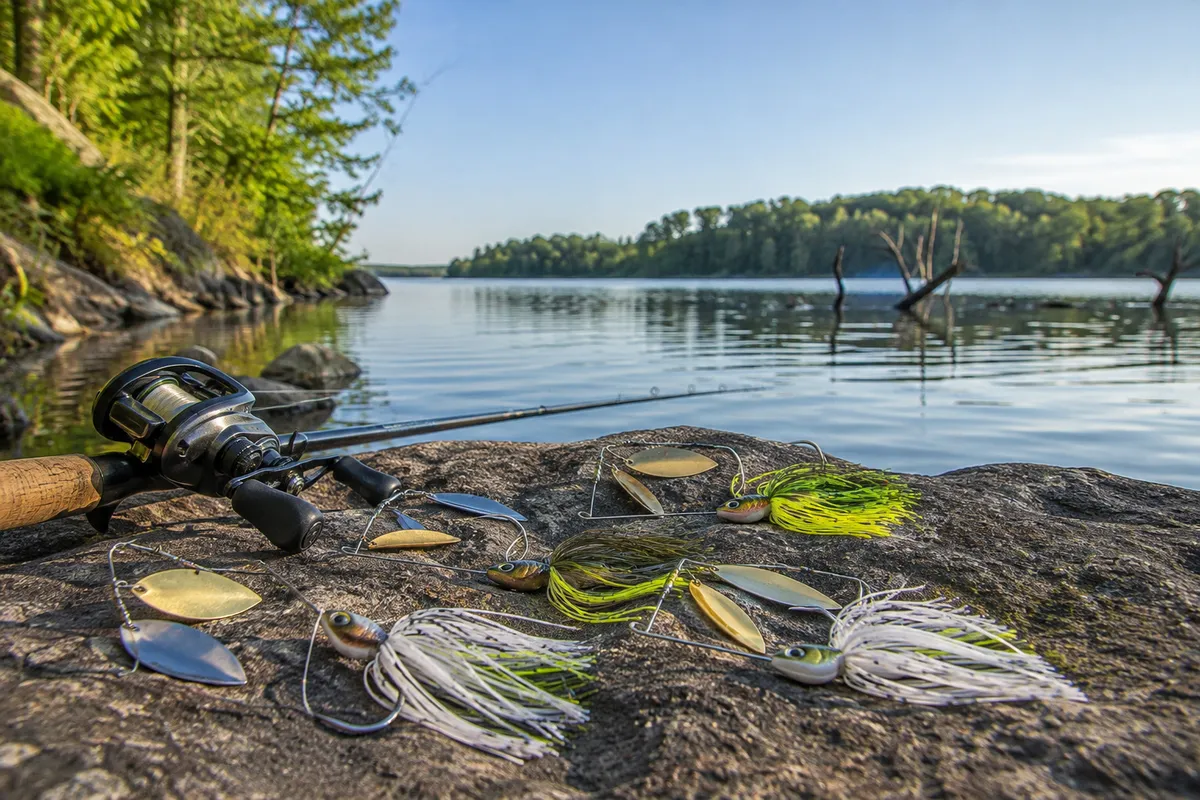
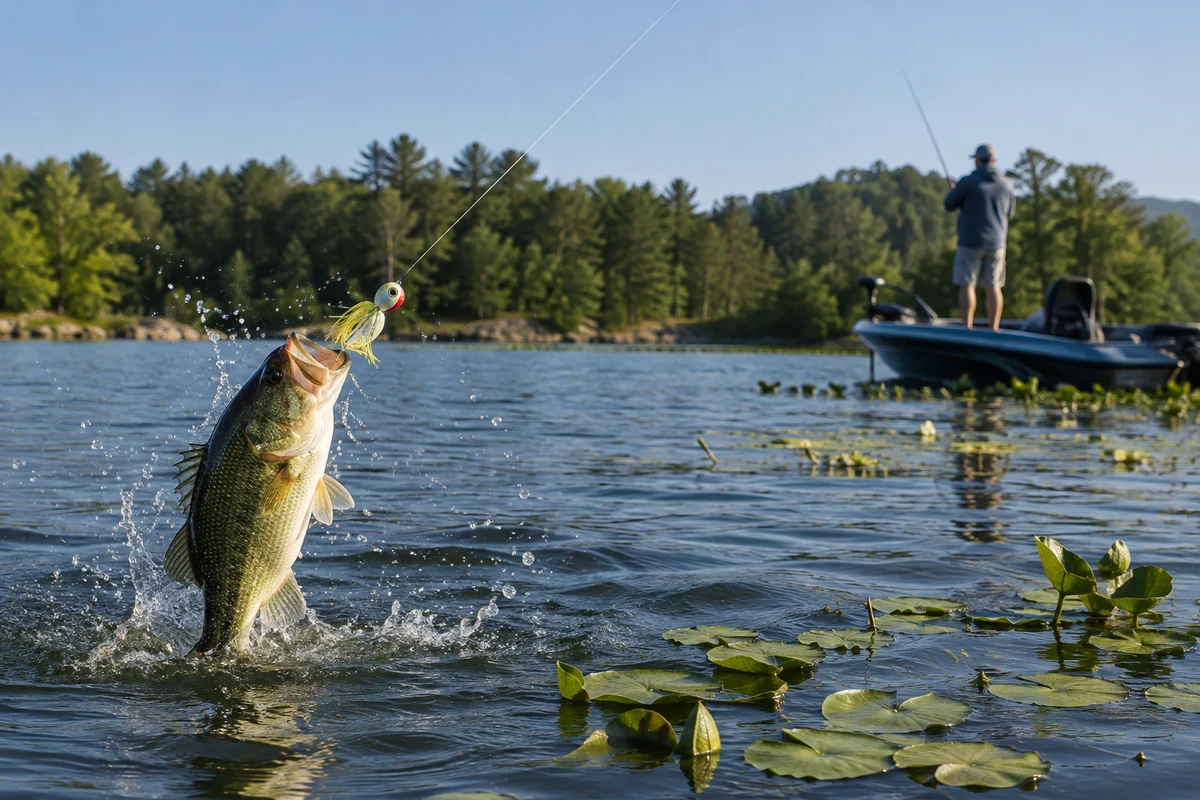
Winter Bass Fishing Lures: Choose the Right Bait for Cold Water
Cold water often rewards deliberate presentations, but there is no one lure or retrieve that fits every winter lake. Match bait size, depth, and pace to local forage and conditions, then adjust based on what the water reveals.
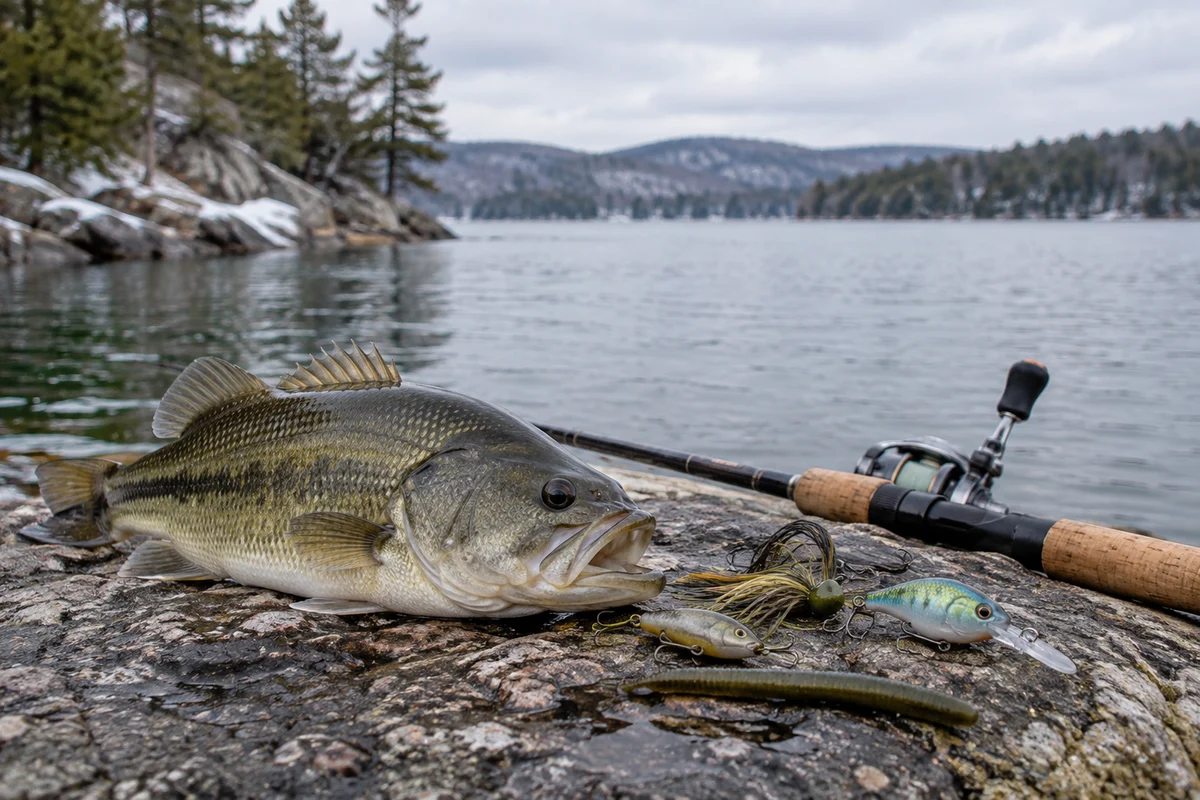
Winter bass fishing lures are most effective when chosen for the conditions in front of you—not simply because the calendar says it is winter. Water temperature, depth, clarity, available forage, and the lake’s seasonal patterns all matter. In cold water, bass may feed less often or move more slowly, but they still need to eat; a measured presentation near likely holding areas can be more useful than repeatedly covering unproductive water.
Begin with a seasonal bass overview from the freshwater bass-fishing hub. Treat general seasonal advice as a starting point, then let local conditions guide lure choice. A cold front, warming spell, reservoir drawdown, or change in water clarity can shift the best approach within the same winter.
What should a winter bass lure do?
A useful winter lure should reach the depth where bass are holding, resemble prey they encounter locally, and remain controllable at a slow pace. Those goals are more important than a particular color or brand. A lure that looks convincing but rides above the fish is unlikely to help; one that reaches the zone but moves too quickly may pass without drawing interest.
Look for structure and transitions: channel edges, points, bluff ends, submerged vegetation, rock changes, docks, and the edges of deeper water. These are possibilities, not guarantees. Bass location varies by lake type, weather, and forage. Electronics, a map, and careful observation can help narrow the search, but confirm what you can from the water and avoid assuming that a familiar spot will hold fish every year.
Five useful winter lure categories
1. Suspending jerkbaits
A suspending jerkbait can cover clear water around points, steep banks, and suspended baitfish. Work it with a sequence of short pulls or twitches followed by a pause. Let the pause length vary: start with a modest pause, then lengthen it if fish follow without striking or conditions suggest they are reluctant. Wind, current, and line choice can affect how a bait suspends, so observe its behavior beside the boat before fishing it deeply.
Use a natural baitfish profile when local forage supports that choice, and consider a less conspicuous finish in clear, bright conditions. In stained water, visibility may matter more than subtle detail. Avoid treating these as strict rules; water clarity and the forage base differ from one fishery to another.
2. Jigs
A compact jig can be worked along rock, gravel, wood, or the outside edge of cover. Let it reach bottom, then move it with small lifts, short drags, or controlled hops rather than sweeping it rapidly through the area. A trailer changes the profile and fall; a slimmer one can make a smaller presentation, while a bulkier profile may be easier to notice.
Jigs can snag, especially around branches and broken rock. Use an appropriate rod, line, and hook-setting motion for the cover and tackle, and retrieve snagged gear carefully. If repeated hang-ups prevent you from feeling the bottom, change the casting angle or select a more suitable rig. Compare the slower bottom-oriented approach with swimming jigs for bass when fish appear to be feeding higher in the water column.
3. Ned-style and other small soft plastics
Small soft-plastic presentations can be useful when bass are pressured or reluctant. Rig the bait securely, let it settle, and use subtle movements with pauses. The goal is controlled contact and a natural fall, not constant shaking. A lighter head may fall more slowly in shallow or calm water; heavier tackle can help maintain contact in deeper water or current. Choose a hook and weight that suit the bait, depth, and cover, and follow local rules for permitted tackle.
Soft plastics are not automatically a finesse solution for every winter situation. If fish are actively chasing bait, a moving lure may locate them faster. For a broader look at presentations and rigging, see plastic worm rigs for bass.
4. Blade baits and compact metal lures
A blade bait or other compact metal lure can reach deeper water quickly and provide a strong vibration when lifted. Rather than ripping it high, try a controlled lift followed by a fall on a semi-slack line, keeping enough contact to detect a bite. The fall can be as important as the lift. If the lure repeatedly fouls or lands outside the target depth, adjust the weight or angle instead of speeding up blindly.
Metal lures can be productive around steep breaks and deeper structure, but their fast sink makes them less forgiving around snags and shallow cover. Check hook condition and handle trebles carefully, especially when cold hands make fine movements harder.
5. Small swimbaits and subtle paddletails
A compact swimbait can imitate a small forage fish along a drop, over submerged cover, or near suspended bait. Retrieve it slowly enough to stay in the intended depth, with occasional pauses or slight changes in pace. If it rolls or spins, check the rigging and hook alignment. A soft bait that tracks straight is easier to control and interpret.
Choose size based on observed forage and the fishery, not a universal winter formula. A smaller profile may be sensible when baitfish are small or fish are tentative; a larger silhouette can make sense when the local prey supports it. The bass fishing for beginners guide covers foundational tackle and presentation concepts that help make these adjustments easier to understand.
A simple decision framework
| What you observe | First approach to try | Adjustment if it is not working |
|---|---|---|
| Clear water and fish suspended near bait | Suspending jerkbait or small swimbait | Lengthen pauses or change depth before changing several variables at once |
| Fish or likely targets close to bottom | Jig, small soft plastic, or blade bait | Slow the fall and maintain contact; change angle if snagging |
| Stained water or low visibility | A compact lure with a clear vibration or silhouette | Test a modestly brighter or darker profile, then keep the retrieve controlled |
| Shallow cover with nearby deep water | Jig or soft plastic worked along the edge | Make accurate casts and avoid dragging through every piece of cover |
| Fish follow but do not commit | Keep the same zone and alter pause, size, or cadence | Change one factor at a time so the result is informative |
This is a starting framework, not a promise of a bite. A fish seen on sonar may not be feeding, and an apparently empty stretch may simply be difficult to interpret. Keep notes on depth, cover, weather, and lure behavior so that each outing improves your decisions.
How to fish slowly without losing contact
A slow retrieve is not the same as an uncontrolled one. Keep the rod in a position that lets you feel the lure, watch the line for a change, and pause deliberately. Use the lightest line and weight that remain appropriate for the depth, cover, and target fish; overly heavy tackle can hinder a small presentation, while inadequate tackle can make landing a fish or freeing a snag difficult.
Make a few precise casts to different angles before abandoning a location. A lure may behave differently when retrieved across a break than when pulled parallel to it. If the presentation is difficult to feel, change weight, line management, or rod position. If you are fishing from shore, favor accessible points and steep banks that let you reach deeper water without a long cast.
Conditions, safety, and limits
Winter patterns vary widely. A shallow natural lake, a deep reservoir, and a river with current can call for very different searches. A brief warming trend may improve activity in some places, but it does not guarantee that bass will move shallow. Water temperature readings, local reports, and firsthand observations are useful context—not precise forecasts of fish behavior.
Cold-weather fishing also calls for conservative safety choices. Check current conditions, wear suitable layers and a properly fitted flotation device, and use extra care around icy ramps, slick banks, and cold water. Do not venture onto ice unless local authorities confirm it is safe and you have appropriate knowledge and equipment. Regulations, seasons, and tackle restrictions differ by jurisdiction; consult the relevant state or provincial fish-and-wildlife agency before fishing.
A practical way to narrow your choices
Start with a likely depth zone and one lure category that can stay there. Fish a small area thoroughly, changing retrieve cadence or angle before switching baits. If you have no signs of activity, move to a different structural feature or depth rather than repeating the same cast indefinitely. When you do get a bite, note the conditions and reproduce them nearby—but remember that one fish does not establish a permanent pattern.
The most dependable winter approach is a process: locate plausible habitat, keep the lure in the target zone, and make careful adjustments based on evidence. With that method, winter bass fishing lures become tools for testing a local pattern rather than a list of guaranteed answers.
Frequently asked questions
What is a good all-around lure for winter bass?
There is no universal best choice. A jig, small soft plastic, suspending jerkbait, or compact swimbait can each work when matched to depth, cover, forage, and water clarity.
Should I retrieve winter bass lures slowly?
Often a controlled, deliberate retrieve is a useful starting point, but fish activity varies. Adjust pause length and pace while keeping the lure in the depth zone you are targeting.
What colors work best for winter bass fishing lures?
Choose colors with local forage and visibility in mind. Natural finishes can suit clear water, while a more visible profile may be easier to track in stained water; neither is a universal rule.
Where should I look for bass in winter?
Start by checking structural transitions such as points, channel edges, rock changes, and deeper-water access. The best locations depend on lake type, weather, forage, and local conditions.
Are winter bass patterns the same on every lake?
No. Reservoirs, natural lakes, and rivers differ, and weather or water level can change fish location. Use local regulations and observations rather than assuming one seasonal pattern applies everywhere.
Sources & further information
Consult these primary sources for current regulations, technical information and local guidance.