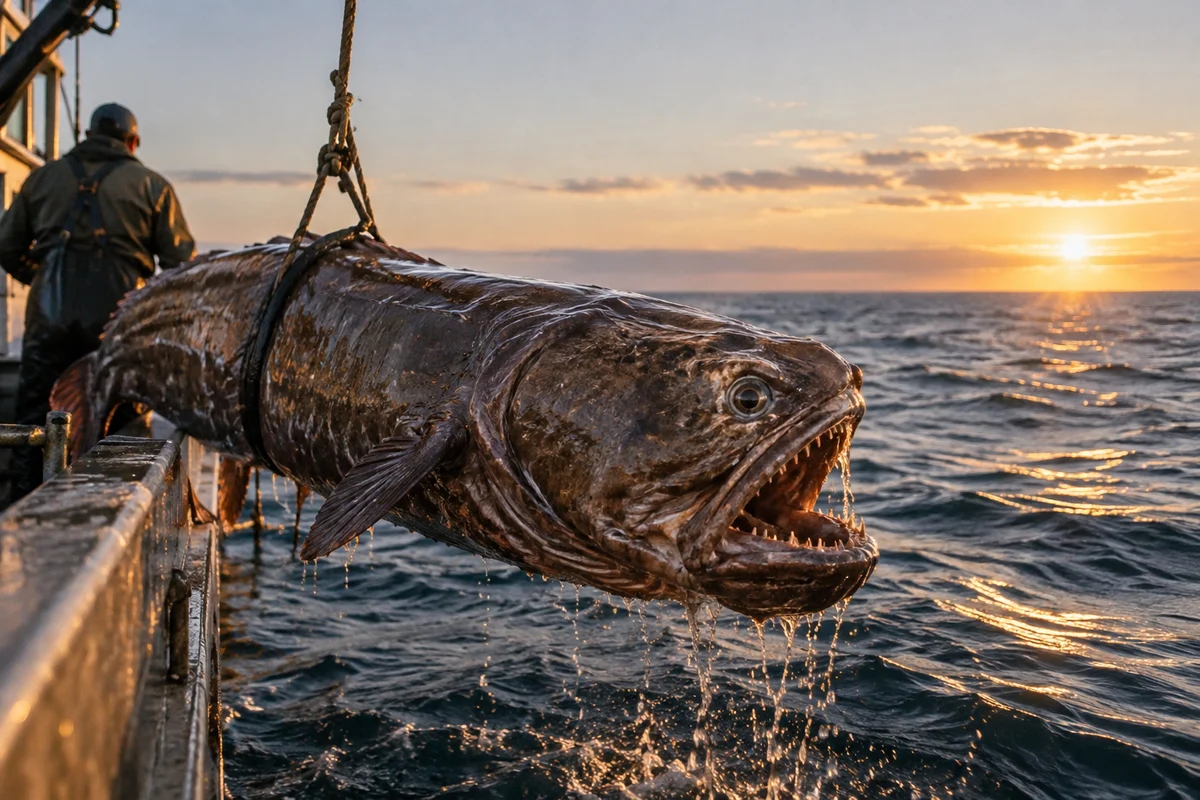
What the Dogtooth Tuna World Record Really Means
A dogtooth tuna’s size alone does not establish a world record. Learn how record categories, identification, evidence, and careful handling shape a verifiable claim.
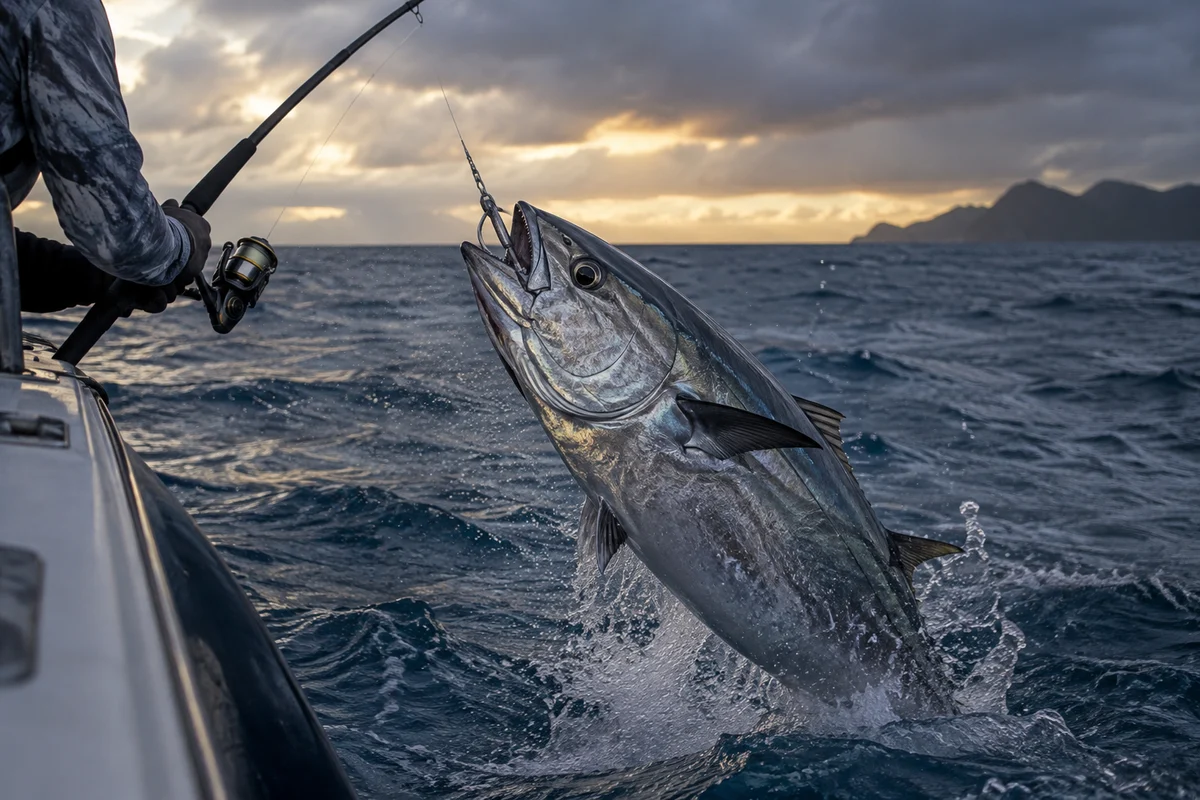
A dogtooth tuna world record claim needs more than an impressive fish and a dramatic photograph. The fish must be identified correctly, weighed and documented under the rules of the organization maintaining the record, and matched to the exact category being claimed. Because record listings and applications can change, the official recordkeeper—not a video caption or social post—is the place to confirm whether a catch is recognized.
That distinction matters for anglers following offshore fishing footage. A clip can show the fight and the landing, but it may not establish the scale’s certification, the fish’s verified weight, the species identification, or whether all eligibility requirements were met. This guide explains how to evaluate a dogtooth tuna world record claim, what evidence a credible application generally requires, and how to handle a fish responsibly while the facts are checked.
What does “dogtooth tuna world record” mean?
“World record” is not a single universal label. The International Game Fish Association (IGFA) maintains recognized sport-fishing records organized by species and categories. Depending on the current rules and available listings, categories may distinguish all-tackle claims from line-class or other record types. A fish can be remarkable without qualifying for a particular category, and a claim can be pending without being an approved record.
The phrase can also be used informally in news and video titles. A creator may be describing a personal best, a locally reported catch, or a fish believed to be a record before an application is reviewed. Those descriptions are not equivalent to an official listing. For a record claim, check the current IGFA record database and application guidance directly; do not rely on a headline alone.
A useful way to read any claim is to ask three questions: Which record category is named? Who is the official recordkeeper? Does the recordkeeper list the catch as approved? If any answer is unclear, call it a reported or claimed catch rather than a confirmed world record.
Why species identification is important
Dogtooth tuna, Gymnosarda unicolor, are powerful Indo-Pacific predators, but fish names can be used loosely in casual conversation. A clear identification is essential because a record application depends on the fish being the species listed in the relevant category. Photos should show enough of the fish for an informed review, ideally from more than one angle and with visible identifying features rather than only a close crop or a person holding the catch.
When an angler is uncertain, the responsible approach is not to force a confident label. Record-keeping bodies publish application requirements and may review documentation, but a photograph by itself may not settle every identification question. A qualified fisheries professional or the recordkeeper’s guidance is more reliable than online guesses based on color, size, or location.
Identification is also separate from weight. A scale reading cannot establish species, and a species identification cannot establish a certified weight. A sound claim needs evidence that addresses both.
How an official record claim is assessed
Exact requirements depend on the record category and the current rules. Before fishing with a record attempt in mind, read the recordkeeper’s latest application instructions rather than relying on a remembered checklist. In general, applicants should expect to document the catch, the tackle and line category when relevant, the weighing process, and the identity of the angler and witnesses.
| Evidence to check | Why it matters | Practical documentation |
|---|---|---|
| Record category | Rules differ by category | Note the exact species and category from current official guidance |
| Species identity | The claim must match the listed species | Take clear, unaltered photographs that show the whole fish and useful identifying details |
| Weight and scale | An unverified reading is not a certified result | Follow the recordkeeper’s current scale and weighing requirements; retain required scale records |
| Catch details | Eligibility can depend on how the fish was caught | Record date, location as required, tackle or line details, and relevant witnesses accurately |
| Application status | A submitted claim is not necessarily approved | Check the official database or contact the recordkeeper for the final status |
This table is a planning aid, not a substitute for the current IGFA rules. Requirements can be specific, and a seemingly small omission may matter. If a claim is being considered, preserve original photos and records, avoid editing evidence in ways that obscure details, and submit the application promptly as the rules direct.
What a fishing video can—and cannot—prove
Video is useful context. It may show the hookup, the fight, the landing, and the people present. But a single edited video rarely demonstrates every record requirement. The scale might not be visible or documented clearly; a displayed number might be difficult to verify; the fish may be weighed after transport; or the video may omit the tackle and line information needed for a category.
Viewers should distinguish visual evidence from official verification. A fish appearing exceptionally large does not establish its weight, and camera angle can distort perceived scale. Likewise, a spoken announcement in a clip can be sincere while still describing a claim that has not yet been reviewed. Look for a recordkeeper’s entry or a clear statement of application status before repeating the claim as settled fact.
For readers interested in how different fisheries and record claims are reported, see our coverage of a reported world record black drum and a longnose gar world record claim. These topics illustrate why the distinction between a reported catch and an approved record is important across species.
A careful checklist for anglers considering a claim
Before setting out, identify the governing recordkeeper and read the rules for the exact category. Check that the species is eligible, understand the required scale and witness procedures, and know how the catch must be documented. If you are not attempting a record, fishing safely and handling the fish well should remain the priority.
After a possible qualifying catch, make a factual record while details are fresh. Capture the fish clearly, preserve the original files, document the required weighing process, and write down relevant information without guessing. Do not alter a measurement, round a number upward, or describe an unverified claim as official. If there is uncertainty about a detail, state that uncertainty in the application rather than filling the gap with an assumption.
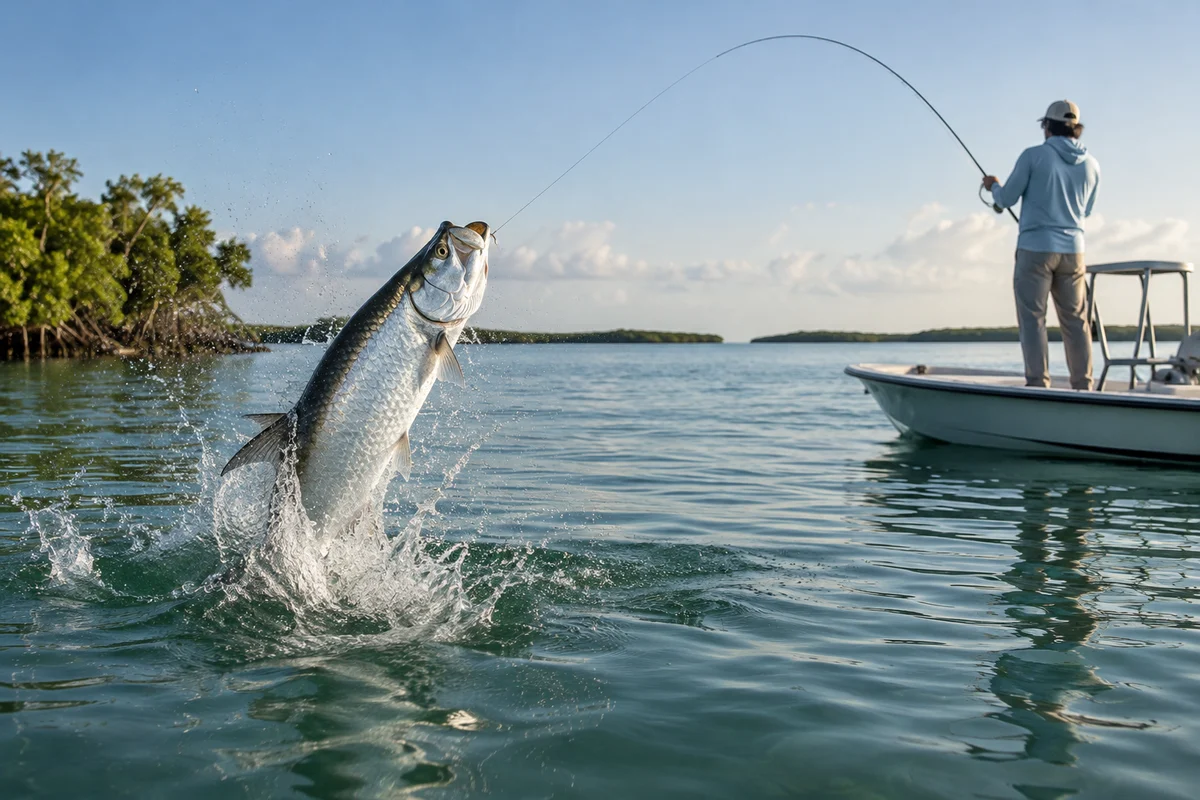
The same practical discipline supports ordinary offshore angling. Our guide to how to catch amberjack discusses planning around offshore conditions and fish behavior, while this tarpon fishing guide for Islamorada offers another example of matching technique and handling to a specific fishery. For more saltwater coverage, visit the saltwater fishing hub.
Handling and conservation deserve equal attention
Large, hard-fighting fish can be stressed or injured during an extended fight, lifting, and time out of water. Use tackle appropriate to the conditions and your experience, plan how the fish will be brought alongside, and minimize handling. If release is intended, keep the fish in the water when practical, support it properly, and follow local rules and established best practices. If harvest is lawful and intended, handle and cool the catch promptly and comply with all applicable regulations.
A potential record should never justify unsafe conduct or unnecessary delay. Follow vessel safety procedures, keep people clear of hooks and moving gear, and do not put an angler or crew member at risk for a photograph or measurement. Rules for possession, landing, and protected species vary by jurisdiction and can change; consult the relevant fisheries authority before fishing and again when regulations may have been updated.
How to report a dogtooth tuna record accurately
When discussing a notable catch, use language that matches what is known. “A large dogtooth tuna was reported,” “an angler says a record application was submitted,” and “the recordkeeper lists an approved record” communicate different levels of certainty. Include the category and date only when verified from a reliable source. If the official listing is not available, say so rather than supplying a guessed weight, angler name, or date.
That approach is not cautious wording for its own sake. Record databases are the reference point for recognized achievements, and their rules make catches comparable. A careful report respects the angler, the fish, and readers who want an accurate account. Until the relevant recordkeeper confirms a claim, the most honest conclusion is that its status remains unverified.
Sources and verification
The IGFA is the primary reference for its own recognized sport-fishing records, record categories, and application rules. Its current database and guidance should be checked at the time of a claim because listings and requirements can change. For species and general fisheries context, consult established fisheries references and local authorities; jurisdiction-specific regulations should come from the agency responsible for the water being fished.
In short, a convincing dogtooth tuna world record story is not just a big fish on camera. It is a correctly identified catch, documented under the relevant current rules, and confirmed by the recordkeeping organization. Until then, treat the claim as a claim—and let the official record speak for itself.
Frequently asked questions
Who verifies a dogtooth tuna world record?
The recordkeeper named for the category verifies claims. For recognized IGFA sport-fishing records, check the current IGFA records database and application rules.
Does a video prove that a dogtooth tuna is a world record?
Not by itself. Video may provide context, but official status depends on species identification, required catch and weighing documentation, category rules, and recordkeeper approval.
How can I check whether a dogtooth tuna record claim is official?
Search the current official record database for the species and category, and confirm whether the entry is approved rather than merely reported or pending.
What should anglers document for a possible record?
Follow the current recordkeeper’s instructions for category, species evidence, scale and weight documentation, catch details, witnesses, and application timing. Requirements vary.
Sources & further information
Consult these primary sources for current regulations, technical information and local guidance.