How to Verify a World Record Black Drum
A dramatic catch may be memorable without being an official record. Here is how to evaluate a world record black drum claim and preserve the evidence that matters.
A world record black drum claim is not established by a fish’s size, a photograph, or a story alone. It depends on correct species identification, reliable weight documentation, and the rules of the organization or jurisdiction being consulted. When anglers hear that a crew may have landed a record fish, the useful question is not simply “How big was it?” but “What evidence exists, and what kind of record is being discussed?”
This guide explains how record claims are assessed, why different lists may not agree, and how anglers can document a notable catch without overstating what is known. It does not treat the legacy story implied by this URL as proof that a particular fish was caught or officially recognized.
What does “world record” mean for a black drum?
The phrase can refer to several different things. An angler might mean the heaviest black drum recognized by a record-keeping organization, a state or regional record, a catch associated with a particular line class, or simply a fish that seemed exceptionally large. Those descriptions are not interchangeable.
A formal record usually belongs to a defined category with stated eligibility rules. The rules may specify whether the catch must be made by rod and reel, what documentation is required, and how tackle or line class affects the category. An anecdote, even one repeated widely, is not the same as a verified registry entry. Nor does a fish described as a “record” automatically qualify as the largest specimen of its species in every sense.
Before repeating a claim, identify the organization and category. If no official registry or ruling can be found, use careful language such as “reported as a possible record” rather than presenting it as a confirmed world record.
How can you tell a black drum from similar fish?
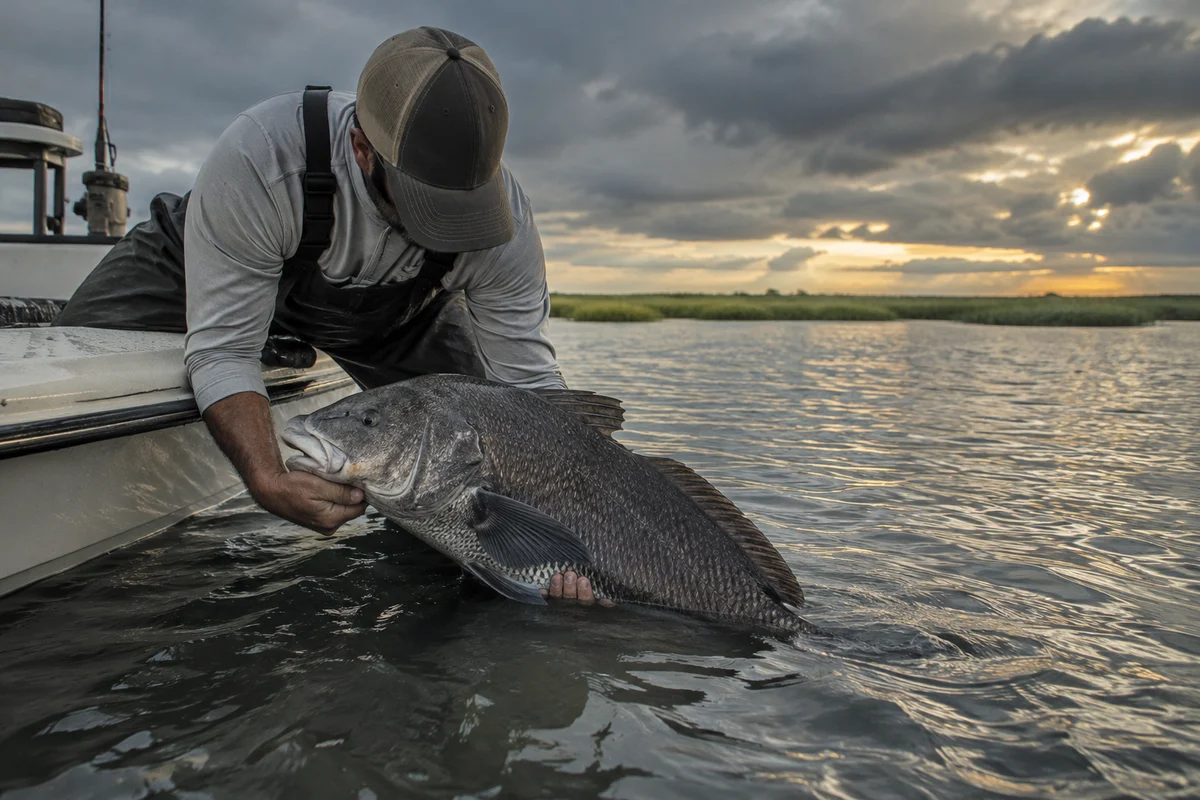
Reliable identification comes before weighing. Black drum (Pogonias cromis) are members of the drum family and can be confused in casual accounts with other large coastal fish, particularly when a photograph lacks scale or detail. A useful image should show the fish’s overall profile and identifying features clearly, without relying on a caption as evidence.
If a record application is being considered, follow the reviewing organization’s identification requirements. Keep original photographs, note where and when the fish was caught, and record the name of the person who made the identification. Do not alter or crop the only original image. A qualified reviewer may need to see the whole fish and details that a social-media post leaves out.
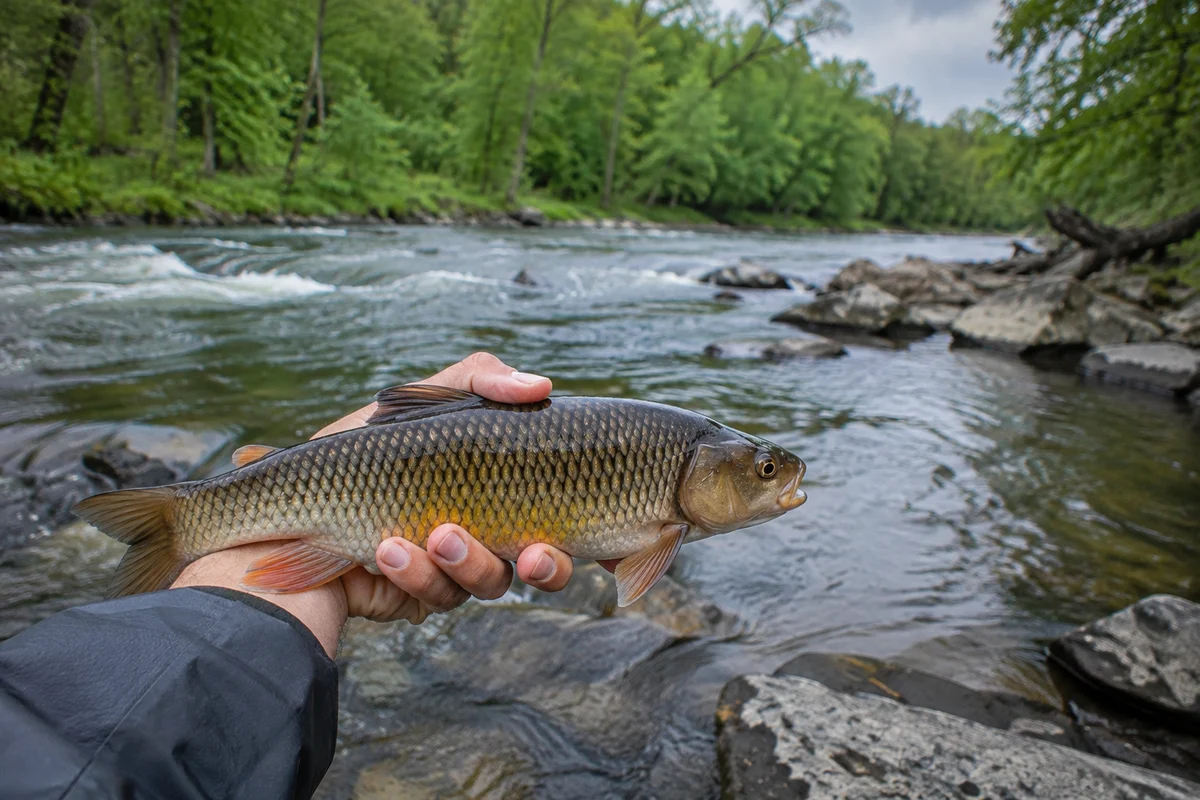
For broader context on unusual catches and record terminology, see our guide to the first fallfish record in Maryland. A record label should always be tied to a named registry or authority, rather than treated as a universal description.
What evidence supports a record claim?
A strong record submission is built from contemporaneous documentation, not reconstructed details. The exact requirements vary, so consult the relevant organization before a trip if a record attempt is a serious possibility. Commonly important evidence includes:
- A verified weight: Use a scale that is appropriate for the fish and accepted under the applicable rules. Keep information about the scale and its certification or inspection where required.
- Witnesses: Record the names and contact details of people who observed the weighing and catch. Their accounts should be independent and consistent.
- Catch details: Note the date, location, method, tackle category, and sequence of events while those details are fresh.
- Photographs: Preserve original images of the fish, measurement or weighing setup, scale reading, and identifying features. Keep unedited files as well as any images shared publicly.
- Application records: Save forms, communications, and the registry’s final decision. A submission is not an award; only the organization’s determination establishes recognition in its category.
A phone picture of a scale can be useful context but may not satisfy official requirements. Likewise, a displayed weight does not settle whether the scale was suitable, whether the correct category applies, or whether the fish was properly identified.
Why can record lists disagree?
Different organizations maintain different records. One may recognize a line-class record while another lists an all-tackle category. State agencies may maintain state records, and fishing organizations may use separate application procedures. Their lists can also be updated at different times.
The phrase “world record” therefore needs a source. When comparing claims, check the registry’s own current listing, its category definition, and any notes about the record’s status. A secondary article or repost may preserve an old figure after a registry has changed its listing, or it may omit the category that made the claim meaningful.
Weight is also not the only possible measurement in fishing records. Length-based programs, species surveys, and angler-record systems answer different questions. Do not convert a length, estimate, or photograph-based impression into a verified weight. If no primary record entry is available, say what is known and what remains unconfirmed.
How should anglers handle and release a large drum?
A very large fish can be difficult to handle safely, both for the fish and the people landing it. Plan the handling approach before lifting: use suitable gear, keep the fish supported, avoid dragging it across abrasive surfaces, and minimize time out of water when release is intended. Large fish are heavy; do not try to lift one by the tail or gills, and ask for help rather than risking a fall or back injury.
Follow local regulations for seasons, size limits, possession, and handling. Rules vary by location and can change, so check the responsible state or regional authority before fishing. If a fish is retained under applicable rules, handle it promptly and humanely. If a record application requires retention or particular evidence, understand those requirements in advance and weigh them against conservation and animal-welfare considerations.
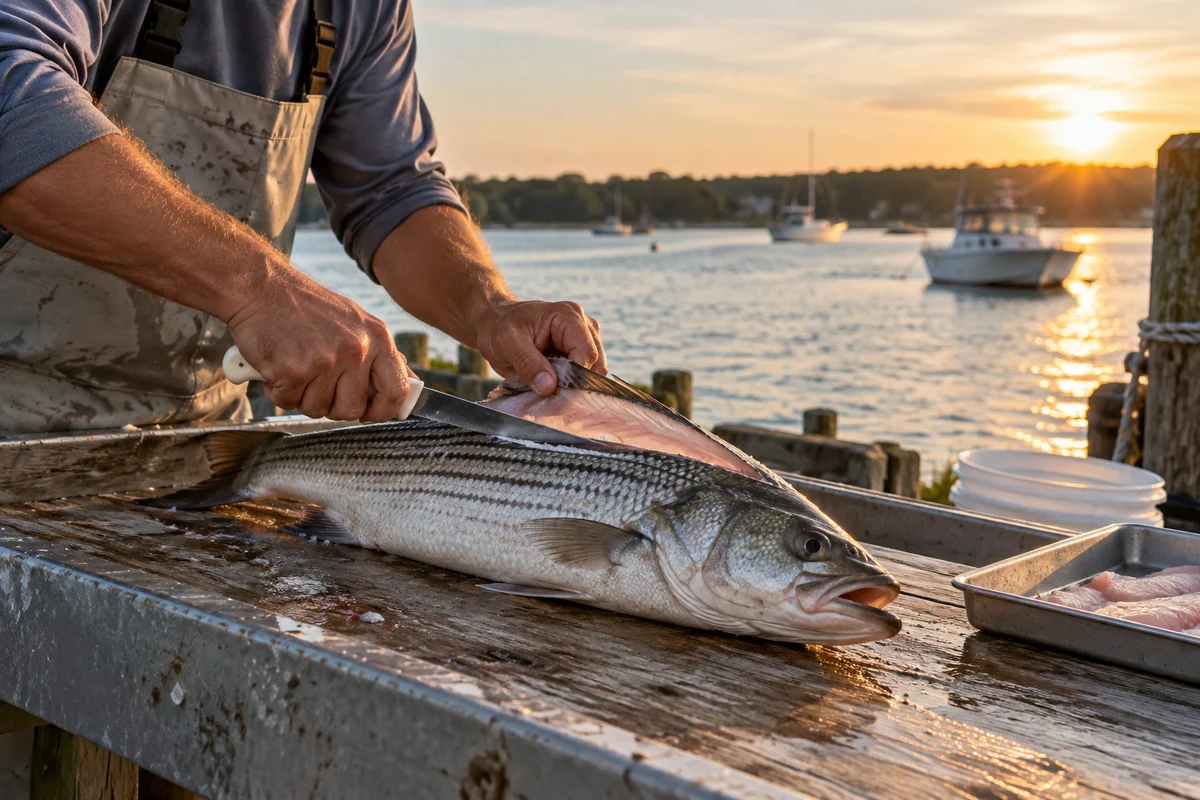
A record does not make a fish more important than the health of the fishery. Keep only what is lawful and needed, and do not delay release for repeated photographs. For safe preparation advice after a lawful harvest, our guide to cleaning striped bass covers general fish-cleaning considerations; species-specific regulations and handling needs still apply.
What should you do when a possible record is reported?
Treat early reports as provisional. Ask which record organization is involved, whether the fish was weighed under that organization’s rules, and whether a decision has been issued. Separate firsthand documentation from later retellings, and do not infer a record from a fish’s apparent size in a photograph.
If you are the angler, preserve original files and paperwork, and contact the relevant registry promptly for its current application process. If you are reporting someone else’s catch, identify the claim as unverified unless you can point to a current official listing. This approach respects the angler while preventing a dramatic story from turning into an unsupported fact.
Explore more saltwater fishing coverage for practical guides to coastal species, fishing context, and responsible angling. Clear distinctions among a catch, an application, and an approved record make the stories anglers share more useful—and more trustworthy.
Frequently asked questions
Does a large black drum automatically count as a world record?
No. A fish must meet the rules of a specific record category, with acceptable identification and documentation. A report or application alone is not official recognition.
Can a photograph prove the weight of a black drum?
A photograph may support a claim, but it generally cannot establish a verified weight by itself. Check the record organization’s requirements for scale documentation, witnesses, and other evidence.
Where should I check a current record claim?
Start with the official record-keeping organization named in the claim and confirm the category and listing directly. For fishing rules, consult the state or regional agency responsible for the waters where the fish was caught.
Sources & further information
Consult these primary sources for current regulations, technical information and local guidance.