First Fallfish Record Maryland: How to Verify a Catch
A careful guide to interpreting claims about a first fallfish record in Maryland, from species identification and documentation to official recognition and conservation.
A first fallfish record Maryland claim needs more than an impressive fish and a memorable day. It needs a confirmed species identification, clear documentation, and a recognized process for evaluating the catch. The legacy phrase in this topic is not proof that a record was established, and without a verifiable agency or registry notice, it is best treated as a question—not a confirmed event. Here is how anglers can check a claim and record a catch responsibly.
What does “first” mean in a fishing record?
“First” can describe several different things: the first fish of a species reported in a particular place, the first entry accepted by a state program, or the first catch recognized by a private record organization. Those are not interchangeable. A fish can be caught and photographed without ever being entered in a formal program, while an agency may maintain biological records that are separate from angler-award records.
The phrase first fallfish record Maryland therefore calls for a specific question: first according to whom, under which rules, and for what category? A state record usually refers to an accepted fish that satisfies a program’s eligibility and evidence requirements. A first documented occurrence could instead refer to a scientific or survey record. A news headline or an old web address does not establish either one.
Before repeating a claim, look for the issuing organization’s own announcement or record listing. Check the date, waterbody, species name, category, and whether the listing remains current. If no primary record is available, use cautious wording such as “a reported catch” rather than presenting an unverified first as settled fact.
How can you identify a fallfish confidently?
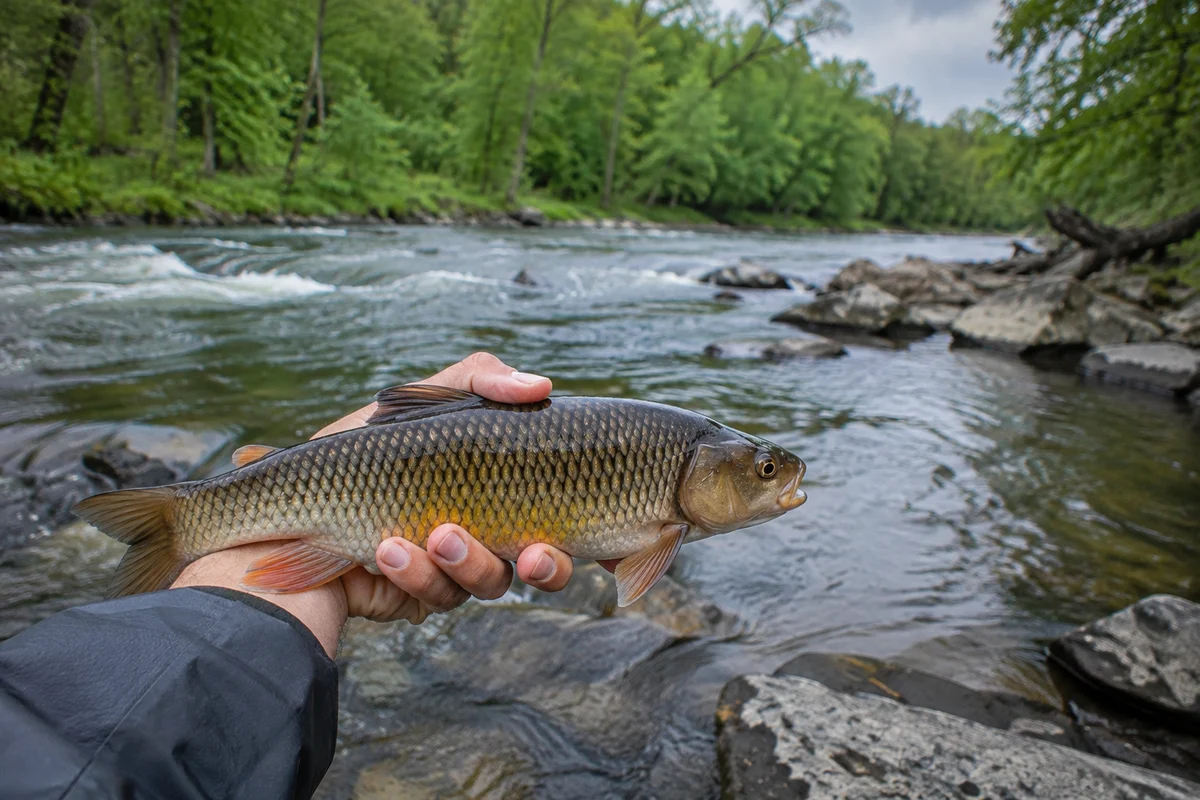
Fallfish are freshwater minnows in the family Leuciscidae, and large individuals can be mistaken for other silvery, deep-bodied fish. Identification should rely on a combination of features, not size or location alone. Examine the body shape, mouth, fins, scale pattern, and coloration, and compare those traits with a current field guide or a reliable fisheries reference. Juveniles and spawning fish may look different from familiar adult examples.
Photograph the fish from the side in even light, with enough detail to see the head, fins, and body. Include a close view of distinguishing features without handling the fish longer than needed. If the species is uncertain, ask a fisheries biologist or a knowledgeable local identification service before submitting a record. Do not claim certainty based solely on an online comment thread.
Maryland has diverse freshwater habitats, but geography alone cannot confirm an identification or a record category. Review applicable state fishing information and local regulations before handling or transporting a fish. Regulations, protected status, seasons, and methods can vary by species and waterbody; check the current guidance from the Maryland Department of Natural Resources rather than relying on a remembered rule.
What evidence makes a record claim checkable?
Good documentation answers basic questions without embellishment. Note the date, approximate time, waterbody and access area, fishing method, and conditions. Take original photographs that show the whole fish and its identifying traits. If size or weight is relevant under a program’s rules, follow that organization’s specified measuring method and preserve the original measurement record.
A scale reading is not automatically an official weight. The scale may need to be certified or checked, and the fish may have to be weighed by an authorized witness or facility. Some programs accept length-based categories; others have different rules. Never assume that a photo beside a ruler, a social-media post, or an angler’s estimate satisfies formal requirements.
Keep records contemporaneous. Save original image files, retain any measurement receipt, and write down who observed the catch. Avoid editing photographs in ways that obscure the fish or measurement. If a program has a required application form, use its instructions and contact the administrator before the submission deadline. Requirements can change, so a past example is not a substitute for the current rules.
Where should anglers verify Maryland recognition?
Start with the authority that would issue the recognition. For a state angling record, look for a current state record program and its official entry criteria. For a scientific occurrence, look for an agency survey, published report, or other primary biological source. For an international angling record, consult the organization’s own species and eligibility rules. Each answers a different question.
The International Game Fish Association maintains its own record categories and submission requirements; its listing should not be confused with a state agency record. Similarly, state wildlife information can help with species and regulations but may not certify an angler’s record. If a purported first fallfish record Maryland claim does not appear in the relevant primary source, contact the organization directly and ask whether it was submitted, accepted, or simply reported informally.
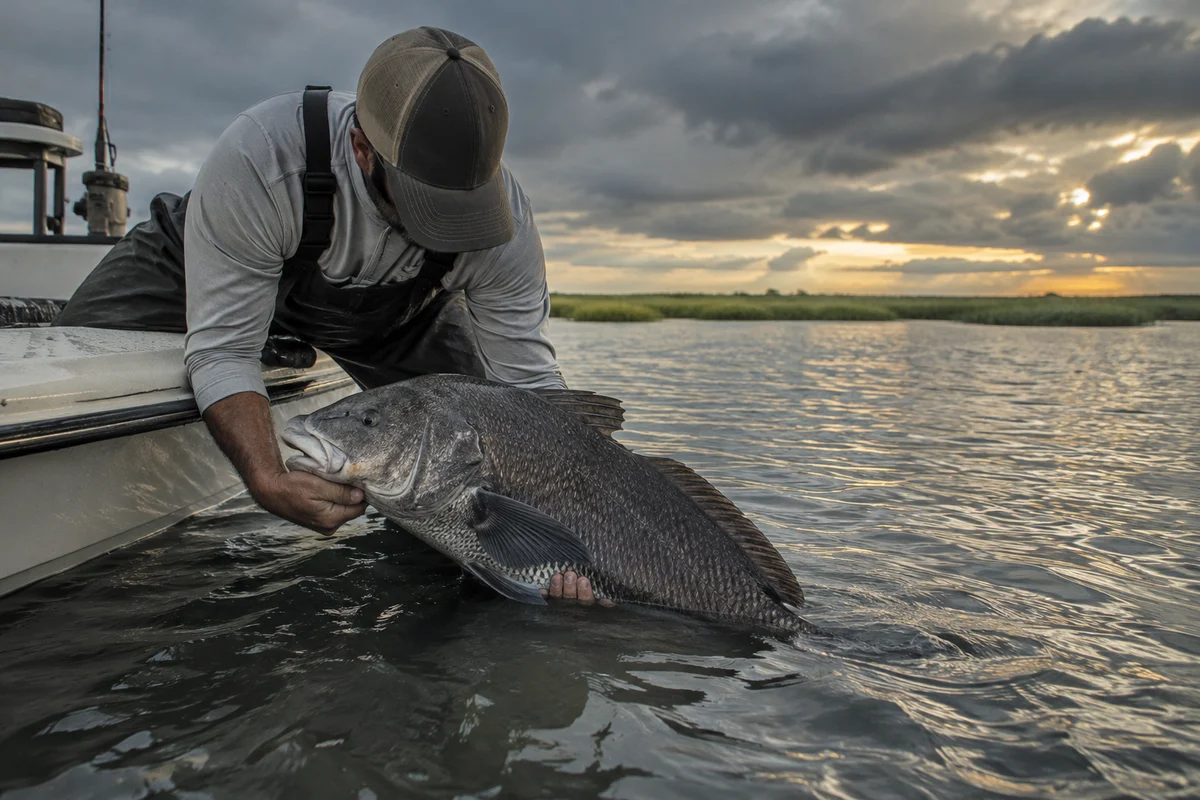
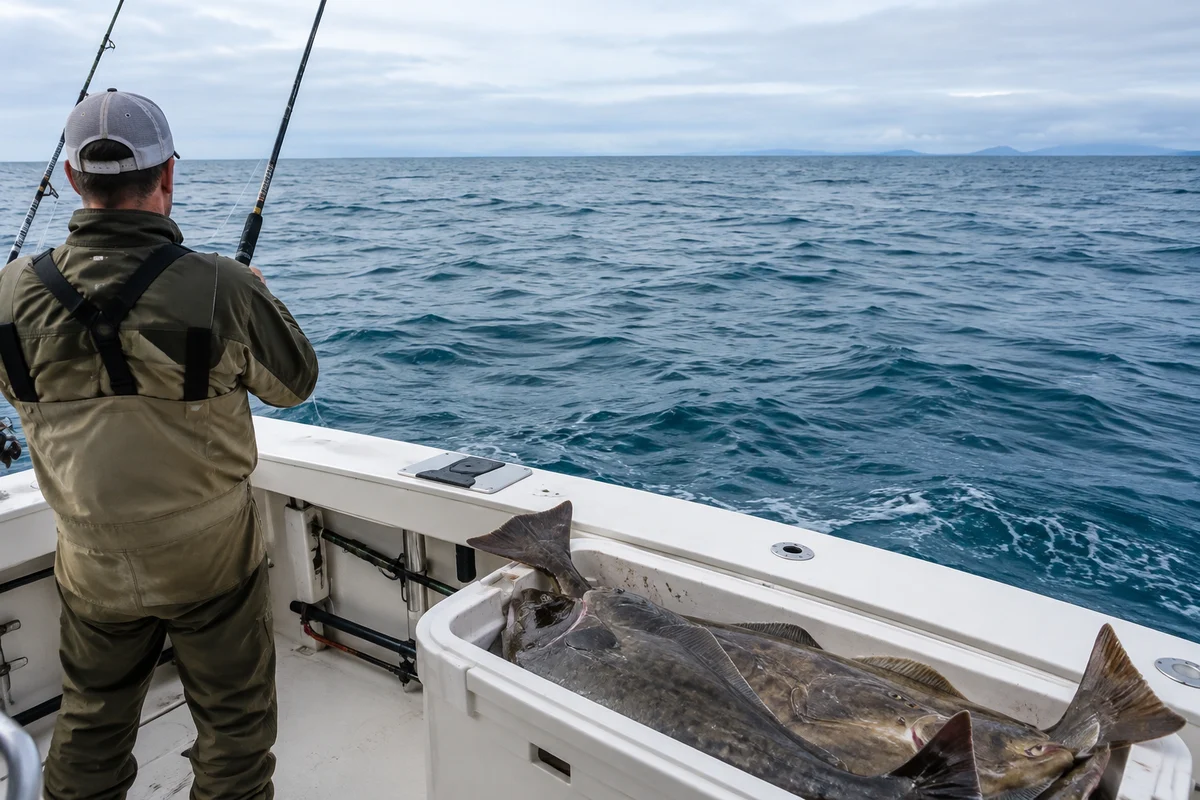
Readers interested in how record claims are discussed across fisheries can explore reported granders caught on a boat and this account of a claimed world-record black drum. The useful lesson in both cases is to distinguish an exciting report from a formally verified result. For more outdoor coverage, browse our saltwater and fishing coverage; record verification is only one part of responsible angling.
How should you handle and release a fish?
If you are not retaining the fish under applicable rules, prepare before lifting it from the water. Wet your hands, minimize air exposure, support the body horizontally, and avoid squeezing the abdomen or touching the gills. Keep the fish over the water while taking a quick photograph. Release it gently and allow it to swim away under its own power.
If a formal record entry requires the fish to be retained or weighed, do not assume that a record goal overrides fishing regulations or animal-welfare considerations. Check the rules first, and follow the record program’s requirements only when lawful. When identification is uncertain, a clear set of brief photographs may be more responsible than prolonged handling. Local fisheries staff can advise on appropriate procedures for a particular species and location.
Anglers should also avoid moving live fish between waters, discarding bait or aquarium species, or sharing gear without cleaning it when invasive species could be spread. Follow local guidance for disposing of unused bait and cleaning equipment. Conservation-minded documentation helps make a catch useful without creating avoidable harm.
Common mistakes when repeating a record story
The most common error is treating a slug, headline, or repeated social post as a primary source. Search for the agency or record organization’s actual entry, and make sure the species, location, and category match. A second mistake is confusing a fish’s unusual size with a record: size alone says nothing about recognition or eligibility.
Another pitfall is mixing biological records with angling records. A survey can document a species in a watershed without recognizing a particular angler’s catch. Conversely, an angler’s accepted entry does not necessarily establish a scientific first occurrence. Always state which kind of record is being discussed.
Finally, don’t infer missing details. If no verified weight, date, exact location, or official status is available, leave it out. The most useful account explains what is known, what the relevant authority confirms, and what remains uncertain. That approach protects readers from misinformation and respects the work of anglers, fisheries staff, and record administrators.
A practical checklist before sharing a claim
- Identify the authority responsible for the specific record category.
- Find a primary listing or confirmation, not merely a repost.
- Match the species, location, date, and category to that source.
- Separate accepted recognition from an unverified report or survey observation.
- Use only documented measurements and describe their method accurately.
- Follow current state rules and minimize handling if releasing the fish.
- If verification is unavailable, label the story as unconfirmed.
A record claim can still be an interesting fishing story without being described as a first. Careful identification, transparent evidence, and precise language make the story stronger—and help keep Maryland’s fisheries and angling traditions in view.
Frequently asked questions
Is a first fallfish record in Maryland confirmed?
The topic phrase alone does not verify a record. Confirmation requires a primary listing or direct statement from the organization responsible for the relevant state, scientific, or angling-record category.
What should I photograph when documenting a fallfish?
Take clear, unaltered images of the full fish and visible identification features. If submitting a record, follow the program’s current photo and measurement instructions, which may require additional evidence.
Does a state fishing agency certify every record claim?
No. An agency’s species and regulation information is distinct from record recognition. The relevant record program or registry determines whether a submission qualifies under its own rules.
Sources & further information
Consult these primary sources for current regulations, technical information and local guidance.