Rare Deep-Sea Creatures: How to Understand Life in the Dark
The deep ocean is not a single, uniform wilderness: pressure, darkness, food supply, and depth shape very different habitats and the animals found in them. Learn what makes a species rare, how sightings are verified, and how to follow discoveries responsibly.
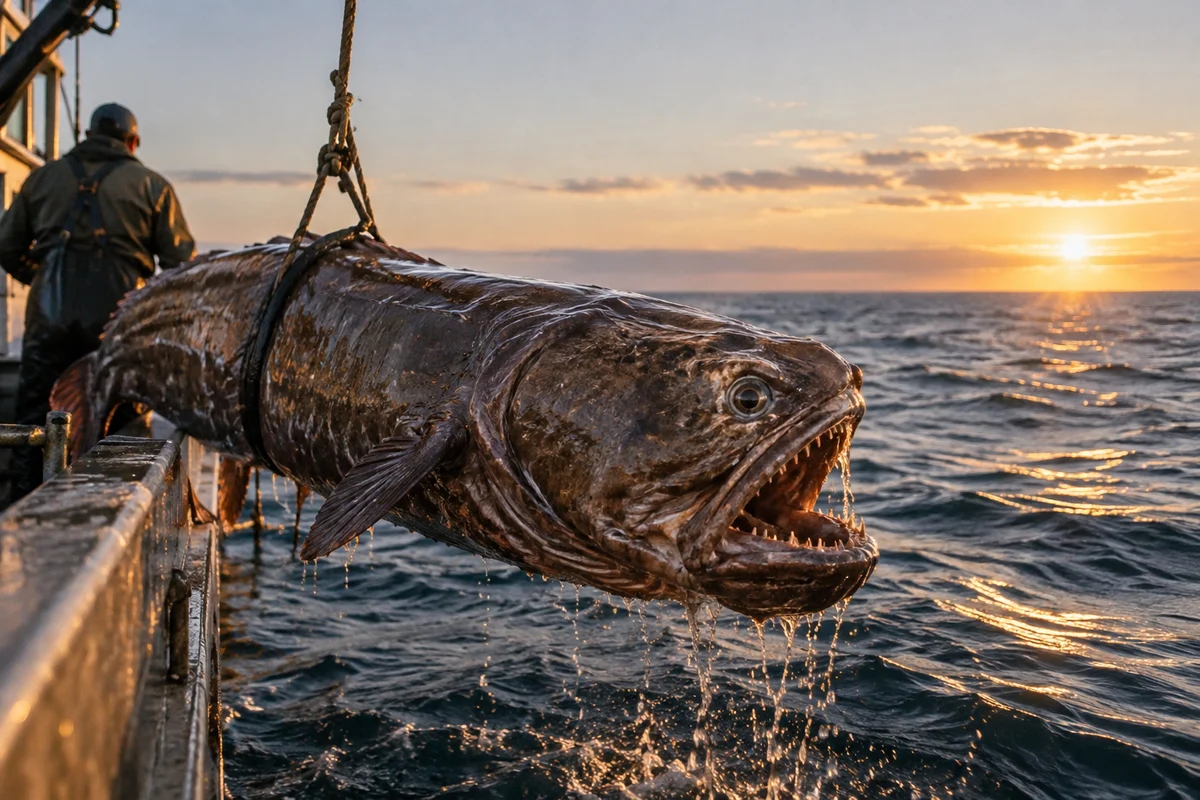
The phrase rare deep sea creatures can describe animals that are genuinely scarce, but it can also mean familiar species rarely seen by people. Those are different things. Much of the deep ocean is difficult to observe, so a striking animal may be poorly documented without being biologically rare. Understanding that distinction makes reports more meaningful—and keeps a dramatic image from becoming an unsupported claim.
The deep sea is commonly used for waters below the sunlit surface layer, though researchers and institutions may draw boundaries differently. Conditions change with depth and location: sunlight fades, temperatures are often low, pressure rises, and food can be limited. Yet the ocean floor, open water, seamounts, trenches, and deep reefs are not interchangeable habitats. Their residents have different ways of finding food, avoiding predators, and reproducing.
For anglers, these discoveries also offer a reminder that the familiar fishing grounds are connected to a much larger marine system. Our saltwater fishing hub covers the coastal and offshore world where currents, habitat, and species overlap.
What makes a deep-sea animal rare?
“Rare” has several meanings in biology and conservation. A species may have a small population, occupy a very limited range, or face serious pressures. It may instead be widespread but encountered infrequently because it lives far below the surface, is active at particular times, or avoids sampling equipment. A handful of observations cannot by itself distinguish these cases.
Scientists build a picture from repeated, documented observations. They consider where an animal was found, the depth and conditions, whether the identification is reliable, and how much survey effort took place. A species known from few records may simply be hard to detect. Conversely, repeated sightings in a small area do not automatically establish that its global population is healthy.
A useful way to read an exciting report is to ask what it actually establishes:
| Evidence in a report | What it can support | What it cannot establish alone |
|---|---|---|
| A clear image with location and date | A likely visual observation at that place and time | Global abundance or conservation status |
| A specimen examined by qualified experts | Stronger identification evidence, depending on documentation | A population trend from one individual |
| Repeated surveys using stated methods | Comparisons across places or time, if effort is comparable | Complete knowledge of a vast, changing ocean |
| A viral clip with no context | That an image is circulating | Species, depth, location, or rarity |
Why the deep ocean produces unusual adaptations
In the open ocean, animals may need to detect prey or mates across darkness and distance. Some species produce light through bioluminescence; others use sensitive vision, touch, smell, or electrical sensing. Light can serve different purposes, including communication, camouflage, or luring prey. It is not a universal deep-sea strategy, and a glowing animal is not automatically a newly discovered one.
Food is another challenge. Sunlit surface waters support much of the ocean’s primary production, and some organic material sinks into darker waters. This falling material is sometimes described as marine snow. Other deep-sea communities depend on different food pathways, including chemical energy in particular environments. Animals may have slow metabolisms, opportunistic diets, or body forms suited to infrequent meals, but adaptations vary widely across groups and habitats.
Pressure rises as depth increases, affecting the bodies and chemistry of organisms. Deep-living species are adapted to their normal conditions; bringing them rapidly to the surface can damage them. This is one reason a photo of an animal at the surface may not show it as it lives in its habitat. It also complicates attempts to observe or study fragile organisms.
How researchers find and identify elusive species
No single instrument can survey the whole deep ocean. Researchers combine methods to answer different questions. Remotely operated vehicles can carry cameras and sampling equipment; autonomous vehicles follow programmed routes; sonar can map structure or detect objects; and research vessels can collect environmental measurements. Each method has limits: cameras cover a restricted field, vehicles are expensive to operate, and sampling gear can miss animals or affect the habitat being studied.
Identification requires more than a memorable shape. Experts may compare visible anatomy, measurements, genetic material, and the known range of related species. Images should be considered alongside metadata such as coordinates, depth, date, camera conditions, and the chain of custody for any collected specimen. When those details are absent, a careful account should say “unconfirmed” rather than turn uncertainty into a definitive name.
The same caution applies to reports that an animal was found at an “unprecedented” depth or is “the rarest” of its kind. Such claims need a defined comparison and reliable records. Public agencies and scientific institutions can provide context on marine life and ocean research; a single social post generally cannot.
A practical checklist for evaluating a sighting
Before sharing a claim about an unusual deep-sea animal, use this quick check:
- Find the original source. Is the image or report from a research institution, agency, vessel, or named observer with relevant documentation?
- Check the context. Are location, date, depth, and observation method stated? If not, treat precise claims cautiously.
- Look for an identification basis. Is the species named by a credible expert or institution, and is uncertainty acknowledged?
- Separate observation from interpretation. “Seen on camera” is not the same as “new species,” “endangered,” or “population increasing.”
- Seek corroboration. Look for independent institutional or scientific coverage, not just copies of the same post.
- Respect wildlife and habitat. Do not encourage handling, capture, or disturbance based on a sensational image. Follow local rules and report unusual observations through appropriate official or research channels.
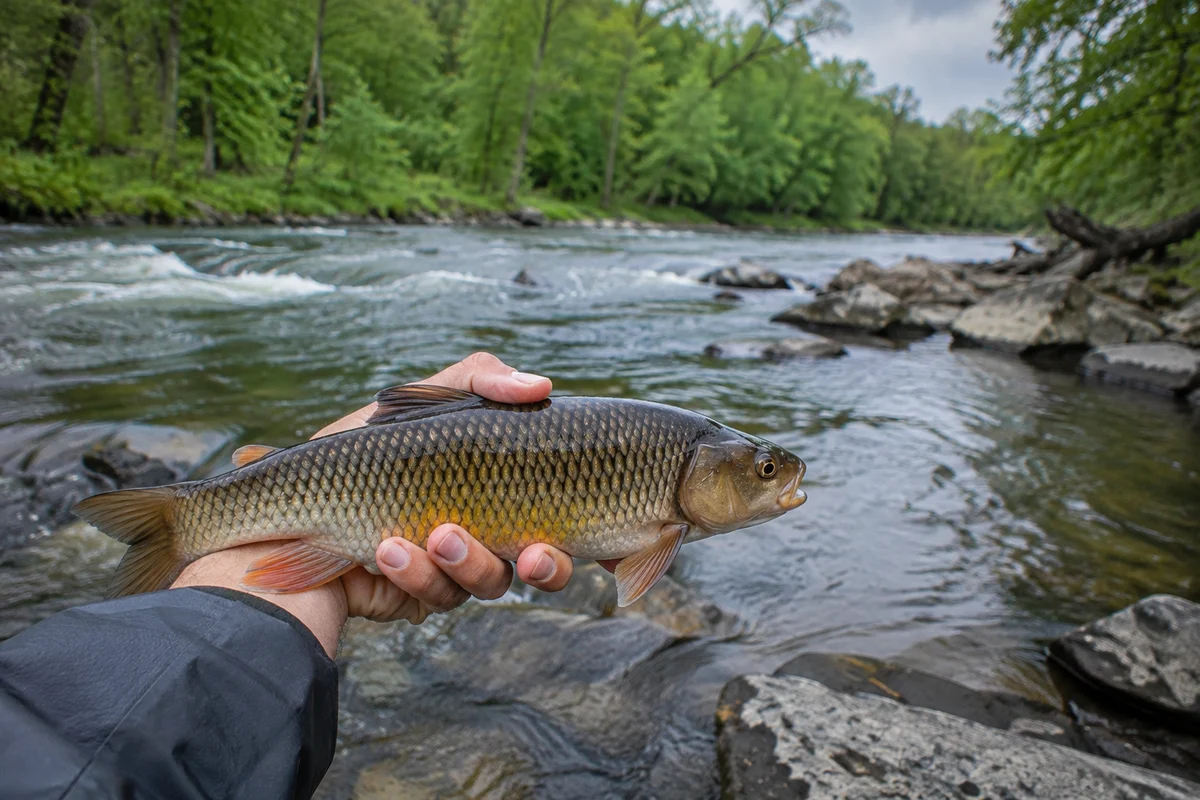
This framework is useful well beyond deep water. For example, interpreting a Chesapeake Bay sturgeon survey depends on what was surveyed and how, while a longnose gar record report calls for checking the relevant recordkeeping process. In both cases, a result is only as clear as its methods and documentation.
What sightings can—and cannot—tell us about conservation
A rare encounter can raise valuable questions about distribution, habitat, or changes in ocean conditions. It does not, on its own, demonstrate that a species is recovering or in decline. To infer trends, researchers need consistent observations over time and an understanding of changing survey effort. Better cameras can produce more sightings even when the animal’s abundance has not changed.
Deep-sea environments also face pressures that vary by place and activity. Fishing, pollution, climate-driven changes, and seabed disturbance can affect marine ecosystems, but risks and protections are not identical everywhere. Conservation decisions therefore depend on species-specific evidence, habitat information, applicable law, and management review. Avoid treating the ocean as either untouched wilderness or a uniformly endangered zone.
For readers, the most useful habit is to follow the evidence rather than the adjective. A well-documented observation can be important even when the animal is not exceptionally rare. And a species with few public records deserves careful study, not confident claims built from missing data.
How to follow deep-sea discoveries responsibly
Prefer reports that link to the institution or research program behind the observation. Read beyond headlines for the location, method, identification confidence, and caveats. When researchers describe an animal as unusual, note whether they mean unusual appearance, an uncommon encounter, a range extension, or a formally recognized new species. These are not interchangeable claims.
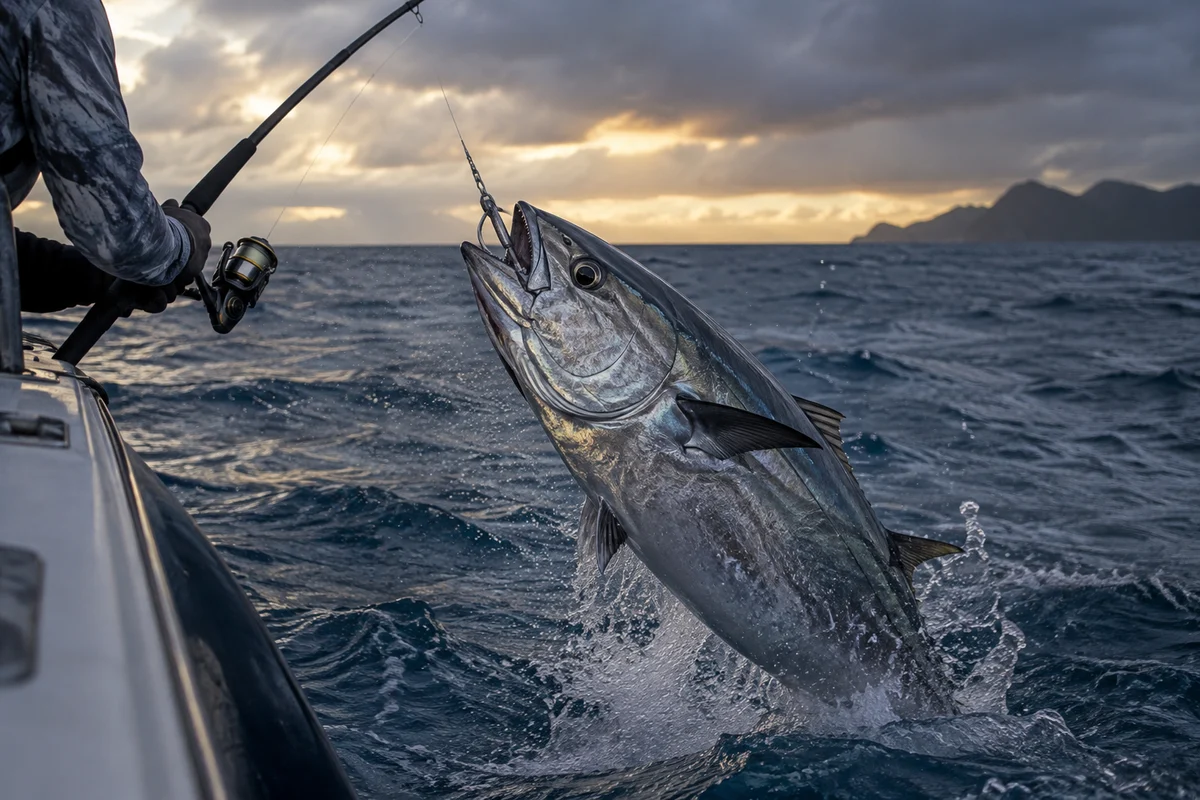
You can also support ocean literacy by sharing the source, not a detached image; preserving uncertainty in your wording; and avoiding posts that invite people to approach or collect wildlife. If you fish, learn the rules for the waters you use and handle any unexpected catch only as regulations and safety allow. The broader context of saltwater fishing and marine habitats helps connect offshore observations with the ecosystems people encounter nearer shore.
Deep-sea exploration will continue to reveal organisms and behaviors that are difficult to observe from the surface. The strongest stories will be the ones that pair wonder with careful identification, clear methods, and honest limits. That approach makes every credible discovery more useful—not less remarkable.
Frequently asked questions
What counts as a rare deep-sea creature?
It may mean a species with a small population or restricted range, or simply one rarely observed because it lives in a hard-to-survey habitat. A few sightings cannot distinguish those explanations.
How do scientists confirm the identity of a deep-sea animal?
They may combine images, anatomical comparisons, measurements, genetic evidence, and collection details such as location and depth. The evidence and uncertainty should be documented.
Does one sighting prove a species is endangered or newly discovered?
No. A sighting can prompt further study, but conservation status and new-species claims require stronger, carefully reviewed evidence.
Why are deep-sea animals difficult to study?
The habitat is vast, dark, and under high pressure. Research vehicles and sampling tools cover limited areas, cost resources to operate, and can miss animals or disturb fragile habitats.
Sources & further information
Consult these primary sources for current regulations, technical information and local guidance.