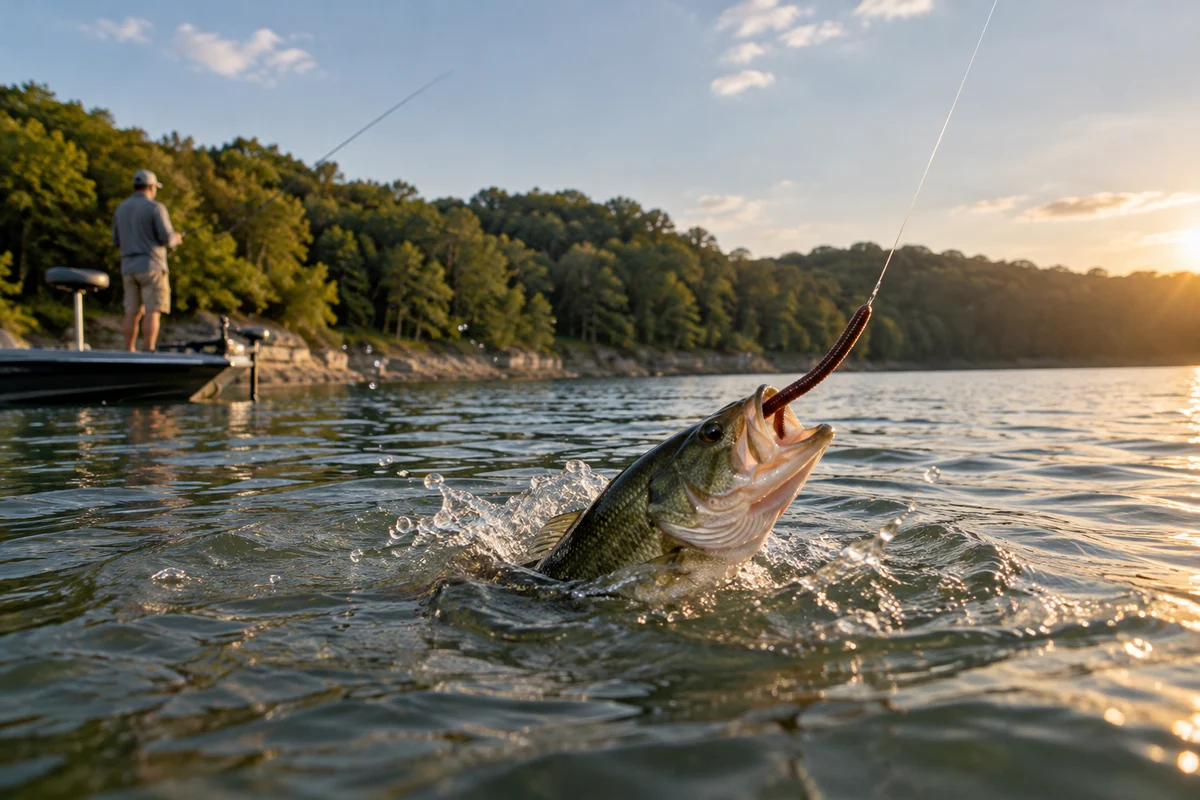
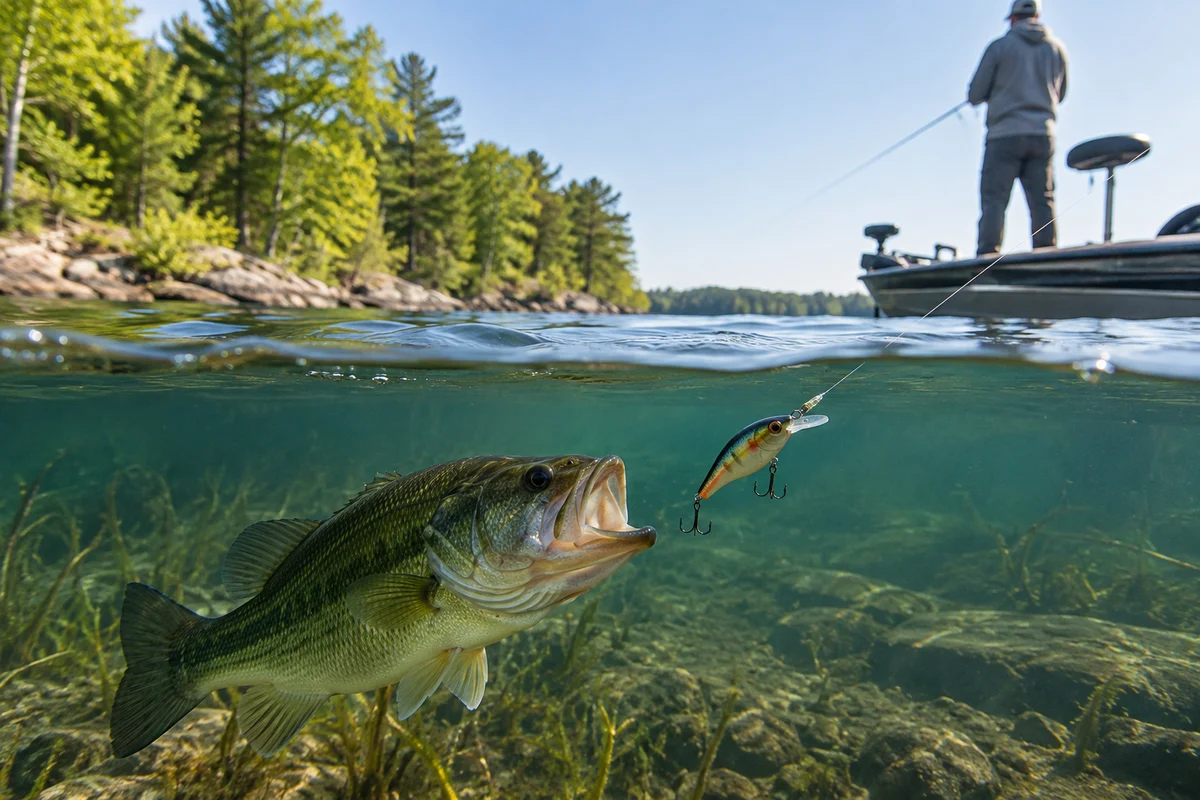
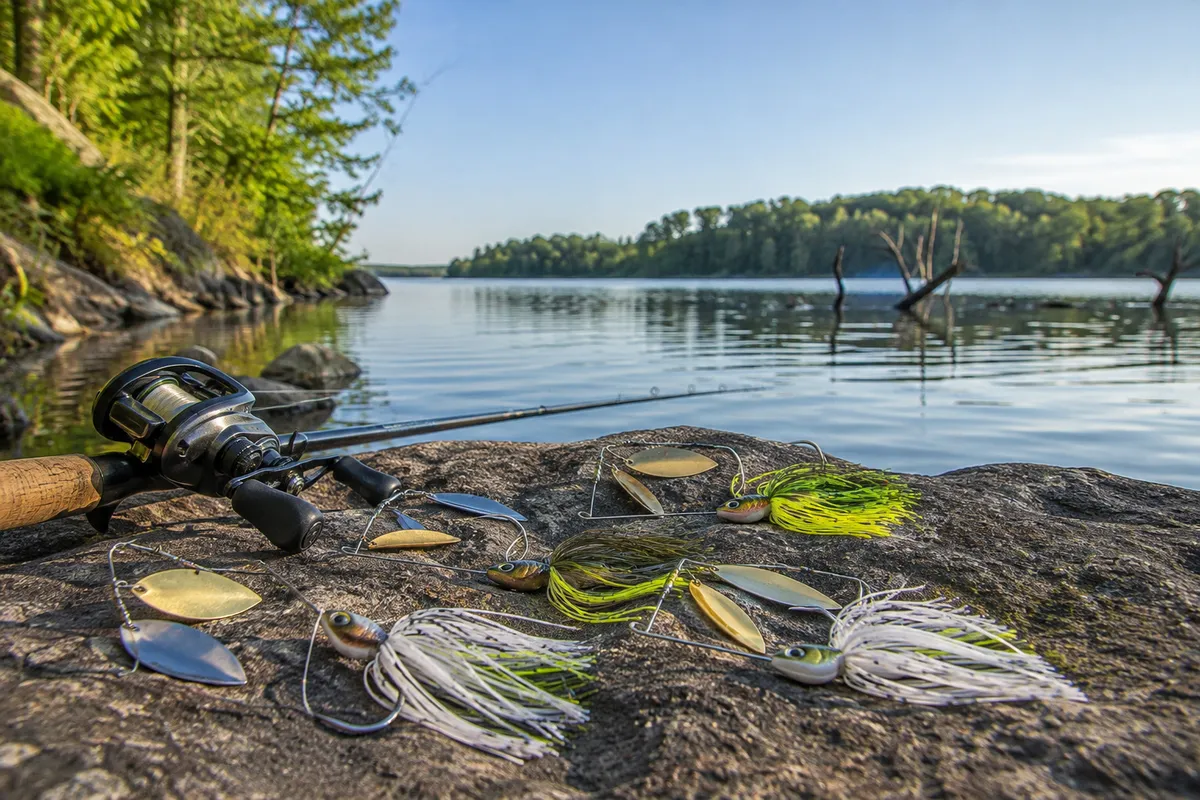
Crawfish Bass Bait: A Practical Guide to Fall Fishing
Crawfish-shaped lures can match a familiar bass forage, but success depends on where fish are feeding and how your bait moves through cover. Use this practical guide to select a presentation, adapt it to conditions, and avoid treating seasonal patterns as guarantees.
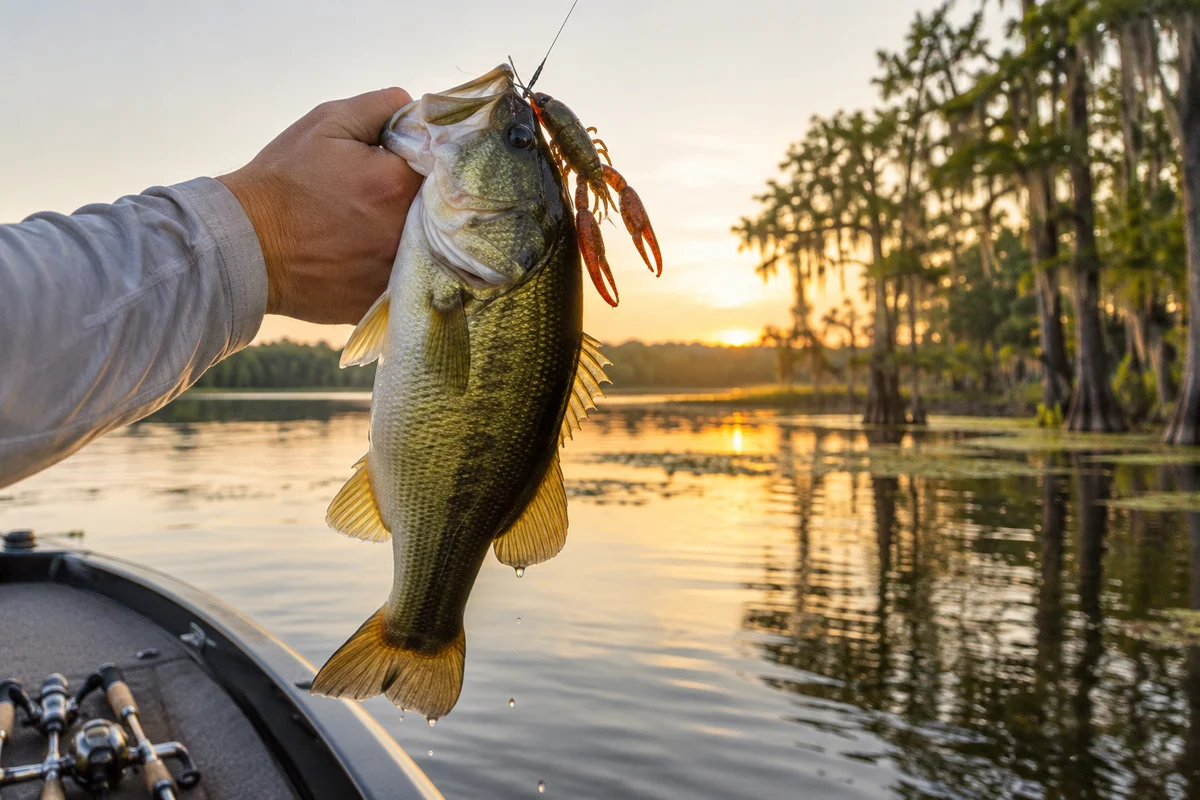
Crawfish bass bait can be a useful choice when largemouth or smallmouth are feeding close to the bottom, especially around rocks, wood, and other structure where real crawfish shelter. The key is not simply choosing a realistic-looking lure: it is matching its size, movement, and depth to the water and cover in front of you. Fall can offer good opportunities, but cooling weather does not make every bass abandon other forage or feed on crawfish. Observe first, then make deliberate adjustments.
This guide covers common crawfish-style lures, where and how to fish them, and a simple process for changing presentations when bites are scarce. For a broader foundation, see our bass fishing for beginners guide and the freshwater bass fishing hub.
What counts as crawfish bass bait?
The term includes soft-plastic craws, compact creature baits with craw-like claws, jig-and-trailer combinations, and hard baits designed to imitate a crayfish’s profile or movement. They differ in how they fall, deflect, and move through cover. A soft plastic can be rigged to crawl or hop along bottom; a jig can carry a trailer and work through heavier cover; a diving crankbait can bump rocks and trigger a reaction. None is automatically more lifelike or effective in every situation.
Think in terms of presentation rather than appearance alone. A bass may respond to a bait because it resembles available forage, because it crosses a strike zone, or because its movement prompts a reaction. The lure’s silhouette, rate of fall, and ability to reach the fish matter as much as color.
When does a crawfish imitation make sense in fall?
Use local clues. Rocky banks, gravel points, riprap, and hard-bottom transitions are places where crawfish may be present and where bass can intercept prey. A crawfish-style bait is also a reasonable option if you see bass holding near bottom or repeatedly contacting hard structure. In reservoirs and lakes, fish may instead follow schools of baitfish; in that case, a craw imitation may be less relevant until you locate bass relating to bottom or cover.
Water temperature alone is not a reliable switch. Fall weather can cool the surface while deeper water remains relatively stable, and conditions vary by region, lake, depth, and recent weather. Bass may feed in shallow water one day and hold deeper the next. Treat “fall pattern” as a starting hypothesis, not a rule.
Check for forage, cover, and fish activity. If you have access to local fisheries guidance, use it to understand seasonal conditions and regulations. The U.S. Fish and Wildlife Service provides national fish and wildlife information, while state agencies are the best source for local rules and waterbody-specific guidance.
Choosing a style, size, and color
Start with a bait you can control. In snaggy cover, a compact, streamlined soft plastic or a jig setup that is suited to the cover may be easier to work than a bait with wide appendages that catch every limb. In open water over rock, a bait that deflects cleanly and keeps contact with the bottom can help you track the structure. Match tackle and hook choice to the lure maker’s guidance and the conditions; there is no universal size or setup for all waters.
| Condition you observe | A sensible starting presentation | What to watch for |
|---|---|---|
| Rock or gravel with few snags | Jig-and-trailer or a bottom-contact soft plastic | Ticks, deflections, and changes in bottom feel |
| Wood or dense cover | More compact, weed-conscious craw-style bait | Whether the lure passes through without fouling |
| Fish suspended or chasing baitfish | Pause the craw imitation and reassess | Forage activity and the depth of visible fish |
| Clear water and calm conditions | A subtle profile and controlled movement | Whether fish follow but refuse the bait |
| Stained water or low visibility | A profile fish can detect and a deliberate retrieve | Whether strikes occur near cover or on the fall |
These are starting points, not prescriptions. Color should reflect water clarity, light, and the forage you observe. Natural browns, greens, and muted tones can blend with bottom-dwelling forage; darker or more contrasting colors may be easier to track in stained water. But local crawfish color varies, and anglers should avoid assuming that one shade is universally correct. Change one feature at a time so you can tell whether a change made a difference.
How to fish crawfish bass bait around cover
Make accurate casts to likely holding places: the edge of a rock pile, a point, the seam where rock meets softer bottom, or a gap beside cover. Let the lure reach the intended depth, then move it in controlled increments. A short drag, pause, or small hop can keep the bait near bottom without pulling it away from the structure. If the bait is repeatedly snagging, alter the angle of approach or choose a more suitable rig rather than forcing the same route.
Pay attention to the pause and the fall. Some strikes are subtle: the line may move sideways, go slack unexpectedly, or feel heavier than the bottom. Keep contact without making every movement abrupt. When you feel a likely bite, respond in a controlled manner appropriate to your tackle and local fishing rules; avoid jerking blindly around people, boats, or nearby anglers.
A crankbait or other moving craw imitation can be useful when you can make it contact rock or another hard edge. Let the bait deflect naturally, then continue the retrieve. If it hangs repeatedly, change the angle, depth, or lure rather than risking damage or leaving tackle behind. Respect shoreline access and avoid disturbing sensitive habitat.
For a different bottom-oriented approach, compare the conditions with our article on plastic worm rigs for bass. If water is cooling and fish are more willing to chase, our overview of swimming jigs for bass offers another presentation to consider. These are alternatives, not promises of a particular seasonal result.
A simple decision framework when bites stop
Before changing everything, diagnose the likely problem:
- Are you near fish? Revisit the location, depth, and signs of forage. A good lure cannot compensate for fishing empty water.
- Are you reaching the strike zone? Adjust casting angle, retrieve pace, or lure style to cover the depth and bottom more effectively.
- Is the bait fouling or snagging? Choose a more suitable profile or route through cover, and inspect the lure after contact.
- Are fish showing a different preference? If bass are chasing baitfish or suspended, test another pattern rather than insisting on a bottom imitation.
- Did a single change help? Alter one variable—such as size, color, or movement—then give the adjustment enough casts to evaluate it.
Keep brief notes about location type, depth, water clarity, weather changes, and what the bait contacted. Notes help separate a repeatable observation from a one-cast coincidence. They also make it easier to learn a particular lake without assuming the same pattern applies everywhere.
Common mistakes to avoid
A craw-shaped lure is not a guarantee that bass are feeding on crawfish. Avoid overworking the bait so quickly that it leaves the bottom zone you meant to target, but do not assume every fish wants a slow presentation either. Let the cover and fish response guide your pace.
Do not change several things at once. If you switch color, size, rig, and location together, you will not know what mattered. Avoid fishing one piece of cover endlessly, and do not treat a brief warm spell or a single bite as proof that a whole lake has shifted patterns. Finally, check local seasons, license requirements, and access rules before fishing. Regulations differ by jurisdiction and can change.
The practical takeaway
Crawfish bass bait is most useful when it lets you fish a plausible forage-and-cover combination effectively. Start around hard bottom or cover, choose a presentation you can control, and watch how the lure interacts with the structure. If evidence points toward suspended or chasing bass, adapt rather than forcing the craw pattern. Seasonal fishing is variable; careful observation and small, deliberate changes are more dependable than a rigid formula.
Frequently asked questions
When is crawfish bass bait worth trying in fall?
Try it when bass are near bottom around rocks, gravel, or cover, or when local observations suggest crawfish are available. Fall alone does not confirm that bass are feeding on crawfish.
What color craw bait should I start with?
Choose a color that is visible and plausible for the water clarity and local forage. Start with a natural tone in clear conditions or a more visible contrast in stained water, then change one variable at a time.
Should I fish a craw-style bait fast or slowly?
Use a pace that keeps the lure in the target zone and allows you to feel bottom or cover. Adjust based on strikes, snags, and fish activity rather than relying on a fixed retrieve speed.
Can I use crawfish bass bait around wood and weeds?
Yes, if the rig and lure can move through that cover without constant fouling. Use an appropriate profile and approach, and check the bait often for debris or damage.
Sources & further information
Consult these primary sources for current regulations, technical information and local guidance.