Fishing a 10 Inch Worm: A Practical Bass Guide
A long worm can be an effective choice when bass are holding near cover or responding to a slower presentation. Learn how to rig it, work it, and adapt to conditions without assuming bigger bait always means bigger fish.
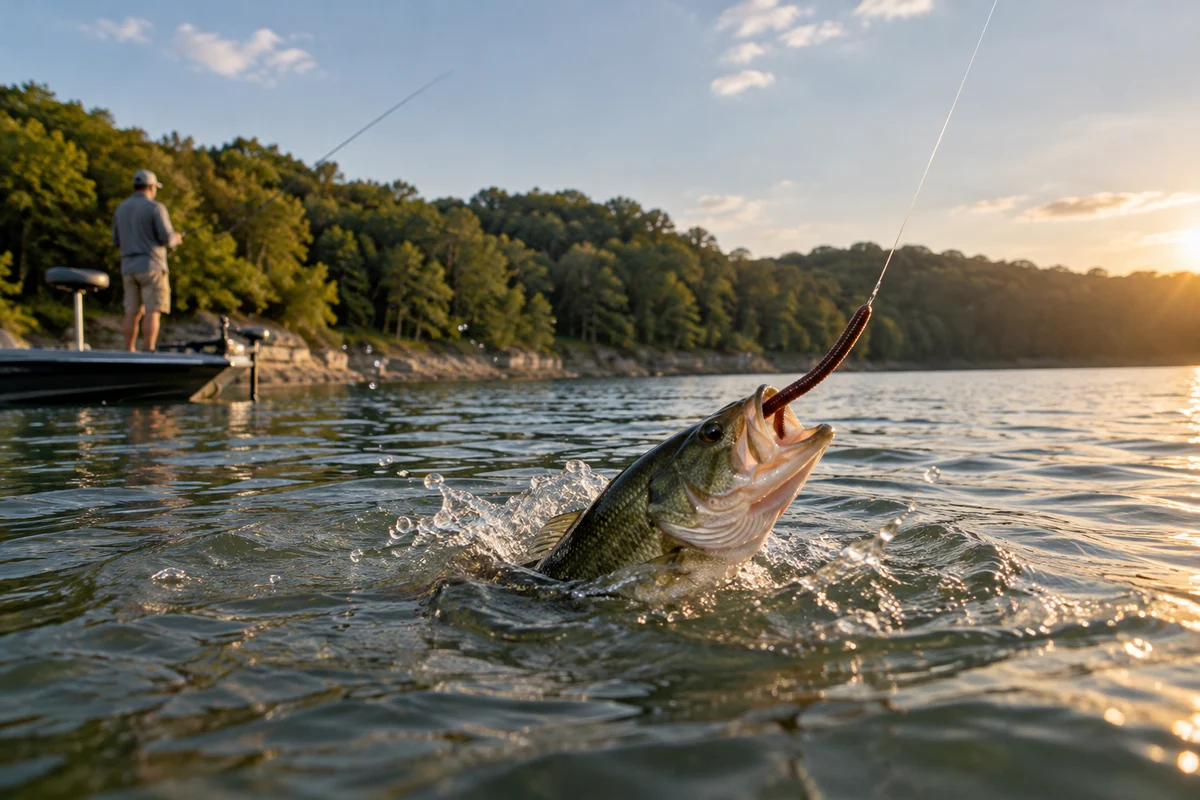
Fishing a 10 inch worm is a deliberate way to present a substantial soft plastic around bass cover, but length alone does not make a lure effective. The approach works best when you match the rig to depth and vegetation, keep contact with the bait, and give bass a controlled presentation. A long worm may draw attention in clear water or around scattered cover, yet a smaller bait or moving lure can be the better choice when fish are actively chasing. Treat it as one tool, not a guaranteed big-fish formula.
When does a long worm make sense?
Start with the conditions, not the calendar. A 10-inch worm can be useful when bass are near submerged vegetation, brush, docks, rock edges, or other structure where you can work a slow bait through likely holding areas. It gives a fish a noticeable profile and can be moved patiently, which is valuable when bass are not chasing fast presentations.
Water clarity and forage matter. In stained water, a darker or more visible silhouette may help fish locate the bait; in clear water, natural colors and a less abrupt presentation can feel more appropriate. These are starting points, not rules. Local forage, light, depth, and fishing pressure all affect what bass respond to.
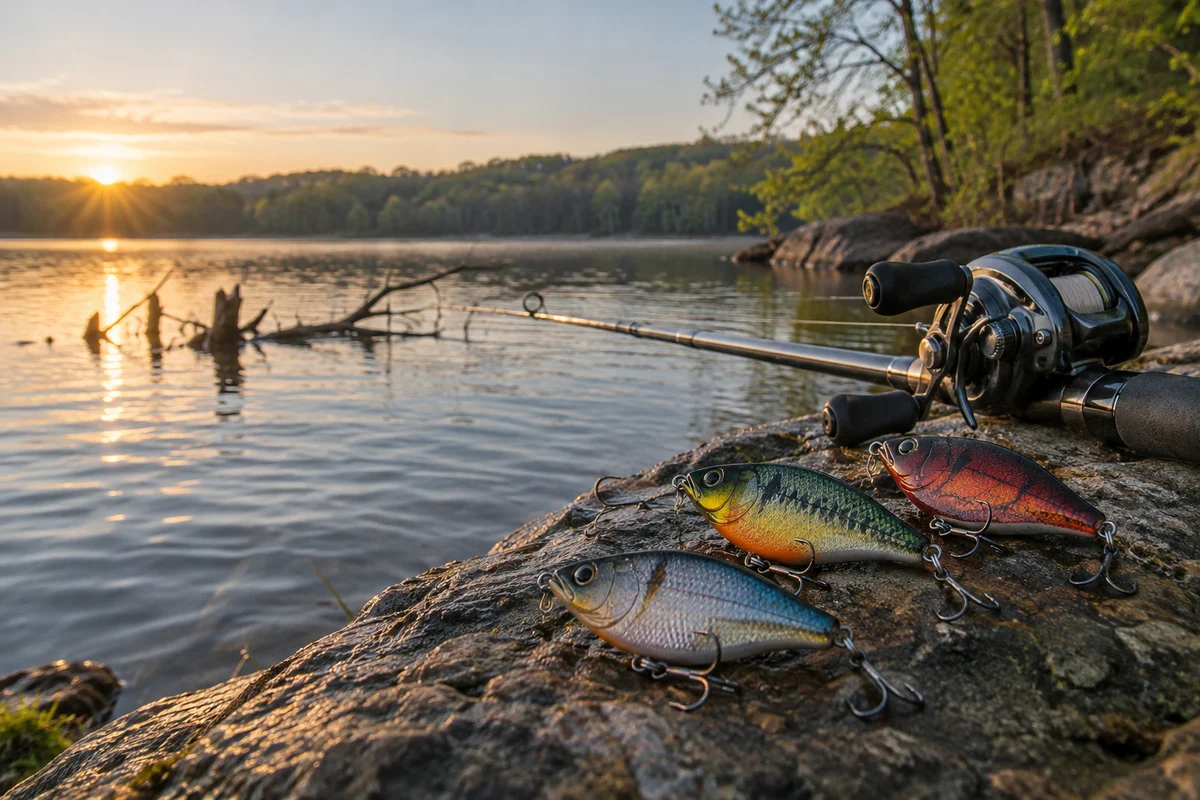
A long worm is less convenient in thick, snag-prone cover if the rig catches constantly, and it may be too slow when fish are feeding aggressively on moving prey. If bass are chasing, compare it with a search bait such as the options discussed in this guide to early-season bass lipless crankbaits. Cover water with a moving lure first, then slow down where you find activity.
Which rig should you choose?
A Texas-style rig is a versatile starting point around weeds and wood because the hook point can be kept close to the worm and less exposed to snags. Use a hook sized to the worm’s body and shape, and rig it straight: a kinked worm may twist or move unnaturally. Whether you add a weight depends on depth, wind, current, and cover. A light or weightless setup falls slowly; a weighted version reaches deeper water and maintains contact more readily.
A Carolina-style rig separates the weight from the worm and can help cover bottom along points, flats, or deeper edges. A wacky-style presentation may work around open water or sparse cover, but the exposed hook is more vulnerable to snags. Choose the simplest rig that reaches the strike zone and stays manageable. There is no need to use a heavy weight by default; excess weight can make the fall abrupt and reduce sensitivity to subtle bites.
Use tackle that balances control with the cover you expect. A rod with enough backbone to set a hook and steer a bass away from nearby vegetation is useful, while a reel and line should be appropriate for the rod and local conditions. Check line for abrasion after fishing around rock, wood, or vegetation. Because worm shapes and hook designs vary, follow the hook maker’s guidance rather than assuming one size fits every 10-inch bait.
How should you work the worm?
Cast past or alongside likely cover and let the worm fall on a controlled, slightly slack line. Watch the line as it drops; a twitch, sideways movement, or sudden stop can signal a bite. Once the bait reaches bottom, lift or drag it a short distance, pause, and let it settle again. Vary the pause and movement until you learn how fish respond.
Keep the motion restrained. A large worm can move with small rod-tip lifts, and repeated hard snaps may pull it out of the strike zone. Around a dock edge, work one section at a time rather than making a single hurried retrieve. Along a weed edge, cast parallel when practical so the bait stays near the cover for more of its path.
If you feel a bite, avoid instantly reeling against it while the line is slack. Take up slack, maintain contact, and set the hook with a firm, controlled sweep suited to your tackle and the cover. Do not yank blindly if you are unsure whether the worm is touching vegetation or a fish; a steady line and a deliberate response reduce wasted motion.
How do you adjust to depth and cover?
In shallow water, a weightless or lightly weighted worm can fall more naturally and avoid plowing into cover. In deeper water, a suitable weight helps you feel bottom and keep the bait in the intended zone. Wind and current also affect line control: if you cannot track the bait, adjust weight modestly, shorten the cast, or reposition rather than dragging a heavy rig through everything.
Vegetation calls for a weed-resistant setup and careful placement. Work openings and outside edges, and retrieve steadily if the worm collects strands. Around wood or rock, keep the rig compact enough to pass the cover, and expect to inspect the line after contact. If repeated snags make the presentation impractical, move to a nearby edge or switch to a rig better suited to that cover.
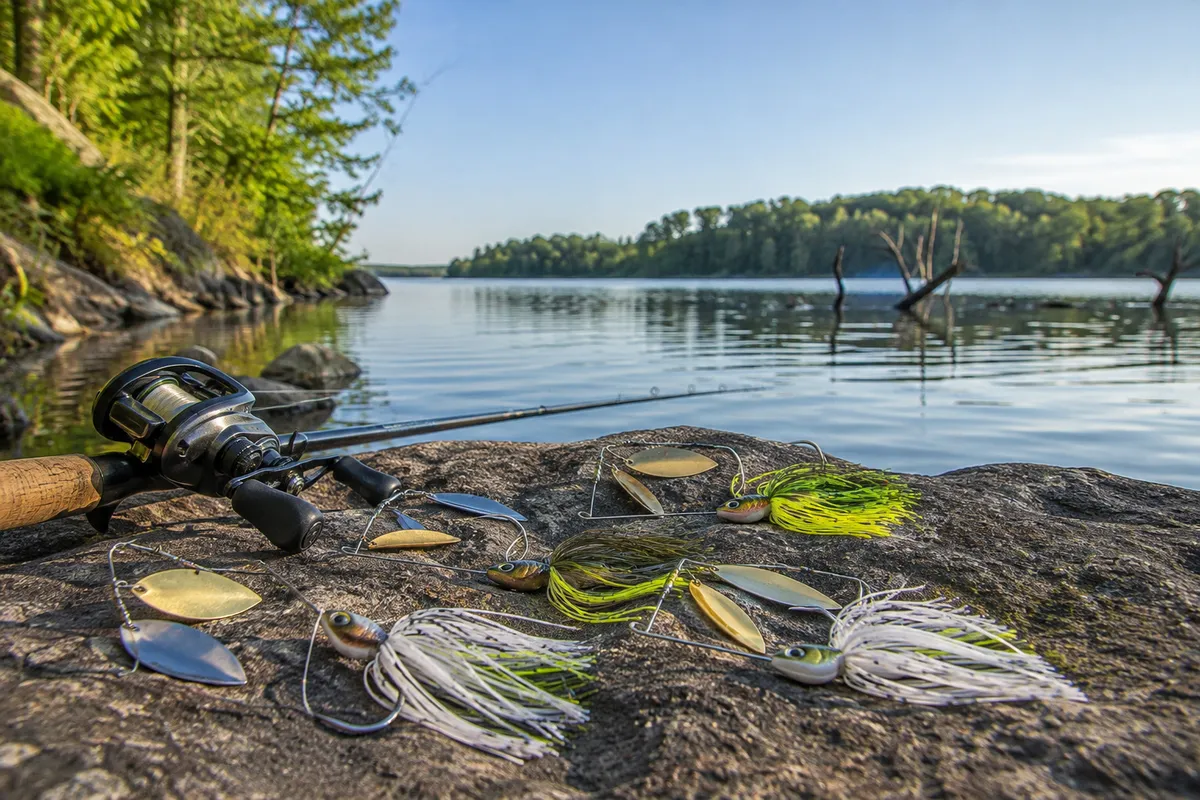
Bass may ignore a slow worm when they are actively feeding. A spinnerbait can be a useful alternative for covering shallow water and locating active fish; see how to choose a bass spinnerbait. Then return to the worm around a specific target if fish follow or strike short. Let observed conditions guide the change rather than staying committed to one lure.
What common mistakes reduce bites?
The first is treating length as a promise of larger fish. A 10-inch bait can be refused, and it may catch smaller bass too. The second is fishing it too quickly. A worm needs time to fall and remain near cover; rushing every cast removes much of its purpose. Conversely, an excessively slow retrieve through unproductive water wastes time. Make purposeful casts, then change location or presentation when evidence suggests fish are elsewhere.
Poor rigging is another frequent problem. A twisted body can spin, while a hook point exposed too far may snag. Recheck the worm after bites and cover contact. Also avoid assuming a single color or weight is universally best. Carry a small selection that lets you adapt to visibility and depth without turning each cast into a lengthy experiment.
Finally, handle bass carefully. Wet your hands before handling a fish, support its body, minimize time out of water, and release it promptly when that is your intent. Follow local regulations for seasons, size limits, and harvest. A useful fishing day includes attention to the resource as well as the lure. Find more freshwater bass techniques and related bass-fishing coverage.
How can you make the approach more efficient?
Use a simple test sequence. First identify a likely depth and cover type. Make several deliberate casts with a rig that can reach it. If you detect no contact or activity, adjust one variable—location, fall speed, or color—rather than changing everything at once. If the worm repeatedly catches, alter the rig or target the edge. If fish chase but do not commit, try a different pace or a moving lure.
Keep notes on conditions and outcomes, but treat a single outing as a clue rather than proof. Bass behavior changes across lakes and days. The most reliable lesson is often practical: where the fish were, how deep the bait traveled, and whether the bites came during the fall or after it settled. That information makes the next adjustment more useful than relying on a fixed recipe.
Frequently asked questions
Is a 10-inch worm only for trophy bass?
No. It offers a larger profile, but fish of different sizes may strike it, and a long bait does not guarantee a larger catch. Choose it for the presentation and conditions, not as a size filter.
Should a 10-inch worm always have a weight?
No. A weightless or lightly weighted rig can work in shallow water or when a slow fall is useful. Add enough weight to reach the target and maintain control in deeper water, wind, or current.
What should I do if the worm keeps snagging?
Check whether the hook point is protected, reduce or change the weight if suitable, and target the edge or openings in cover. If the rig still hangs up, choose a presentation better matched to that structure.
Sources & further information
Consult these primary sources for current regulations, technical information and local guidance.