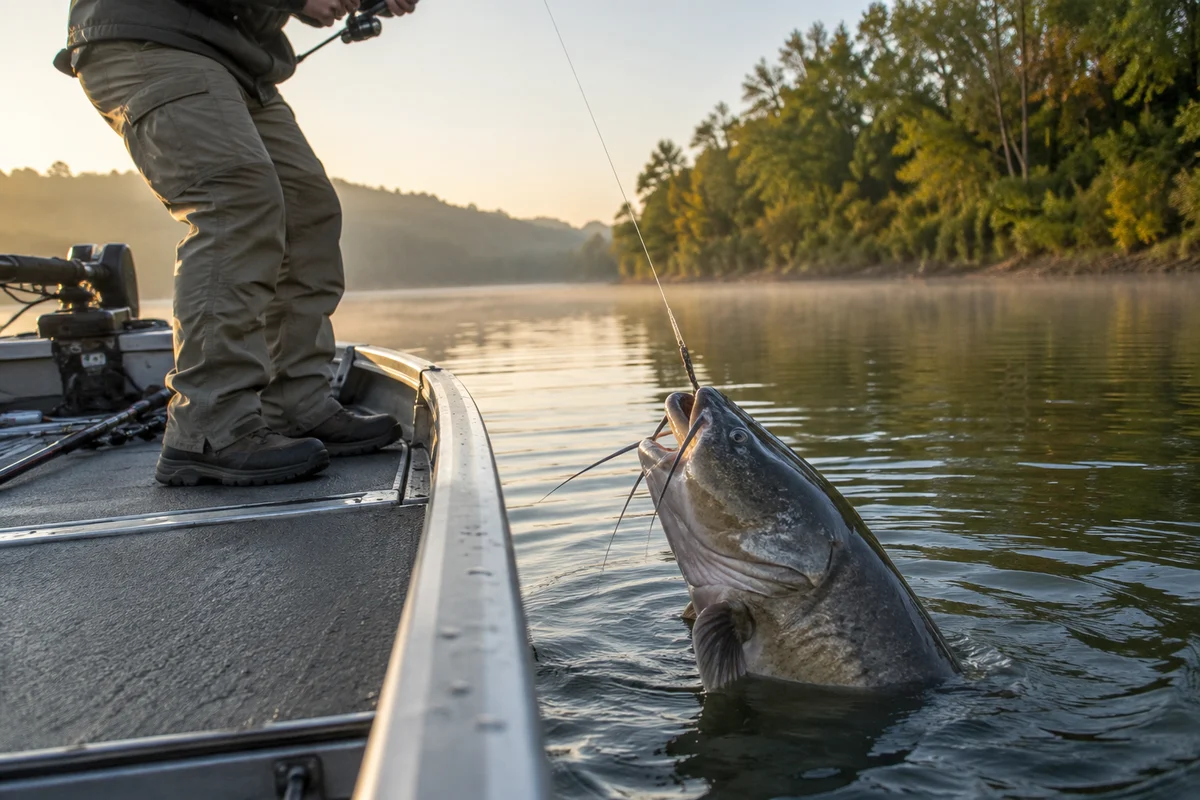
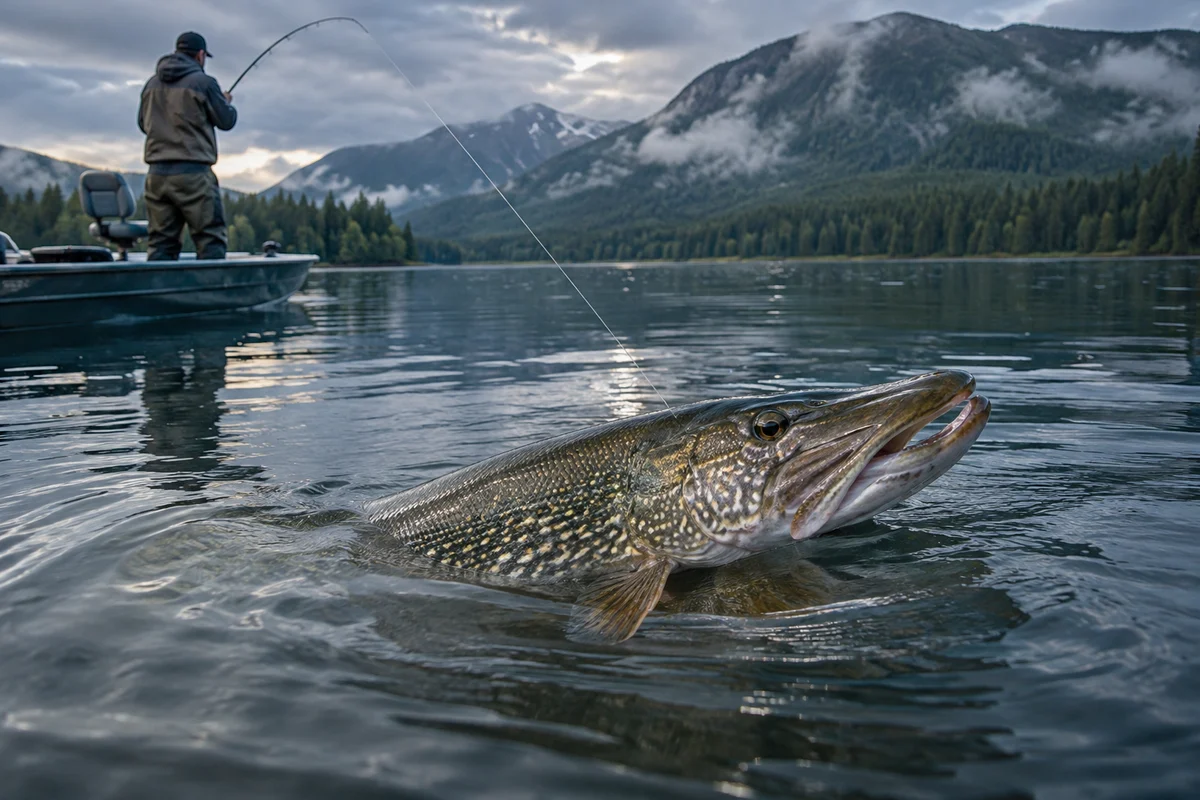
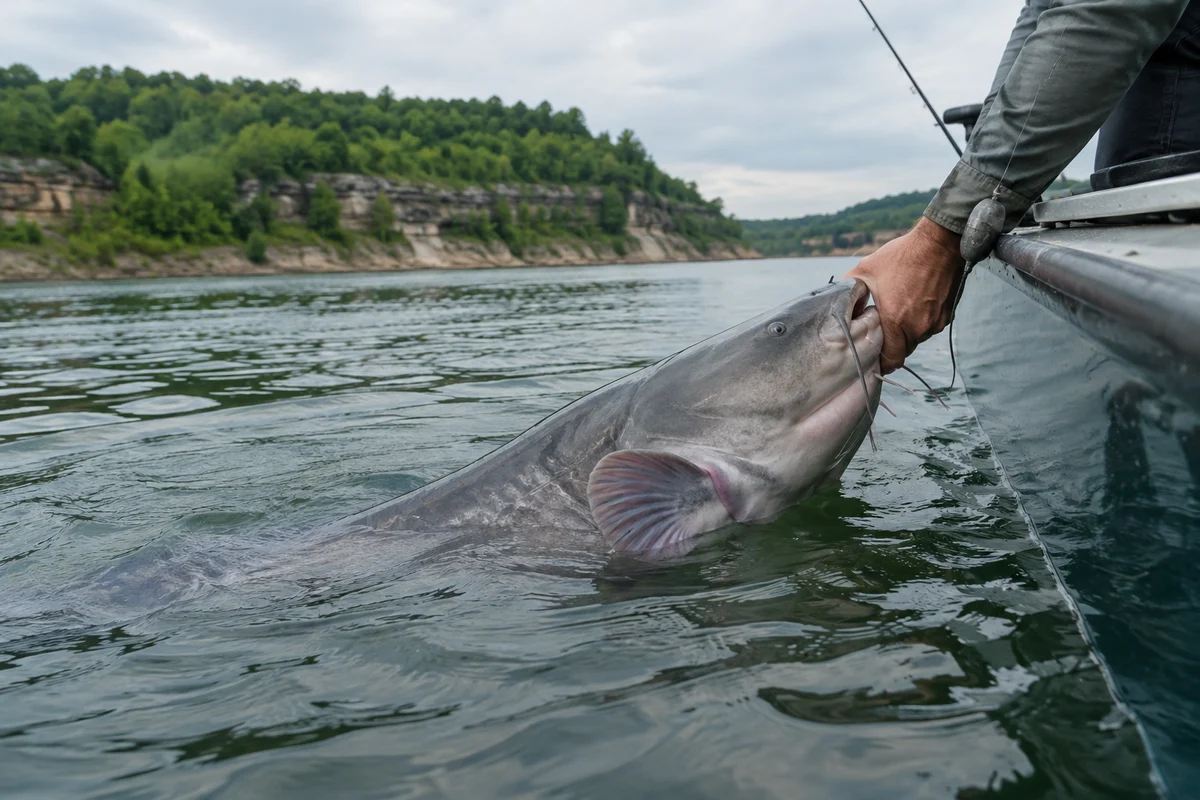
The Biggest Fish Ever: What Records Really Tell Us
“Biggest fish ever” can mean different things—from heaviest verified catch to the largest species by length. Here’s how record categories work, why claims need context, and how anglers can document a remarkable fish responsibly.
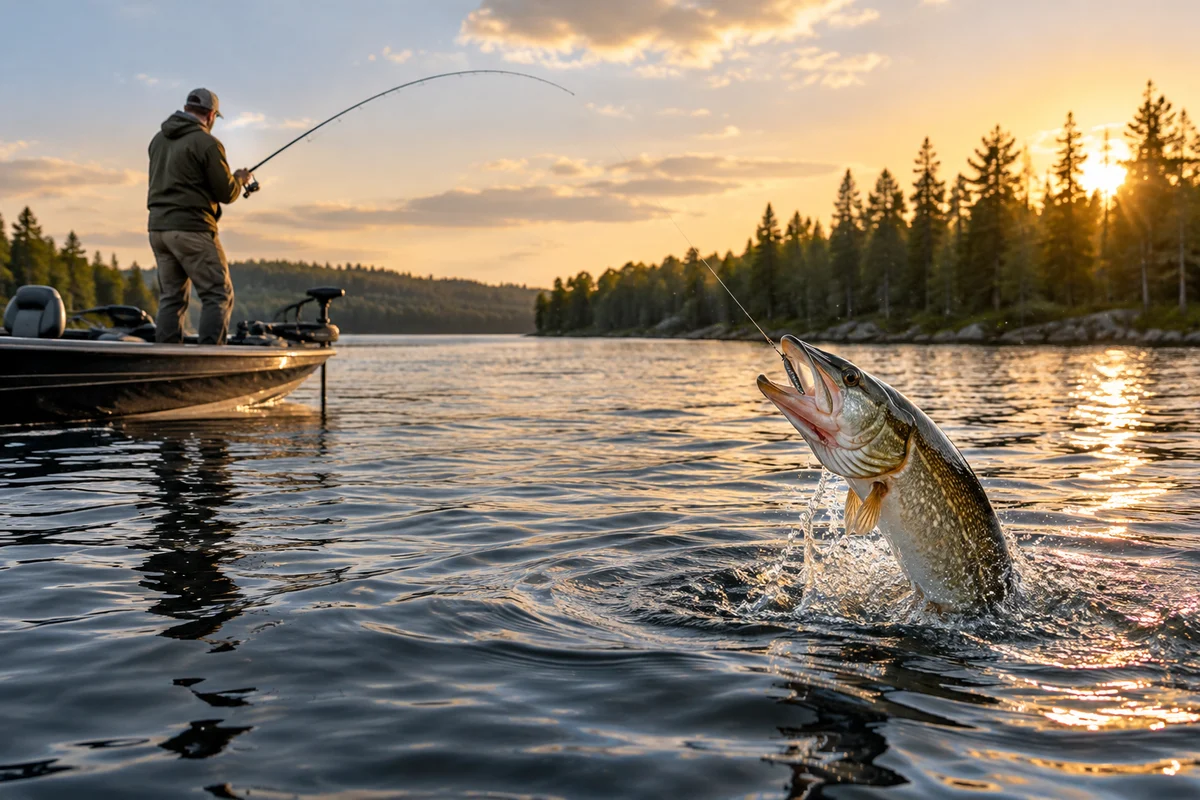
“Biggest fish ever” sounds like a simple question with one spectacular answer. It is not. A record may refer to the heaviest fish of a species, the longest individual, a particular waterbody, or a catch made under a specific set of rules. Those distinctions matter: without them, two impressive but very different claims can appear to compete for the same title.
For anglers, the useful question is not only how large a fish was, but how the measurement was made and who verified it. Understanding those details makes record stories more credible—and helps keep the fish, the angler, and the record process in view.
What does “biggest fish” mean?
There is no single universal record category for every fish. Record organizations maintain lists with defined boundaries, and a claim only makes sense when those boundaries are named. A world record by weight, for example, is not interchangeable with a length record or a local-waterbody record.
Common distinctions include:
- Heaviest verified catch: A fish’s weight is measured on a scale under the recordkeeper’s rules.
- Longest fish: Length is measured according to a specified method. It does not establish the fish’s weight.
- Species record: The claim applies to one identified species, not to all fish.
- All-tackle or method-specific record: Rules may distinguish the tackle or method used to make a catch.
- Regional or waterbody record: The boundary is geographic, and the recordkeeper may be a state agency, local organization, or other authority.
Even the phrase “largest fish” can refer to a species’ typical maximum size rather than a documented individual. A biological overview and a catch record answer different questions. Species accounts can describe size ranges, but they do not certify an individual record.
Why records are hard to compare
A fish’s reported size is only as meaningful as its identification and measurement. Different records may use different equipment, eligibility rules, witnesses, documentation, and review processes. Rules can also change, so a record’s date and category are part of the claim—not decorative details.
Weight and length should not be treated as substitutes. Body shape varies among species and individuals, and condition can vary with season and habitat. A long, slender fish may weigh less than a shorter, deeper-bodied one. Estimates from photographs are especially uncertain because perspective, camera angle, and the lack of a scale reference can distort apparent size.
Species identification matters as well. Common names can refer to different fish in different places, while closely related species may be difficult to distinguish from a casual image. If a record depends on exact identification, the official process—not a viral caption—should resolve it.
For a freshwater comparison, a reported Siamese carp world record should be read in its stated species and record category. It does not automatically answer which fish is biggest across all species or all systems. Likewise, a black buffalo carp record belongs to its own species and verification context.
How a fish record is verified
Recordkeepers publish their own requirements. Depending on the organization and category, an application may require a measured weight or length, identification details, witness information, photographs, and documentation of the equipment or circumstances. Applicants should consult the current rules before releasing a fish or submitting a claim; requirements are not universal.
A practical way to assess a record claim is to check these points:
| Check | What to look for | Why it matters |
|---|---|---|
| Recordkeeper | Is a named organization responsible for the list? | A clear authority makes the category and decision traceable. |
| Category | Is the claim for weight, length, species, method, or location? | It defines what is actually being compared. |
| Species | Is the fish identified to the level required by the rules? | Similar names or species can be confused. |
| Measurement | Is the method documented and consistent with current rules? | A number without a method is difficult to evaluate. |
| Evidence | Are required witnesses, images, and records available? | Evidence supports review beyond a single retelling. |
| Status | Does the official recordkeeper list the claim as accepted? | A submitted claim is not necessarily an approved record. |
The International Game Fish Association (IGFA) maintains its own record program and publishes rules for eligible claims. For freshwater species and local records, a state wildlife agency or another recognized keeper may be the appropriate source. The responsible authority depends on the claim; there is no reason to assume one list covers every fish, place, or category.
A responsible plan for documenting a remarkable catch
If you think a fish may qualify for a record, start with the current rules for the exact category. Do this before fishing when possible. Handling time, permitted measurement methods, witness requirements, and release procedures can affect what evidence is valid and what is best for the fish.
A sensible checklist:
- Identify the recordkeeper and category. Confirm the rules directly with the organization or agency that maintains the list.
- Read the current instructions. Do not rely on an old article, a social post, or another angler’s recollection.
- Prepare permitted equipment. Use only measurement and weighing methods allowed by the applicable rules. Keep any required documentation ready.
- Prioritize safe handling. Keep the fish supported and in suitable conditions. Minimize air exposure and handling time, and follow local rules for the species and waterbody.
- Record evidence honestly. Capture the measurements and other details requested by the recordkeeper. Do not alter images or present an estimate as a verified measurement.
- Submit the claim and wait for review. Until the official authority accepts it, describe it as a claim or reported catch—not a confirmed record.
When a fish is released, a record application may have different requirements from one involving a retained catch. Check them in advance rather than improvising at the water. If the rules and the fish’s welfare are in tension, follow applicable law and choose responsible handling over a title.
What size records can—and cannot—tell us
A verified catch is a documented individual under a particular set of rules. It is not a complete measure of a species’ biology. Records are influenced by which waters people fish, what methods are allowed, how many claims are submitted, and how consistently fish are measured. A species with few documented claims may have an incomplete record history even when large individuals exist.
Records also change. A newer accepted catch can supersede an older entry, and organizations may revise categories or evidence standards. That is why a date-free statement that a fish “is the biggest ever” can become misleading. The strongest wording identifies the species, category, recordkeeper, and status at the time the claim was checked.
For anglers, size is only one part of a memorable catch. Habitat, season, behavior, and a well-handled release can be more instructive than a number. Freshwater anglers can explore practical context in our freshwater fishing tips hub and read about lake-effect fishing or American carp Society pond fishing for perspectives on the waters and fisheries behind the stories.
Where to check a record claim
Use the official recordkeeper for the exact claim. The IGFA is a key source for its international angling-record categories; state wildlife agencies provide authoritative information about fish species, regulations, and local fisheries. If a story cites neither a category nor a verifier, treat its superlative cautiously and look for the underlying documentation.
A trustworthy record report should make it possible to answer: what species, what measurement, which rules, which authority, and what current status? If those basics are missing, the catch may still be extraordinary—but the record claim remains unverified.
Frequently asked questions
Is there one official biggest fish ever record?
No single record covers every species and category. Recordkeepers separate claims by factors such as species, weight or length, method, and location.
Is the longest fish always the heaviest?
No. Length and weight measure different things, and body shape and condition vary. A length claim cannot be used as a weight record without an accepted weight measurement.
Does a photo prove a fish’s weight?
Usually not by itself. Perspective can distort size, and a photograph may not establish a calibrated measurement, species identification, or compliance with record rules.
When is a catch an official record?
Only when the appropriate recordkeeper accepts it under its current rules. Until then, it should be described as a claim or reported catch.
Where should I check freshwater record requirements?
Start with the organization that maintains the specific record category, such as the IGFA for its categories or the relevant state wildlife agency for local records and regulations.
Sources & further information
Consult these primary sources for current regulations, technical information and local guidance.