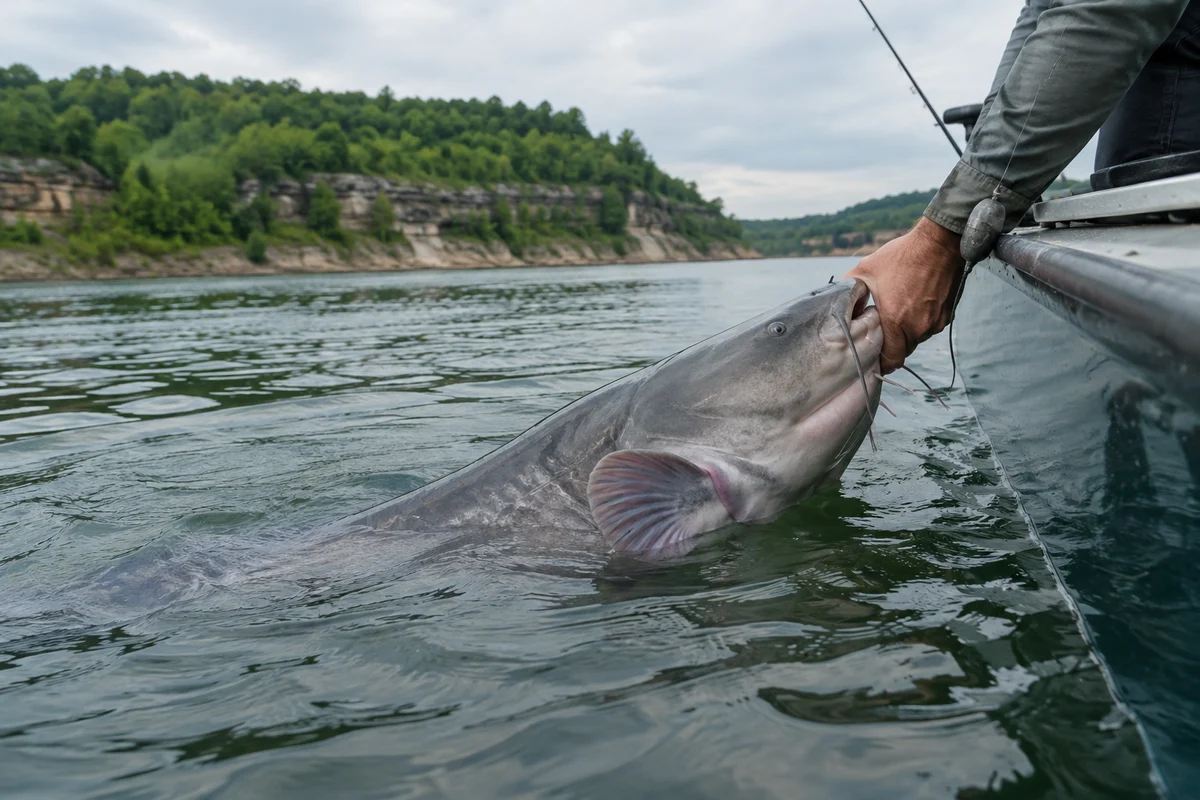
Biggest Fish Caught in Missouri: How Records Are Verified
Missouri’s “biggest fish” depends on whether you mean a state record, a world record, or the largest fish in a particular species. Here’s how to verify a claim and understand the records without confusing categories or outdated reports.
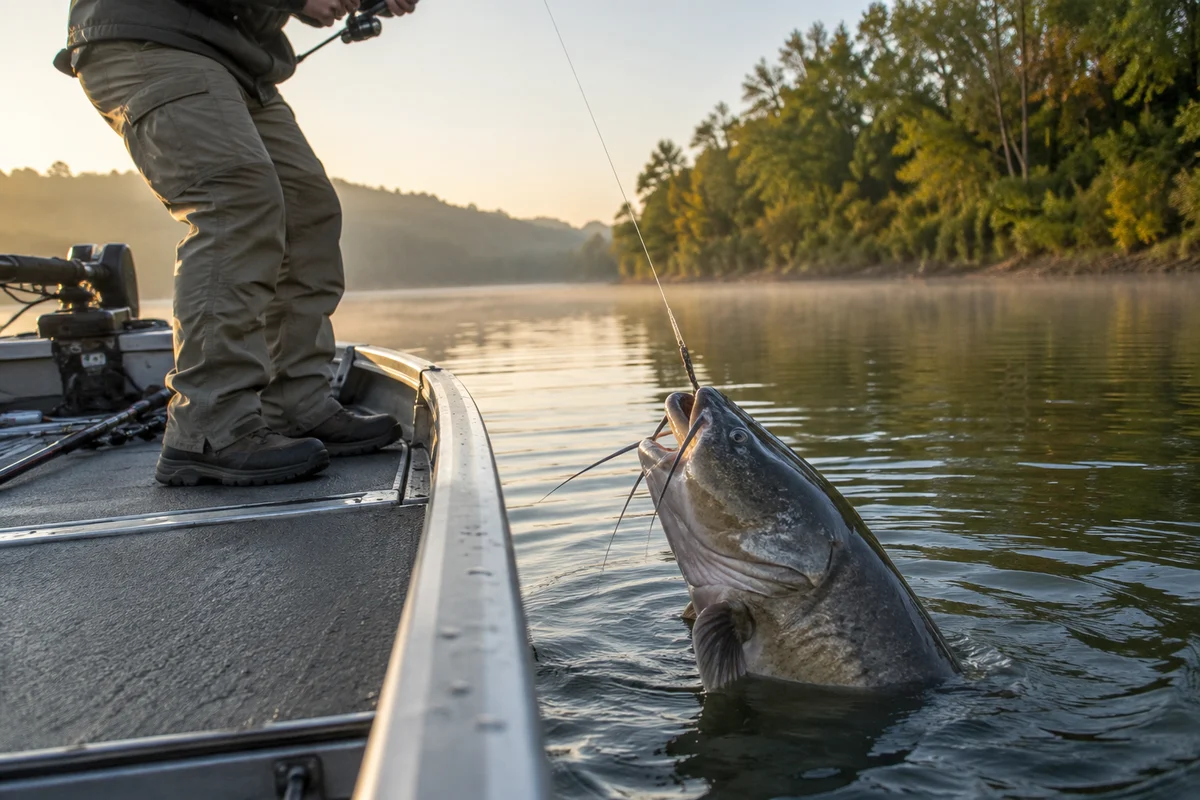
A search for the biggest fish caught in Missouri sounds like it should produce one definitive answer. It does not: Missouri recognizes records by species and category, and a fish that is extraordinary for one species may be small beside another species’ record. The most reliable answer is therefore a verified listing from the state recordkeeper—not a social post, an old headline, or a photo with no supporting details.
Missouri’s official record program is administered by the Missouri Department of Conservation (MDC). Its current listings and rules are the place to confirm a record, because records can change and eligibility depends on the program’s measurement method. Before repeating a claim, identify the fish, the record category, the date, and whether the entry appears in MDC’s official records.
Why there isn’t one “biggest fish” answer
“Biggest” can mean several different things: the heaviest fish of any species, the state record for a named species, the longest fish, or a notable catch that was never submitted for recognition. Those are not interchangeable.
A state record is also distinct from a world record. World-record organizations maintain their own lists and evidence requirements, while state agencies apply state-specific rules. A fish may qualify under one system and not another, or a state record may be recognized without approaching a world record. Always name the species and record authority when sharing a claim.
Missouri’s waters support a wide range of fish, from relatively small panfish to large catfish, carp, and other species. Their weights cannot be compared fairly without saying what was weighed and how the record was established. For a species-by-species overview and practical freshwater context, start with the Missouri freshwater fishing hub.
How Missouri fishing records are verified
Record programs generally require more than a photograph. The applicant must identify the species, document the catch, and follow the authority’s rules for weighing or measuring it. The exact process depends on the record category and current MDC requirements, so consult the official instructions before assuming a fish qualifies.
A useful verification checklist:
| Check | What to confirm | Why it matters |
|---|---|---|
| Species | Is the fish identified to the species named in the listing? | Similar-looking fish can be confused, and records are species-specific. |
| Category | Is the claim for weight, length, or another recognized category? | Different categories may have separate entries and rules. |
| Authority | Is the claim listed by MDC, or by a different organization? | A news report or social post is not the official record entry. |
| Documentation | Does the recordkeeper explain the evidence and weighing requirements? | Eligibility depends on the program’s current procedure. |
| Date and status | Is the listing current, and has it been superseded? | An old record report may no longer describe the standing record. |
Use MDC’s record page as the source of truth, then read the program details linked from that page. If you cannot find the fish in the current official listing, describe it as a reported catch rather than a confirmed state record. That distinction keeps a remarkable fishing story from becoming a misleading record claim.
Weight records, length records, and notable catches
Weight is the familiar measure in many record lists, but it is not the only useful one. Length-based records can recognize a fish without requiring a weighing setup, and some programs offer separate catch-and-release categories. A fish’s weight can also vary with season, feeding, and reproductive condition, while a tape measurement is affected by where and how the fish is positioned.
A photograph can help document a catch, but perspective makes visual size estimates unreliable. A fish held close to a camera can appear much larger than one held farther away. Even a clear image does not establish a certified weight or confirm species by itself.
When comparing reports, ask whether both fish were assessed under the same rules. A certified state record, an angler’s personal best, and a fish described as “the biggest anyone has seen” are different kinds of statements. The last may be a sincere observation, but it is not independently verifiable unless the evidence and record process support it.
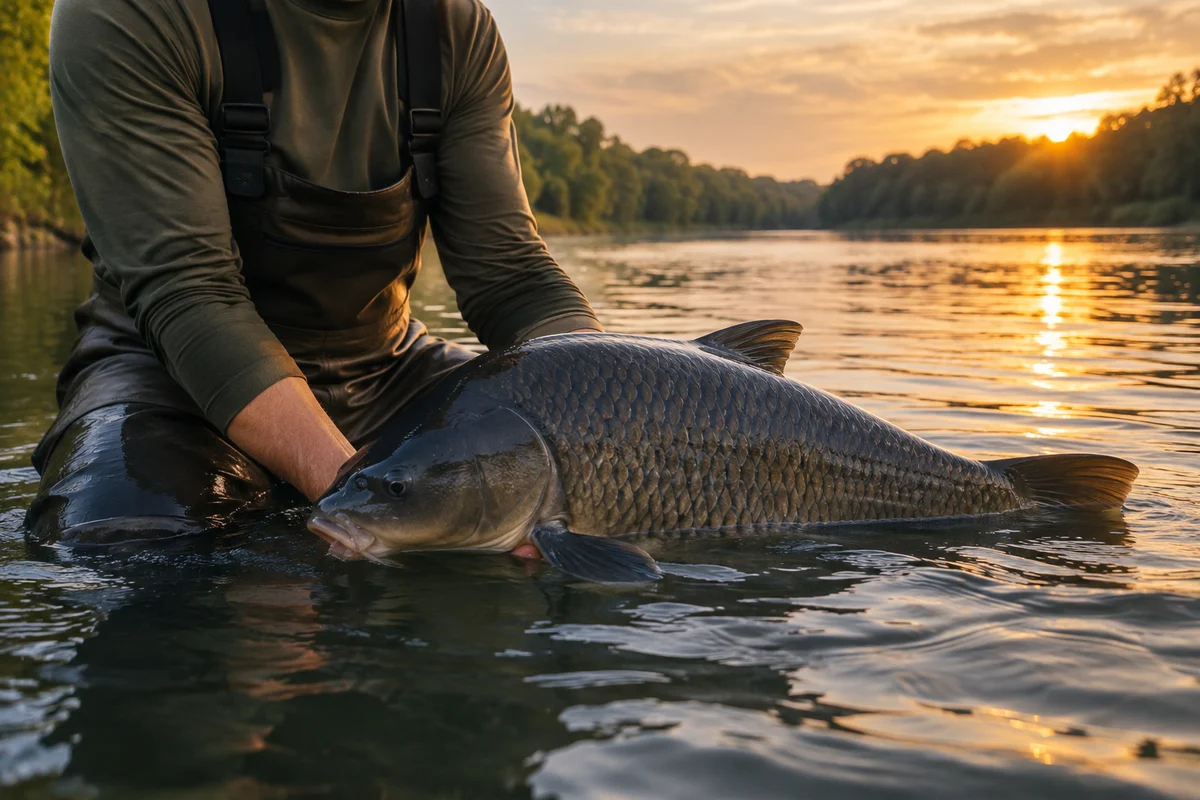
For background on a different record topic and why species identification matters, see this guide to the black buffalo carp record. It is a reminder that a record claim needs the correct fish and the correct recordkeeping context—not just an impressive number.
What to do when you catch a possible record
If you think a fish could qualify, check MDC’s current record rules before releasing it or taking it to a scale. Requirements may specify acceptable scales, witnesses, photographs, measurements, or submission timing. Do not rely on an old checklist copied from a forum; official procedures can change.
A sensible sequence is:
- Identify the fish carefully. Compare its features with trustworthy species references. If identification is uncertain, ask a qualified local fisheries professional or consult MDC resources.
- Find the current category rules. Confirm whether the program recognizes the species and whether you are pursuing a weight, length, or other record.
- Document the catch responsibly. Follow the official instructions for measurements, photographs, witnesses, and weighing. Avoid handling a fish longer than necessary, especially if it may be released.
- Submit through the official process. Keep copies of the requested evidence and wait for the recordkeeper’s decision before announcing a confirmed record.
- Follow fishing regulations. Record eligibility does not override seasons, length limits, creel limits, or other applicable rules.
The steps are intentionally general: the recordkeeper’s current requirements are decisive. A scale that appears accurate, for example, may not meet a program’s certification or witnessing rules. Likewise, a fish that seems eligible may fall outside the category’s definition.
Finding current records and planning a fishing trip
Start at the Missouri Department of Conservation’s official website, then navigate to its state-record fish information and read the linked rules. This avoids stale screenshots and search snippets that may omit category labels or record updates. If an official page lists a contact for record questions, use it when an entry or requirement is unclear.
If your goal is to catch a large fish rather than verify a record, research the target species, season, regulations, and access at the specific water you plan to fish. Conditions vary among rivers, reservoirs, and smaller waters. A general record list does not tell you where a fish is currently abundant, and it should not be treated as a location guide.
Good preparation includes checking current regulations, selecting tackle appropriate to the species and conditions, and planning how you will handle or release a fish. Keep fish wet when possible, support the body, and minimize time out of the water if release is intended. A large fish can be difficult to handle safely; do not risk injury to yourself or damage to the fish for a photograph.
For trip-planning ideas beyond record chasing, browse our overview of best fishing destinations and our explainer on American carp fishing. These are broader perspectives, not substitutes for current access rules or local regulations.
The practical answer
There is no dependable single answer to “What is the biggest fish caught in Missouri?” until the question specifies a species and a measure. For a verified state record, use MDC’s current species-by-species listing and its rules. For a world record, consult the relevant world-record authority separately. For an unverified report, label it as such.
That approach may be less dramatic than a single headline number, but it is more useful: it tells you what the claim actually means, how to check it, and what evidence would make it credible. Records are snapshots of documented catches, not a complete inventory of the largest fish in every Missouri waterway. Check the official source whenever precision matters.
Frequently asked questions
What is the biggest fish caught in Missouri?
There is no single answer across all species and record categories. Check the Missouri Department of Conservation’s current species-specific record listings for verified state records.
Where can I verify a Missouri fishing record?
Use the Missouri Department of Conservation’s official website and follow its current state-record fish listings and documentation rules.
Does a photo prove that a fish is a state record?
No. A photo can support a report, but the recordkeeper’s species, measurement, weighing, and documentation requirements determine eligibility.
Are Missouri state records the same as world records?
No. State and world records are maintained by different authorities and may use different categories and evidence requirements.
Sources & further information
Consult these primary sources for current regulations, technical information and local guidance.