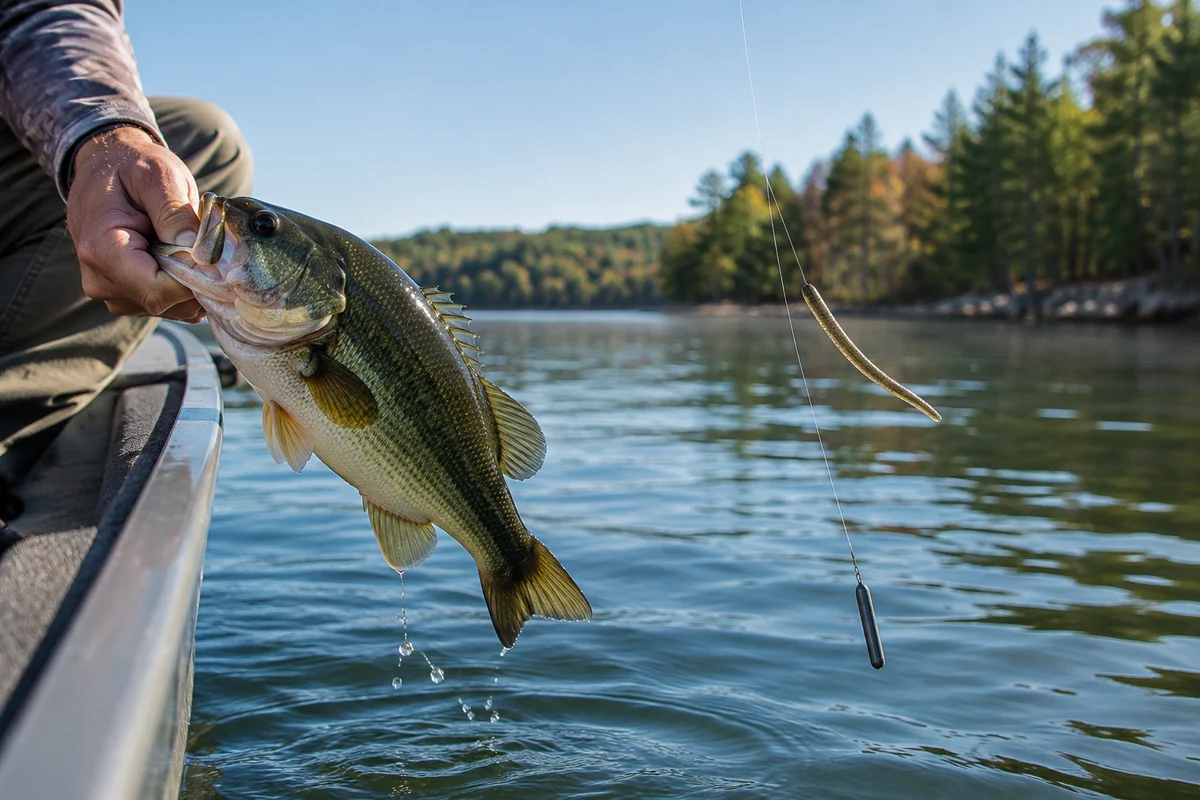
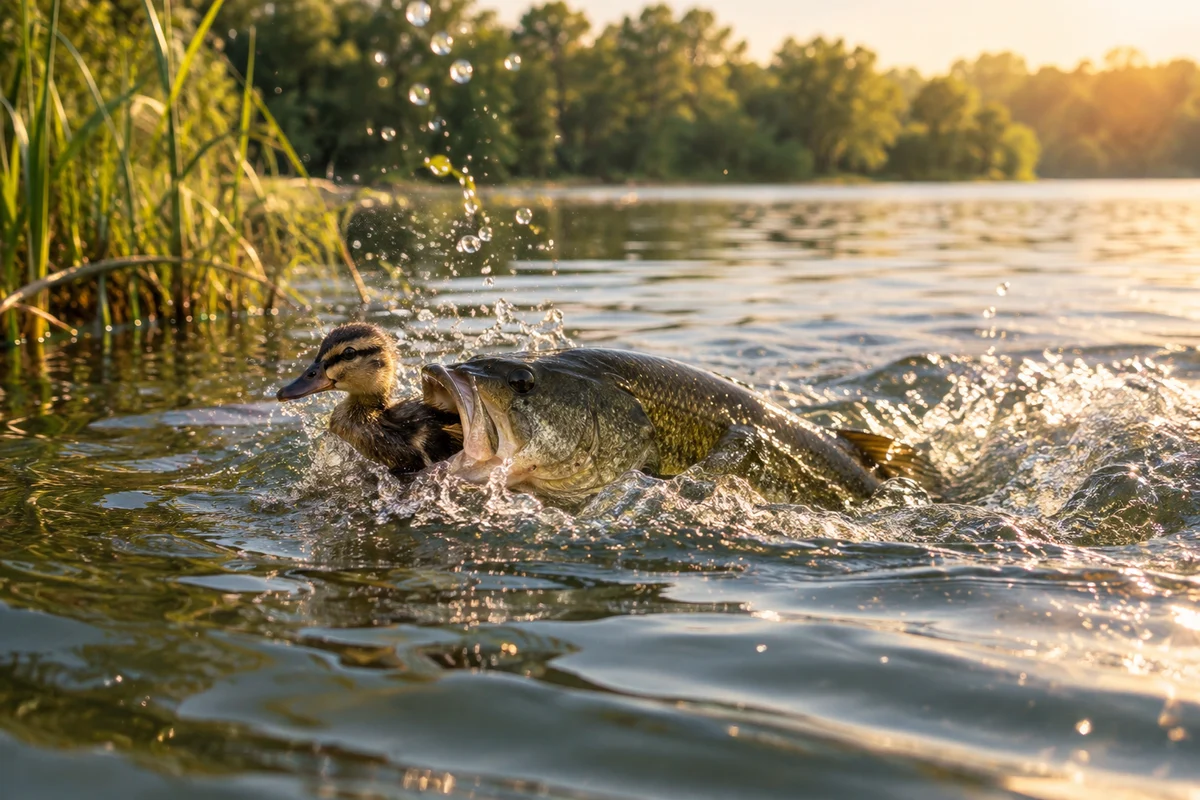
Bass Fishing With Soft Plastics: A Practical Guide to Better Presentations
A thoughtful approach to soft-plastic bass fishing starts with choosing a presentation for the cover, depth, and fish activity—not chasing a single “best” bait. Learn how to rig, retrieve, and adjust while keeping tackle choices simple.
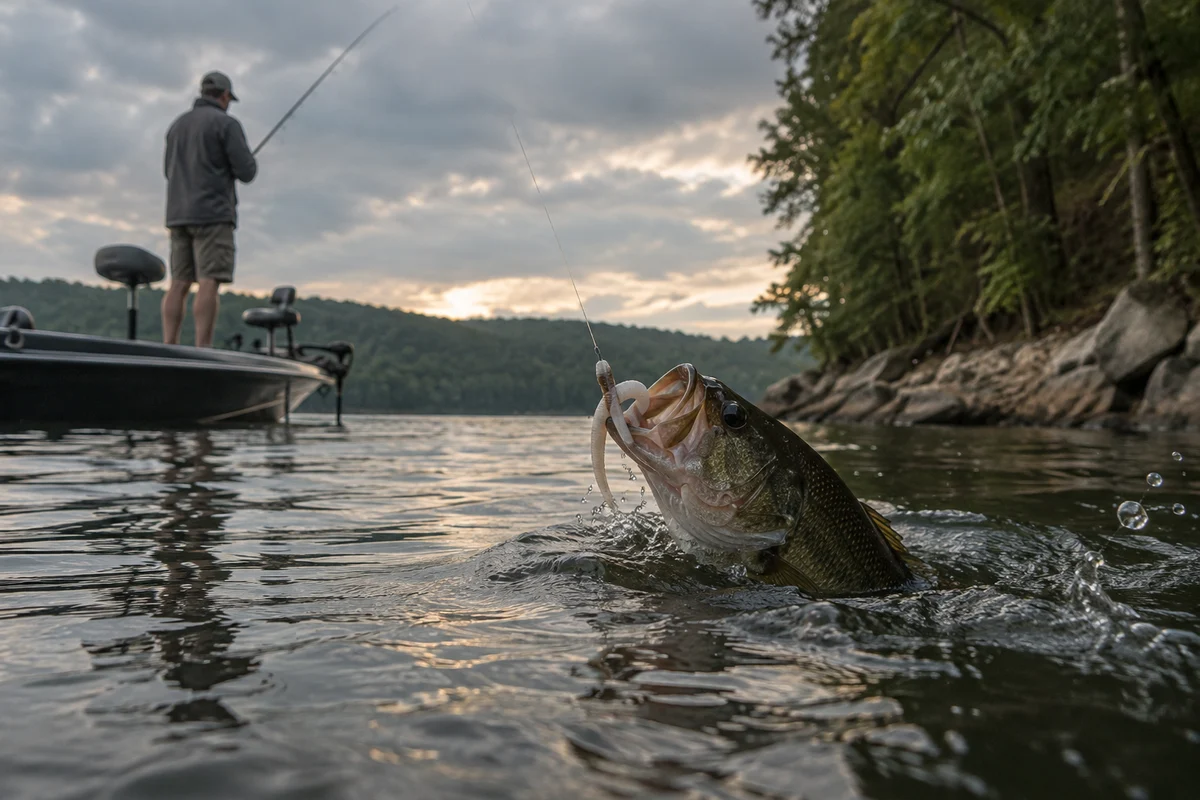
Soft plastics make bass fishing adaptable: a worm can slide through vegetation, a stickbait can fall beside a dock, and a fluke-style bait can imitate a small fish over open water. The key to bass fishing with soft plastics is matching the bait’s movement and rig to the place you’re fishing, then changing one variable at a time. A basic selection of shapes, hooks, and weights is usually more useful than a box full of nearly identical lures.
Start by identifying likely fish-holding cover and depth. Then choose a rig that can reach it without snagging constantly, and watch the line as carefully as the rod tip. A soft bait often gets picked up while it is falling or resting, so subtle line movement can matter more than a dramatic strike.
Choose a soft plastic by its job
Soft-plastic shapes suggest different actions, but they are not rules. A straight-tail worm has little built-in action and can be worked slowly. A stickbait produces a relatively subtle glide and wobble as it falls. A fluke-shaped bait can dart or glide when twitched. A curly-tail worm or creature bait moves more readily with small rod or line movements. Current, water clarity, vegetation, and fish activity all affect which action is useful.
Think in terms of presentation rather than brand names. If bass may be feeding on small fish, a bait that glides or darts can make sense. Around bottom cover, a slower worm or compact creature bait may be easier to keep near the target. In thick weeds, a streamlined bait with a weedless hook arrangement may pass through better than a bait with exposed hardware.
If you are learning the basics of selecting tackle and reading water, the site’s bass fishing for beginners guide is a useful companion. For a closer look at common worm presentations, see plastic worm rigs for bass.
Match the rig to cover and depth
A Texas-style rig is a versatile starting point around weeds, brush, and other snag-prone cover. The hook point can be lightly tucked into the plastic to reduce snags. A weight may be fixed close to the bait or allowed to slide, depending on whether you want the weight and bait to move together. Use only enough weight to reach the intended depth and maintain contact; excess weight can make a subtle bait fall too quickly.
A weightless rig is useful when a slow, natural fall is the priority. It can be fished beside a dock, over shallow vegetation, or across a calm pocket. Because the bait descends slowly, give it time before moving it. Wind and current can make line control difficult, so watch where the line enters the water and maintain enough slack for a natural fall without losing awareness.
A wacky-style presentation places the hook through the bait’s middle, allowing both ends to move as it falls. It can be effective around open pockets and isolated cover, but exposed hooks may snag more readily in vegetation or brush. A drop-shot presentation suspends a bait above a sinker and can help keep it at a chosen level, though it is not automatically the right choice for every depth or bottom.
| Situation | Starting presentation | What to monitor | First adjustment |
|---|---|---|---|
| Shallow weeds or brush | Weedless Texas-style rig | Snags and whether the bait reaches openings | Change weight or streamline the bait |
| Calm, shallow water | Weightless stickbait or fluke-style bait | Fall speed and line movement | Pause longer or add a subtle twitch |
| Open pockets near cover | Wacky-style bait | Whether the bait falls beside the target | Shift the cast angle or use a weedless hook option |
| Fish suspended off bottom | Drop-shot-style presentation | Line angle and depth consistency | Adjust sinker weight or target depth |
| Windy or deeper water | Lightly weighted rig | Bottom contact and line control | Add only enough weight to stay in touch |
These are starting points, not guarantees. Local rules may restrict tackle in some waters, and the best rig depends on the actual cover, depth, and conditions.
Keep hooks and weights proportional
Use a hook that fits the bait’s length and body thickness. A hook that is too small may not provide a reliable opening through the plastic; an oversized hook can interfere with the bait’s movement or make it harder to rig weedless. Check that the bait sits straight. A twisted or crooked plastic may spin, catch weeds, or behave unnaturally.
Weight is a control tool, not a default requirement. A light weight can extend a cast or help a bait reach deeper cover. A weightless rig can stay in the upper water column longer. Start with the lightest arrangement that lets you fish the target effectively, then adjust if wind, current, or depth makes the bait hard to control.
Inspect soft plastics and hooks periodically. Torn plastics can slide down the hook or lose their intended action, while a damaged or dulled hook may be less effective. Replace or repair tackle as needed, and dispose of damaged plastics responsibly rather than leaving them on shore or in the water.
Work the bait with a deliberate rhythm
A useful retrieve has three parts: let the bait reach the target, move it with a controlled action, and pause long enough to allow a fish to respond. The movement might be a small lift, a short drag, a gentle twitch, or simply letting the bait fall. Avoid making every cast a series of fast, identical hops. The lure’s fall and pause are often part of the presentation.
After casting, follow the line down rather than immediately reeling tight. A sudden jump, sideways slide, or unexpected stop can indicate contact with cover—or a fish. If the bait reaches bottom, lift or drag it a short distance, pause, and repeat. Around a dock or isolated patch of cover, make accurate casts from different angles before moving on.
When fishing a fluke-style bait, modest rod-tip movements can make it dart, while a pause lets it glide or sink. A faster retrieve may help search open water, but slow down near likely cover. A straight-tail worm often benefits from smaller movements. If bites are tentative, reduce the size of each movement and lengthen the pause before changing bait color or rig.
Adjust to light, clarity, and season
In clear water, a restrained profile and natural-looking color can be a sensible starting point. In stained water or low light, a more visible silhouette may help fish locate the bait. These are broad tendencies, not dependable laws: forage, local water color, and fishing pressure can change what works. Begin with a color you can see well enough to track, then make one controlled change if fish do not respond.
Season affects where bass may be found, but local conditions matter more than a calendar alone. Temperature changes, water level, vegetation growth, and forage movements can shift fish locations. In warm weather, early or late periods may offer comfortable conditions and active feeding, while midday fish may relate more closely to shade or deeper cover. During cooler transitions, a slower fall and longer pause may be worth trying.
For another seasonal perspective, read these summer bass fishing tips. Treat any seasonal pattern as a hypothesis: make a few casts, observe the response, and revise your approach rather than assuming every lake behaves alike.
A simple on-the-water decision process
Use this short checklist to avoid changing everything at once:
- Locate a target. Look for edges, pockets, shade, isolated vegetation, docks, or a depth transition that can be fished safely and legally.
- Choose a rig for access. Use a more weedless arrangement in heavy cover and a less obstructed hook arrangement where snags are unlikely.
- Control the fall. Decide whether the bait should sink quickly, descend slowly, or remain above bottom. Adjust weight only as needed.
- Repeat accurately. Make several deliberate casts to a target, including a different angle when possible.
- Change one variable. If there is no response, try a slower pause, a different depth, a slightly different profile, or a new target—not all at once.
- Record what happened. Note location, cover, depth, and presentation. A simple log helps distinguish a repeatable pattern from a lucky cast.
Common problems and practical fixes
If the bait keeps collecting weeds, check whether the hook point is exposed, whether the bait is rigged straight, and whether the cast is crossing the thickest cover unnecessarily. A more streamlined bait or a different route through the vegetation may solve the problem without a new lure.
If you cannot feel bottom, first consider whether you need to feel bottom at all. For a slow-falling bait, constant bottom contact is not the goal. If the target does require contact, adjust weight in small steps and keep line angle in mind. Wind bowing the line can disguise both bottom contact and subtle bites.
If fish follow but do not take the bait, avoid assuming color is the answer. Try a pause, a slower or less aggressive motion, or a different casting angle. If bites stop, return to the conditions that produced them: depth, cover, fall speed, and retrieve. Repeating the useful part of a presentation is more informative than swapping through many baits at random.
Fish responsibly and follow local rules
Check the current regulations for the water you plan to fish, including seasons, size limits, bait restrictions, and access rules. Handle fish carefully, wet hands before contact when practical, and avoid keeping fish out of water longer than necessary. If a fish is deeply hooked or injured, follow local fisheries guidance for handling and release. Keep line, torn plastics, and packaging out of the environment.
Soft plastics are effective because they let anglers vary movement and depth with simple tackle. Choose a shape for the job, rig it to suit the cover, and pay attention to the fall. A measured process—observe, present, and adjust—makes each cast more useful, whether you are exploring a new pond or refining a familiar pattern.
For more, explore our bass fishing fishing freshwater guides.
Frequently asked questions
What soft plastic is easiest for a beginner to fish for bass?
A straight-tail worm or stickbait is a forgiving start because it can be fished weightless or on a simple weedless rig. Choose a presentation suited to the cover and practice controlling its fall.
Should I use a weight when fishing soft plastics?
Not always. A weightless bait falls slowly, while a light weight can improve casting and depth control. Use only enough weight to reach and manage the target.
How can I tell when a bass picks up a soft plastic?
Watch the line for a jump, sideways movement, or an unexpected stop, and notice changes in tension. Cover can cause similar signals, so respond with awareness rather than assuming every movement is a bite.
Are soft plastics better in clear or stained water?
They can work in both. Visibility, forage, cover, and fish behavior matter; start with a profile and color you can track, then adjust one factor at a time.
Sources & further information
Consult these primary sources for current regulations, technical information and local guidance.