Deer Food Plot Management for Healthier Habitat
Effective deer food plot management is less about planting a favorite seed mix and more about matching forage to soil, site conditions and seasonal needs. Use this practical framework to plan small plots responsibly, monitor results and adjust without mistaking a food plot for a complete habitat strategy.
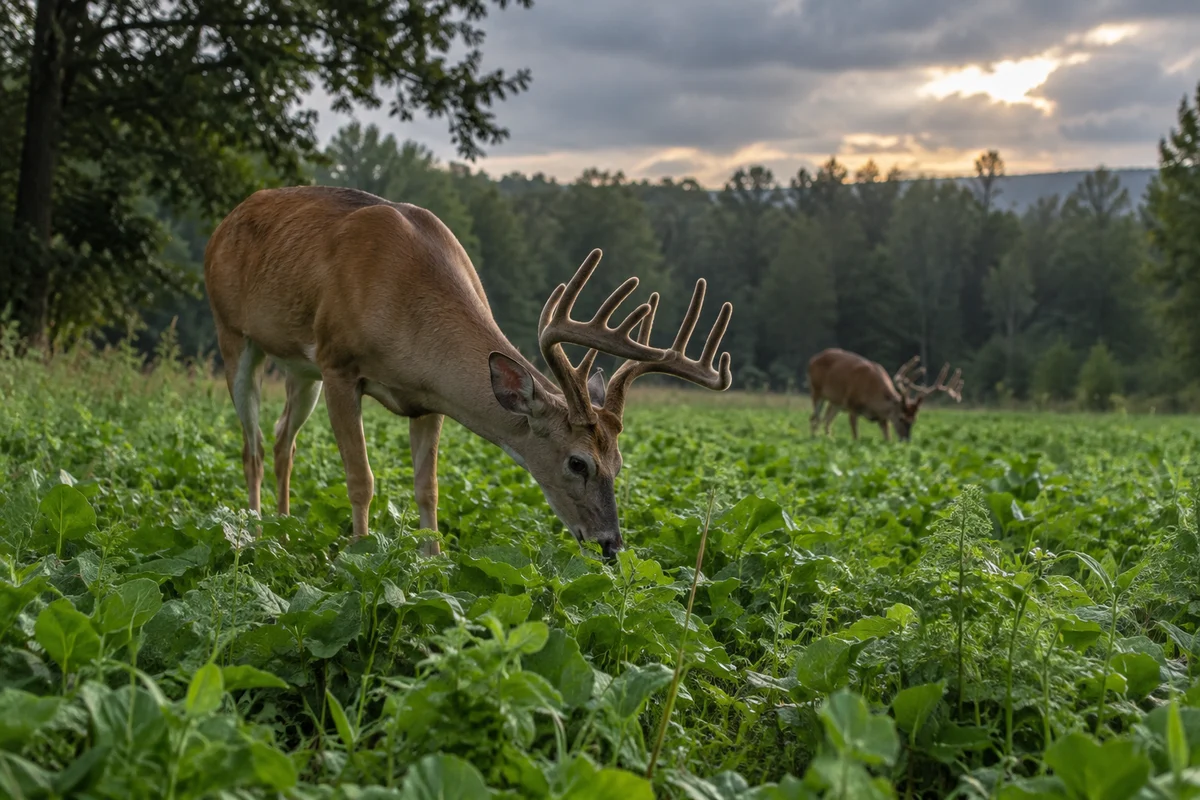
A productive food plot begins long before seed touches soil. Deer food plot management means choosing a site, improving what can realistically grow there, and maintaining forage without damaging the wider habitat. Start with the conditions you have—soil, sunlight, drainage, access and competing vegetation—then select a modest plan that fits them. A plot can add seasonal forage and viewing opportunities, but it cannot replace diverse native cover, sound land stewardship or local wildlife guidance.
What should a food plot accomplish?
Define the purpose before buying seed. A plot might provide cool-season forage, offer a small summer feeding area, help connect habitat patches, or give you a place to observe deer. Those goals can call for different plants and timing. A patch intended to stay green into fall is not necessarily the right choice for spring forage, and a narrow opening under a closed canopy may never produce well regardless of the seed label.
Think in terms of the whole property. Existing browse, mast-producing trees, native plants, bedding cover, water and travel corridors all contribute to habitat. Avoid clearing valuable cover merely to enlarge a plot. A smaller opening near suitable cover can be more useful—and easier to maintain—than a broad, exposed field.
For broader planning, see this deer hunting guide and the practical steps to prep for deer season. Habitat work should serve wildlife and land health first, not promise a particular hunting result.
How do you choose a site and assess soil?
Walk the property in different seasons if possible. Note hours of direct sun, wet or drought-prone areas, slopes, access for equipment, and places where runoff could carry soil or nutrients. Most forage crops need meaningful sunlight; shade-tolerant options exist, but they do not overcome dense canopy. Stay clear of waterways and follow local requirements for buffers and fertilizer use.
A soil test is more useful than guessing from appearance. Contact a local cooperative extension office or soil-testing service for instructions on collecting a representative sample. Follow its sampling depth and handling guidance, and request recommendations for the specific crop or forage group you are considering. Soil acidity and nutrient needs vary by plant and location, so generic lime and fertilizer rates are not dependable substitutes for a test.
Use the result to decide whether the site is suitable and what amendments, if any, are appropriate. If a plot requires substantial clearing, drainage work or repeated inputs, compare that cost and disturbance with improving existing openings or managing native vegetation. Keep records of the test date and changes made so results from later seasons have context.
A practical planning framework
| Decision | Check before planting | Practical response |
|---|---|---|
| Purpose | Which season and habitat function matter? | Choose a planting window and forage type to match the goal. |
| Sun and moisture | How much direct light, and does water stand or run off? | Favor a better-suited site or a crop adapted to those conditions. |
| Soil | What does a current test recommend? | Apply only locally appropriate amendments, following the test and label. |
| Pressure | Is browsing likely to remove seedlings quickly? | Consider a small protected trial or a less vulnerable planting approach. |
| Maintenance | Can you control weeds and revisit the plot? | Keep the area modest enough to manage consistently. |
| Compliance | Are there rules on baiting, feeding, seed, or land disturbance? | Check current state and local wildlife regulations before work begins. |
This is a decision aid, not a recipe. Planting dates, species, soil amendments and legal definitions differ by region. Your state wildlife agency and local extension resources are better guides than a universal calendar.
How should you select and establish forage?
Choose plants suited to your climate, soil and intended season. Cool-season annuals and perennial legumes are common categories, as are warm-season plants; each has different establishment and maintenance needs. Read the seed label for species, purity, germination information and planting guidance. Prefer recommendations from local extension or wildlife professionals over a mix marketed with claims that cannot be verified for your site.
Prepare only as much ground as needed. Minimize erosion, especially on slopes, and avoid working saturated soil. If you use herbicide or fertilizer, follow the product label and applicable law; never assume a treatment is safe for every crop, wildlife species or neighboring property. Use clean equipment where practical to reduce the spread of invasive plants and unwanted seed.
Plant at the recommended depth and timing for the selected species. Seed placed too deep, too shallow or into unsuitable moisture may fail even when the mix is appropriate. Keep expectations measured: rainfall, temperature, browsing and weed competition can change establishment from year to year. If conditions are poor, delaying a planting may be wiser than disturbing soil for a low-probability result.
How do you maintain a plot through the season?
Check the plot after emergence and periodically afterward. Look for gaps, weed pressure, erosion, standing water and signs that browsing is outpacing plant growth. A simple dated photo from the same viewpoint can show change without relying on memory. Record what was planted, approximate timing, weather conditions and any treatment used.
Respond to the cause, not just the symptom. Bare patches might reflect shade, poor seed-to-soil contact, unsuitable moisture or heavy use. Weeds can indicate a site mismatch or disturbed ground. Repeatedly adding seed without diagnosing the issue wastes effort and can increase disturbance. If a problem persists, consult local extension guidance before changing species or applying a control product.
Avoid treating a plot as a feeding station. Wildlife feeding and baiting rules vary, and concentrating animals can create disease-management concerns. Check current state regulations and public-health guidance, particularly where chronic wasting disease rules apply. A chronic wasting disease overview can help frame why local restrictions and responsible wildlife practices matter; always rely on the relevant agency for current requirements.
What are common mistakes to avoid?
The most common error is choosing seed before understanding the site. Other pitfalls include planting too much acreage to maintain, ignoring soil-test recommendations, working wet ground, using a generic calendar, and assuming a green plot means better overall habitat. Avoid applying inputs near water or beyond label directions. Do not move plants or seed from unknown sources, since this can spread invasive species.
Also be cautious about claims of guaranteed deer use or hunting success. Deer movement changes with food availability, cover, weather, pressure and other conditions. A plot is one part of a landscape, not a control over animal behavior. Keep hunting decisions separate from habitat claims and follow all applicable season, access and harvest regulations.
How can you tell whether the plan is working?
Judge progress against the original objective. If the aim was seasonal forage, note whether the planting established and remained available during the intended period. If the goal was habitat diversity, check whether the project preserved nearby cover and reduced erosion. Deer sightings alone are an unreliable measure: visibility, time of day and disturbance can change what you observe.
At season’s end, compare notes and decide whether to repeat, resize, relocate or discontinue the plot. Sometimes the best result is recognizing that a site is unsuitable and restoring it to a more appropriate cover type. Good deer food plot management is iterative: make a modest, informed change, observe its effects and adapt to local conditions rather than chasing a universal formula.
For more, explore our deer hunting guides.
Frequently asked questions
When should I plant a deer food plot?
Planting dates depend on region, species and local weather. Use the seed label and your state extension or wildlife agency’s regional guidance rather than a universal calendar.
Do I need a soil test before planting?
A current soil test helps identify pH and nutrient needs and can prevent unnecessary amendments. Follow the testing service’s sampling directions and crop-specific recommendations.
How large should a deer food plot be?
There is no single ideal size. Choose an area that fits the habitat goal, site conditions and the time and equipment available for maintenance.
Can a food plot replace natural deer habitat?
No. Food plots may supplement seasonal forage, but they do not replace native cover, diverse browse, mast, water and broader habitat stewardship.
Sources & further information
Consult these primary sources for current regulations, technical information and local guidance.