NY State Record Channel Catfish: How Records Are Verified
A New York catfish record is only meaningful when the species, catch details, and state certification are verified. Here’s how to check the official record and preserve the evidence for a possible contender.
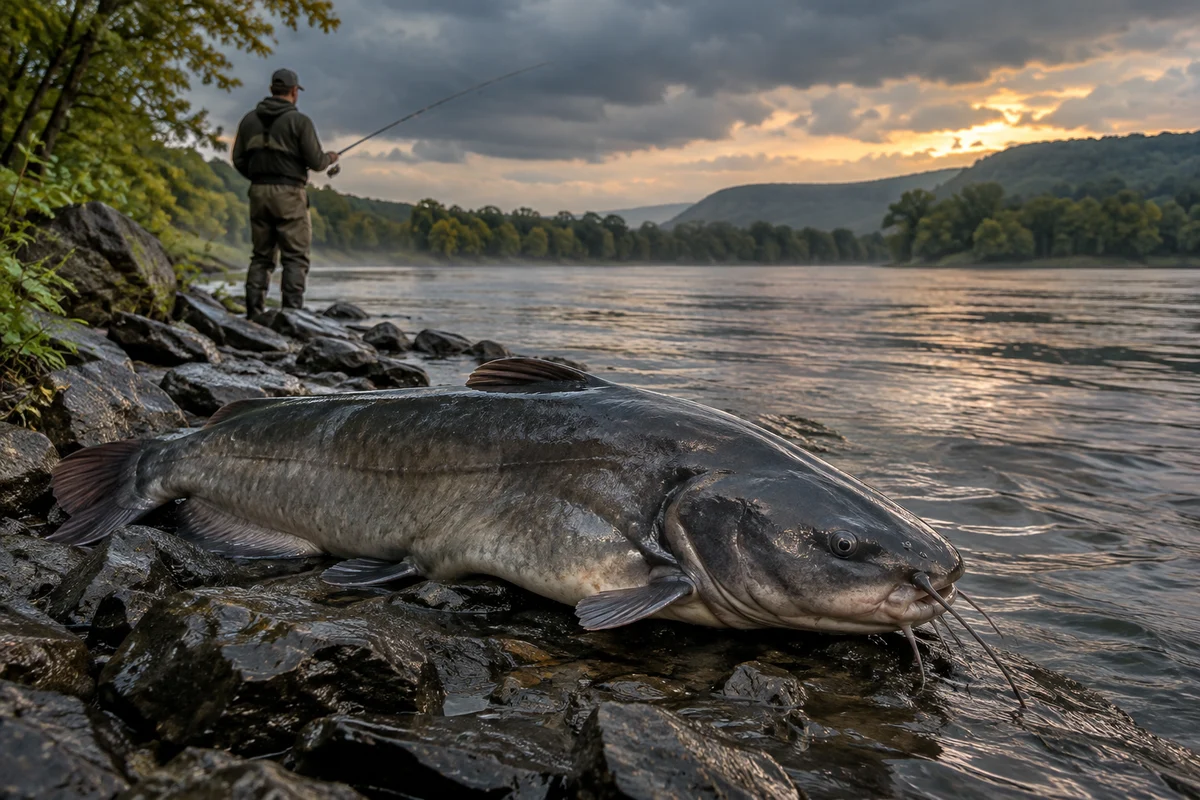
The NY state record channel catfish is a title that should be checked against New York’s current official records—not inferred from a photograph, a social post, or a fish’s impressive size. Record categories, documentation rules, and listed marks can change, so the reliable answer comes from the state agency that maintains the program. If you have a potential contender, careful identification and prompt documentation matter as much as the scale reading.
This guide explains how to look up the current listing, tell a channel catfish from similar fish, and prepare useful evidence without treating an unverified catch as a record. For broader species and angling context, browse the catfish fishing hub.
Where can you check New York’s channel catfish record?
Start with the New York State Department of Environmental Conservation (DEC), the state agency responsible for fishing regulations and fisheries information. Use its official website and search for the current state record fish or angler achievement program. Confirm that the page is current and that it lists channel catfish, rather than a general catfish category or another species.
Read the program’s rules alongside the record table. A table entry alone may not explain whether a listing is based on weight, length, or another category; whether records are separated by water type or method; or what proof is required for a new submission. Don’t assume that a rule used by another state, a fishing organization, or a past version of the program applies in New York today.
If a record page is difficult to find, use DEC’s contact information or the current instructions on its site to ask which category applies and what documentation is accepted. The agency’s home page is New York State Department of Environmental Conservation. The International Game Fish Association maintains its own record program, but an IGFA listing and a New York state listing are separate recognitions with separate requirements.
How do you know the fish is a channel catfish?
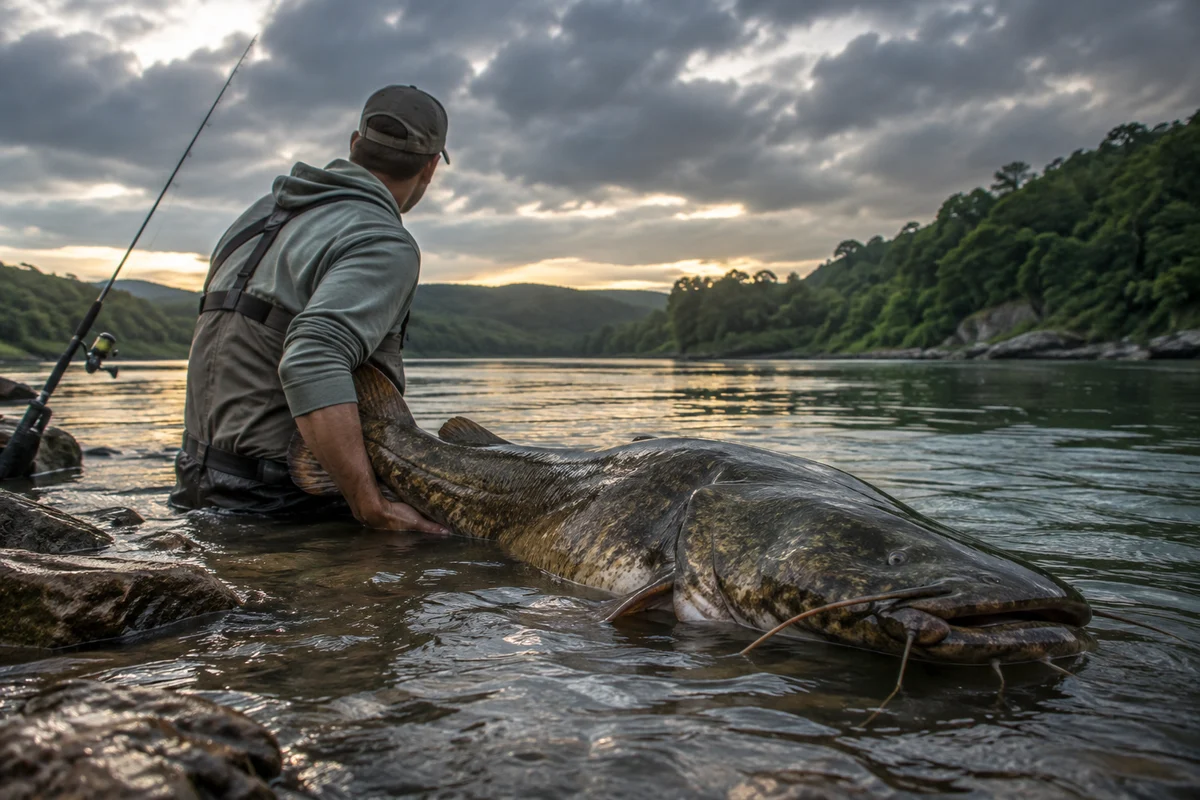
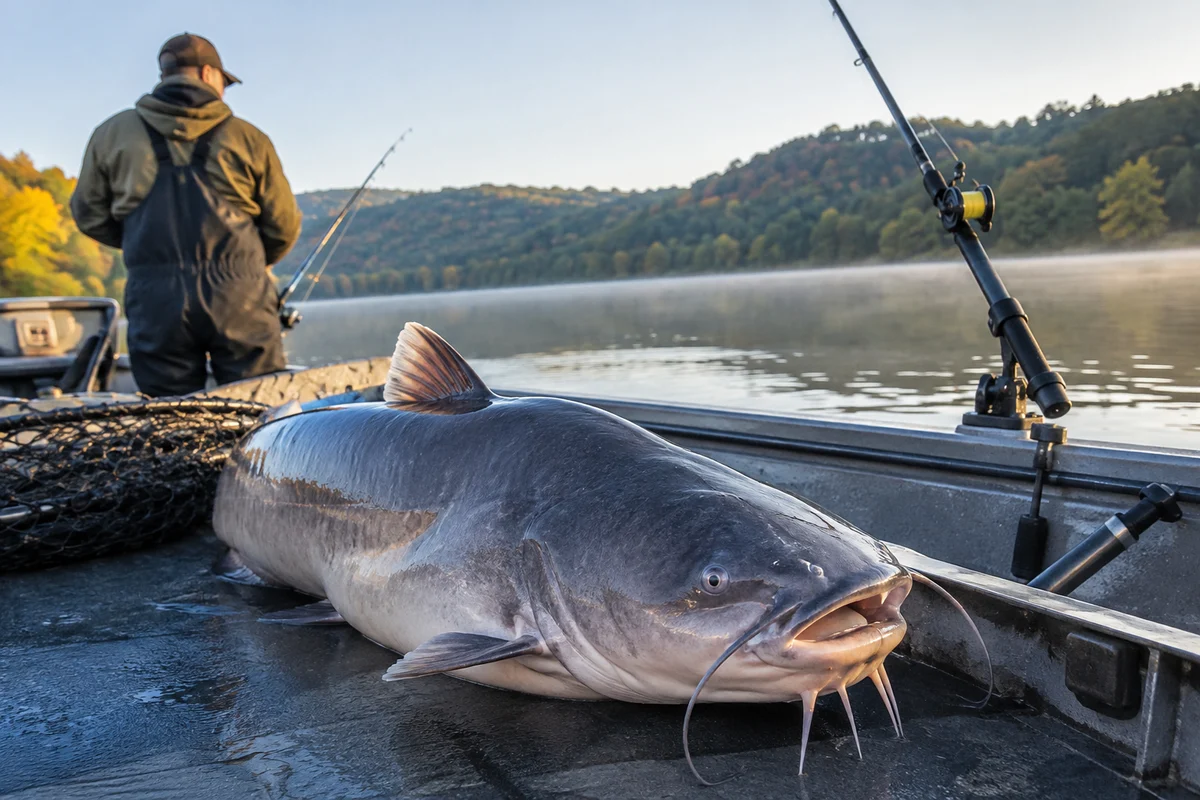
Correct identification is essential: a large catfish does not automatically qualify for a channel-catfish record. Channel catfish are recognized by a combination of traits, including a deeply forked tail, barbels around the mouth, and often dark spots on the sides. Spotting can be faint or absent in some fish, and color varies with age and conditions. No single feature in a quick photo is a dependable substitute for identification.
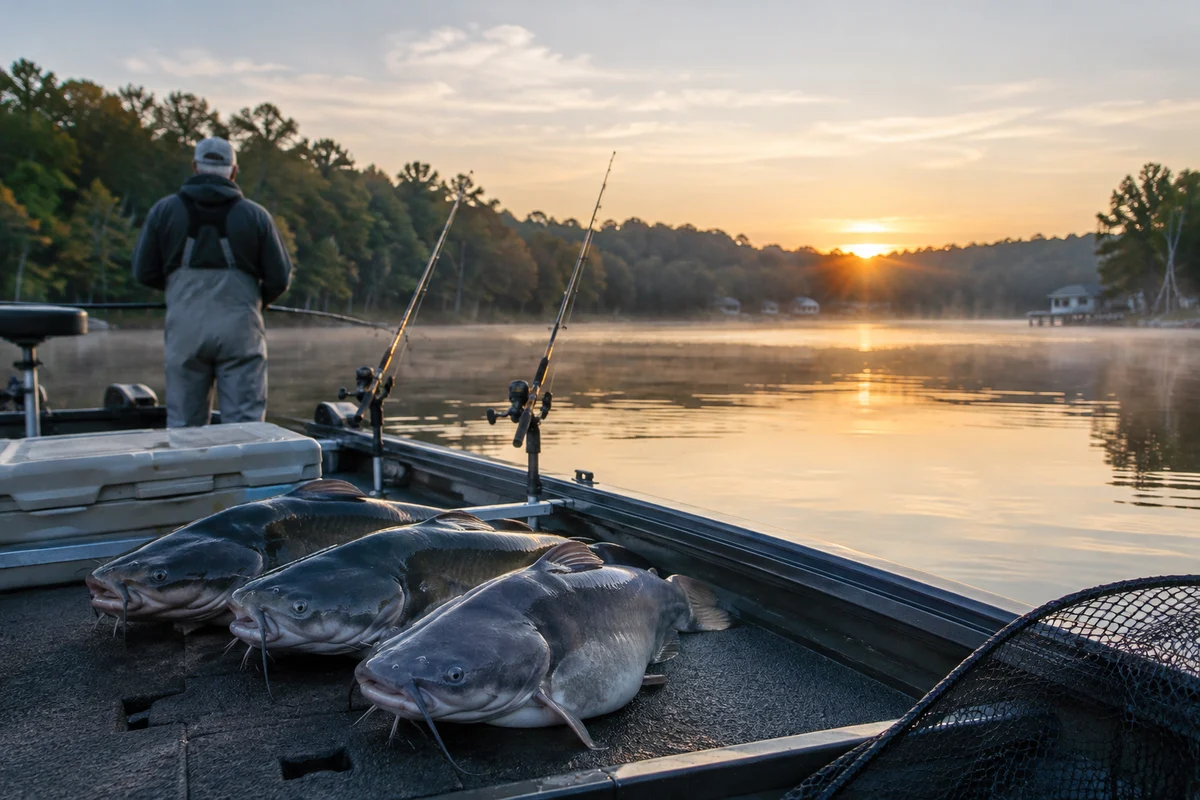
Other catfish can cause confusion. Blue catfish may resemble a large channel catfish, while white catfish and bullheads have different combinations of body shape, tail form, and fin characteristics. Identification can be harder when the fish is wet, muddy, stressed, or photographed at an angle. If a catch could challenge a record, take clear photographs from more than one side and ask DEC how it wants the species confirmed. Don’t rely on a label supplied by a bystander or an online comment.
A practical approach is to photograph the whole fish in good light, including the tail, head, sides, and fins, while keeping the fish supported. Keep the image unaltered and retain the original file. Photographs support a claim; they do not replace any examination or other evidence required by the state.
What evidence should you preserve for a possible record?
First, check the current DEC instructions before releasing, transporting, or otherwise handling a possible record fish. The rules may specify the accepted weighing method, scale documentation, witness information, required forms, or how the fish must be presented. Those details are program-specific, so don’t treat this list as a substitute for the official application.
Useful information to record promptly includes:
- The date and general location of the catch, with the waterbody identified as accurately as the rules require.
- The angler’s contact details and a clear account of how the fish was caught.
- The fish’s species-identification photographs, plus images that show its condition and size without misleading perspective.
- The scale reading and the scale’s identifying or certification information, if the state requires it.
- Names and contact details for witnesses, if applicable, and copies of any forms or records they complete.
Keep original photographs, notes, and documents together. Avoid editing images, rounding measurements, or presenting an estimate as a certified weight. If the fish is weighed on equipment that cannot meet the state’s requirements, the result may not qualify even when the fish is genuinely large. Ask DEC about the correct process as soon as practical rather than waiting until memories fade.
Does a catch-and-release fish qualify?
That depends on the current New York record program. Some record systems require a fish to be retained for examination or weighing; others may allow specific alternatives. Never assume that a photograph and a ruler are enough, and don’t keep a fish contrary to fishing regulations or the record program’s instructions in pursuit of a possible listing.
The responsible choice is to learn the applicable rules before fishing when a record claim is a goal, and to prioritize lawful, humane handling. If a fish is released, do so promptly and carefully, and document only what the rules permit. Our guide to catch-and-release catfish practices covers handling considerations that can help reduce unnecessary stress. If the fish must be retained under a program’s rules, follow the official requirements rather than improvising.
Record status also isn’t a reason to delay contacting the agency. Ask what the state needs before making decisions that could affect evidence, fish condition, or legal compliance. If the published rules don’t answer a question, get clarification directly from DEC.
Why can record listings and reports disagree?
A news story, fishing forum, social post, or local announcement may describe a catch as a record before the state completes its review. The claim might refer to a local waterbody record, a particular fishing event, a different record organization, or an unofficial estimate. It may also use “catfish” loosely without establishing the species. Those descriptions can be interesting, but they don’t independently establish a New York state record.
The official state listing is the best place to confirm what New York currently recognizes. Check the species name and category, and note whether the program identifies a date or other qualifying details. If a recent catch is not yet reflected, it may still be under review—or it may not have been certified. Don’t treat the absence of an update as proof either way; ask the agency.
Comparing records across states also requires care. Programs can define categories and evidence differently. For an example of a distinct state-specific category, see our article on the Kentucky white catfish record; its criteria should not be assumed to match New York’s channel-catfish rules.
What should an angler do before calling a fish a record?
Use a simple verification sequence: identify the fish carefully, locate the current New York record listing, read the applicable rules, and contact DEC if the category or evidence requirements are unclear. Then preserve the information the program requests and wait for official confirmation before describing the catch as a state record.
This careful wording protects the angler as well as the record program. “Potential record” or “submitted for review” is more accurate than a definitive claim until the responsible authority verifies the catch. A large fish remains a notable catch regardless of whether it meets a formal record category, and a clear, honest account is more useful to other anglers than an unsupported headline.
Frequently asked questions
What is the current NY state record channel catfish?
Check the current New York State Department of Environmental Conservation record listing. I’m not stating a weight or holder here because the official listing and category should be verified directly and may change.
Does a photograph prove a channel catfish is a New York state record?
No. Photographs can help document species and condition, but the state’s current rules determine the evidence, weighing method, and review needed for certification.
Can I release a possible New York record channel catfish?
Whether a released fish can qualify depends on the current record program’s requirements. Check with DEC before making decisions; follow fishing regulations and prioritize lawful, careful handling.
Sources & further information
Consult these primary sources for current regulations, technical information and local guidance.