Denali Rods: Choose a Fishing Rod That Fits Your Water
A useful Denali rods comparison starts with the job a rod must do—not a model name. Learn how to assess power, action, length, lure range and fit before choosing.
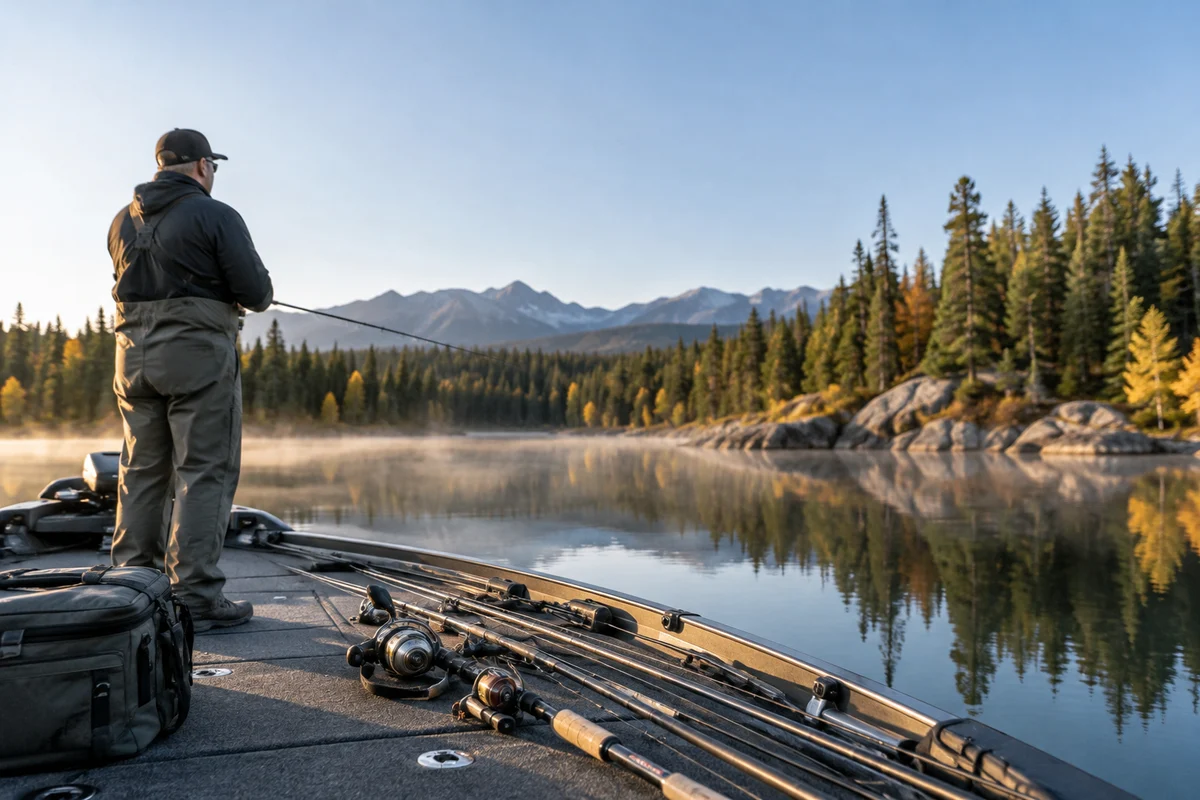
Denali rods are best compared by the fishing you plan to do, rather than by a model name or a broad claim that one rod does everything. Start with the lures, line, cover and fish you encounter; then evaluate a specific rod’s published specifications and how its length, power and action fit that job. This approach is useful whether you are replacing a familiar setup or narrowing down a first rod from the brand. For more technique-based freshwater guidance, see ODU Magazine’s freshwater fishing tips.
What should you know before comparing Denali rods?
First establish the task. A rod used to cast small lures in open water has different demands from one used to work a heavier lure near weeds, wood or rock. Write down the techniques you actually use, the approximate lure weights and line types involved, and the places where you fish. That short list is more useful than starting with an assumed “best” rod.
Then look for the exact model name and its current specifications from the manufacturer or a reliable retailer listing. Rod families can include models with different lengths, powers, actions and intended applications; the brand name alone does not tell you those details. Treat descriptions such as “versatile” as a starting point, not a substitute for checking the printed lure and line ranges.
If the exact model or specifications are unclear, do not infer them from a similar-sounding name, an old description or a photograph. Confirm the identity and current details with the manufacturer. Keep a shortlist of two or three rods that fit the same use so you can compare like with like.
How do power and action affect a rod’s feel?
Power describes how much force it takes to bend a rod; action describes where along the blank it bends most readily. These terms are related, but they are not interchangeable. A rod’s actual feel also depends on its length, construction, handle and the weight it is carrying, so the printed labels should guide comparison rather than promise an identical feel across brands.
Use power to check whether the rod is intended for the lure and line range you use. A rod that is too light for the task can feel overloaded; one that is much heavier than necessary can make light presentations less comfortable to cast. Action helps you think about how the rod responds during casting, lure control and a fish’s movement. The appropriate choice depends on the technique, hook style and cover—not a universal rule that faster or slower is always better.
Before deciding, compare the stated ranges on the exact model. If your usual lure sits near an extreme of the listed range, consider whether another model places that lure more comfortably within its intended use. For a look at how a particular lure style affects tackle decisions, ODU’s overview of the Lunkerhunt Dragonfly provides a useful example of thinking from presentation back to equipment.
Which rod length makes sense for your fishing?
Length is a trade-off, not a ranking. A longer rod can help with casting distance and line control in some situations, while a shorter one may be easier to manage around tight banks, overhanging branches or confined spaces. Boat layout, casting style and how much room you have to move the rod all matter.
Think through a typical day rather than an idealized cast. Do you need to make repeated casts from shore? Are you working beneath cover? Will the rod have to fit in a vehicle or storage space? Can you comfortably make the motion your technique requires? If possible, hold a candidate rod in a normal fishing stance. Check that the handle sits naturally in your hand and that the overall balance does not feel tiring.
For shore anglers, lure control and casting room deserve particular attention. The shore-fishing guide to the Mepps Flying C offers context for matching a moving presentation to the water and casting situation. Use that kind of technique-first thinking when deciding whether a rod’s length and action suit your own shoreline access and retrieve.
How do you match a rod to lures and line?
Use the lure and line ranges printed for the specific rod as a practical boundary. Compare them with the weights and line you actually use, not just the heaviest lure you might carry occasionally. If you fish several techniques, decide which one deserves the best fit; one rod may cover adjacent tasks, but expecting a single setup to excel at every extreme can lead to a poor compromise.
Also consider how the lure is worked. A steady retrieve, repeated short twitches, bottom contact and casting into vegetation ask for different kinds of control and feedback. The rod is only one part of the system: reel, line, knots and lure all contribute to how a presentation feels. Change one element at a time when evaluating a setup, and record what improved or became less comfortable.
A jig-focused setup illustrates the value of matching equipment to presentation. ODU’s piece on the Northland swivel-head jig can help frame questions about a jig’s design and use. Check the actual lure weight and the rod’s stated range rather than assuming a rod is appropriate because both are described as jig-oriented.
What should you check in person or before ordering?
Use a short, evidence-based checklist:
- Confirm the exact model and current manufacturer specifications.
- Compare the rod’s length, power, action, lure range and line range with your intended technique.
- Check handle length and shape, grip comfort, reel-seat fit and overall balance if you can handle the rod.
- Inspect the guides, wraps, blank and handle for visible damage or defects; follow the seller’s return and warranty terms.
- Consider transport, storage and the places where you cast, not just performance on open water.
- Make sure the rod complements the reel and line you intend to use, while staying within the stated ranges.
When an in-person comparison is possible, hold the rods with the reel attached or a similar weight in the reel seat. Make a gentle casting motion in a safe, open area; do not stress the blank by bending it sharply or lifting a heavy object. If buying remotely, rely on exact specifications and clear product identification. Ask for clarification when a listing leaves out a key detail rather than filling the gap with assumptions.
How can you decide whether a Denali rod is the right fit?
A good choice is the model whose documented range and handling suit your most common fishing, with reasonable flexibility for nearby tasks. Rank your needs: technique first, then lure and line compatibility, length, comfort, and practical storage. A rod that is comfortable for hours and appropriate for your regular presentations is more useful than one selected for a rare situation.
After choosing, keep the manufacturer’s care guidance and inspect the rod periodically. Rinse and dry equipment when conditions call for it, protect the blank and guides during transport, and avoid using a rod beyond its stated lure or line range. These habits apply across rod brands and help preserve a setup’s performance.
For ethical fishing, handle fish carefully and follow local rules for seasons, limits and protected waters; those requirements vary by location and can change. The International Game Fish Association provides sportfishing resources, while NOAA Fisheries offers broader information on fisheries and conservation. Neither replaces local regulations, but both are useful reference points as you plan your fishing.
The key to comparing Denali rods is simple: verify the exact model, match its specifications to a real technique, and judge comfort in the context of your water. That process gives you a defensible choice without relying on vague labels or unsupported claims about what a rod can do.
Frequently asked questions
What is the best Denali rod for a beginner?
There is no single best choice for every beginner. Start with the freshwater technique and lures you expect to use most, then compare exact model specifications for length, power, action, and lure and line ranges. Choose a comfortable, appropriately matched setup rather than the broadest claim of versatility.
How can I find the specifications for a Denali rod?
Use the exact model name to check the manufacturer’s current information. Confirm length, power, action, and lure and line ranges; if a listing is incomplete or the model identity is ambiguous, ask the manufacturer or seller rather than inferring details from another rod.
Can one rod handle several fishing techniques?
A rod can sometimes serve adjacent techniques when its specifications and feel suit them, but compromises are likely across very different lure weights or presentations. Prioritize the technique you use most and verify that your usual lure and line fall within the rod’s stated ranges.
Sources & further information
Consult these primary sources for current regulations, technical information and local guidance.