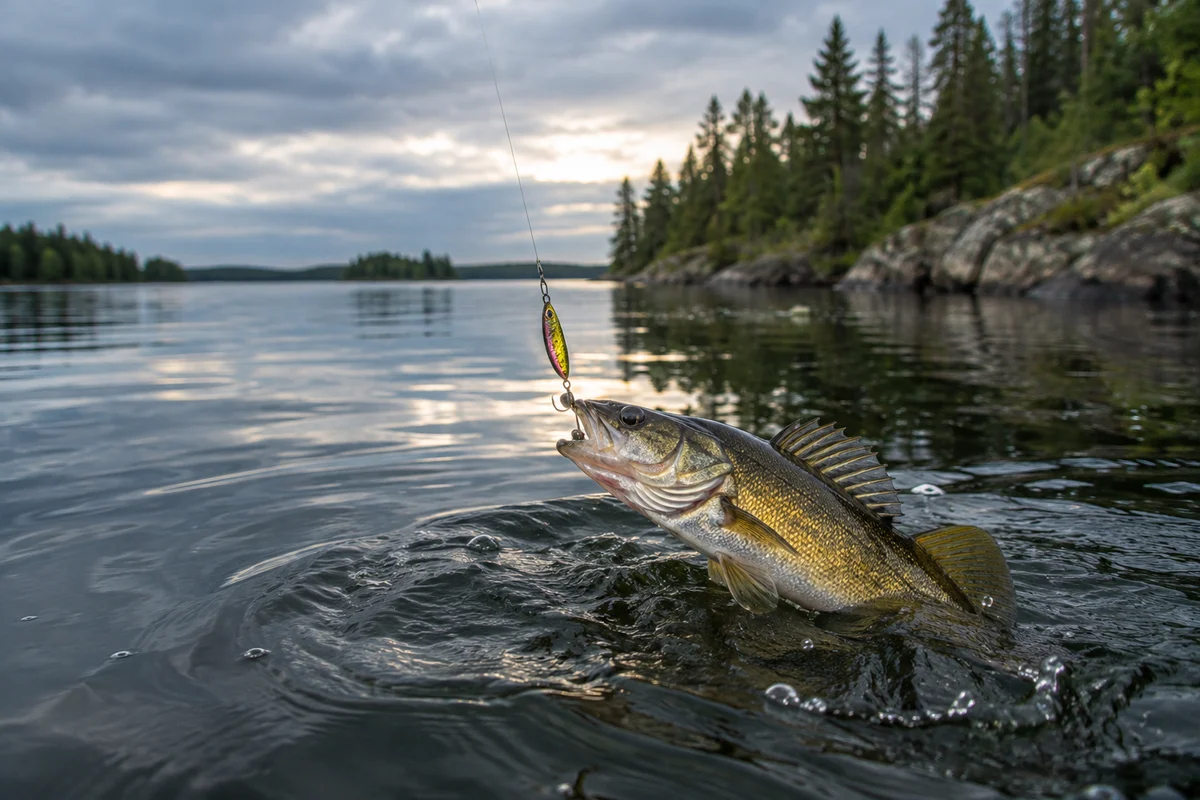
Swivel-Head Jig: How the Free-Swinging Design Fishes
A swivel-head jig separates the hook’s movement from the weight of its head, but designs vary. Here’s how to inspect the connection, match tackle and fish it deliberately.
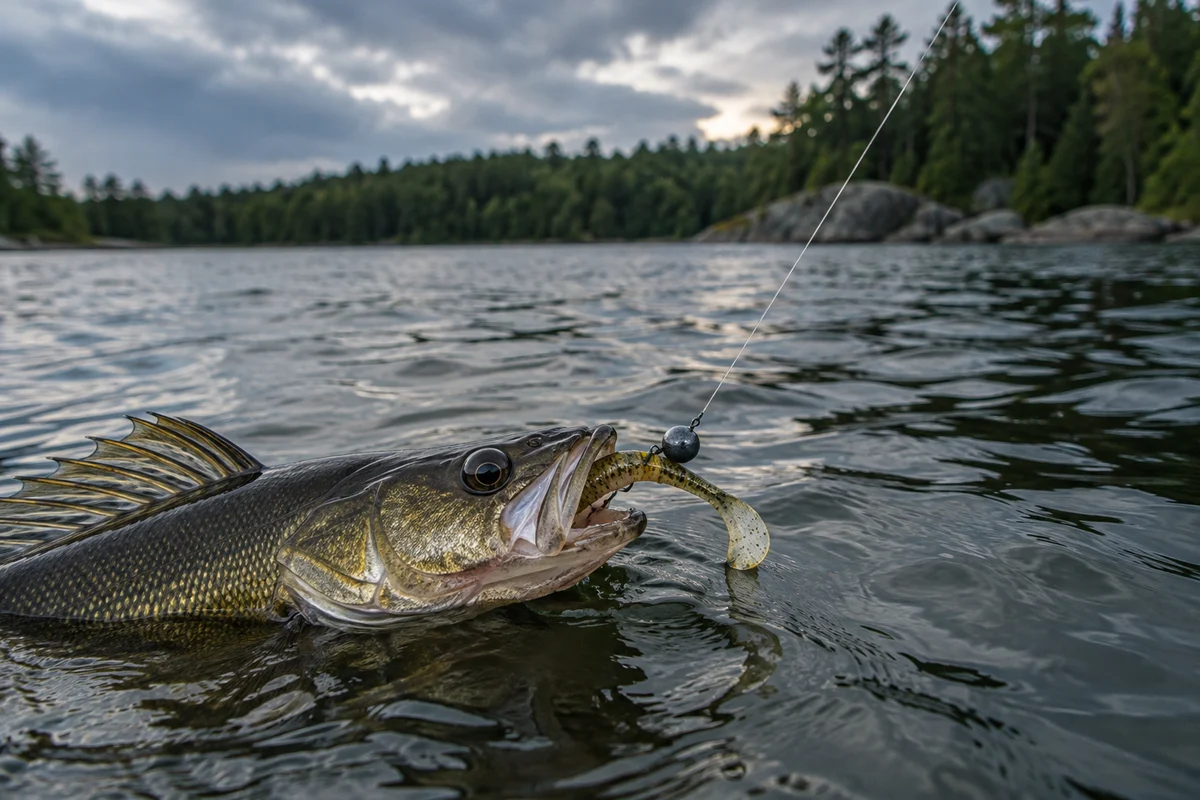
A swivel-head jig is intended to let the hook move more independently from the weighted head. That can change how a bait pivots, falls and responds to line movement. The name alone does not establish the exact construction of every model, however: products described as free-swinging or swivel-head may use different connections. Treat the visible hardware—not a label or an old product description—as your guide.
This overview focuses on the design and fishing decisions that apply across the category. It does not assume a particular Northland Tackle model’s specifications. Before using a named product, inspect its current packaging or manufacturer information for hook, weight and connection details.
What makes a swivel-head jig different?
A conventional fixed-head jig joins its hook rigidly to the weighted head. On a swivel-head design, a pivoting connection allows at least some relative movement between those parts. Depending on the construction, the hook may swing or rotate rather than remain aligned at one fixed angle. Check the actual connection: a small swivel, split ring or other articulated link can look similar at a glance but may behave differently.
The practical distinction is movement, not a promise of more bites. A freely moving hook can let a soft-plastic bait articulate with less direct restraint from the head. It may also alter how the bait hangs when paused. The result depends on the jig’s geometry, the bait’s shape and buoyancy, line tension, current and bottom contact.
If you are comparing a swivel-head jig with a fixed-head option, look at the connection from several angles and gently move the hook by hand before tying it on. It should move as designed without catching on the head or exposing a sharp point to your fingers. Do not infer the rated strength or intended use from appearance alone; use the maker’s specifications when available.
When can the free-swinging connection help?
The design is worth considering when you want a bait to pivot naturally during a slow presentation, particularly when the lure is repeatedly lifted, allowed to settle and paused. The articulated connection can make the hook’s position less rigid during those transitions. That may be useful when presenting a plastic bait along a bottom edge, through scattered cover or beside a drop-off, provided the hook and weight suit the conditions.
It is not automatically superior in vegetation, brush or fast current. Extra movement can mean another point where weeds or line can catch, and a light head may not stay in contact with the bottom. A fixed-head jig may be simpler where precise placement, a compact profile or a firm hook-to-head alignment matters most.
Think of the swivel as one variable in a larger presentation. If fish are following but not taking the bait, changing its size, color or cadence may matter more than changing the head connection. For a broader look at how lure designs differ, this overview of Spooltek lures offers another example of why a feature should be considered in the context of the whole bait, not as a standalone guarantee.
How should you choose a swivel-head jig?
Start with the fish and the cover, then check four details:
- Weight: Choose a head that lets you maintain useful contact at the depth and drift speed you face. A heavier head descends faster but can make a slow presentation feel abrupt; a lighter one may be difficult to track in wind or current.
- Hook: Match hook size and shape to the bait and the fishery. The hook should emerge in a position that lets the bait sit straight, while leaving enough exposed point for the intended presentation. Confirm the maker’s hook information rather than estimating from a product name.
- Connection: Look for smooth articulation with no sharp burrs, bent wire or binding. The connector should suit the expected load; do not substitute components or alter the assembly unless the manufacturer explicitly describes a compatible setup.
- Bait fit: Check that the plastic sits straight and does not bunch at the head. A crooked bait can spin, twist line and undermine the natural fall you wanted from the design.
Also consider local rules. Tackle restrictions can differ by water, species and jurisdiction, including rules affecting lead. Check the relevant fisheries agency before fishing, especially when traveling or using a waterbody with special regulations. State agencies such as the Minnesota Department of Natural Resources publish fishing information and regulation resources; always confirm the rules for the specific place and season.
How do you rig one without spoiling its action?
Use a line connection appropriate to the jig’s eye and your tackle, and tie a secure knot you know how to inspect. Before fishing, pull-test the knot with steady pressure while keeping fingers away from the hook. If the jig includes an articulated hook connection, avoid tying or attaching line in a way that binds that moving part.
Thread a soft plastic carefully so it follows the hook shank without twisting. A useful check is to hold the line above the bait and lower it into shallow water: the bait should descend in a controlled way rather than corkscrew. If it spins, straighten the plastic and check that the hook is centered. Replace a damaged bait instead of forcing it onto the hook.
Set the drag and rod choice for the likely fish, cover and line, rather than trying to compensate for a loose knot or damaged connection. Keep the hook point covered during transport, and store the jig where the moving hook cannot snag other tackle. Examine the swivel or pivot periodically for corrosion, deformation or a connection that no longer moves properly. Retire damaged gear.
What retrieve suits a swivel-head jig?
Begin with a controlled bottom-oriented presentation if that is appropriate for the species and habitat: let the jig descend on a semi-slack line, note when it reaches bottom, then lift or drag it a short distance and pause. Watch the line as it falls; a sudden sideways movement or slack change can signal contact or a bite. Keep the rod movement modest until you learn how the particular head and bait respond.
In deeper water or current, use enough weight to stay in touch without plowing continuously. In shallow or snag-prone areas, a slower fall and shorter movements can help keep the lure in the intended lane. These are starting points, not fixed rules. Adjust the cadence and depth based on observed conditions, and avoid repeatedly dragging a jig through sensitive vegetation or habitat.
If you use sonar, treat it as context rather than a fish-catching instruction sheet: it can help you understand depth and structure, while lure control still comes from line, rod and water feel. This discussion of interpreting fishfinder claims is relevant when deciding what electronics can—and cannot—tell you about a fishing spot.
What problems should you watch for?
A swivel-head jig can still twist line, foul or miss fish. Line twist often points to a bait that is mounted off-center, a damaged connection or a retrieve that makes the lure rotate. Stop and inspect rather than continuing to cast a spinning presentation. A hook that repeatedly catches weeds may be mismatched to the cover or simply not suited to that route; switch to a more appropriate design instead of forcing it.
If you feel taps but fail to connect, first check the hook point and bait placement. Then consider whether the hook is large enough for the bait and whether your retrieve gives the fish time to take it. Avoid assuming that the articulated joint itself is the cause. Change one factor at a time so you can tell what improved contact.
For more freshwater technique and tackle context, browse the fishing tips hub. The useful takeaway is simple: a swivel-head jig offers a different hook-to-head relationship, not a guaranteed result. Confirm the model’s construction, match weight and hook to conditions, and let the actual movement of the assembled bait guide your choice.
Frequently asked questions
Does a swivel-head jig prevent line twist?
No. A pivoting connection does not prevent line twist by itself. A bait mounted crooked, a damaged connection or a rotating retrieve can still twist line; inspect the rig and correct the cause.
Is a swivel-head jig better than a fixed-head jig?
Neither design is best in every situation. A swivel-head connection permits more movement, while a fixed head keeps the hook aligned rigidly. Choose based on bait action, cover, depth and the control you need.
How can I identify the construction of an older named jig?
Check the physical connection and any manufacturer documentation for that specific model. Product names and older descriptions may not establish exact hardware, hook size or weight.
Sources & further information
Consult these primary sources for current regulations, technical information and local guidance.