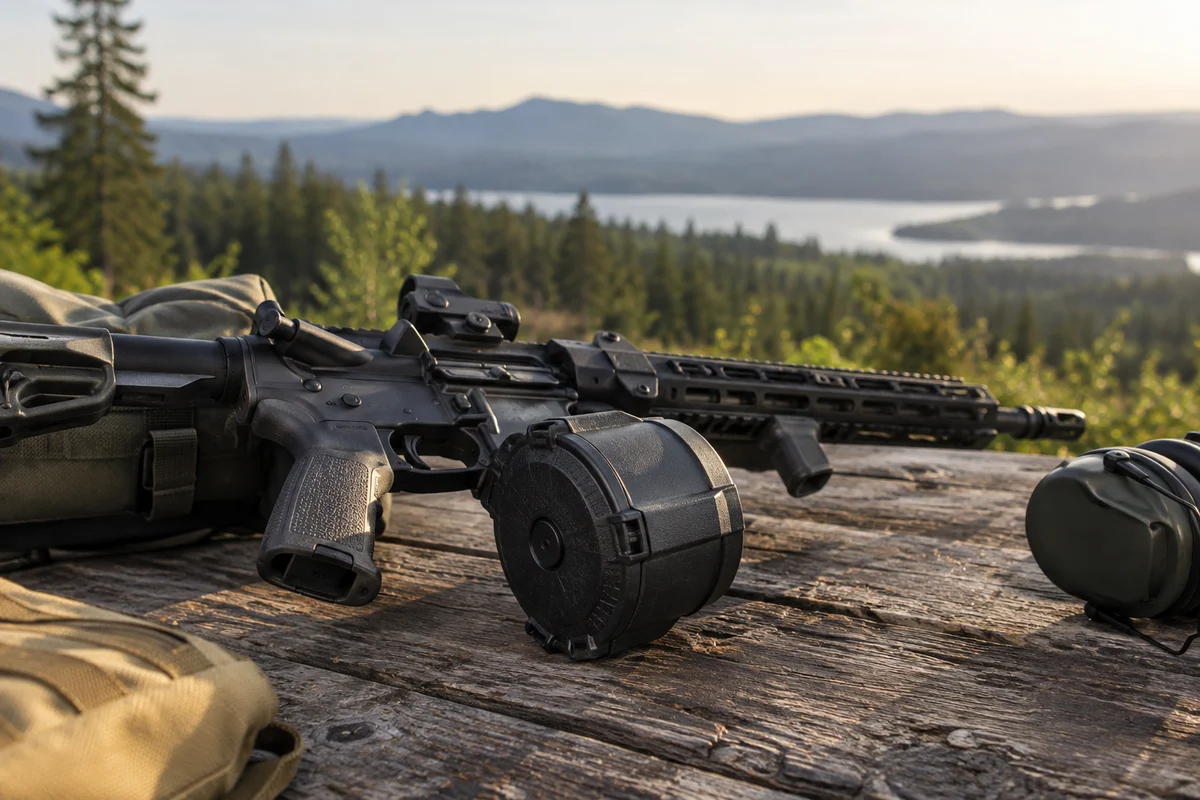
Zombie Bayonet: What the LaserLyte Pistol Edition Means
The “zombie bayonet” name blends firearm culture with a familiar horror trope, but it does not by itself establish a pistol’s design or capabilities. This guide separates the phrase from verifiable facts and explains the historical, safety, and legal context.
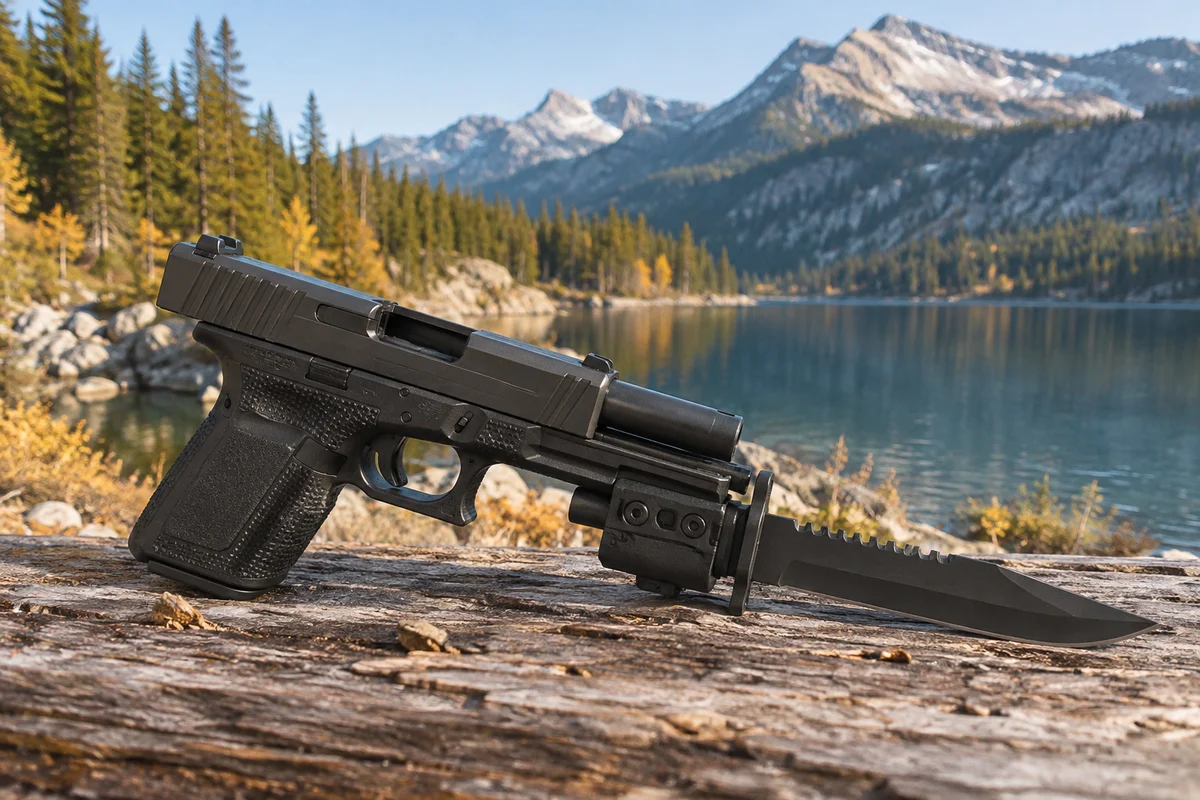
The zombie bayonet phrase tied to the LaserLyte pistol edition invites questions: Is it a historical term, a particular accessory, or a themed product name? The phrase alone cannot answer those questions. Without a reliable model description or manual confirming the details, it is important not to infer how an item attaches, what it fits, or how it functions. A careful look at the wording, the history of bayonets, and basic safety principles gives readers useful context without turning an unclear label into a set of unsupported specifications.
What does “zombie bayonet” mean here?
“Zombie” is a popular fictional and entertainment motif, while a bayonet is a blade associated historically with military firearms. Combining the words makes a striking name, but it is not a recognized technical category that tells you a product’s dimensions, attachment method, compatibility, or intended use. The phrase in the LaserLyte edition’s title should therefore be treated as a name, not as a specification sheet.
That distinction matters especially because “pistol bayonet” is an unusual combination in ordinary firearm terminology. Readers may encounter the phrase in a headline, catalog description, or older product reference without enough accompanying documentation to identify the exact configuration. Unless primary documentation confirms the details, don’t assume the item is a conventional bayonet, that it fits a particular pistol, or that a named edition includes a particular component. The available wording can be discussed; missing technical details should remain unknown.
How is a bayonet different from a pistol accessory?
A bayonet is generally understood as a blade intended to attach to a firearm, most commonly a long gun. Historically, designs and attachment systems varied. The term does not describe every knife-like object associated with a firearm, nor does it establish that a specific modern pistol can accept one. A separate accessory may be decorative, themed, or otherwise different from a functional bayonet; the name alone does not settle which description applies.
To assess a specific item, look for primary documentation that identifies the model, its intended configuration, and any safety limitations. A manufacturer’s manual or archived official product description is more useful than a reposted image or a short headline. If that documentation is unavailable, report the uncertainty plainly rather than filling gaps with assumptions. For a contrast in firearm categories and terminology, see our overview of what a coach gun is; the comparison is about terminology and form, not a claim that the designs share a purpose.
What is the historical role of bayonets?
Bayonets belong to a long history of military equipment, especially in periods when firearms were slower to reload and close combat was a greater part of battlefield doctrine. Over time, firearm technology, military organization, and combat practices changed. Bayonet designs and their roles changed too. This broad history helps explain why the word carries strong associations, but it should not be used to imply that a themed civilian product has a military history or equivalent function.
The distinction between historical context and a present-day product is essential. A name can borrow familiar imagery without documenting a design lineage. Likewise, a general history of bayonets cannot verify the construction or intended use of a particular LaserLyte-labeled item. Museums and public historical resources can help readers explore military material culture; they are not substitutes for the model-specific documentation needed to identify a modern product. Our article on the Bone Collector muzzleloader offers another example of why a firearm’s type and descriptive name should be kept distinct.
What can the name tell us about the LaserLyte edition?
At most, the wording links the LaserLyte name, a pistol, and a “Zombie Killer Edition” or bayonet theme in a particular reference. It does not independently establish a release date, production quantity, exact model, included parts, materials, compatibility, or present-day availability. Those details should not be repeated as facts unless a reliable primary source confirms them.
When researching an older or obscure item, compare the exact wording across sources and give priority to documentation from the manufacturer. Pay attention to whether a source is describing a complete firearm, an accessory, a themed package, or simply using a headline to summarize an image. If sources disagree, note the disagreement rather than merging their claims into a single invented description. This is a sound approach to niche firearm topics generally; our informational hub for guns focuses on history, terminology, lawful context, and safety rather than unsupported claims.
What safety principles apply to unusual firearm accessories?
Treat any firearm as potentially dangerous, and follow its manual and applicable safety rules. Keep the firearm pointed in a safe direction, keep fingers away from the trigger, and verify its condition only in a safe setting and in accordance with the manufacturer’s instructions. Do not handle an unfamiliar attachment as though its fit or function were established by its name or appearance. If its identity or intended configuration is unclear, stop and seek qualified, lawful guidance rather than improvising.
Storage is part of safety. Keep firearms secured against unauthorized access, and store them in accordance with applicable law and the firearm manufacturer’s guidance. Accessories should also be stored so they cannot create an avoidable hazard. These are general safety considerations, not instructions for fitting or operating a bayonet. The Sporting Arms and Ammunition Manufacturers’ Institute (SAAMI) provides firearm safety information; consult its guidance and the documentation for the specific firearm rather than relying on a short product reference.
What legal questions should readers consider?
Rules for firearms and edged weapons can differ by country, state, and locality. They may depend on the item’s design, how it is carried or stored, where it is possessed, and other circumstances. A product nickname does not determine legal status, and a general article cannot establish whether a particular configuration is lawful in a particular place.
For a real-world question, check current official laws and guidance for the relevant jurisdiction, and consult an appropriate legal professional when interpretation is needed. Do not rely on a forum post, an old listing, or a broad claim that an item is legal everywhere. The Bureau of Alcohol, Tobacco, Firearms and Explosives (ATF) publishes federal firearms information, but state and local rules may also apply. This is legal-awareness context, not legal advice.
How should readers evaluate claims about the item?
Start with what can be verified: the exact name used, the source of the reference, and whether a manufacturer’s manual or official description is available. Separate documented facts from interpretation. If a source does not identify a model number or explain the configuration, say so; do not supply missing specifications, performance claims, or historical details by inference.
The same standard applies to images. A photograph may show an object beside a firearm without proving that the objects are compatible, sold together, or intended to be used together. Captions can be incomplete, and later reposts may lose their original context. A responsible overview preserves that uncertainty and focuses on what the name can reasonably tell us: it is an unusual, themed phrase connected to a pistol reference, not enough evidence to establish a technical design. That approach keeps the discussion useful while respecting both safety and accuracy.
Frequently asked questions
Does “zombie bayonet” identify a standard type of pistol accessory?
No. The phrase is not enough to establish a recognized technical category, attachment system, compatibility, or function. Model-specific documentation is needed for those details.
Can the LaserLyte name alone confirm what came with the pistol edition?
No. A name or brief reference does not verify included components, specifications, production details, or present-day availability. Check reliable manufacturer documentation where available.
Are bayonet and accessory laws the same everywhere?
No. Applicable rules vary by jurisdiction and circumstances. Consult current official guidance for the relevant location and qualified legal advice when needed.
Sources & further information
Consult these primary sources for current regulations, technical information and local guidance.