How Quiet Are Suppressors? What to Expect and Why
Suppressors can reduce a firearm’s muzzle blast, but they do not make gunfire silent. Understand the sound sources, variables, measurement limits, and practical hearing-safety implications without relying on exaggerated claims.
The short answer to how quiet are suppressors is: quieter than the same firearm without one, but not silent. A suppressor can reduce the sharp muzzle blast that contributes to a gunshot’s sound. The resulting noise can still be loud enough to risk hearing damage, and the sound heard by a shooter or observer depends on far more than the suppressor alone.
That distinction matters whether you encounter suppressors in hunting discussions, product coverage, or firearm-safety conversations. The safest mental model is sound reduction, not silence—and hearing protection remains important. This guide covers the factors that shape perceived sound, why comparisons can mislead, and what responsible owners should keep in mind. For broader context, see the guns and firearm information hub, our overview of electronic hearing protection, and our guide to firearm safety and responsible ownership.
What a suppressor changes—and what it does not
When a firearm is fired, sound can come from several sources. High-pressure gases escaping at the muzzle create a prominent blast. A suppressor is designed to manage and cool those gases before they leave the muzzle, which can reduce that component of the sound. The result is a less intense muzzle report than the same setup would generally produce without a suppressor.
But the muzzle blast is not the only sound. A projectile traveling faster than sound can produce a distinct ballistic crack along its path. The firearm’s mechanical action may also make noise, and the shot can be reflected by nearby terrain, walls, or other surfaces. A suppressor does not erase all of those sources.
It is useful to distinguish “quieter” from “safe.” A reduced sound level is not automatically harmless to hearing. The level and character of sound at the ear vary with the firearm, ammunition, environment, position, and measurement method. Treat every shot as potentially hazardous and use appropriate hearing protection.
Why the answer varies from one setup to another
There is no single sound level that describes every suppressed shot. Suppressor design is only one part of the picture, and figures from different tests may not be directly comparable.
| Factor | Why it matters | What to avoid assuming |
|---|---|---|
| Firearm and cartridge | Different firearms and ammunition produce different sound signatures and amounts of muzzle gas. | A result from one setup applies to every firearm. |
| Projectile speed | A projectile traveling faster than sound can create a separate crack that the suppressor does not remove. | The muzzle report is the only sound you will hear. |
| Suppressor design | Designs differ in how they manage gases and in their intended applications. | A product name or appearance predicts a particular result. |
| Listener position | Sound reaching the shooter can differ from sound reaching someone downrange or to the side. | One listening position represents everyone nearby. |
| Surroundings | Open ground, hard surfaces, vegetation, and enclosed spaces affect reflections and perception. | A quiet-sounding video reflects the sound in person. |
| Measurement setup | Microphone placement, equipment, environment, and reporting practices affect recorded figures. | Numbers from unrelated tests can be ranked as if collected identically. |
These variables explain why a brief recording or a single published number can be a poor guide to real-world exposure. Smartphone microphones and automatic audio processing may compress or alter loud sounds. Online clips can also be recorded at unknown distances and levels, then adjusted during editing. They can illustrate a general concept, but they are not dependable hearing-safety measurements.
Why “hearing safe” claims need caution
Sound exposure is not judged by whether a shot seems comfortable. Sudden impulse noise can harm hearing, and damage may not be obvious immediately. A suppressor can reduce muzzle blast, but it does not guarantee that the sound at every listener’s ear is below a safe threshold.
The National Institute for Occupational Safety and Health explains that hazardous occupational noise requires attention to sound level and exposure duration. Firearm impulses are a distinct and particularly challenging case: a simple workplace noise rule should not be treated as a personal safety certification for a particular firearm setup. Consult qualified hearing-health and safety guidance, and err on the side of protection.
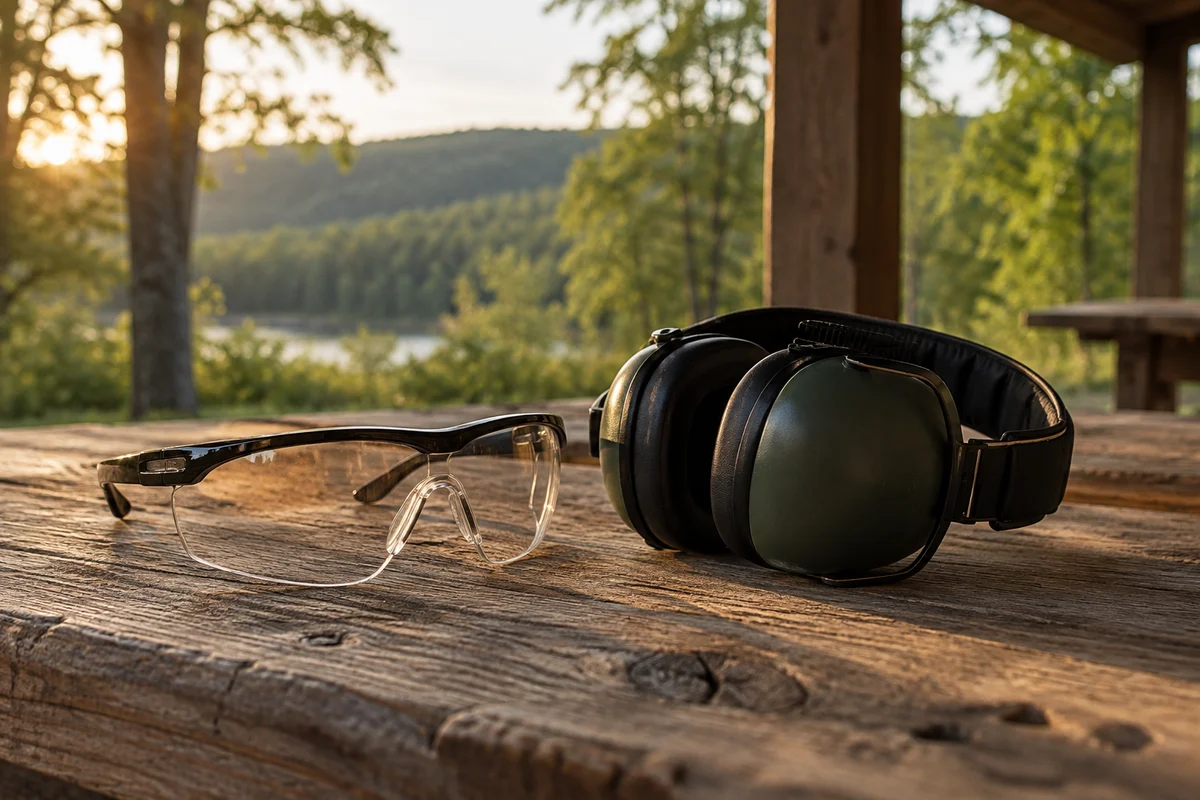
For practical use, follow the firearm and suppressor manufacturers’ safety instructions, use properly fitted hearing protection, and do not assume that a suppressor replaces it. People nearby need protection too. If you are choosing hearing protection, compare fit, appropriate attenuation, compatibility with other equipment, and whether you can still hear necessary range commands. Our guide to electronic hearing protection discusses those considerations.
How to evaluate sound claims responsibly
When reading a product description, technical article, or test report, look for context rather than a dramatic adjective. A useful account should identify what was tested and explain how the measurement was made. Ask whether the firearm and ammunition are specified, where the microphone was placed, what instrument and protocol were used, and whether the result refers to the muzzle, shooter’s ear, or another location.
A responsible comparison should also make clear that results are setup-specific. If an article gives a precise figure but offers no method or conditions, treat it as incomplete—not as a guarantee. Even a carefully conducted test may not predict what a different listener experiences in a different environment.
Use this quick checklist:
- Identify the sound being discussed. Is the claim about muzzle blast, sound at the shooter’s ear, or a listener elsewhere?
- Check the test context. Look for the firearm, ammunition, microphone location, and measurement method.
- Separate sound reduction from hearing safety. A quieter result is not proof of safe exposure.
- Treat recordings as demonstrations, not instruments. Playback volume and recording equipment can change perception.
- Keep protection in the plan. Follow applicable safety guidance and protect everyone exposed to shooting noise.
These questions are useful whether you are reading a manufacturer’s overview or discussing equipment with a qualified professional. They help keep technical claims in perspective without turning a single test into a universal promise.
Legal and safe-use considerations
Suppressor rules vary by jurisdiction and can change. Possession, transfer, hunting use, and transport may be governed by different requirements. Before acting, check current federal, state, and local law and consult the relevant government authorities. Do not rely on an old article, forum post, or product page as legal advice.
Safe storage and responsible handling remain essential regardless of equipment. Store firearms secured and inaccessible to unauthorized people, keep them pointed in a safe direction when handled, and follow established firearm-safety rules. A suppressor does not make a firearm inherently safe, remove the need for training, or justify firing where it is not lawful or appropriate. More safety context is available in our responsible ownership overview.
What to remember
Suppressors reduce some of the sound produced at the muzzle, but they do not make gunfire silent. A projectile’s flight, the firearm’s action, surroundings, and listener position all affect what people hear. Test results and recordings need context, and no general claim should substitute for hearing protection.
If you take away one practical point, make it this: treat suppressed gunfire as hazardous noise, protect your hearing and the hearing of others, and verify legal requirements with current official sources. That is a more reliable answer to “how quiet are suppressors” than any promise of silence.
Sources
- National Institute for Occupational Safety and Health: Noise and Hearing Loss Prevention
- U.S. Bureau of Alcohol, Tobacco, Firearms and Explosives: Firearms
Frequently asked questions
Do suppressors make firearms silent?
No. They can reduce muzzle blast, but other sounds remain, including a possible ballistic crack and mechanical noise.
Can a suppressor make gunfire safe for hearing?
Do not assume so. Sound exposure varies by setup and listener position; use appropriate hearing protection and follow qualified safety guidance.
Why do suppressor sound tests report different results?
Firearms, ammunition, surroundings, microphone placement, listener position, and test methods can all affect measurements.
Can I judge a suppressor from an online video?
A video can demonstrate a general difference, but microphones, distance, playback volume, and editing make it unreliable for measuring real-world exposure.
Are suppressors legal everywhere?
No. Rules vary and may change. Check current federal, state, and local requirements with relevant official authorities.
Sources & further information
Consult these primary sources for current regulations, technical information and local guidance.