Firearm Safety and Responsible Ownership: A Practical Guide
Responsible ownership is a set of repeatable habits, not a single device or rule. This guide covers safe handling, secure storage, household conversations, training, and the limits of general legal guidance.
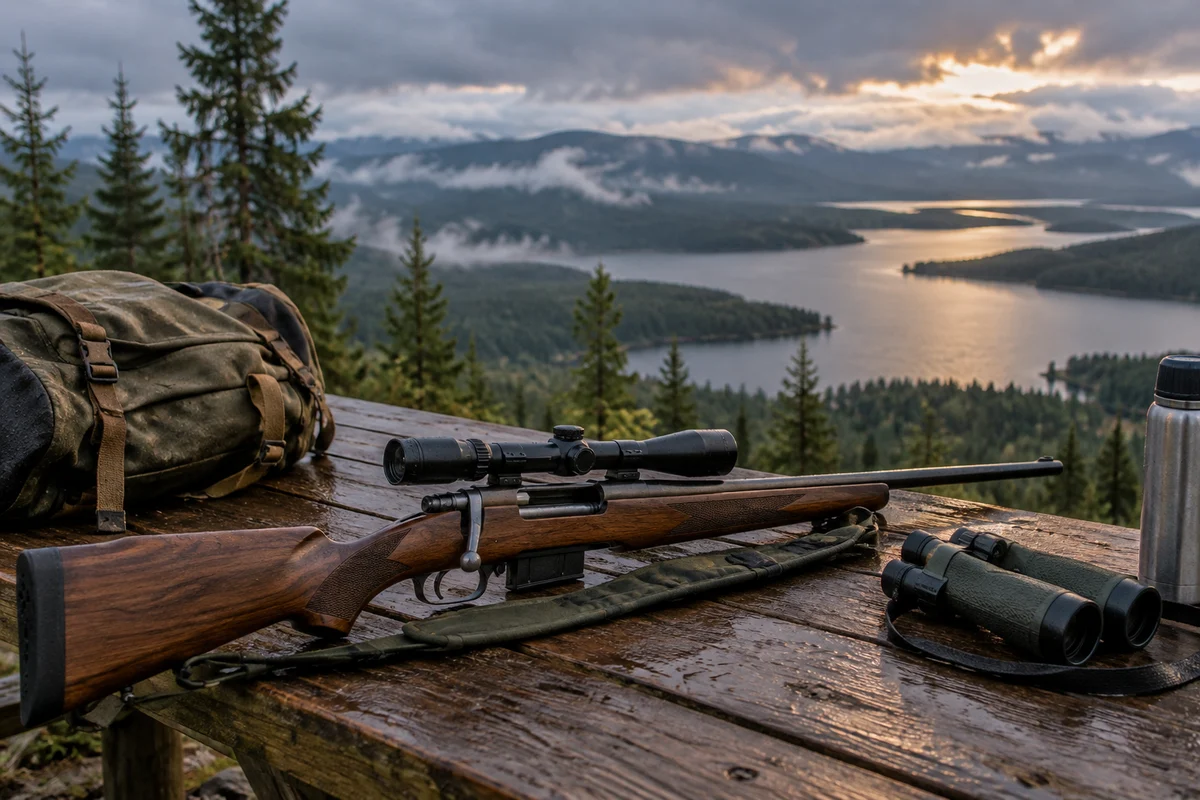
Firearm safety and responsible ownership begin with a simple principle: treat every firearm as if it is loaded, even when you believe it is not. Safe habits matter in the field, at home, and during transport. They should be consistent, calm, and reinforced by secure storage, appropriate training, and awareness of local law. This guide offers general information, not legal advice or hands-on instruction; when rules or equipment details are uncertain, consult qualified local authorities and the manufacturer.
What does responsible ownership mean?
Responsibility extends beyond the moment a firearm is handled. It includes deciding whether a firearm belongs in a household, preventing unauthorized access, learning applicable laws, keeping equipment in safe condition, and making a plan for emergencies or changing circumstances. It also means recognizing that ownership is not appropriate for every person or situation.
Start with a realistic household assessment. Consider whether children, visitors, roommates, or anyone experiencing a crisis could reach stored equipment. A locked container can reduce access, but a storage plan is only effective when it suits the household and is used consistently. Store firearms secured and inaccessible to unauthorized people, with ammunition secured separately where practical and consistent with local rules and manufacturer guidance.
Responsible ownership also includes restraint. A firearm is not a solution for every conflict or outdoor problem. Do not handle one while impaired, emotionally escalated, or distracted. If anyone in the home is in immediate danger of harming themselves or another person, prioritize distance, secure access if it can be done safely, and contact emergency or crisis support.
Which handling habits reduce risk?
Treat every firearm as loaded. Keep the muzzle pointed in a direction where an unintended discharge would not injure someone or cause serious damage. Keep your finger outside the trigger guard until you have made a deliberate decision to fire at a lawful, identified target. Be certain of the target and what lies beyond it. These basic rules are not substitutes for training or the specific manual for a firearm.
When a firearm changes hands or is handled in a new setting, avoid assumptions about its condition. Follow the manufacturer’s safety instructions and receive in-person instruction from a qualified, reputable educator before handling unfamiliar equipment. If something appears damaged, obstructed, or uncertain, stop handling it and seek qualified help. Do not improvise repairs or try to diagnose a problem by manipulating the firearm.
A useful habit is to make safety decisions before an outing: identify where handling is permitted, who is responsible for keeping equipment secured, and how it will be transported under applicable law. On a hunting trip, firearm safety sits alongside target identification, awareness of other people, and respect for landowner and wildlife regulations. The guns and safety topic hub gathers more informational coverage without replacing local instruction.
How should firearms be stored around other people?
Choose storage that prevents access by children and anyone who is not authorized. A locked safe or other secure locking device may be part of the plan, but no single product guarantees safety. Consider where keys, combinations, and backup access are kept; whether a container can be reached or opened by an unauthorized person; and whether the arrangement remains secure during travel or a household change.
Inspect the storage routine, not only the hardware. Confirm that doors and locks are secured after use, and avoid leaving a firearm unattended in a vehicle or other accessible place. Follow the manual for storage and maintenance conditions, including any cautions about moisture or environmental exposure. If a household includes young people, explain that firearms are not toys and that they should not touch one; they should leave the area and tell a trusted adult. That conversation complements—not replaces—secure storage.
Households can agree on a clear response if an unsecured firearm is found: do not touch it, move away, and alert a responsible adult or local authorities as appropriate. Keep this plan simple enough to remember. Revisit it when children grow, guests stay over, a home is sold, or a person’s health or circumstances change.
What training and maintenance are appropriate?
A recognized, in-person safety course can teach rules, local context, and supervised handling in a way an article cannot. Look for instruction that emphasizes safe conduct, legal responsibilities, secure storage, and the limits of a participant’s experience. Ask about instructor qualifications and course scope. Do not treat online reading or familiarity with a particular design as a replacement for supervised education.
For maintenance, follow the manufacturer’s manual and use a qualified professional when service is needed. Keep records of manuals and relevant safety information, and check for applicable manufacturer notices. Avoid modifying a firearm unless the work is lawful and performed by a qualified person; compatibility and legal requirements vary. The same caution applies to ammunition: its components and production are a technical subject, not an invitation to experiment. For general background, see how mass-manufactured ammunition is made, and rely on qualified instruction for safety questions.
How do laws and hunting rules fit in?
Firearm laws vary by jurisdiction and may address possession, transport, storage, permits, hunting seasons, and use in particular places. Rules can change, and a general article cannot determine which requirements apply to an individual. Check current official state and local sources before transporting or using a firearm, and consult the relevant agency if a rule is unclear. Federal information is available from the Bureau of Alcohol, Tobacco, Firearms and Explosives, but state and local requirements may also apply.
Hunters should check the wildlife agency’s current regulations for season dates, legal equipment, discharge restrictions, and land access. Never assume that a rule in one state or county carries over to another. Before hunting, make a plan for safe transport and storage at camp, and confirm that everyone in the party understands the boundaries of the lawful hunting area. If a legal question remains unresolved, pause rather than guessing.
What should someone consider when choosing equipment?
There is no universally suitable firearm or configuration. Intended lawful use, fit, ability to handle and store equipment safely, and access to qualified instruction all matter. Public specifications can help explain a product’s general design, but specifications do not establish that a particular model is right for a person or purpose. Verify details in current manufacturer materials and ask a qualified instructor about safe handling and fit.
For example, an overview of the Boyds At-One thumbhole stock can help readers understand how a stock is described, but it should not be treated as a recommendation or a guide to installation. Any change to equipment calls for attention to lawful compatibility and professional guidance. Avoid decisions based on an old headline, an unverified claim, or a product detail that cannot be confirmed by the manufacturer.
What are common safety mistakes to avoid?
The most consequential mistakes often come from assumption: believing a firearm is unloaded, leaving access control to chance, relying on a lock without considering who can reach its key, or treating familiarity as competence. Other errors include handling equipment while distracted or impaired, ignoring a damaged or uncertain condition, and relying on remembered regulations instead of checking current official guidance.
Build routines that interrupt those assumptions. Pause before handling; maintain safe muzzle direction and trigger discipline; secure access immediately after use; and ask for qualified help when anything is unclear. When a situation feels rushed, stop. A short delay is preferable to an irreversible mistake. Responsible ownership is not a claim of perfect judgment; it is the practice of setting safeguards that reduce risk and knowing when not to proceed.
Frequently asked questions
Is a locked case enough to make storage safe?
A lock can be an important safeguard, but safety depends on the complete storage arrangement: unauthorized people must not be able to access the firearm, keys, or combinations. Consider household circumstances, follow manufacturer guidance, and check local storage requirements.
Can an online article replace a safety course?
No. An article can reinforce general principles, but it cannot provide supervised instruction or assess a learner’s handling. Seek reputable in-person training and follow the firearm’s manual.
Where should I check the rules for a hunting trip?
Check current rules from the wildlife agency and relevant state or local authorities for every jurisdiction involved. Confirm transport, possession, and hunting requirements before travel; do not assume rules are identical across borders.
Sources & further information
Consult these primary sources for current regulations, technical information and local guidance.