How to Hunt with Buckshot: Laws, Limits, and Ethics
Buckshot hunting depends on local law, a suitable shotgun-and-ammunition combination, and a clear-eyed assessment of safety and humane range. Use this guide to plan responsibly—and recognize when another lawful method is more appropriate.
The question of how to hunt with buckshot has no one-size-fits-all answer: rules vary by place and game, and a load that is lawful in one setting may be prohibited in another. Buckshot is a shotshell containing multiple relatively large pellets, so its behavior and risks differ from birdshot or a single projectile. Responsible planning starts with the current regulations, the firearm and ammunition maker’s guidance, and an honest appraisal of whether the conditions allow a safe, ethical shot. This is an informational overview, not a substitute for hunter education or local rules.
What does buckshot mean for hunting?
Buckshot is a category of shotshell ammunition in which the shot consists of multiple large pellets. It is often associated with deer hunting in some jurisdictions, but that association does not make it legal for deer—or any other species—everywhere. Rules can restrict ammunition type, firearm type, seasons, areas, or the circumstances in which a particular method is allowed.
A shotshell’s performance depends on the specific firearm, ammunition, and conditions. Do not assume that two loads with the same general label behave alike, or that another hunter’s experience predicts what your equipment will do. The firearm’s manual and the ammunition maker’s information are the appropriate references for compatibility and safe use. For broader firearm and ammunition terminology, consult the ODU Magazine guns hub, which covers these subjects informationally.
Buckshot is also not a guarantee of a humane outcome. Pellets can spread, and the result depends on distance, pattern, the animal’s position, and other variables. Those uncertainties are reasons to establish conservative personal limits and decline a shot when conditions are not clear—not reasons to try to compensate with a less certain shot.
How do you check whether buckshot is legal?
Start with the wildlife agency responsible for the exact place and species you plan to hunt. Read the current regulations for the specific season and zone, rather than relying on a summary, a past season’s rules, or advice from someone hunting elsewhere. Check whether the rules address buckshot, shot size or composition, allowed firearms, magazine or capacity restrictions, special management areas, and any required licenses or permits. The applicable details differ among jurisdictions, and this article does not establish what is legal at a particular location.
Confirm that the rules apply to the date and location of your hunt. Public land, special zones, and particular species may have additional restrictions. If the wording is unclear, ask the wildlife agency directly before going afield. Keep the official regulation source available so that you can check an update or clarify a requirement; do not treat an informal forum post as legal authority.
Agency pages such as the Pennsylvania Game Commission are examples of official sources for local hunting information, not a guide to rules outside their jurisdiction. The SAAMI site provides general industry information about firearms and ammunition; it does not replace wildlife regulations or a firearm’s manual.
What makes a buckshot hunt ethical?
Ethical hunting requires more than a legal method. Before a hunt, decide what conditions would make you pass: uncertain identification, a poor angle, obstructed visibility, an unsafe background, or a distance beyond what you can responsibly manage. With multiple projectiles, the possibility of pellets traveling beyond the intended animal deserves particular attention. Never take a shot unless you can identify the target and account for what lies beyond it.
Be prepared to wait rather than rush. An animal moving through brush, partly hidden, or mixed with other animals may not present a safe opportunity. A rangefinder can help assess distance, but it cannot establish species, clarify what is behind an animal, or make a marginal shot ethical. The Leica CRF 1000-R overview offers context on rangefinding as a hunting tool; use any optic only within its instructions and your training.
A useful personal rule is to set limits before the excitement of a hunt begins. If visibility, stability, identification, or a safe background is in doubt, do not shoot. Follow up only in a manner consistent with your training, local law, and safe conditions; if you cannot do so safely, seek help from an appropriate local authority or experienced, qualified mentor.
How should you choose a suitable load and firearm?
First verify that the exact ammunition is permitted for the intended game and location. Then consult the firearm’s manual to confirm what ammunition the model is designed for, and follow all warnings from both the firearm and ammunition manufacturers. Never infer compatibility from appearance, a similar model name, or another person’s setup. If any marking or instruction is unclear, ask the manufacturer or a qualified gunsmith rather than guessing.
There is no universal pellet size or load that can be recommended for every hunter, firearm, animal, and jurisdiction. Avoid treating a load’s label as a promise of effective range or humane performance. Make decisions from reliable manufacturer information, relevant hunter education, and your own demonstrated ability under appropriate, controlled conditions—not promotional claims or anecdotes.
Sporting experience can build familiarity with safe firearm handling, but one discipline does not automatically transfer to hunting. The account of a skeet shooting record concerns a target sport; it is not evidence that a particular load or technique is suitable for hunting. The setting, target, and responsibilities are different.
What should you know about pattern and effective range?
A shotgun’s pattern is not a fixed circle that stays identical across ammunition and firearms. Its distribution can vary with the specific combination and conditions. For that reason, never rely on a generic distance claim, another person’s pattern, or a rule of thumb as proof that your setup is suitable for a particular hunt.
If you need to understand how your own equipment behaves, use a lawful, controlled range and follow the firearm and ammunition instructions, range rules, and qualified supervision where appropriate. Treat this as a safety and familiarization matter, not a reason to extend your limits. Do not attempt informal testing where people, property, roads, or animals could be endangered. If you cannot verify that the equipment is functioning safely or cannot assess the result confidently, stop and consult a qualified professional.
An ethical effective range is personal and may be shorter than a load’s theoretical capability. It accounts for reliable identification, a clear view, safe surroundings, a stable position, and the ability to make a responsible decision. When any part of that picture is missing, the appropriate limit is no shot.
What safety practices matter in the field?
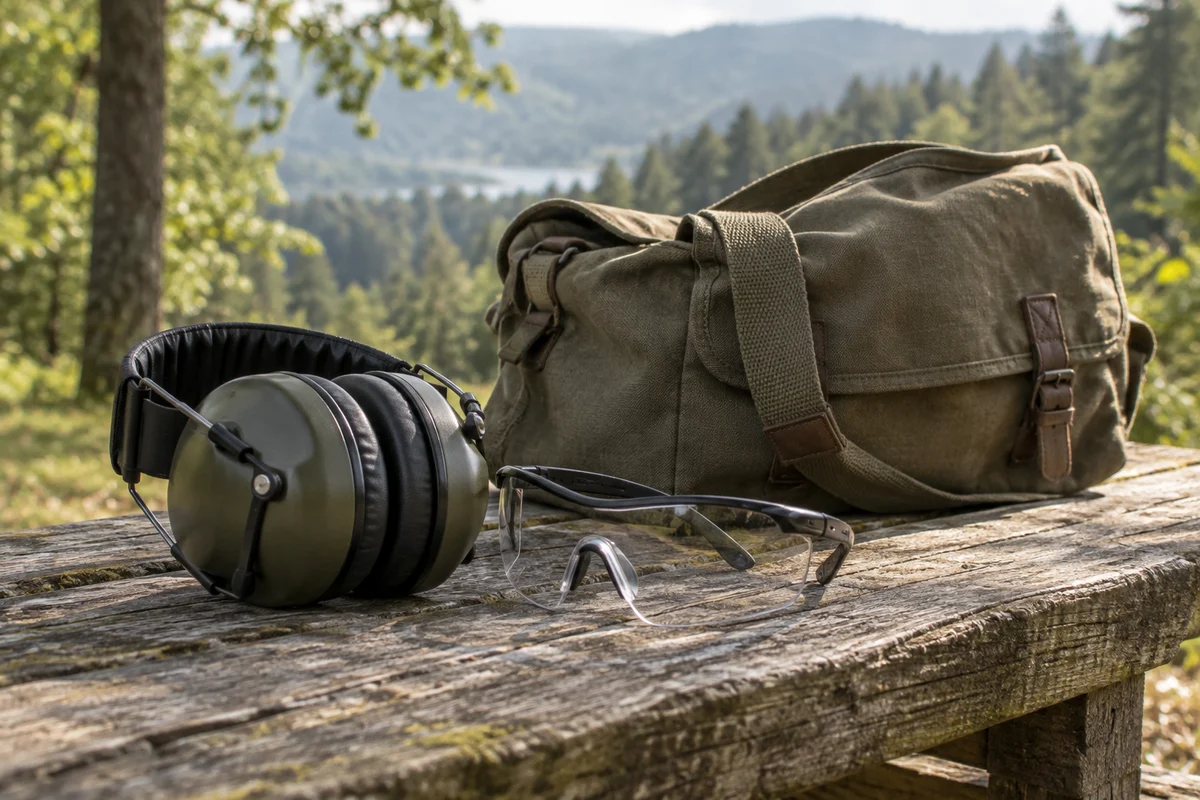
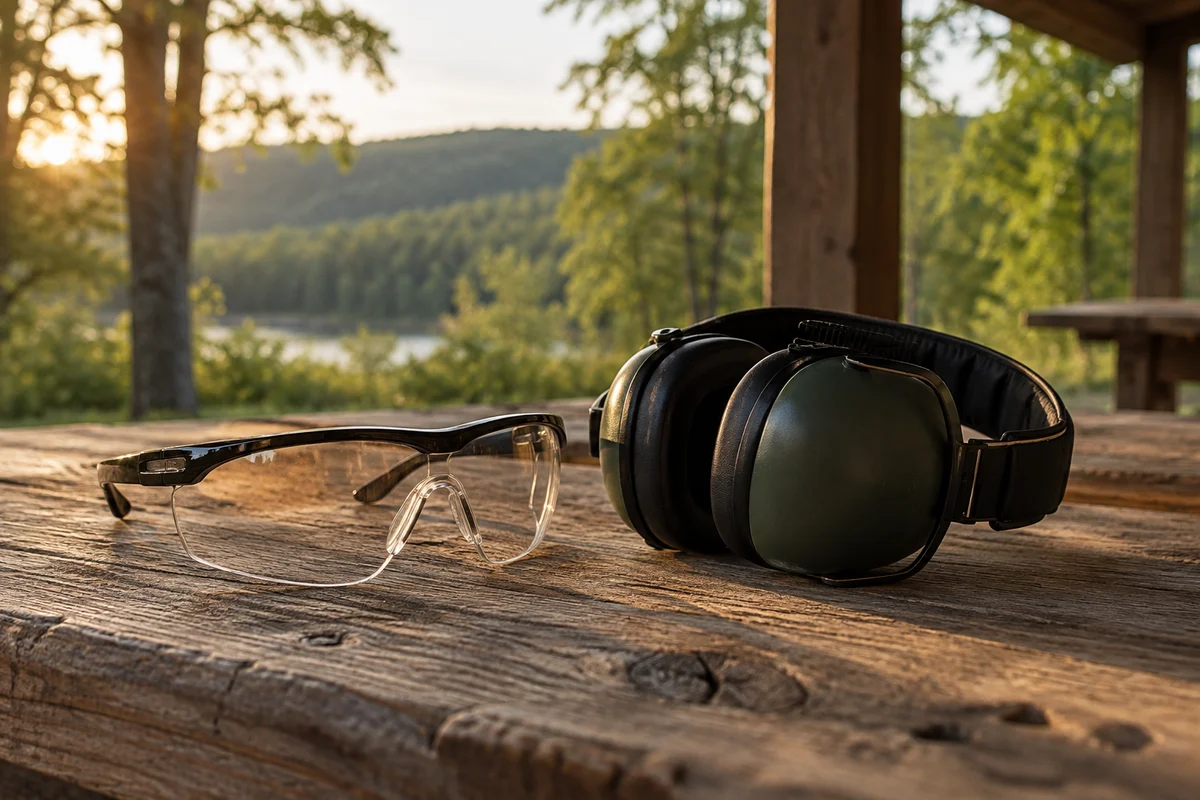
Treat every firearm as loaded until you have personally verified its condition, and keep the muzzle pointed in a safe direction. Keep your finger outside the trigger guard until you are prepared to fire at an identified, lawful target and have confirmed a safe background. Wear appropriate eye and hearing protection where required, and follow the firearm manual and hunter-safety training.
Transport and store the firearm in accordance with local law and the manufacturer’s directions. Secure storage should prevent access by children and unauthorized people; keep ammunition secured as well. During a hunt, maintain awareness of companions and other people, communicate clearly about positions and movement, and stop if visibility or the safety of the group is uncertain. A blaze-orange requirement or other visibility rule may apply; check local regulations and follow them.
If a firearm is dropped, damaged, exposed to an unusual obstruction, or otherwise seems unsafe, do not continue using it until it has been checked by a qualified person. Never improvise repairs or alter ammunition or the firearm. Safe handling and secure storage remain essential before, during, and after a hunt.
When is another hunting method the better choice?
Buckshot may not be allowed for the species or place, and even where lawful it may not suit a particular landscape, visibility, or hunter’s experience. Dense cover, nearby homes or roads, uncertain backgrounds, or limited ability to identify an animal can make a hunt unsafe or inappropriate. A different lawful method—or postponing the hunt—may be the responsible decision.
Make the decision before leaving: confirm regulations, review the equipment manual, plan safe transport and storage, and decide what conditions require you to pass. If a detail remains uncertain, resolve it with the relevant wildlife agency, manufacturer, hunter-education program, or qualified professional. The soundest answer to how to hunt with buckshot is not a recipe for taking a shot; it is a careful process for deciding whether the method is lawful, suitable, and safe at all.
Frequently asked questions
Is buckshot legal for deer hunting everywhere?
No. Ammunition and firearm rules vary by jurisdiction, species, season, and hunting area. Check the current regulations from the wildlife agency responsible for the exact location before hunting.
Does buckshot have one reliable effective range?
No single distance applies to every firearm, ammunition combination, or condition. Follow manufacturer guidance, use appropriate controlled facilities for familiarization, and set a conservative personal limit; never rely on a generic range claim.
What should I do if I am unsure whether a shotgun and load are compatible?
Do not guess or use them until compatibility is confirmed. Check the firearm manual and ammunition maker’s information, and consult the manufacturer or a qualified gunsmith if instructions remain unclear.
Sources & further information
Consult these primary sources for current regulations, technical information and local guidance.