Sniper Magnum: What the Name Says—and What It Doesn’t
“Sniper Magnum” is not enough by itself to identify an air rifle or predict its performance. This guide explains how to verify the model, interpret claims cautiously, and keep any airgun use lawful and safely controlled.
The phrase sniper magnum can sound like a precise technical category, but by itself it does not establish a specific air-rifle model, caliber, power level, or effective range. It may be used as a product name or as descriptive wording, and those meanings should not be confused. Before drawing conclusions from the label, verify the maker and exact model from reliable documentation. This article covers identification, responsible interpretation, and basic safety—not methods for maximizing distance or striking a target. For more informational coverage, see the ODU Magazine guns hub.
Does “Sniper Magnum” identify one specific air rifle?
Not necessarily. A headline, old catalog reference, or informal listing may use “Sniper Magnum” as a model name, a variant name, or promotional language. Without a manufacturer, model number, and document that matches the item, it is not possible to confirm which meaning applies. Similar names can refer to different products, and product families can change over time.
Start by checking the markings on the equipment and comparing them with the manufacturer’s current or archived documentation. Confirm that the manual describes the same model and version, rather than a visually similar item. If the name appears only in a reposted description, treat it as an unverified clue, not proof of identity. Official manufacturer information is the best starting point for clarifying product names; Gamo’s website is one reference for its own airgun range, but a name alone does not establish that a particular item is made by Gamo.
A useful comparison is the way readers approach other airgun names. ODU Magazine’s overview of the Gamo Whisper G2 and its article on the Gamo TC 35 should likewise be read as product-specific topics, not evidence that every airgun with a similar-sounding label shares their features.
What does “magnum” mean in an airgun name?
In product naming, “magnum” is often used to suggest a more powerful or substantial version, but it is not a universal airgun measurement. The word does not, by itself, tell you a device’s operating system, projectile type, output, sound, or suitability for a particular use. Those details require documentation for the exact model and configuration.
It is also important not to transfer assumptions from conventional firearms ammunition to airguns. The words can overlap in everyday descriptions while referring to different equipment and different technical standards. Treat specifications as model-specific and consult the manual rather than inferring performance from a dramatic name. A manufacturer’s stated figures, where available, may depend on test conditions and may not describe every setup or practical result.
For readers, the takeaway is straightforward: consider a name a label, not a specification sheet. When a claim cannot be traced to an identifiable maker or official documentation, it should not guide safety decisions or expectations about use.
How should readers evaluate performance claims?
Look for the exact model designation, the date or version of the relevant documentation, and clear descriptions of what was measured. A claim that omits those details is difficult to compare or verify. Avoid treating a general phrase such as “long range” as a guarantee: airgun performance and consistency depend on the specific equipment, its condition, the projectile intended by its maker, and the environment.
This guide does not provide distance-setting or aiming advice. For responsible use, follow the manual’s limitations and keep activity within a controlled area where the entire path and a suitable backstop are known. Do not fire toward a horizon, across a boundary, or anywhere a projectile could leave the controlled area. If the manual is missing or the model cannot be identified with confidence, pause use until a qualified service professional or the manufacturer can clarify the equipment.
Reviews and user anecdotes can help identify questions to ask, but they are not substitutes for manufacturer documentation or supervised, lawful practice. Be especially cautious of copied specifications that do not name their source or that merge details from different versions.
What safety practices apply to air rifles?
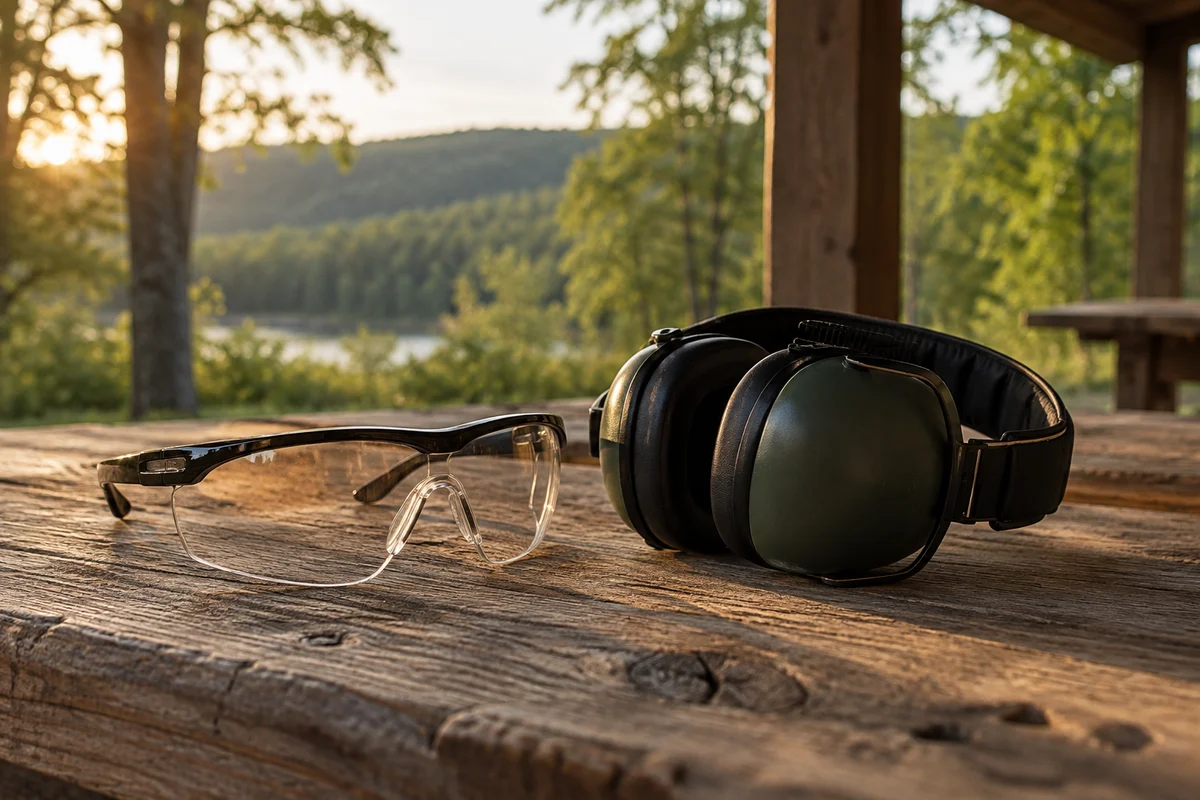
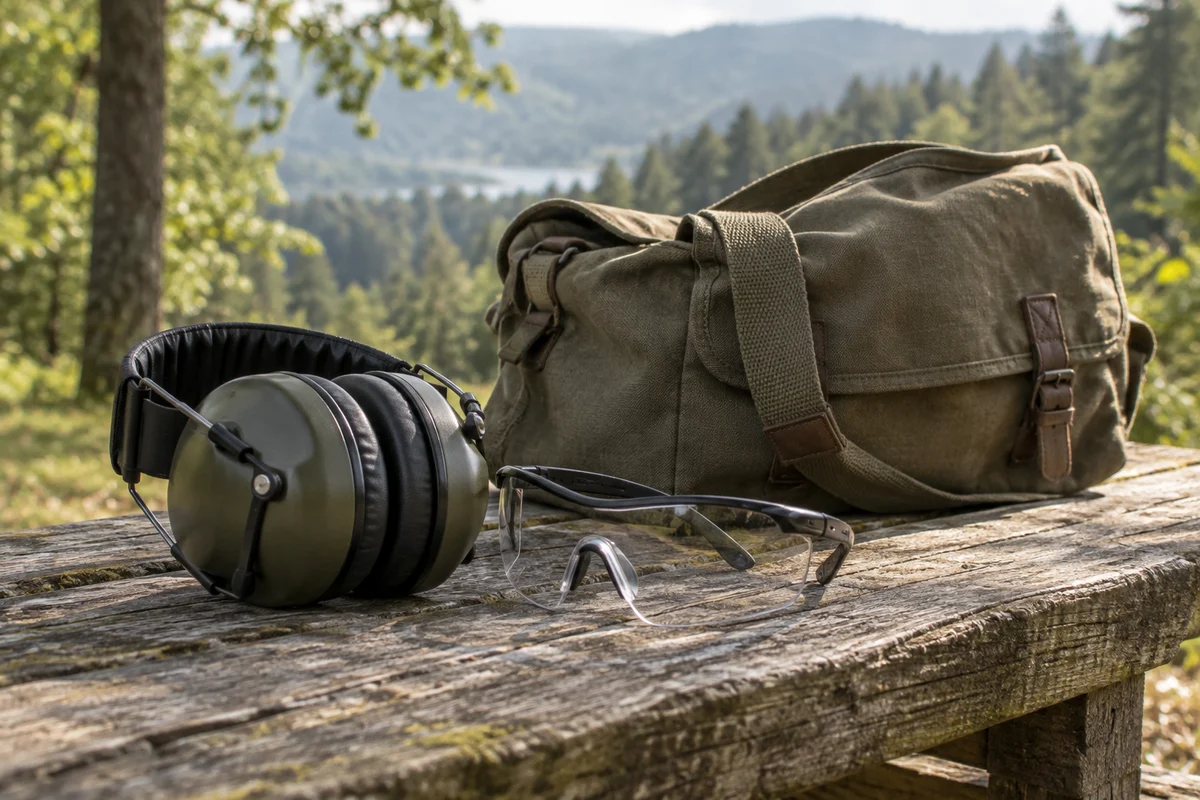
Treat an air rifle as a potentially dangerous projectile device, even when its appearance or intended use differs from that of a conventional firearm. Follow the exact manual, use appropriate eye protection as directed, and keep the muzzle pointed in a safe direction. Keep fingers away from the trigger unless the equipment is being used in a lawful, controlled setting and the user is ready to act in accordance with the manual.
Before any use, establish a safe, purpose-built backstop and ensure that no person, animal, road, neighboring property, or other unintended area is in the line of fire or beyond it. Never assume a fence, thin wall, or improvised barrier will stop a projectile. Stop if people or animals enter the controlled area, if visibility is poor, or if the backstop or surroundings cannot be assessed. These are basic risk controls, not a substitute for hands-on instruction.
When the airgun is not in use, store it secured against unauthorized access, separate from projectiles where practical, and follow the manufacturer’s storage guidance. Adults should supervise minors closely and secure the equipment after supervised activity. Do not rely on appearance to distinguish an airgun from other equipment; transport and handle it in a way that avoids confusion and follows local rules.
What legal checks should happen before use?
Rules for airguns can vary by country, state, province, municipality, and setting. Local law may address minimum ages, carrying or transport, discharge locations, hunting, and how an airgun is classified. The fact that a device is powered by compressed air or another non-powder system does not mean every jurisdiction treats it the same way.
Check current official rules for the place where the equipment will be possessed and used. If hunting is contemplated, consult the relevant wildlife agency’s regulations for the species, season, permitted equipment, and location; do not assume a general airgun label establishes that it is lawful or suitable. When wording is unclear, contact the responsible authority or a qualified legal professional before acting. This article is general information, not a determination of legal status for a specific model or location.
What is the practical takeaway about Sniper Magnum?
The phrase “Sniper Magnum” is not enough to confirm a product’s identity or capabilities. Verify the maker, exact model, and matching manual; treat broad performance language cautiously; and make safety, secure storage, and local rules the starting point for any lawful use. If documentation does not clearly identify the equipment, do not fill the gaps with guesses based on a name or a similar-looking product.
For further reading, consult the manufacturer’s official information for the exact item and current consumer-safety guidance. An airgun’s intended context—such as supervised target practice or lawful hunting where permitted—does not remove the need for a controlled setting, a safe backstop, and responsible handling. When identity, condition, or applicable rules are uncertain, the prudent step is to stop and seek authoritative clarification.
Frequently asked questions
Is Sniper Magnum a specific air-rifle model?
The name alone cannot confirm that. It may be used as a model or variant name, or as descriptive wording. Verify the manufacturer, exact model designation, and matching manual before relying on any product details.
Does “magnum” guarantee a particular airgun power or range?
No. “Magnum” is not a universal airgun specification. Consult documentation for the exact model, and do not treat a name or broad range claim as a performance guarantee.
What should I check before using an air rifle?
Read the exact manual, establish a controlled area and suitable backstop, secure the airgun against unauthorized access, and check current local rules for possession, transport, discharge, and any hunting use.
Sources & further information
Consult these primary sources for current regulations, technical information and local guidance.