A Practical Guide to Fishing in Maine: Seasons, Waters, and Planning
From cold-water lakes and flowing rivers to coastal tides, Maine offers varied fishing opportunities. Use this practical guide to choose a water, prepare for changing conditions, and verify regulations before casting.
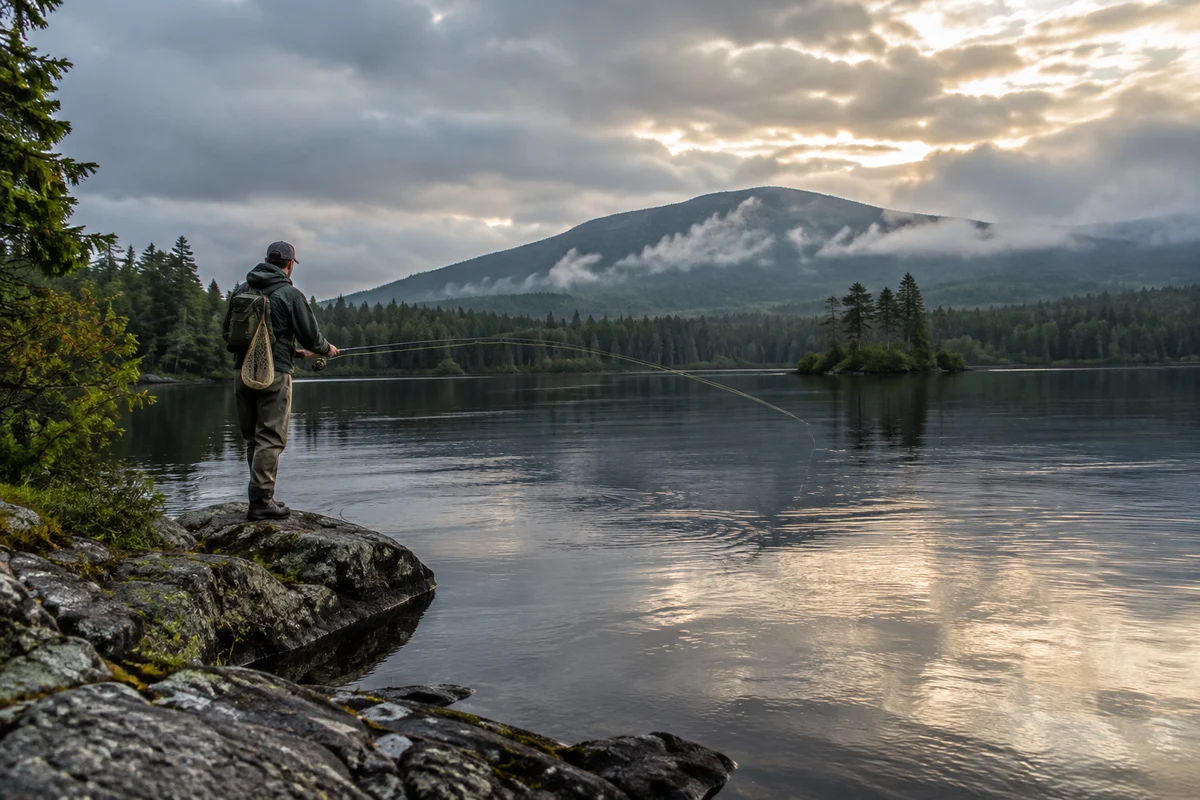
Maine rewards anglers who plan around the water, not just the calendar. Fishing in Maine can mean a quiet pond, a large cold lake, a moving river, or salt water shaped by tides—and each calls for different tactics, access checks, and rules. Start by choosing the kind of trip you want, then confirm the current regulations and conditions for that exact place.
Choose a kind of water
Maine’s fishing opportunities span inland and coastal settings. In broad terms, lakes and ponds suit anglers seeking still-water fishing; rivers and streams add current, changing depth, and access considerations; and the coast offers saltwater opportunities affected by tides, weather, and species-specific rules. These categories overlap, and a water’s fish community or legal status should never be assumed from its appearance.
For an inland trip, narrow your search to a specific lake, pond, or river reach. Consult Maine’s Department of Inland Fisheries and Wildlife (MDIFW) resources and the current fishing lawbook. Regulations may differ by water, species, season, method, and boundary. A general statewide summary is not a substitute for the rule attached to the particular water you intend to fish.
If you are weighing styles of fishing or gear, our freshwater fishing tips hub is a useful starting point. For still water, compare approaches in this overview of lake effect fishing; remember that weather and seasonal patterns vary from lake to lake.
Think in seasons, but check the water-specific rules
Season is a planning clue, not permission to fish. Inland seasons and legal methods can vary substantially among waters, and Maine publishes rules that may include special provisions. Before setting out, identify the water by its official name and location, then check the current lawbook entry and any applicable emergency rule or agency notice.
Cold spring water can keep fish activity and access different from what the air temperature suggests. In summer, warm conditions may influence where fish hold and how carefully you handle them. Fall brings changing weather and shorter days, so build in extra time for safe travel and returning before dark. Winter fishing is a separate activity with its own access, ice, and legal considerations; never infer ice safety from a nearby lake or a recent report.
Use this simple framework to match your plan to conditions:
| Trip question | What to check | Practical response |
|---|---|---|
| Is the water open to fishing now? | Current MDIFW rules for the named water and species | Follow the listed season, method, and any special restriction |
| Is access permitted? | Landowner permission, public access information, parking and launch rules | Use designated access and leave gates, roads, and property as found |
| Are conditions suitable? | Weather, water level or flow, tide where relevant, and local advisories | Choose a sheltered or simpler alternative if conditions exceed your experience |
| What should I bring? | Expected species, water type, legal methods, and trip length | Keep tackle modest and add safety, navigation, and weather essentials |
Get the license and regulations right
Licensing requirements depend on factors such as residency, age, activity, and whether the fishing is inland or saltwater. Do not rely on an old license, a secondhand summary, or a rule from another state. Review the appropriate current Maine agency guidance before fishing and carry any required license or documentation as directed.
For inland waters, consult MDIFW’s official fishing information and lawbook. For marine recreational fishing, check the Maine Department of Marine Resources (DMR) and relevant federal guidance. Saltwater rules can involve registration, species-specific seasons, size or possession limits, and reporting obligations. Those details can change, so verify them close to the trip and again if you travel across jurisdictions.
A short pre-trip check helps prevent avoidable mistakes:
- Confirm the exact water or coastal area, not merely the county or region.
- Check the current rule for each species you may keep, including method and season.
- Verify license, registration, and reporting requirements for your situation.
- Note legal access, parking limits, launch rules, and any closures.
- Save an offline copy of the relevant rules in case mobile service is unavailable.
Match tackle to the trip
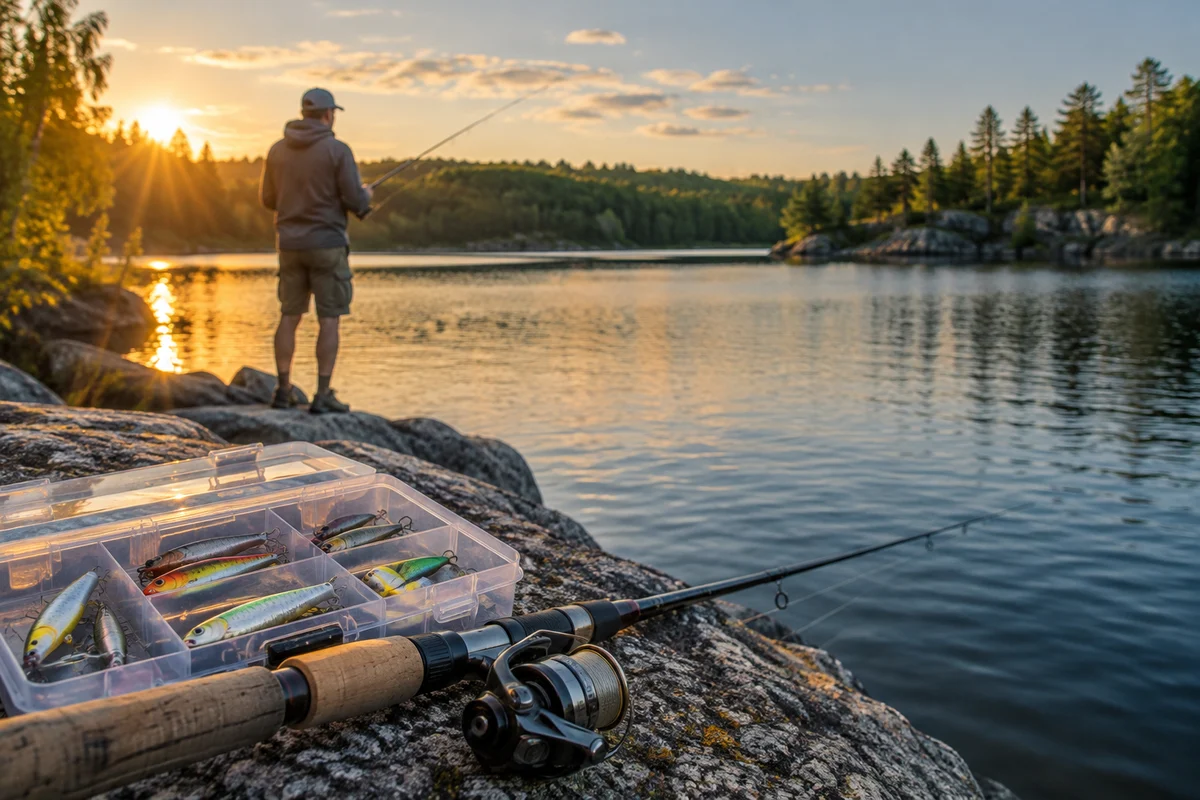
A reliable setup is one you can use safely and legally in the conditions at hand. For a first outing, a versatile rod and reel, a small selection of locally appropriate lures or bait, and basic tools are often more useful than a large collection of specialized gear. Check that hooks, weights, bait, and methods comply with the rules for your chosen water.
In moving water, pay attention to footing and changing depth. Wear footwear suited to the bank or wading conditions, and avoid entering water where the current, temperature, or bottom is beyond your ability. On a lake, consider wind exposure, boat or shoreline access, and how quickly conditions can change. Along the coast, plan around tides and surf or current conditions rather than assuming a familiar-looking shoreline is safe.
A fish-finding device can help interpret underwater structure, but it does not replace judgment or local rules. If you are comparing electronics, read our fishfinder comparison guide as a framework for understanding what these tools can and cannot tell you. For a simpler tackle decision, our guide to the best fishing spoon explains how to think about lure choice without treating one lure as right for every water.
Find access—and respect it
Public access is not universal, and a visible shoreline does not automatically mean public entry. Identify a designated launch, public parcel, or other lawful access point before leaving home. Check posted signs and current restrictions, and ask permission where access crosses private land. Do not block roads, drive across vegetation, or leave litter, line, bait containers, or fish remains behind.
If you plan to use a boat, confirm launch availability, parking, and any local requirements. Clean, drain, and dry watercraft and equipment between waters to help reduce the spread of aquatic invasive species. Follow posted inspection or decontamination procedures. Even a short move between nearby lakes can transfer unwanted organisms on wet gear.
For remote trips, tell someone where you plan to go and when you expect to return. Carry a map or offline navigation, water, suitable layers, a charged communication device, and a basic first-aid kit. Weather can shift quickly, and cell coverage is not guaranteed in rural areas.
Handle fish thoughtfully
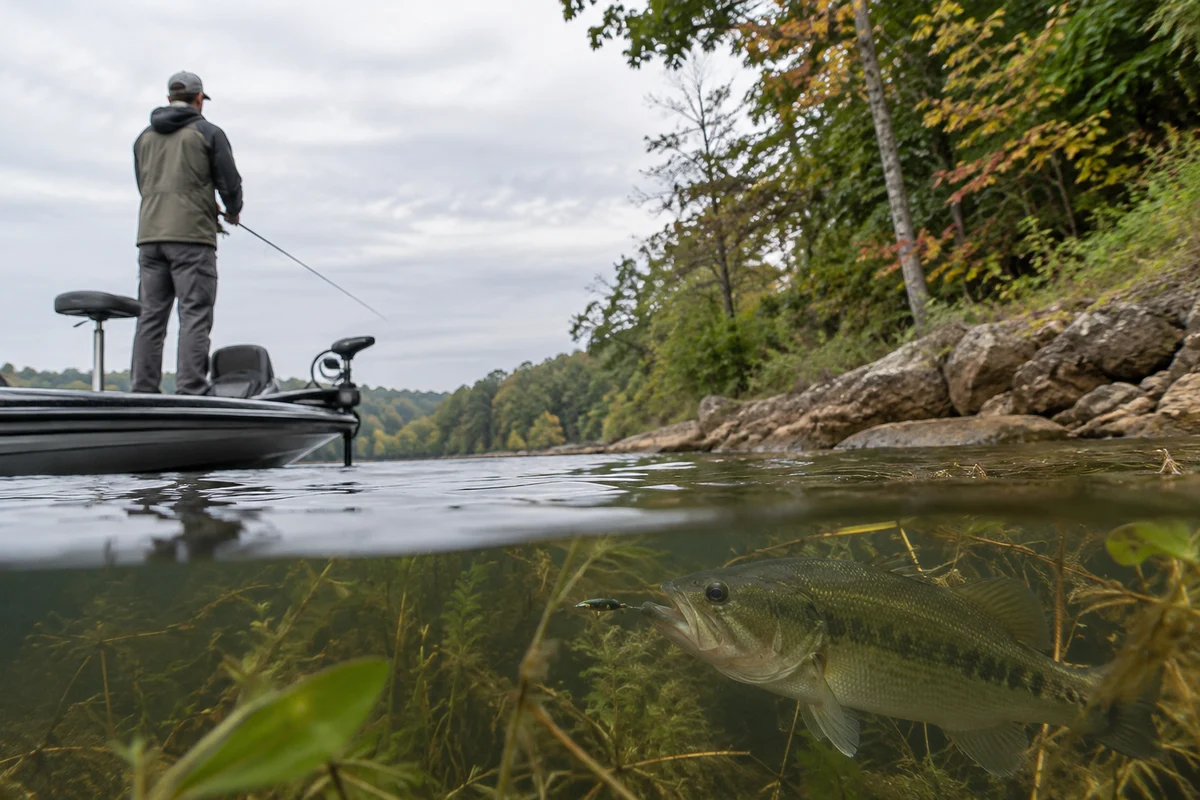
Decide before fishing whether you intend to keep a legal catch or release it. If releasing fish, use appropriate tackle, minimize the time out of water, wet your hands before handling, and avoid squeezing or touching the gills. Keep the fish supported and return it gently to the water. These steps reduce avoidable handling stress, though no method guarantees survival.
If keeping fish, identify the species confidently and check the current size, season, and possession rules before retaining it. Follow agency guidance on consumption advisories, especially for waters with specific health notices. Do not assume that a fish is safe to eat simply because it looks healthy or comes from a remote location.
Plan a first outing that can adapt
A good first Maine trip is modest: one accessible water, a short fishing window, a simple legal setup, and a backup plan. Check the forecast and water conditions on the day, arrive with enough daylight to learn the access point, and avoid adding unfamiliar boating or wading challenges to an already new setting. If a site is crowded, closed, unsafe, or unlike what you expected, move to a permitted alternative rather than improvising access.
Keep a basic log of the date, water type, weather, and what you learned. Avoid treating a single outing as a rule for the whole state: a successful approach on one pond may not translate to a nearby river or a coastal inlet. Local conditions and regulations are the dependable starting points.
Fishing in Maine is most rewarding when preparation leaves room for curiosity. Choose the water carefully, verify the rules from official sources, respect access and habitat, and adjust your plan to the conditions you actually find. Regulations can change, and this article is a planning overview—not a substitute for current agency rules or safety guidance.
Frequently asked questions
Do I need a license to fish in Maine?
Requirements vary by age, residency, and whether you are fishing inland or saltwater. Check current Maine agency guidance for your circumstances before the trip.
Where can I check Maine fishing regulations?
Use the Maine Department of Inland Fisheries and Wildlife for inland waters and the Maine Department of Marine Resources for marine fishing. Verify rules for the exact water and species.
Can I fish any lake or river that I can reach?
No. Access may be private, restricted, or subject to local conditions. Confirm lawful entry, parking, launch access, and any closures before going.
When is the best time for fishing in Maine?
There is no single statewide best time. Seasons and legal opportunities vary by water and species, so check current rules and plan around local weather and conditions.
Sources & further information
Consult these primary sources for current regulations, technical information and local guidance.