Game Plan Gear: What to Look for in an Over-and-Under Backpack
A practical guide to evaluating an over-and-under hunting backpack by fit, access, organization, durability, and the demands of your outing.
Game Plan Gear is a useful search starting point for readers looking into an over-and-under backpack, but a product name alone does not establish its capacity, materials, current availability, or exact layout. Before relying on a particular model, confirm details with the manufacturer. For any pack in this category, the central question is whether its arrangement makes sense for the gear you actually carry—and whether it remains comfortable and secure over the terrain you hunt.
An over-and-under design typically describes a pack arranged to carry equipment in more than one position or compartment, but the label can mean different things between products. Treat the phrase as a prompt to inspect the construction, not as a guarantee of a particular feature. Check product documentation and photographs closely, and compare them with your own list of essentials.
Start with the hunt, not the product name
A short walk from a vehicle calls for a different loadout from a long approach through uneven country. Write down what you routinely bring: water, weather layers, food, navigation tools, first-aid supplies, tags and other required items. Add only the specialized equipment relevant to your legal, safe outing. Then estimate how much space that list needs without assuming that every pocket will be usable for every item.
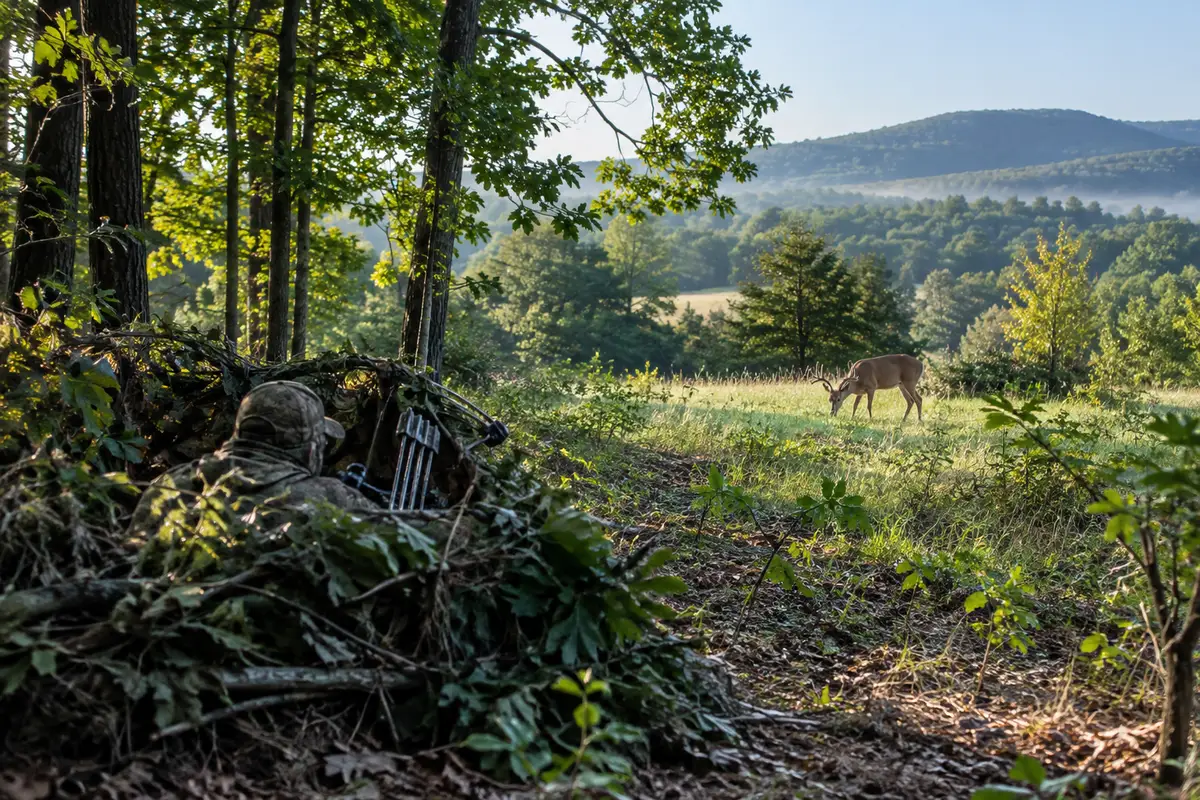
Think about the route as well as the destination. A pack that works in open ground may snag in brush, while a large bag can feel needlessly bulky for a brief sit. If you hunt from a ground blind, consider where the pack will be placed and whether you can reach essential items without rummaging. Our overview of natural ground blinds for deer hunting offers related context on choosing and using cover responsibly.
What does “over-and-under” mean in practice?
Because product names are not standardized technical definitions, verify how the particular bag is configured. Look for clear descriptions of its compartments, closures, attachment points, and intended carry arrangement. Ask whether the design separates frequently used items from equipment that can stay packed until needed. If photos do not show a feature clearly, consult the manufacturer rather than inferring it from the name.
A useful layout makes it easy to put things back in the same place. That matters when light is fading or weather is changing. Small items can disappear into deep compartments, so check whether pockets are sized and positioned for your actual kit. Avoid packing sharp or hard objects where they can press uncomfortably against your back or damage other contents.
Fit and load comfort deserve a real check
A pack can have a promising layout and still fit poorly. Whenever possible, adjust the straps and try it with a representative load before a demanding trip. Shoulder straps should sit comfortably; the pack should not swing excessively when you walk, bend, or step over obstacles. If the product includes a waist belt or sternum strap, check that each adjusts appropriately and does not interfere with layers or other equipment.
Pay attention to how the load sits. Items that shift can make walking tiring and can snag on vegetation. Keep heavier essentials close to the body when the pack’s design allows, and distribute the rest so one side is not noticeably heavier. Do not exceed any stated load guidance. If you feel numbness, sharp pain, or persistent discomfort, stop and adjust or reduce the load rather than trying to push through it.
Compare access, weather protection, and construction
A field bag should be evaluated as a system. Inspect closures and seams, and consider whether the material and construction suit the conditions you expect. A water-resistant fabric or cover is not necessarily waterproof; check the manufacturer’s description and protect critical items in suitable dry storage when conditions warrant it. Mud, wet vegetation, and repeated abrasion can also affect a pack over time.
Access is another practical tradeoff. More pockets may help organize small essentials, but too many compartments can make it harder to remember where things are. Large openings can simplify access while offering less separation. Consider whether closures can be operated reliably with cold hands or gloves, without assuming performance that has not been documented.
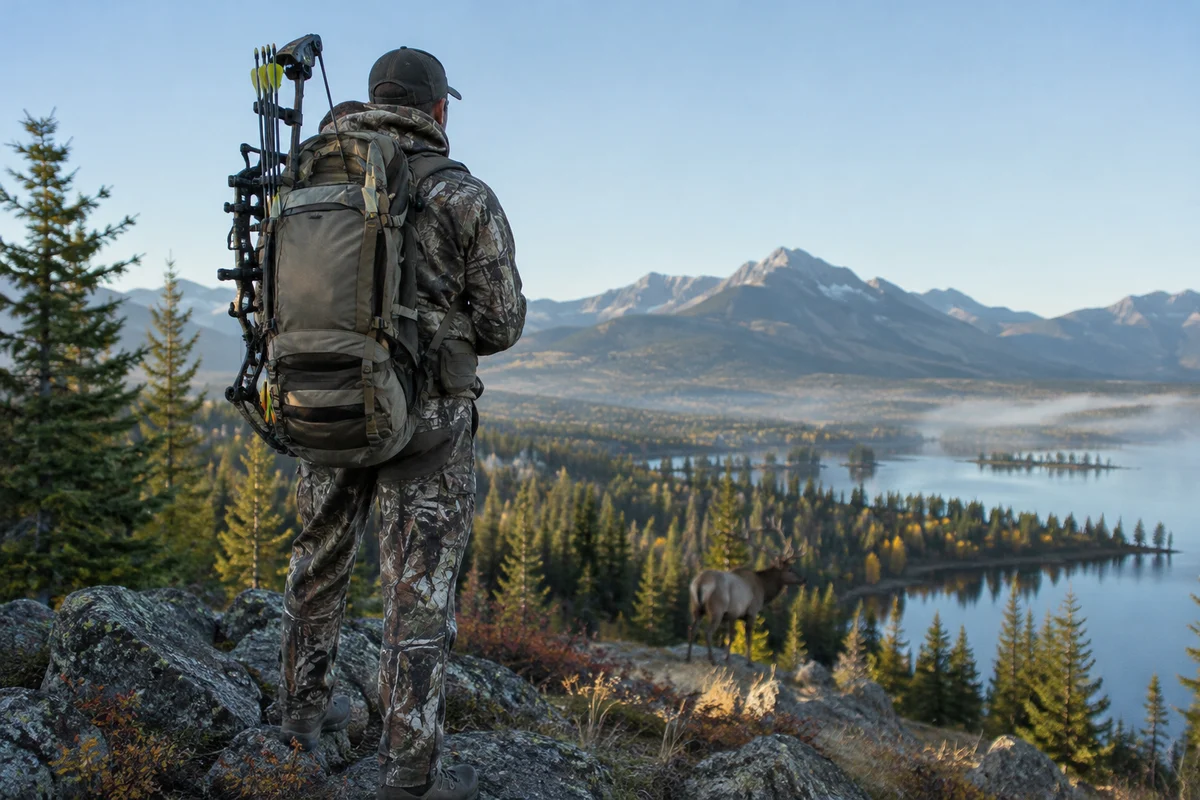
If the bag carries equipment externally, examine how it is secured and whether the arrangement stays compact. Loose straps and dangling accessories can catch on branches. Follow the product’s instructions and applicable safety guidance for any equipment carried; never allow a pack arrangement to compromise safe handling or access control.
Build a simple, repeatable packing plan
Give each important item a consistent location. Keep navigation, communication, first aid, and weather protection accessible rather than buried beneath nonessential gear. Pack water and food in a way that avoids leaks or contamination, and keep sharp edges protected. Before leaving, check that closures are secure, straps are adjusted, and nothing is attached in a way that can snag.
A short test walk close to home can reveal pressure points and shifting before a longer outing. Try the pack with the layers you expect to wear, since clothing changes fit. Afterward, remove unnecessary items and note anything you could not reach easily. This small review is more useful than choosing a bag based only on an appealing name or a photograph.
Trail cameras and scouting tools may be part of a broader planning routine, but they are not substitutes for local regulations, permissions, or careful field judgment. For a comparison of scouting approaches, see PlotWatcher Pro versus a basic trail camera. Check current state and local rules for hunting seasons, access, and equipment before heading out.
Questions to ask before settling on a pack
Use the manufacturer’s specifications to verify dimensions, materials, stated capacity, warranty terms, and any included accessories. These details can change between versions, and a product page or older mention may not describe the current item. If a specification is missing, contact the manufacturer instead of treating an assumption as fact.
Also consider care and repair. Find out how the maker recommends cleaning the fabric and whether replacement parts or repair support are described. A pack that is easy to inspect and maintain may be more practical over time than one whose features are difficult to understand. Keep documentation and avoid modifying straps or attachment points in ways that could weaken the construction.
Make the choice around your own field routine
The best match is the pack that fits your body, carries your actual kit, and keeps essential items accessible without unnecessary bulk. Verify the exact over-and-under arrangement, confirm specifications directly, and test the fit with a realistic load. Product names can suggest an intended use, but details—not the label—should guide your decision.
For more hunting and archery coverage, explore field-planning and outdoor skills topics alongside the equipment considerations in this guide. A deliberate packing routine, attention to local rules, and a load suited to the route are more dependable foundations for a safe outing than any single feature claim.
Frequently asked questions
Does “over-and-under” identify a standard backpack layout?
No universal layout is established by the phrase alone. Check the specific manufacturer’s description, photos, and current specifications to understand how a particular pack is arranged.
How can I tell whether a hunting backpack will fit comfortably?
Adjust it with the layers you expect to wear and try it with a representative load. Check that straps sit comfortably, the pack does not swing excessively, and the load does not create pressure or imbalance.
What should I verify about a Game Plan Gear backpack?
Confirm the current model’s dimensions, capacity, materials, compartment layout, weather guidance, and care information directly with the manufacturer. Do not infer unlisted specifications from the product name.
Sources & further information
Consult these primary sources for current regulations, technical information and local guidance.