Mossy Oak Nativ Red Oak Hybrid: What Landowners Should Know
A red oak hybrid can be part of a long-term habitat plan, but the name alone does not tell you its parentage, mature size, or fit for a specific site. Here’s how to verify the tree and plan a planting around local conditions.
What does “Mossy Oak Nativ” refer to?
The phrase mossy oak nativ is associated with a red oak hybrid offered under the Mossy Oak Nativ Nurseries name. A product name, however, is not enough to establish which oak species were crossed, how a particular tree was propagated, or what traits it will show at maturity. Those details should come from the nursery’s current description or written plant information—not assumptions based on the word “hybrid.”
That distinction matters because oaks vary in growth habit, soil tolerance, mature dimensions, and the timing of acorn production. Even trees sold under a single trade name can require specific care or be suited to particular regions. Before making a habitat plan around one, ask for the botanical identity, propagation method, expected mature size, recommended hardiness range, and any documented limitations. If the nursery cannot clarify a detail, treat it as unknown rather than filling in the gap from another red oak’s profile.
For broader hunting and habitat topics, explore the Hunting & Archery hub. It’s useful to think of a tree planting as one element in a larger habitat design, not as a quick fix for wildlife activity.
Why consider a red oak for wildlife habitat?
Oaks can contribute food, shade, and structural diversity to a landscape. Their acorns are used by a range of wildlife, though availability varies by species, individual tree, growing conditions, and year. A newly planted tree takes time to become a meaningful food source; a planting should be planned for long-term habitat value, not an immediate change in animal movement.
A diverse planting is usually more resilient than relying on a single tree type. Consider retaining healthy native trees and shrubs already on the property, and consult local forestry or wildlife guidance before adding a cultivar or hybrid. A tree that performs well in one region may struggle in another, and a planting that provides food should also fit the site’s water, soil, light, and maintenance conditions.
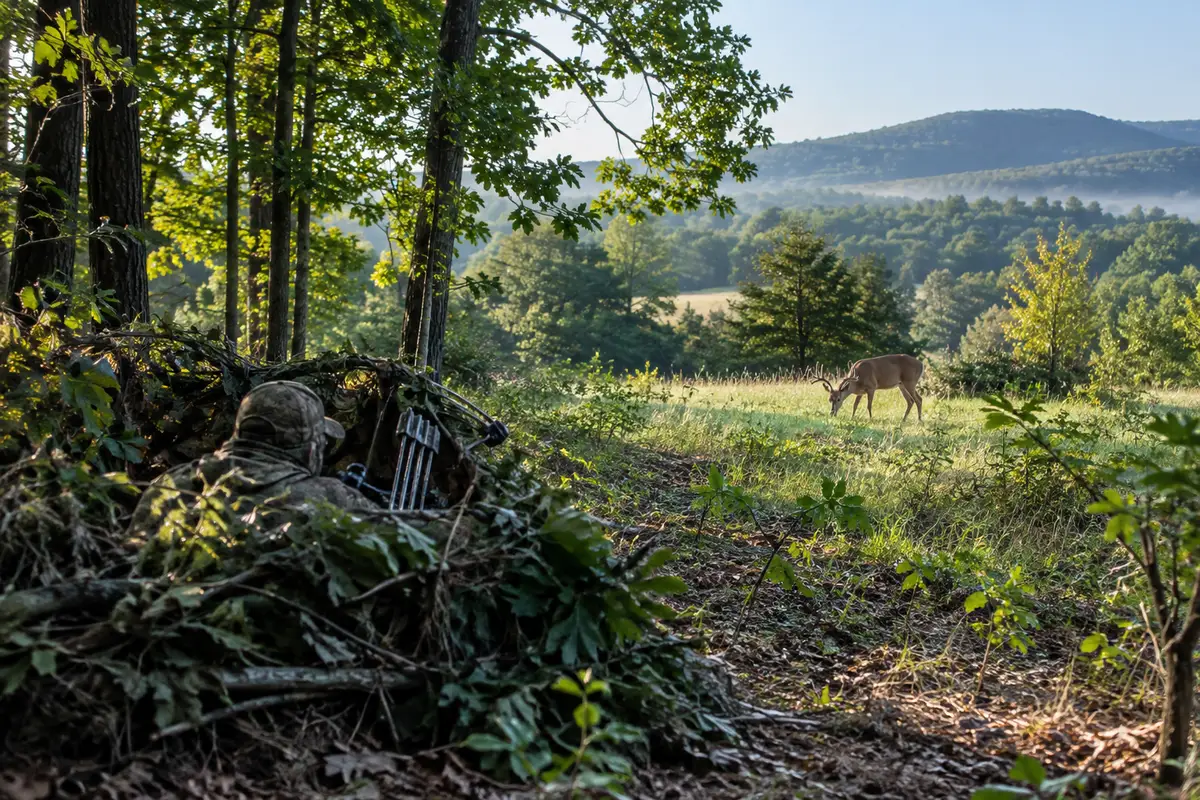
For hunting properties, trees are only one part of the picture. Existing cover, access routes, disturbance, and nearby food sources influence how a site functions. Articles on natural-cover ground blinds and tree blinds and their setting can help frame concealment and placement as separate habitat considerations rather than assuming a new planting will solve them.
How can you verify the tree’s identity?
Ask the nursery for a clear, written description that identifies the plant beyond its marketing name. Useful details include the botanical name or parent species, whether the tree is a named cultivar, how it is propagated, and whether the stated characteristics are documented or simply expected. Request care instructions for the specific stock being offered, including planting season, watering guidance, and any regional restrictions.
Then compare that information with independent regional guidance. State forestry agencies, extension services, or natural-resource departments can help determine whether the named tree is suitable in your area and whether it raises concerns about planting nonlocal or unfamiliar stock. The U.S. Forest Service provides general forestry resources, while the U.S. Fish and Wildlife Service offers information on habitat and wildlife conservation; neither should be treated as confirmation of an individual nursery product’s claims.
Keep the label and written instructions with your planting notes. If trees are later moved, shared, or monitored, correct identification remains useful. Avoid describing a tree as a particular species or cross unless you have reliable documentation to support that description.
What should you check before choosing a planting site?
Start with the conditions on the ground. Note whether the area receives full sun or shade, how water moves through it after rain, and whether the soil tends to stay wet or dry. Check for compacted ground, nearby competing vegetation, mowing or browsing pressure, and the space available for a mature tree. The nursery’s site recommendations should guide the decision; do not assume that all red oak hybrids tolerate the same conditions.
Think beyond the planting hole. A tree needs room to develop without interfering with buildings, utilities, roads, field operations, or existing high-value vegetation. A cluster or mixed planting may make sense in some habitat plans, while a single tree may be more appropriate elsewhere. Local rules or conservation program requirements may also affect where and what you can plant, so check with relevant authorities before site preparation.
Finally, consider access and disturbance. If the planting is part of a hunting property, plan routine watering, monitoring, and maintenance so those tasks do not create avoidable disruption during sensitive periods. The point is not to hide a tree or direct wildlife, but to make a realistic plan that can be maintained over time.
How should you plan planting and early care?
Follow the supplier’s instructions for the exact stock you receive. Bare-root, container-grown, and other nursery stock can have different handling needs, so generic advice may not fit. Confirm when to plant locally, how to protect roots during transport, whether staking or guards are recommended, and what watering schedule is appropriate for your soil and weather. Do not let roots dry out, and avoid planting deeper than the instructions specify.
Before planting, clear competing grass and weeds in the immediate area without damaging nearby vegetation you intend to retain. Mark each tree and record its source, planting date, and location. Use a protective guard if browsing or mechanical damage is likely, but choose and maintain it according to local guidance so it does not injure the tree as it grows. Inspect periodically for drought stress, damage, and competing growth; early attention is easier than trying to diagnose a declining tree years later.
Avoid promising yourself a particular growth rate or acorn schedule. Those outcomes depend on genetics, weather, site conditions, and care, and should not be inferred from the word “hybrid.” If the nursery supplies performance claims, ask what evidence supports them and whether the results apply to your climate and planting conditions.
What are the trade-offs of a hybrid tree?
A hybrid may be offered for a combination of traits, but the name alone does not establish which traits are present or how consistently they appear. Ask whether the plant is a cross between identified species, a selected cultivar, or another kind of nursery stock. Also ask what is known about mature size, disease susceptibility, regional adaptation, and seed production. Where information is unavailable, plan conservatively and avoid making the tree the sole foundation of a habitat project.
Local ecological fit deserves particular attention. A tree can be attractive to wildlife yet still be a poor choice if it is not suited to the region or could create unwanted effects. Seek advice from a state forestry office, extension program, or wildlife professional familiar with local plants. Retaining native diversity and matching plant selection to site conditions are safer starting points than treating a branded name as a guarantee.
A careful decision may still lead you to plant the tree—or to choose a locally recommended alternative. Either way, the valuable step is verifying the plant’s identity and making a site-specific plan before the work begins.
A practical checklist before planting
- Get the botanical identity, parentage or cultivar information, and propagation details in writing.
- Confirm regional suitability and mature-space requirements with the nursery and a local forestry resource.
- Compare the site’s light, drainage, soil, and maintenance needs with the exact planting instructions.
- Decide how you will protect and monitor young trees, including during dry spells and browsing pressure.
- Keep labels, receipts, care instructions, and a simple map or record of each planting.
- Treat wildlife benefits as a long-term possibility, not a guaranteed result or substitute for diverse habitat.
The best use of a Mossy Oak Nativ red oak hybrid is one grounded in verified plant information and a realistic understanding of the property. A well-chosen tree can contribute to a broader habitat plan, but it cannot replace site assessment, local guidance, and consistent care.
Frequently asked questions
Is Mossy Oak Nativ a specific red oak species?
The name is not enough to identify its parent species or propagation method. Check the nursery’s current written description for botanical identity and product-specific details.
Will a Mossy Oak Nativ red oak hybrid produce acorns quickly?
No reliable timing can be inferred from the trade name alone. Acorn production depends on the tree’s identity, age, genetics, site, and growing conditions; ask the nursery for documented guidance.
Where should I plant a red oak hybrid for wildlife?
Choose a site based on the tree’s documented regional suitability, sunlight, drainage, soil, mature size, and maintenance needs. Consult local forestry or wildlife authorities before planting unfamiliar stock.
Sources & further information
Consult these primary sources for current regulations, technical information and local guidance.