FNH USA Youth Marksmanship Safety: A Guide for Families
A practical, non-promotional guide to evaluating youth marksmanship programs: focus on qualified supervision, safety culture, age-appropriate instruction, and verified program details.
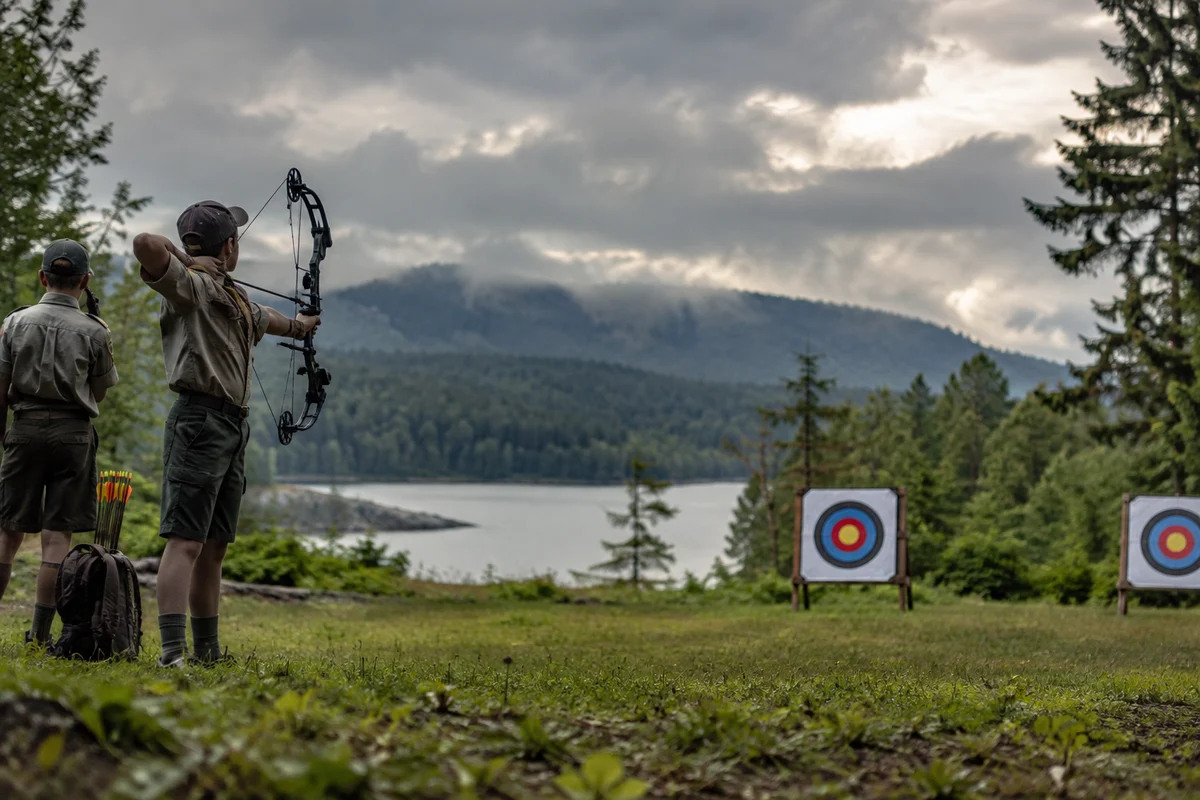
FNH USA youth marksmanship safety is best understood through the safeguards around instruction—not through an unverified headline about a donation. A legacy page title suggests a connection between FNH USA and a Boy Scouts of America marksman program, but that title alone does not establish whether a donation occurred, what it involved, or whether a particular program is active today. Families should verify those details with the relevant organizations and judge any youth activity by its current policies, trained supervision, and safety practices.
What can—and cannot—be concluded from the headline?
A page title is not sufficient evidence of a donation, its date or value, the equipment involved, or the program’s present status. Those facts require a current statement from the organization involved or another reliable primary record. Avoid repeating an old headline as though it confirmed an event or established an ongoing partnership.
The useful subject is broader: what should families expect from a youth marksmanship activity, and what questions help them assess whether it is responsibly run? The answer begins with documented rules and supervision. The organization should explain its eligibility requirements, the adults responsible for instruction, the activity’s format, and how it handles safety concerns. If answers are vague, ask for written policies before a young person participates.
What does a safety-first youth program look like?
Safety should be explicit, consistently taught, and enforced by adults—not treated as a disclaimer. Before any activity involving firearms or other sporting equipment, families should receive a clear orientation covering the program’s rules, required protective equipment, adult supervision, and emergency procedures. Participants should know that they can pause and ask questions, and that an instructor can stop an activity when conditions are not safe.
Ask who supervises each session and what training or authorization the organization requires of those adults. Do not assume that a volunteer’s experience alone establishes suitability to teach young people. Request the program’s actual screening and instructor requirements, and confirm that supervision is appropriate for the participants and setting.
A responsible program also sets boundaries around access. Equipment should be handled only under the organization’s rules and direct adult oversight. Families should learn how equipment is secured when not in use, who controls access, and what happens if a participant disregards instructions. These are basic governance questions, not challenges to an instructor’s authority.
How can parents evaluate instruction and readiness?
Start with the participant’s comfort, maturity, and willingness to follow rules. Interest is not the same as readiness. A young person should be able to listen, communicate discomfort, and accept correction. The program should describe how it adapts participation to age and experience, rather than assuming every youth is prepared for the same activity.
Ask for the curriculum in plain language. It should make safety and responsible conduct central, explain the boundaries of the activity, and identify how instructors respond to questions or mistakes. A program that rushes through orientation or treats safety questions as an inconvenience is not providing the reassurance families need.
Also ask whether the organization has written conduct expectations, a procedure for reporting concerns, and a designated adult whom participants can approach. Youth programs need transparent adult oversight. Families should know how concerns are handled and whether a parent or guardian can observe or receive updates.
What should families verify about an organizational connection?
If a headline mentions a company or a youth organization, confirm the relationship with both parties rather than inferring details from the wording. Ask whether the organizations have made a public statement, whether the activity is currently offered, and which local organization administers it. A national name in a headline does not necessarily describe what a local unit does today.
Do not infer that a donation means a specific item was supplied, that participants received particular instruction, or that an organization endorses every activity associated with a company. Those claims need direct documentation. When confirmation is unavailable, describe the uncertainty plainly and focus on general safety considerations instead of filling gaps with speculation.
Families can explore more outdoor coverage for related topics, while keeping program-specific questions grounded in current, local information. Outdoor skills vary widely; a general article cannot confirm a particular group’s credentials, rules, or current schedule.
How do outdoor skills fit into youth activities?
Marksmanship is only one possible part of a broader outdoor education experience. Depending on the organization, young people may also learn about wildlife, habitat, navigation, conservation, and outdoor ethics. Families can ask how an activity connects to those subjects and whether it emphasizes responsibility rather than performance or competition alone.
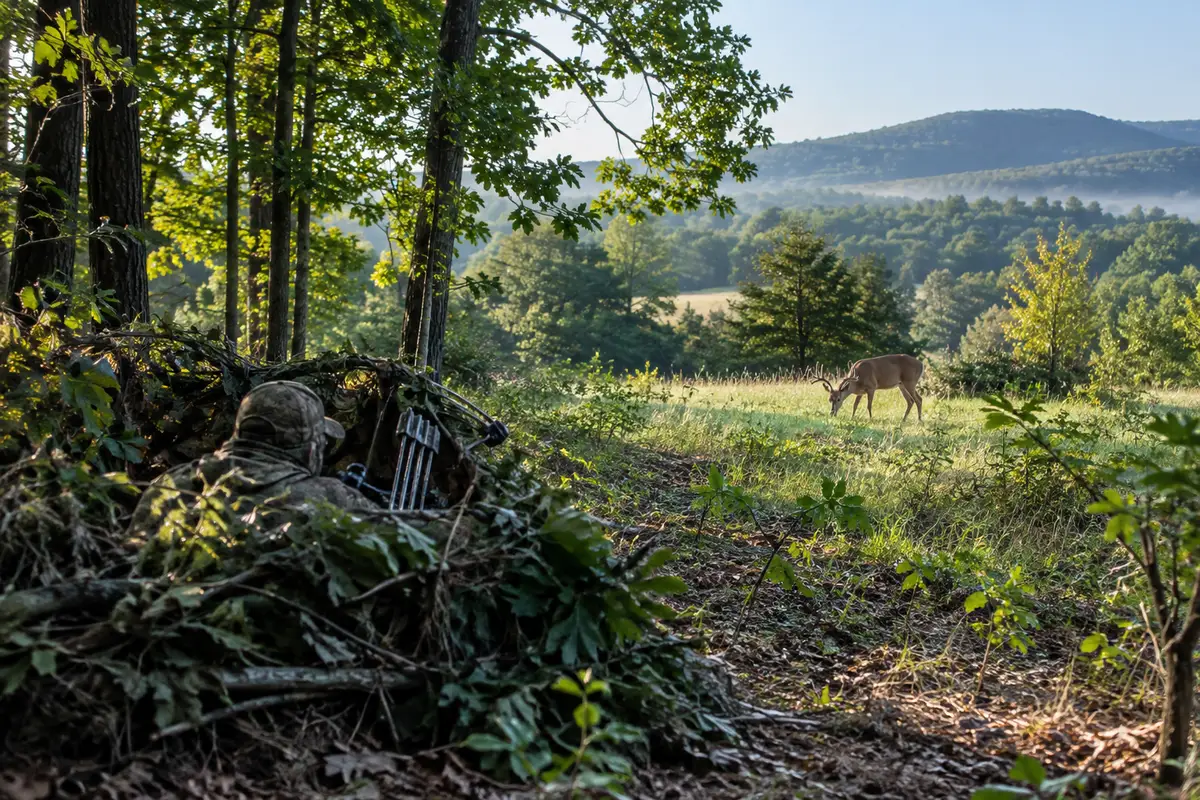
Other hunting-related skills also require context. For example, decisions about natural ground blinds for deer hunting involve visibility, local regulations, landowner permission, and safe use of the surrounding area. Equipment choices are not substitutes for learning rules, identifying hazards, and respecting other people outdoors.
A discussion of aim small can likewise be framed around concentration and disciplined practice, not promises of results. Youth instruction should prioritize calm attention, clear commands, and stopping whenever a participant is confused or uncomfortable. Those habits transfer to many outdoor settings.
What questions should families ask before participation?
Use a short, direct checklist. Who is responsible for the session, and what qualifications or screening does the organization require? What written safety and conduct rules apply? How are participants oriented and supervised? What protective equipment is required? How are equipment access and storage controlled? How can a participant or parent raise a concern? What is the emergency plan, and what information does the organization provide to guardians?
Ask how the activity is adapted for age, experience, and individual comfort. Clarify whether participation is optional at each stage and whether a young person may observe or step away. Find out what the organization expects from parents, including consent, attendance, and communication.
Finally, verify practical details directly with the local organizer. Program availability, policies, and schedules can change. Do not rely on a search snippet, an old page title, or an informal retelling as a substitute for current confirmation.
What are the most common mistakes to avoid?
The first mistake is treating an unverified historical headline as proof of a specific donation or current program. The second is assuming that a familiar organization name guarantees uniform local practices. The third is focusing on equipment before asking about supervision, written rules, and youth protection.
Another common error is equating participation with readiness. A well-run activity should welcome questions and respect a young person’s limits. If a participant cannot follow the rules or feels pressured to continue, stopping is the responsible choice. Families should also avoid making decisions based on promotional language alone; ask for policies and current details from the organization that would actually oversee the activity.
The most durable takeaway from the FNH USA youth marksmanship safety topic is simple: verify the claim, evaluate the current program, and put youth welfare and consistent safety practices ahead of assumptions about a headline. No article can certify a particular activity, but thoughtful questions can help families make an informed decision.
Frequently asked questions
Does the page title confirm that FNH USA donated to a Boy Scouts marksman program?
No. A legacy page title alone does not verify whether a donation occurred, what it involved, or whether a program remains active. Confirm any such claim with current statements from the organizations involved.
What should parents ask before a young person joins a marksmanship activity?
Ask about written safety rules, adult supervision and screening, age-appropriate instruction, equipment access and storage, protective equipment, emergency procedures, and how participants or parents can report concerns.
What should a youth participant do if they feel unsure or uncomfortable?
They should pause, tell the responsible adult, and follow the program’s safety rules. A responsible activity should allow questions and stop participation when someone is uncomfortable or unable to follow instructions.
Sources & further information
Consult these primary sources for current regulations, technical information and local guidance.