Fishing for Piranha: A Responsible Guide to the Amazon’s Fish
A practical, safety-minded overview of piranha fishing, from choosing the right local guide and tackle to understanding handling, regulations and ecological limits. Because conditions and rules vary widely, confirm details with authorities and experienced local operators before fishing.
Fishing for piranha is often imagined as a dramatic contest with a fearsome fish, but the reality is more grounded: success depends on knowing the water, using suitable tackle and following local guidance. Piranhas are a diverse group of freshwater fishes native to South America, and their behavior varies by species, season, food availability and habitat. There is no single technique that works everywhere, and local rules may restrict methods, seasons or harvest.
The safest and most useful starting point is a reputable local guide or fishing operator who understands the specific river or lake. Ask about current conditions, permitted gear, handling practices and whether fish should be released or kept. This guide focuses on general recreational considerations—not a promise of a catch—and emphasizes respect for people, wildlife and the ecosystem.
Where piranhas live—and why location matters
Piranhas occur in freshwater systems across parts of South America, including major river basins and connected floodplain habitats. Water levels can change dramatically through wet and dry seasons. Those shifts alter access, current, visibility and the places fish can use for shelter or feeding. A location that fishes well at one time of year may be inaccessible or unproductive at another.
Ask local sources which species are present and whether fishing is allowed in the intended area. The common name “piranha” covers multiple species; it should not be treated as a precise identification. A guide familiar with the local catch can help distinguish fish and explain any conservation concerns. For general background on South American aquatic environments, consult established regional conservation and government resources rather than relying on sensational accounts.
Habitat also affects practical choices. A broad, slow-moving lagoon is not the same fishing setting as a channel with current, submerged timber or dense vegetation. Before choosing a spot, learn about boat access, water depth, weather, river levels and emergency options. Do not wade or swim in unfamiliar water simply to reach a fishing position.
What tackle is appropriate?
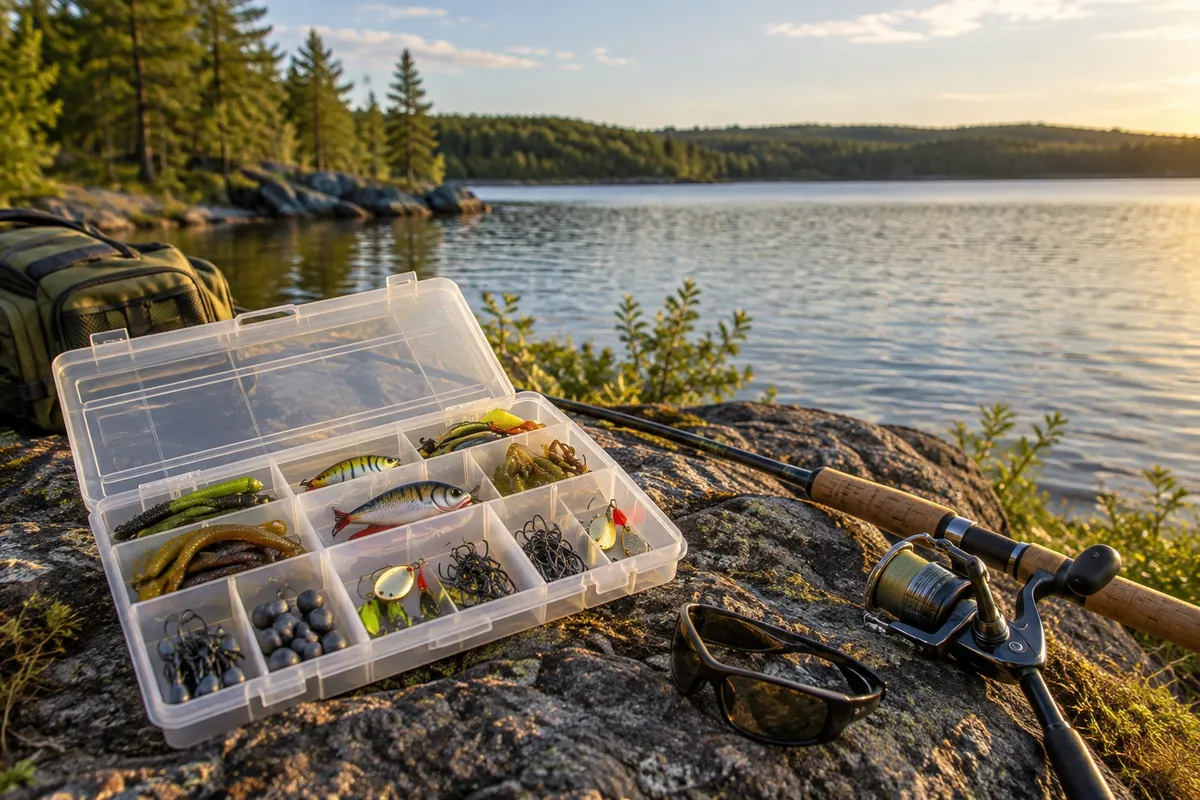
Choose tackle with a local operator, matching it to the fish size, water and lawful method rather than assuming that the heaviest gear is best. A sturdy rod and reel, appropriate line, and terminal tackle suited to local practice can help maintain control and reduce the chance of a prolonged fight. Ask the guide what is commonly used and what is legal; do not copy methods from videos without checking local conditions and regulations.
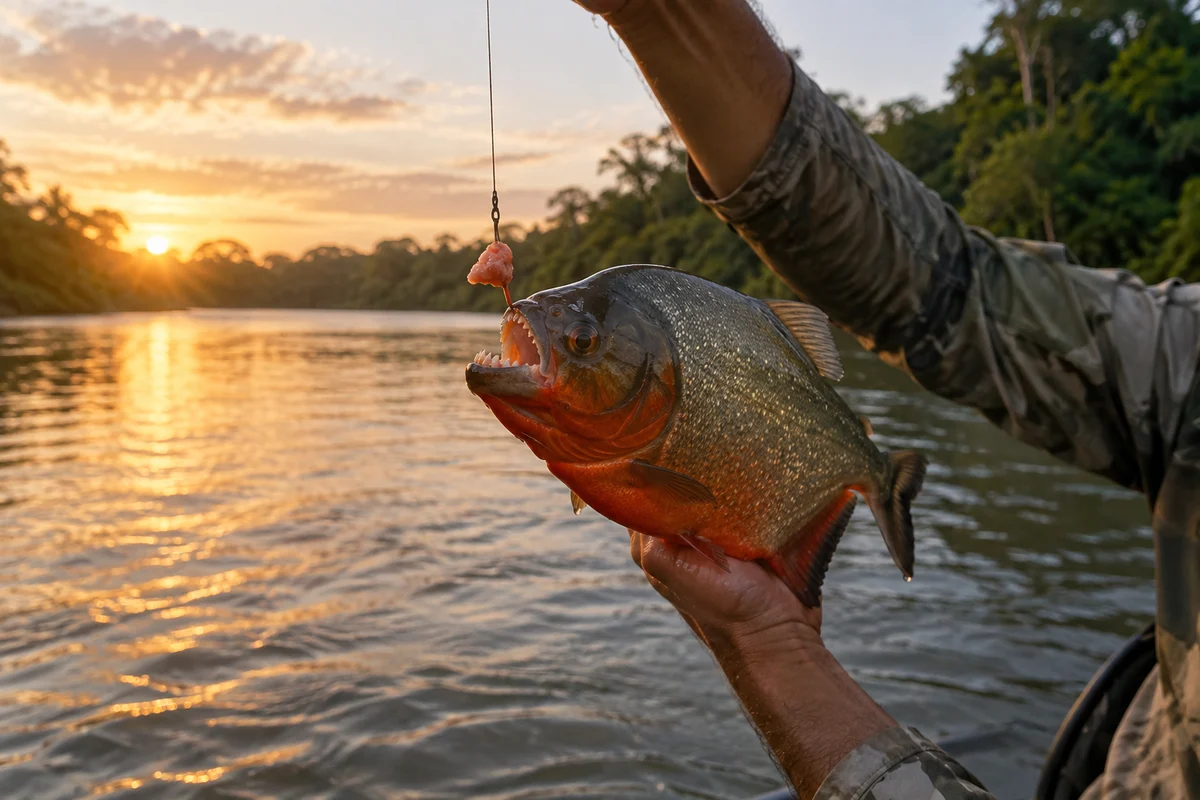
Piranhas have strong jaws and sharp teeth, so handling is a separate concern from landing a fish. Bring or confirm access to long-handled pliers or a hook-removal tool, a suitable landing device, and a stable place to work. The guide should explain who handles the fish and how. If you have not been shown a safe procedure, do not put your hands near the mouth or attempt to remove a hook yourself.
| Decision | What to check before fishing | Why it matters |
|---|---|---|
| Location | Permission, access, current water level and local advisories | Conditions and restrictions can change by site and season |
| Tackle | Locally accepted rod, line and terminal setup | Appropriate gear supports control and reduces avoidable stress |
| Handling | Pliers, landing method, and a trained person responsible | Sharp teeth make casual hand handling unsafe |
| Retention | Species identification, legal limits and local guidance | Rules and conservation needs vary across jurisdictions |
| Trip plan | Weather, transport, communications and emergency plan | Remote waterways can make assistance difficult to reach |
How to plan a responsible outing
Start with the relevant fisheries or wildlife authority and a locally knowledgeable guide. Confirm whether a license is required, which waters are open, and whether size limits, bag limits, seasonal closures or gear restrictions apply. Regulations can change, and rules in one country or state do not automatically apply elsewhere. If information is unclear, postpone fishing until you can verify it.
A guide should be able to discuss safe access, boat procedures, local hazards and the intended handling approach. Ask how fish are identified, whether photographs are taken before release, and what happens if an unexpected species is caught. An operator who treats safety and conservation as routine parts of a trip is preferable to one who presents risky handling as entertainment.
Pack for heat, rain and insects as well as fishing. Use sun protection, drink safe water, and carry any personal medication. Keep communication and emergency equipment appropriate to the remoteness of the area. Tell someone your route and expected return time. For broad freshwater tackle planning, see our best fishing spoon overview and guide to choosing a tackle backpack; neither replaces advice about local piranha regulations or methods.
Bait, technique and expectations
There is no universal bait recipe or guaranteed presentation. Local species, water clarity, current, season and available forage all matter. Follow the guide’s lawful, locally established approach, and avoid introducing bait or other biological material from outside the area. Moving organisms between waterways can spread disease or invasive species.
Keep expectations realistic. A fishing trip may involve changing locations, waiting through quiet periods or adapting to weather and water levels. A fish’s presence is not assured, and an operator should not promise a particular catch. Use only methods permitted by local rules, and do not attempt to attract fish by discarding food or fish remains into the water unless local authorities specifically allow the practice.
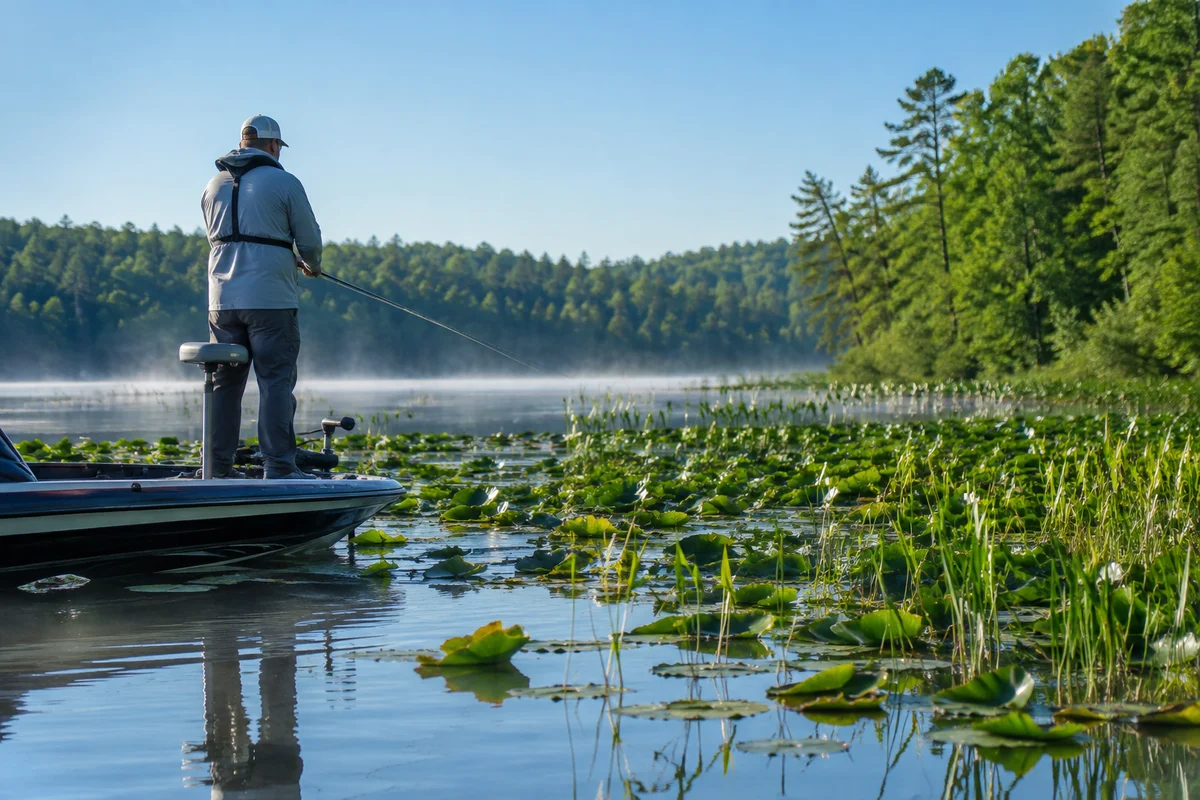
If fishing from a boat, follow the operator’s instructions, keep hooks and tools secured when not in use, and maintain clear footing. Avoid casting near other people or into areas where wildlife may be present. These basic habits matter on any fishing trip, and they are especially important when sharp hooks and strong fish are involved.
Landing, handling and release
Plan the landing before a fish is hooked. Keep bystanders clear, let the person responsible for handling take the lead, and have the necessary tools ready. Never grip a piranha by the mouth or place fingers near its teeth. Do not improvise with bare hands, and do not try to restrain a fish while standing in an unstable position.
If release is legal and appropriate, minimize time out of water and follow local handling guidance. Use tools to remove the hook only if the trained handler considers it safe. If the hook is deeply embedded or removal would create additional harm or danger, follow the guide’s advice and applicable rules rather than forcing the issue. Photograph the fish efficiently, support it appropriately as directed, and return it promptly when conditions permit.
Retention is not automatically acceptable just because a fish can be caught. Check local limits and species rules first, and avoid keeping fish where conservation guidance advises against it. Never transport live fish, eggs or bait to another waterway unless authorities explicitly permit it. For broader freshwater topics, browse the freshwater fishing tips hub, which collects practical guidance across different kinds of water and fishing.
Safety and ecological limits
Piranhas are not a reason to disregard ordinary water safety. Drowning, weather, boat incidents, hooks and heat can present more immediate risks than a fish. Follow local swimming advisories, wear a properly fitted life jacket where appropriate, and do not enter the water to retrieve tackle or a fish. Keep children and inexperienced anglers away from the landing area unless a responsible adult is supervising them closely.
Avoid feeding wildlife, disturbing nesting areas or leaving line and packaging behind. Use designated access points and respect private or Indigenous lands and local community rules. Conditions in remote regions can be difficult to verify from afar, so current information from local authorities and guides is more useful than generalized online claims.
Piranha behavior is often exaggerated in popular accounts. Risk depends on species, conditions and human actions, and a general article cannot assess a particular river or guarantee that any activity is safe. Treat local warnings seriously, do not swim where authorities advise against it, and choose a different activity if the conditions or guidance are uncertain.
A simple pre-trip checklist
- Confirm the exact water, access permission, license requirements and current fishing rules.
- Ask a local guide about species, seasonal conditions, lawful methods and handling responsibilities.
- Agree in advance whether fish will be released or retained, and verify that choice is legal.
- Prepare appropriate tackle and landing tools; keep hands clear of the mouth and teeth.
- Pack sun and rain protection, safe drinking water and communication suited to the location.
- Follow boat and water-safety guidance, leave no litter, and never move live organisms between waters.
Fishing for piranha is best approached as a locally guided freshwater experience, not as a stunt. Knowledge of the place, clear safety roles and respect for regulations make for a more responsible trip whether or not a fish is caught.
Frequently asked questions
Where can you fish for piranha?
Piranhas occur in freshwater regions of South America, but access and fishing rules vary by country, waterway and season. Check with local authorities and a knowledgeable guide before planning a trip.
What tackle do you need for piranha fishing?
Use locally appropriate tackle recommended by a guide, plus a safe landing method and long-handled hook-removal tools. Exact setups vary with species, water and regulations.
Are piranhas dangerous to handle?
Their teeth can cause serious cuts. Keep hands away from the mouth and have a trained handler use appropriate tools; do not attempt bare-handed handling.
Can you keep a piranha you catch?
That depends on local law, species identification and conservation guidance. Verify limits and retention rules with the relevant fisheries authority before fishing.
Sources & further information
Consult these primary sources for current regulations, technical information and local guidance.