How to Choose the Best Tackle Backpack for Your Fishing
The best tackle backpack is the one that carries the gear you actually use without making a fishing day harder. Compare capacity, organization, comfort, and weather protection before choosing a format.
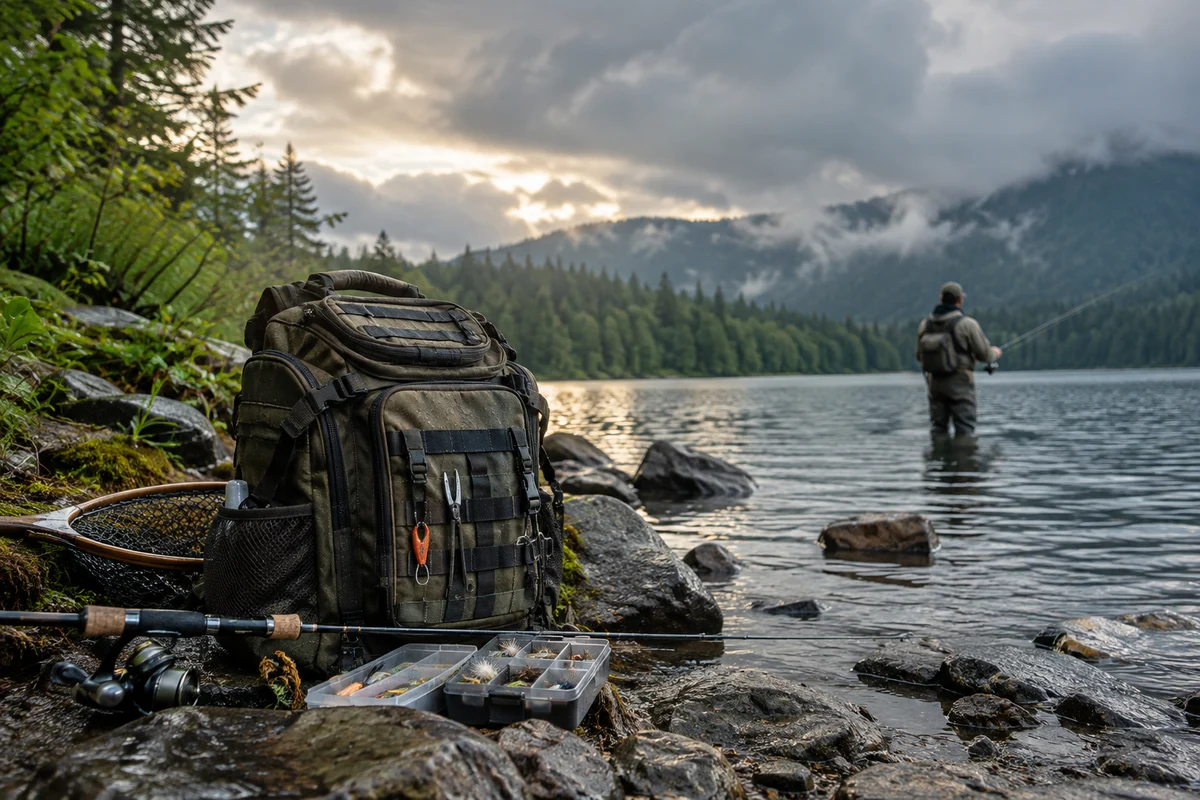
Choosing the best tackle backpack starts with a simple question: what do you need to carry, and how far will you carry it? A backpack can keep tackle organized while leaving both hands free for walking a bank, moving between ponds, or bringing gear to a launch. But no single design suits every angler. Large bags can become heavy, compact ones may not fit bulky gear, and water-resistant fabric is not the same as a waterproof closure.
Think of the pack as part of a fishing system rather than a container with the most pockets. Match its capacity to your usual trip, check how it carries loaded, and make sure its compartments fit the tackle you already own. For more freshwater planning, see the freshwater fishing tips hub.
What makes a tackle backpack useful?
A conventional tackle bag can be convenient at a dock or in a boat, but a backpack distributes weight across both shoulders and is easier to carry over uneven ground. Many fishing-oriented packs are designed around removable utility trays, tool pockets, and accessible storage. Those features are useful only if their layout matches your habits.
Start by listing the tackle and essentials you take on a normal outing. Separate them into three groups: items used repeatedly, items needed occasionally, and emergency or comfort essentials. Frequent-use items should be reachable without unpacking the whole bag. Spare lures and less-used equipment can go deeper in the pack. Water, a first-aid kit, sun protection, and a phone should have secure, predictable places of their own.
This exercise also prevents a common mistake: choosing a large pack because its capacity sounds appealing, then filling every compartment. A heavier load can make a short walk feel long and encourage you to carry equipment you never use.
Compare the features that matter
Capacity and tray compatibility
Check the bag’s stated capacity and the dimensions of any included trays. Tray formats are not universal, and product descriptions may show trays that are sold separately or only fit particular compartments. Before buying, compare measurements with the boxes you own; also account for handles, dividers, and the room needed to remove a tray easily.
Consider what else must fit. A pack that holds several trays may leave little space for rain gear or lunch. If you fish with a small selection of lures, a compact pack with room for essentials may be a better fit than a large, fully loaded system.
Organization and access
Look for a layout that separates hard tackle from soft goods and keeps tools within reach. A top compartment can hold items you use frequently, while side pockets may suit pliers or a water bottle if they close securely. Zippers, seams, and attachment points deserve attention: a pocket is less useful if it opens when the bag tips over or is difficult to reach while wearing it.
Avoid paying extra for a high pocket count alone. Deep, narrow pockets can hide small items, and too many compartments can make it harder to remember where things are. A few clear zones—tackle, tools, personal essentials—are often easier to manage.
Comfort when loaded
Try the pack with a realistic load if possible. Check shoulder-strap padding, strap adjustment, back-panel shape, and whether the bag sits steadily rather than pulling away from your body. A sternum strap can help stabilize a load; a waist belt may be useful for carrying heavier equipment, though it adds bulk and is not necessary for every short walk.
A padded back can improve comfort, but thick padding may reduce ventilation in warm weather. Fit is personal, so do not assume a feature will feel comfortable based on a product photo. If shopping online, review the maker’s measurements and return policy, and consider the loaded weight rather than the empty-pack weight alone.
Weather protection and construction
Materials and closures offer different levels of protection. Water-resistant fabric may shed light spray but does not guarantee that contents stay dry in sustained rain or if the pack is submerged. If electronics, documents, or medication must remain dry, place them in a separate waterproof pouch. For a boat trip, keep the pack secured and follow the vessel’s safety practices rather than treating a fishing bag as flotation or emergency equipment.
Inspect zippers, stitching, reinforced bottoms, and attachment loops. These are practical areas to compare, but construction details do not establish a guaranteed lifespan. Care, frequency of use, abrasion, and exposure to sun and moisture all affect durability.
A practical selection framework
Use this checklist to narrow the options before comparing colors or extra features:
| Your fishing routine | Prioritize | Watch for |
|---|---|---|
| Short bank sessions | Light weight, quick access, compact storage | Excess capacity that encourages overpacking |
| Long walks or moving between spots | Comfortable adjustable straps, stable fit, manageable loaded weight | A layout that forces frequent unpacking |
| Boat or dock fishing | Easy-to-remove trays, secure pockets, a stable base | Assuming water-resistant means waterproof |
| Mixed tackle and personal gear | Separate zones for trays, tools, and essentials | Compartments too small for your existing equipment |
| Wet or changeable weather | Protective fabric, reliable closures, dry pouches for sensitive items | Relying on the bag alone to protect electronics |
Then use a three-step fit check. First, measure the largest boxes and objects you intend to carry. Second, estimate a typical load and consider how far you walk with it. Third, imagine retrieving your most-used tool or lure: if that requires removing several items, the organization may not suit you.
For more context on choosing equipment for different fishing situations, read about Lowrance vs. Garmin fishfinders and Abu Garcia Villain rods. Those guides address other parts of a fishing setup, but the same principle applies: match features to how and where you fish rather than assuming more features are automatically better.
Pack for the trip, not every possibility
A well-organized backpack makes it easier to carry a focused selection, but it cannot replace judgment about conditions or local rules. Before heading out, check access information and relevant fishing regulations. Keep sharp hooks and tools secured, protect your phone and keys from water, and avoid placing frequently needed safety items beneath heavy tackle.
At home, remove damp items and let the bag dry open. Brush out grit, check zippers and stitching, and store it where it can dry fully. Small maintenance habits can help you spot problems before the next outing, though they cannot prevent ordinary wear.
Common buying mistakes to avoid
One mistake is choosing by advertised storage count instead of usable dimensions. Confirm tray fit and pocket sizes, especially if you already own tackle boxes. Another is buying for an imagined all-day expedition when most trips are short. Extra room can be helpful, but the weight of a fully packed bag matters more than its empty size.
It is also easy to mistake a fishing-specific label for proof of durability or weatherproofing. Compare construction and closure details, and verify claims with the manufacturer. Models, materials, included accessories, and availability can change; consult the current product information rather than relying on an old listing or a photo.
Finally, consider how the backpack will be transported. A pack that is comfortable on a trail may be awkward in a crowded vehicle or boat if it has dangling straps or protruding tools. Secure loose items and keep the bag from obstructing movement or access to essential equipment.
The best choice is the one you will carry
For a mobile angler, the best tackle backpack is a comfortable, appropriately sized pack with a layout that makes the everyday kit easy to reach. Start with your routine, measure the gear, and prioritize fit and sensible organization over a long feature list. If you can carry the loaded bag comfortably and find what you need without rummaging, you have a practical match—even if it is not the biggest or most elaborate option.
Product designs and included components vary, so verify current measurements and specifications with the manufacturer before making a decision. Revisit the freshwater fishing tips hub when planning the rest of your day on the water.
Frequently asked questions
What size tackle backpack should I choose?
Choose a size based on the tackle boxes and essentials you actually carry. Measure your largest items, check the pack’s internal dimensions, and account for space needed to remove trays.
Are tackle backpacks waterproof?
Not necessarily. Water-resistant fabric may handle light spray, but seams and zippers can allow water through. Use a separate waterproof pouch for electronics and other items that must stay dry.
Is a backpack better than a tackle bag?
A backpack can distribute weight and keep your hands free while walking. A conventional tackle bag may be easier to access from a boat or fixed fishing spot. The better format depends on how you travel and fish.
What should I keep in a fishing tackle backpack?
Carry the tackle you expect to use, a small set of tools, water, sun protection, and basic personal essentials. Keep frequently used items accessible and secure sharp tools and hooks.
Sources & further information
Consult these primary sources for current regulations, technical information and local guidance.