How to Field Dress an Elk: A Careful, Step-by-Step Guide
A calm, practical overview of elk field dressing, from preparation and clean cuts to meat care, transport, and knowing when to pause for help. Adapt every step to your equipment, conditions, and local regulations.
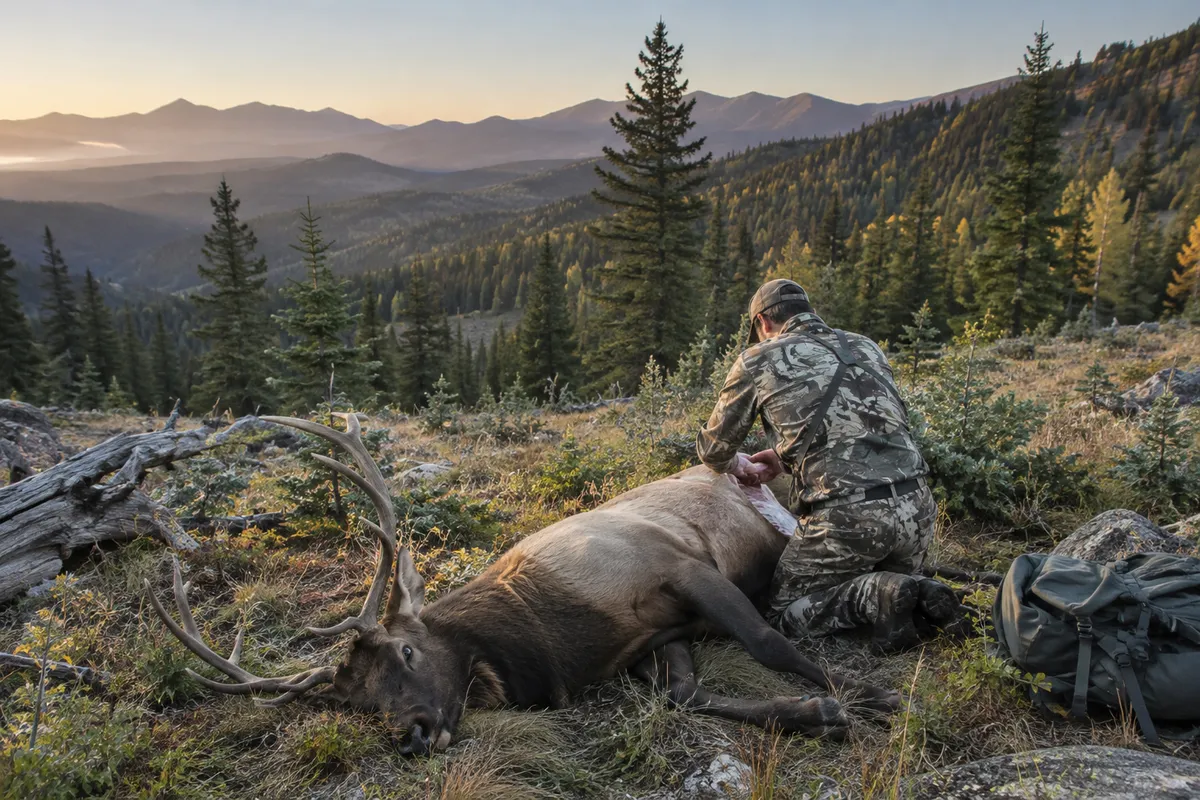
Field dressing is the first part of caring for elk meat after a harvest, and knowing how to field dress an elk can help you work methodically rather than rush. The priorities are straightforward: keep the carcass clean, avoid puncturing the digestive tract, cool the meat promptly, and follow the rules where you hunt. Conditions vary with terrain, weather, equipment, and the animal’s size, so treat this as general guidance—not a substitute for hands-on instruction or local requirements.
Before the hunt, learn the process with an experienced mentor and review your state or provincial regulations. Decide how you will move and cool the meat before an animal is down. In steep or remote country, a partner, a reliable communication plan, and a realistic pack-out plan matter as much as a sharp knife.
Prepare before making the first cut
Carry a sharp knife, a small sharpening tool, disposable gloves if you use them, clean water for hands and tools, and game bags intended to protect meat while allowing airflow. A headlamp, marking materials, and a way to contact your hunting partner can also be useful. Keep clean gear separate from items that have touched hide or the ground.
First confirm the animal is dead and safe to approach. Be alert to antlers, hooves, and uneven footing. If there is any doubt about the animal’s condition, do not approach until it is safe. Check local rules for evidence-of-sex requirements, tagging, transport, and carcass handling; regulations differ by jurisdiction and season.
Choose a stable work area where the carcass can be positioned without rolling. If practical, place it on its back with the head uphill or on level ground. Avoid working in standing water, mud, or where the meat will contact soil. If the animal is on a slope, make a plan to control its position before cutting.
Make controlled cuts and protect the meat
Put on clean gloves if desired, and keep the knife edge directed away from your supporting hand and body. Start with shallow cuts through the hide along the midline, from the lower chest toward the pelvic area. Lift the hide with the free hand and use short, careful strokes so the blade passes through hide without plunging into the body cavity. A knife’s point can penetrate farther than expected; slow, shallow cuts provide more control.
Opening the body cavity requires particular care. The exact sequence depends on the method you have learned and the animal’s position. Work in small increments and keep the blade shallow. Where possible, use a hand or a protective opening tool to separate the hide and body wall from the organs before extending a cut. Do not force a blade through a tight area or cut blindly around the pelvis or diaphragm.
The goal is to remove the internal organs while minimizing contact between edible meat and digestive contents. If the stomach or intestines are punctured, stop and prevent contamination from spreading. Keep contaminated material away from clean surfaces; remove visibly soiled tissue with a clean knife, and clean hands and tools before continuing. If contamination is extensive or you are unsure what to trim, seek advice from a qualified local processor or wildlife agency.
As you proceed, separate tissue gently rather than tearing. The diaphragm divides the chest and abdominal cavities; releasing it allows access to organs in the chest. Avoid cutting into organs or the urinary tract. If you have not been taught the anatomy, do not improvise around unfamiliar structures—pause and get experienced help. Avoid severing or removing any parts that regulations require for identification or inspection.
Use a simple field checklist
| Stage | Check | Why it matters |
|---|---|---|
| Before cutting | Animal is confirmed dead; footing and carcass are stable | Reduces injury risk and prevents uncontrolled movement |
| During opening | Shallow, controlled cuts; knife kept away from supporting hand | Helps protect both hunter and meat |
| Organ removal | Avoid punctures; keep contents away from edible tissue | Limits contamination |
| After dressing | Check for debris and contamination; clean hands and tools | Keeps handling practices consistent |
| Cooling and transport | Protect meat from dirt and insects while allowing airflow | Supports prompt, clean cooling |
| Before leaving | Tag and preserve required evidence; confirm nothing required is left behind | Helps meet local regulations |
Use this checklist as a prompt, not a complete legal or butchering procedure. Requirements and accepted methods can differ. For broader context on responsible big-game hunting, see the big-game hunting hub. For a separate perspective on identifying record claims and checking their documentation, read about Nebraska record elk and world record elk; those articles concern verification, not field dressing.
Cool the meat promptly
Once the organs are removed, the next priority is cooling. Heat trapped under the hide and in the body cavity can delay cooling, while direct contact with dirt or dirty gear can compromise cleanliness. In warm weather, do not leave the carcass intact while completing unrelated tasks. Work efficiently, protect the meat from insects and debris, and move it toward a place where it can cool safely.
Many hunters use a gutless approach or quarter the animal in the field, particularly when terrain makes moving a whole carcass impractical. These are distinct techniques that require practice and careful handling. If you use one, learn it before the hunt from a competent instructor, and understand how to maintain required evidence of sex or species. Do not assume that a method legal in one area is allowed in another.
Place meat in clean game bags that shield it from dirt and insects but do not trap heat or moisture. Keep bags out of direct sun and away from exhaust, fuel, and dirty surfaces. Avoid sealing warm meat in plastic. The right cooling and transport plan depends on temperature, travel time, and access to refrigeration; ask a local processor or wildlife agency for guidance when conditions are difficult.
Know when to stop and get help
Field dressing in darkness, severe weather, steep terrain, or remote country can turn a routine task into a safety problem. Stop if you are injured, losing control of the carcass, unable to identify what you are cutting, or dealing with substantial contamination. Secure the animal as safely as you can, contact your partner or local assistance, and do not take risks to save time.
If you find unusual lesions, an abnormal odor, or signs that cause concern about disease, avoid handling affected tissue more than necessary and contact the relevant wildlife agency for advice. Do not eat meat that appears spoiled or that you suspect is unsafe. Wildlife-health guidance can vary by region and disease situation.
Finish with clean handling and legal checks
Before leaving the site, account for your knife and other gear, confirm the tag is properly attached, and make sure any required evidence remains with the carcass or meat. Check the applicable regulations rather than relying on memory or another hunter’s routine. Clean and sanitize tools after use according to product directions, and wash hands thoroughly.
Good field dressing is not about speed or a single perfect technique. It is a series of deliberate choices: prepare in advance, make shallow controlled cuts, keep edible tissue clean, cool it promptly, and follow local rules. Practicing with an experienced hunter before the season makes the process safer and more predictable when conditions are demanding.
Frequently asked questions
What should I do first before field dressing an elk?
Confirm the animal is dead and safe to approach, stabilize the carcass, prepare clean tools, and check local tagging and evidence requirements.
How can I reduce contamination while field dressing?
Use shallow, controlled cuts, avoid puncturing digestive organs, keep meat away from dirt, and clean hands and tools if contamination occurs.
How soon should elk meat be cooled?
Begin cooling promptly after dressing. Keep meat protected from sun, insects, and dirty surfaces while allowing airflow; conditions and transport time affect the plan.
Can I use a gutless method instead of removing the organs?
Some hunters use gutless field processing, but it takes practice and may be subject to local evidence-of-sex or carcass rules. Learn the method and verify regulations before hunting.
What if I puncture the stomach or intestines?
Stop, keep the contents from spreading, remove visibly contaminated tissue with clean tools, and seek advice if contamination is extensive or you are uncertain.
Sources & further information
Consult these primary sources for current regulations, technical information and local guidance.