How to Call Elk: A Field Guide to Elk Vocalizations
Calling elk is less about making a perfect sound than choosing the right call, timing, location, and response. This practical guide covers common vocalizations, a careful approach, and when to stop calling and observe.
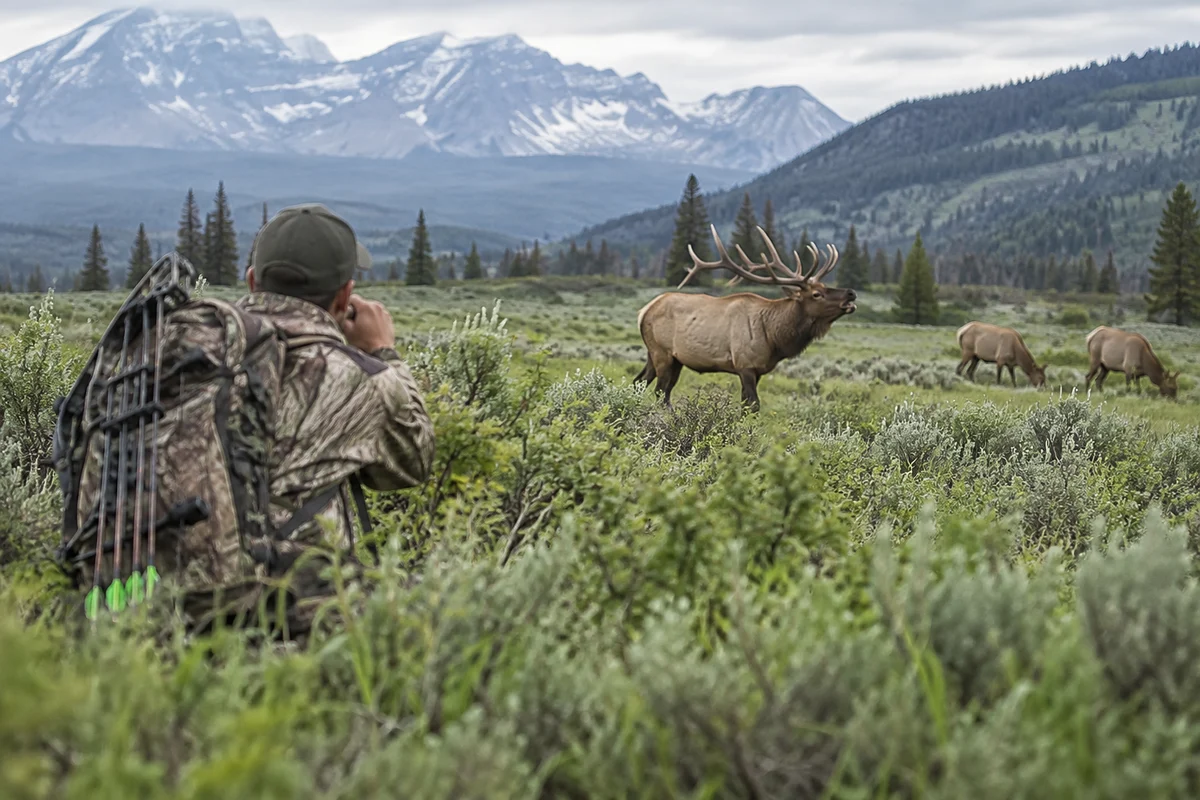
Elk calling is a way to communicate at a distance, not a remote control for making an animal approach. If you are learning how to call elk, begin with the purpose behind each sound: bulls may advertise or challenge, while cows and calves use contact calls to stay together. Matching a call to the season, setting, and elk behavior matters more than producing a loud or elaborate sequence.
Calling can add useful information to a hunt, but it cannot replace scouting, wind awareness, lawful access, or patience. Elk may ignore a call, answer without moving, or approach silently. Treat every response as a possibility—not a promise—and make decisions that preserve safe distances and a clear view of your surroundings.
Learn the main elk calls
A bugle is a bull’s long, high-pitched vocalization, often ending in a rougher, lower note. It can carry a long way in open terrain. A bugle may communicate a bull’s presence or social status, but it does not reliably mean the animal is ready to fight or will come toward you.
Cow calls are shorter sounds, commonly described as mews or chirps. They can represent contact among elk, and a calf call may also carry in the right conditions. Use restrained, natural-sounding calls. Repeating a call continuously can make the sound seem artificial and may draw attention from animals you have not seen.
A short grunt or low chuckle may be heard during close social interactions, but it is easy to overuse and imitate poorly. Start with the simplest call you can make consistently. If you use a diaphragm call, practice safely at home so the mouthpiece does not distract you while walking or handling other gear. Keep your attention on footing, other people, and the landscape.
Choose a call for the situation
There is no universal sequence that works every day. Let what you hear and see guide the decision. If elk are vocal and moving naturally, a brief response may be enough. If the area is quiet, adding repeated calls may do little beyond announcing your position.
| What you notice | Conservative response | What to avoid |
|---|---|---|
| Distant bugle, no visible elk | Pause, listen, and assess wind and terrain before answering once | Moving directly toward the sound without checking access or visibility |
| Elk answer but do not approach | Stay put briefly; consider one soft call only if it fits the situation | Escalating volume or repeating a challenge call on a loop |
| Nearby animals you cannot see | Stop calling and scan carefully; let them move into view | Calling while turning or moving without a safe view |
| Quiet conditions | Focus on sign, travel routes, and wind; use calls sparingly | Assuming silence means elk are absent |
| Unclear response or uncertain target | Do not act on sound alone; identify the animal and surroundings | Treating a bugle as proof of species, sex, or location |
This framework is deliberately cautious. Sound travels unevenly through timber, ridges, and valleys. A response can seem closer or farther than it is, and multiple elk may vocalize from different directions.
Timing and context matter
Elk vocal activity often changes with the breeding season, local weather, pressure, and time of day. During periods when bulls are actively vocalizing, bugles may be easier to hear. In other conditions, elk can remain quiet while feeding or traveling. Local wildlife-agency information is the best place to check season dates, legal methods, and area-specific guidance; dates and regulations vary by jurisdiction.
Dawn and dusk can be productive times to listen because people and other ambient noise may be reduced, but elk do not follow a guaranteed schedule. Midday can still offer opportunities to observe movement or locate fresh sign. Rather than planning around a fixed calling timetable, build a routine around listening, checking wind, and moving only when you can do so without compromising a safe view.
Terrain shapes how you should call. A bugle may carry over an open basin, while a ridge or dense timber can distort direction. Before answering, consider where the sound could be coming from and whether the terrain gives an animal a route to approach without crossing an unsafe or inaccessible area. Avoid calling toward roads, buildings, trails with other users, or places where a response could create a conflict.
Set up before making noise
Choose a position with a clear view of likely approach routes and a safe background. Keep the sun, wind, and cover in mind, but do not let concealment block your ability to see what is moving. If hunting with a partner, agree in advance on locations, signals, and where each person may safely move. Never assume a sound identifies the animal or that a partner is where you expect.
Wind can carry human scent toward elk even when your call sounds convincing. Check it before settling in and reassess if it shifts. If the wind repeatedly exposes your position, leave quietly or reposition only when you can do so safely. Calling more loudly will not solve a scent problem.
Keep calls and other gear accessible without rummaging or looking away from the surroundings for long. A handheld call can be easier to control; a mouth call leaves hands free but requires practice. Neither format guarantees a realistic sound. Follow manufacturer instructions for care and safe use, and do not put a call in your mouth while navigating rough ground.
For a broader grounding in habitat, seasons, and responsible field decisions, visit the big-game hunting hub. If you are comparing how elk are discussed in record reporting, our guide to the world record elk explains why official verification matters. The article on a Nebraska record elk likewise illustrates the distinction between an exciting claim and a confirmed record.
Respond to an answer with patience
An answering bugle is information, not an invitation to rush. Stop and listen for follow-up sounds, hoof movement, or changes in direction. Elk may circle downwind, remain stationary, or approach without another vocalization. Moving toward a sound too quickly can put you in the animal’s path, expose your scent, or create a dangerous encounter with another hunter.
If you decide to move, do so slowly and only when the route is clear, legal, and safe. Use terrain to avoid skyline exposure, but maintain awareness of other people and never move toward a sound you cannot identify. In hunting situations, follow all local requirements for visibility clothing, firearm or archery safety, access, and permitted hunting hours. A call must never be used to lure an animal toward a road, property boundary, or unsafe location.
If an elk comes close, stop calling. Watch for the animal and any others that may be with it. Identify your target and what lies beyond it before taking any action. If you cannot make a safe, lawful decision, do not proceed. A missed opportunity is preferable to an uncertain shot or a preventable accident.
Common mistakes and practical fixes
Calling too often: Silence gives you a chance to hear movement and lets the landscape settle. Make a call, wait, and observe before deciding whether another is useful.
Using the same call in every setting: A loud bugle may be unsuitable near other hunters or in a small, enclosed area. Adjust volume and frequency to the terrain and context, or remain quiet.
Confusing sound with certainty: Elk vocalizations vary, and echoes can mislead. Do not identify an animal, its location, or its intent from one sound alone.
Ignoring wind and access: Calls cannot overcome scent carried downwind or a route that crosses private land. Check maps and permissions before the outing, then reassess conditions in the field.
Practicing only outdoors: Learn the mechanics of a call before a hunt. Practice at home at a reasonable volume, then use short, controlled sequences afield. The aim is clear communication, not maximum volume.
Keep the practice ethical and legal
Regulations can govern seasons, legal equipment, access, and how wildlife may be pursued. Rules differ among states, provinces, and management areas and can change. Check the current official wildlife-agency regulations for the exact place and dates you plan to hunt. Do not rely on an old article, a call manufacturer, or another hunter as a substitute for the current rules.
Calling also affects people and wildlife beyond the immediate encounter. Be considerate around other hunters and public-land users, respect closures and property boundaries, and avoid repeatedly disturbing elk that are not part of a lawful hunt. Keep a safe distance when observing wildlife. If you are not hunting, use calls only where permitted and with care not to habituate or harass animals.
A simple field checklist
Before calling, ask:
- Do I know the current rules, access boundaries, and permitted hours?
- Is the wind favorable, and can I safely see likely approach routes?
- Could another person be in the direction of the sound or movement?
- What does the call communicate here, and is a call necessary at all?
- If an elk responds silently or approaches unexpectedly, do I have a safe plan?
The most reliable approach to elk calling is thoughtful restraint. Learn a few basic sounds, listen more than you call, and let terrain, wind, and observed behavior shape each decision. There is no guaranteed call or sequence; skill comes from recognizing uncertainty and keeping safety and ethics ahead of excitement.
Frequently asked questions
What is the easiest elk call for a beginner to learn?
Start with a simple cow mew or contact call and practice making it consistently at home. Use it sparingly in the field and listen before calling again.
When is the best time to call elk?
Calling activity varies with season, location, weather, and pressure. Listen for local elk activity and check current wildlife-agency regulations rather than relying on a fixed schedule.
Should I bugle back every time I hear an elk?
No. Pause to assess wind, terrain, access, and other people first. A bugle may reveal your position, and an answering elk may not approach.
Can you identify an elk’s location from its bugle?
Not reliably. Terrain and echoes can distort direction and distance, so use the sound as a clue and confirm visually before moving or acting.
Sources & further information
Consult these primary sources for current regulations, technical information and local guidance.