What the Clean Water Act Does—and What It Doesn’t
The Clean Water Act shapes pollution controls and permits across many U.S. waterways, but it does not cover every water or solve every pollution problem. Here’s a field-ready guide to its framework, limits, and ways outdoor users can follow local decisions.
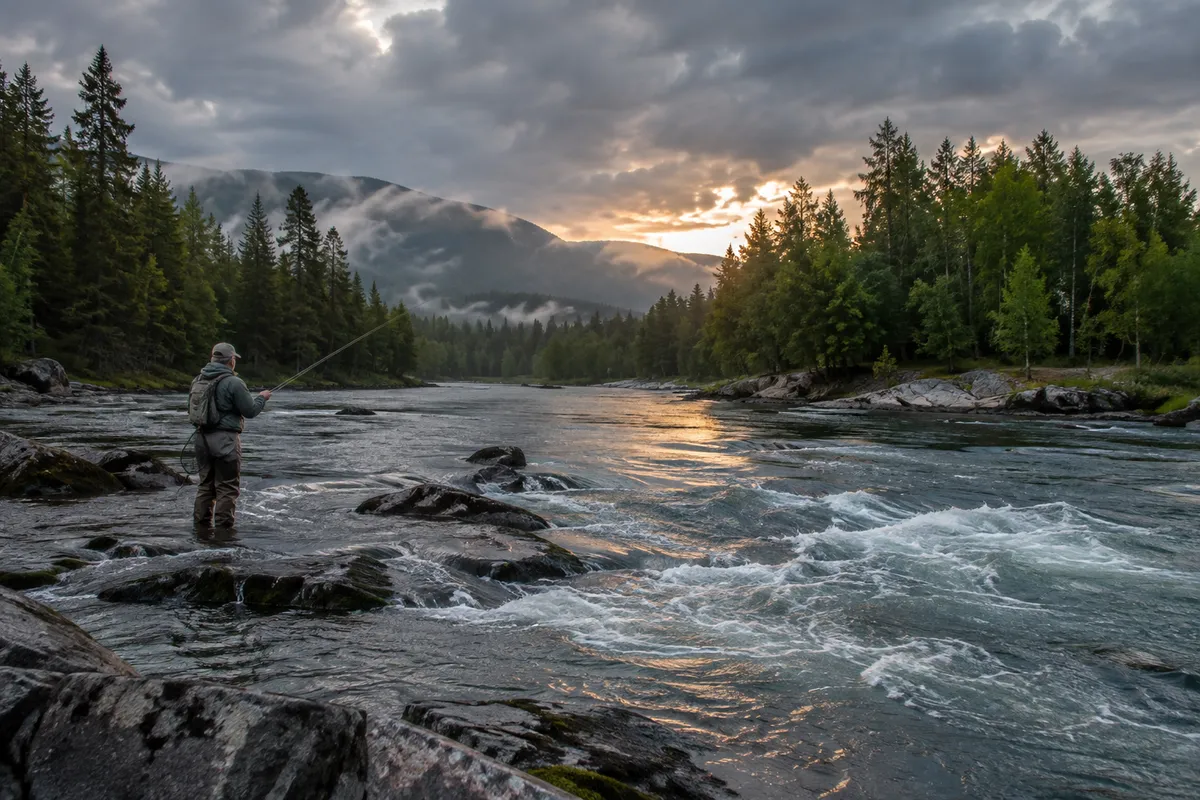
The clean water act is the central federal law for controlling pollution in many U.S. waters, and its effects reach well beyond factories and treatment plants. Anglers, paddlers, hunters, and anyone who cares for a watershed encounter its influence in discharge permits, water-quality standards, restoration projects, and public notices. Understanding the law also means understanding its limits: coverage depends on the water and activity involved, and many protections are shared with state, tribal, and local authorities.
For outdoor users, the practical question is not simply whether a stream is “protected.” It is which agency has authority, what kind of pollution or work is at issue, and what current standards or permits apply. This guide explains the main tools, common misconceptions, and a clear way to check a local concern without treating the statute as a guarantee of clean water.
What is the Clean Water Act?
The Clean Water Act is the common name for the Federal Water Pollution Control Act as amended, most substantially in 1972. Its broad objective is to restore and maintain the chemical, physical, and biological integrity of the nation’s waters. The law established a federal-state framework rather than a single, all-purpose water-quality regulator.
The U.S. Environmental Protection Agency (EPA) sets or oversees national requirements and works with states and authorized tribes. Those governments often issue permits, monitor water, establish water-quality standards, and enforce requirements. Other federal agencies can have roles in particular permits and projects. The relevant authority depends on the activity and location.
The act is best understood as a collection of tools, not a promise that every water body will be pristine. Its familiar mechanisms include limits on pollution released from point sources, permits for certain discharges, water-quality standards, and restrictions on some pollutant discharges associated with dredging or filling. Separate laws and programs address drinking water, wetlands, habitat, agriculture, and other concerns.
How does the law control pollution?
Permits for point-source discharges
A point source is a discernible, confined, and discrete conveyance—such as a pipe, ditch, channel, or outfall—from which pollutants may be discharged. The National Pollutant Discharge Elimination System (NPDES) permit program regulates many such discharges. A permit can set limits, monitoring duties, reporting requirements, and other conditions.
Municipal wastewater facilities and industrial operations are familiar examples, but stormwater systems and some construction or industrial activities can also require permits. The exact obligation depends on the source, the discharge, and applicable rules. A permit does not mean “no pollution”; it means the discharge is subject to specified legal conditions.
Water-quality standards
States and authorized tribes establish water-quality standards subject to federal requirements. Standards generally identify designated uses—such as recreation, aquatic life, or public water supply—and criteria intended to protect those uses. They may also include antidegradation policies to protect existing water quality.
Standards help guide permit limits and assessment decisions, but they do not make every reach safe for every activity at all times. Advisories can be issued for bacteria, harmful algal blooms, fish consumption, or other hazards. Conditions can change quickly after rainfall, spills, heat, or low flows, so consult current state or local advisories before swimming, eating fish, or contacting water of concern.
Dredge-and-fill discharges
Section 404 addresses permits for discharges of dredged or fill material into waters within federal jurisdiction. The U.S. Army Corps of Engineers administers much of the permitting program, with EPA oversight and other agency involvement. A permit review can consider alternatives and environmental effects, but not every earthmoving project requires the same permit. State and local permits may apply independently.
What waters are covered?
Coverage is one of the law’s most important—and most contested—questions. Federal jurisdiction does not automatically extend to every wet spot, drainage, pond, or seasonal channel. The statutory phrase “waters of the United States” is interpreted through regulations and court decisions, and the governing framework can change. Location, hydrology, connections to other waters, and the type of action all matter.
That uncertainty is a reason to avoid making a field-side legal conclusion based on appearance alone. A channel that looks small may be regulated in a particular context; a wet area may fall outside federal jurisdiction but remain protected by state or local law. If a project could affect wetlands, streams, or shorelines, consult the relevant agencies early rather than relying on a map or a general online summary.
What the Clean Water Act does not do
The law does not directly regulate every source of pollution in the same way. Point-source permits are a central tool, while diffuse runoff from farms, roads, lawns, and other landscapes is often addressed through a mix of state programs, conservation practices, local rules, and other federal authorities. This can leave difficult gaps, especially where multiple small sources add up across a watershed.
It also does not guarantee that a water body is safe for recreation or fish consumption. Water-quality standards, permits, monitoring, and enforcement operate alongside public-health advisories and local conditions. Nor does federal coverage eliminate state, tribal, or local requirements; in many places, those governments provide additional protections.
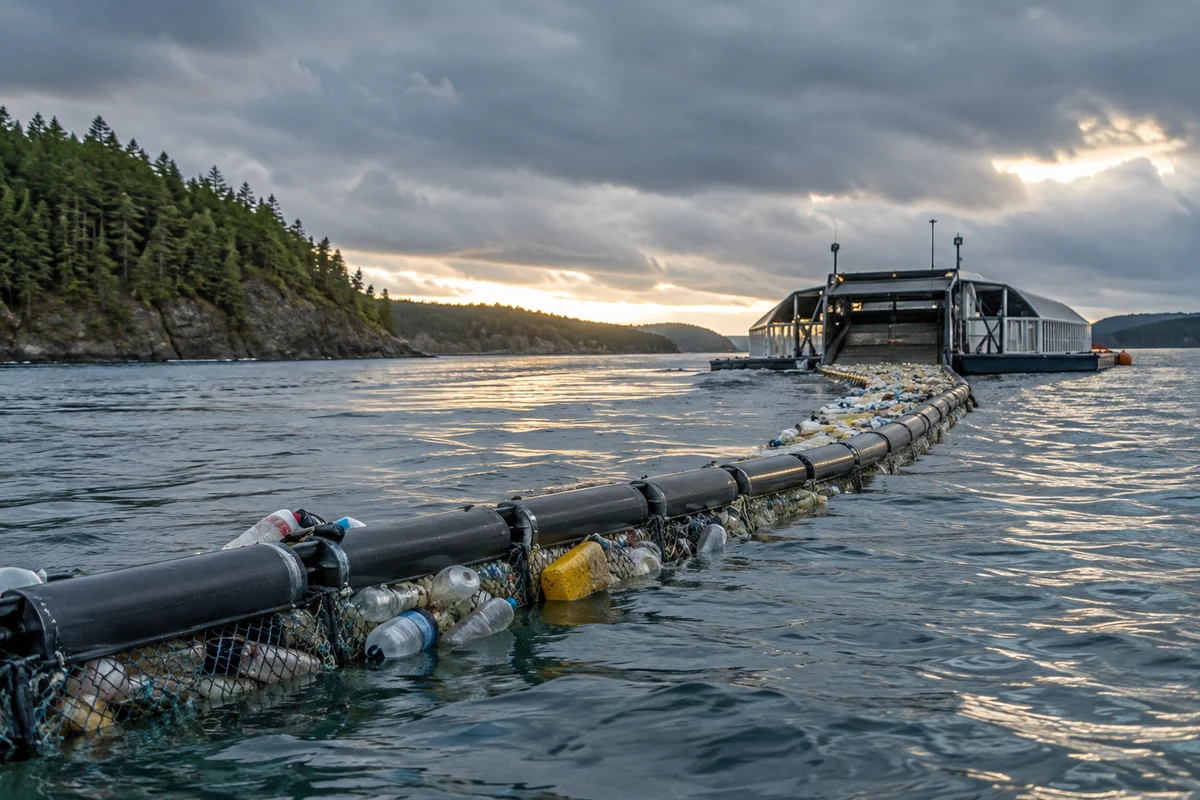
For a broader conservation perspective, see our guides to ocean cleanup inventions and endangered fish species. Water quality also matters in the field and at the boat ramp; our overview of ethanol in boat fuel covers a separate but practical boating concern.
A practical way to check a water concern
Use this sequence when you notice a discharge, proposed project, fish kill, unusual water color, or possible habitat disturbance. It is a way to gather reliable information, not a substitute for legal or scientific advice.
| Step | What to check | Why it helps |
|---|---|---|
| Identify the place | Note the water body, access point, nearby road or landmark, date, and weather | Agencies need a specific location to assess a report |
| Describe what you observed | Record visible conditions from a safe public location; avoid touching or collecting unknown material | Clear observations are more useful than assumptions about cause |
| Check current notices | Look for state water-quality advisories, fish-consumption guidance, and local closures | Health guidance can change faster than general reports |
| Find the responsible program | Contact the state environmental agency, tribal environmental office, or local authority; use EPA resources to identify federal programs | Authority varies by water, activity, and permit type |
| Review public records | Search agency permit, monitoring, assessment, and enforcement pages using the facility or watershed name | Records may show permit limits, results, or scheduled reviews |
| Report an active problem | Follow the agency’s pollution-reporting instructions; call emergency services for immediate danger | Timely reports can help responders investigate safely |
Do not trespass, enter unsafe water, confront a suspected discharger, or handle dead fish, chemical containers, or unknown substances. Photographs from a lawful, safe location and a concise description are generally more useful than collecting samples without the right equipment and procedures. If there is an immediate threat to people or wildlife, use the appropriate emergency reporting channel.
How anglers and outdoor groups can participate
Public participation is most effective when it is specific and tied to a decision or documented condition. Many permits and water-quality plans have public comment periods. Read the notice, identify the affected water and proposed action, and submit observations or questions by the stated deadline. If you rely on a reach for fishing, boating, or access, explain the use and cite any relevant local monitoring or advisory information rather than making unsupported claims.
Local watershed groups can help volunteers learn established monitoring methods and connect observations with agency data. Before interpreting a test result, check who collected it, which method was used, when the sample was taken, and what threshold applies. A single reading is a snapshot, not a complete diagnosis of a watershed.
The Clean Water Act remains a major framework for pollution control, but its effect depends on implementation, jurisdiction, funding, monitoring, and enforcement. The most reliable outdoor decision is therefore a current, local one: identify the water, consult the responsible agency, and distinguish verified conditions from assumptions.
Sources and further reading
- U.S. Environmental Protection Agency, Clean Water Act overview: https://www.epa.gov/laws-regulations/summary-clean-water-act
- U.S. Environmental Protection Agency, NPDES program: https://www.epa.gov/npdes
- U.S. Army Corps of Engineers, Regulatory Program: https://www.usace.army.mil/Missions/Civil-Works/Regulatory-Program-and-Permits/
For more, explore our conservation odu headlines guides.
Frequently asked questions
Does the Clean Water Act protect every stream and wetland?
No. Federal coverage depends on the applicable definition of waters of the United States and the facts of a particular place and activity. State, tribal, or local protections may also apply.
Does a discharge permit mean the water is pollution-free?
No. A permit authorizes a regulated discharge subject to specific limits and conditions; it does not guarantee zero pollution or that the receiving water is safe for every use.
Who should I contact about a suspected water pollution problem?
Start with the state environmental agency or tribal environmental office responsible for the location, and follow its reporting instructions. For an immediate danger, use the appropriate emergency channel.
How can I find out whether a water body has a health advisory?
Check current state or local advisories, including fish-consumption and recreation notices. Conditions and advisories can change, so consult current information before visiting.
Sources & further information
Consult these primary sources for current regulations, technical information and local guidance.