Why Endangered Fish Species Need More Than a Rescue Plan
The phrase “endangered fish species” covers many kinds of risk, from a blocked migration route to a shrinking spring-fed refuge. Understanding how threats interact—and how conservation status is verified—helps anglers and outdoor readers recognize meaningful recovery work.
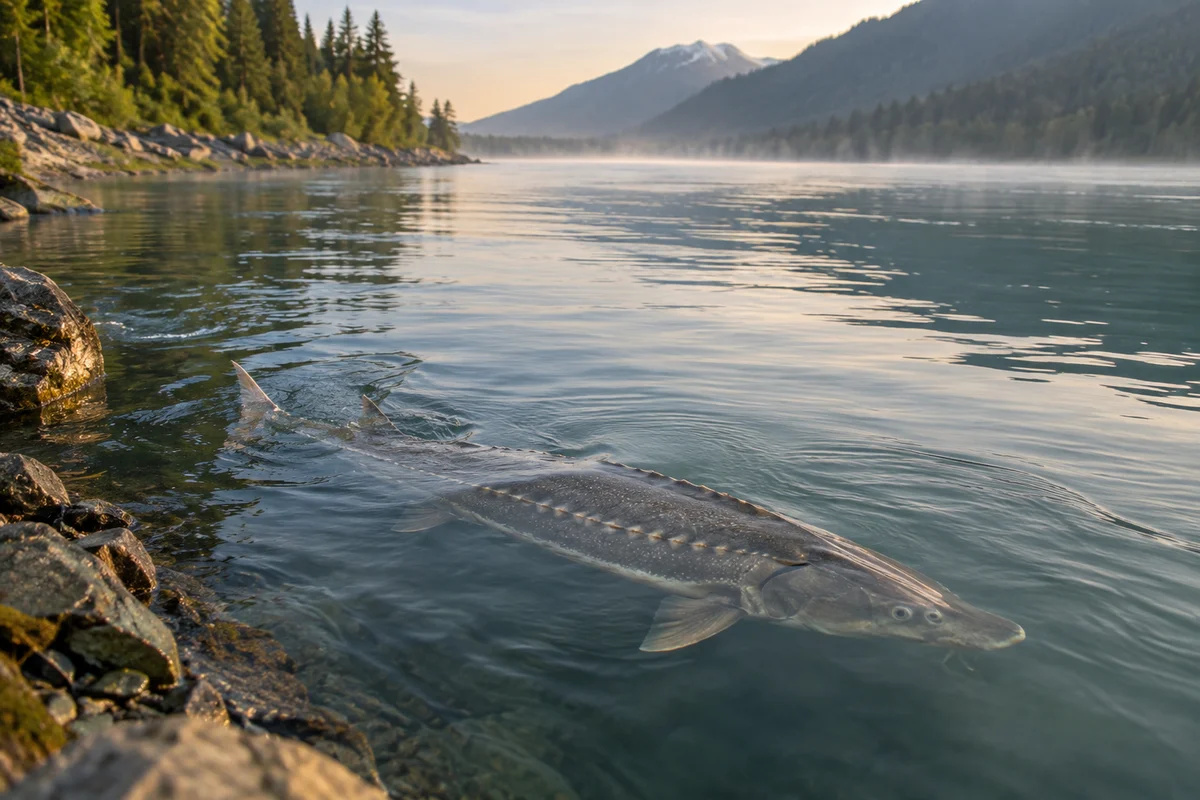
Fish can disappear from a river or lake long before the water looks unhealthy. A stream may still run clear while a dam blocks migration, a spring loses its steady flow, or young fish lose the shallow habitat they need. That is why endangered fish species cannot be understood through a single dramatic image or one simple cause. Their decline is usually a story about habitat, life history, and human decisions working together.
For outdoor readers, the useful questions are practical: What does “endangered” mean? How do scientists identify a decline? Which threats can be addressed, and how can people check whether a fish is officially protected? The answers vary by species and jurisdiction, but a careful framework makes the subject clearer.
What does endangered mean for a fish?
In everyday conversation, “endangered” may mean any fish that seems rare or is in trouble. In law and science, status has a more specific meaning. In the United States, the Endangered Species Act distinguishes endangered wildlife—at risk of extinction throughout all or a significant portion of its range—from threatened wildlife, which is likely to become endangered within the foreseeable future. States and other countries may use different definitions and lists.
A species’ status is not the same as a population count at one fishing spot. Fish populations can fluctuate naturally, and a species may be locally uncommon without being globally endangered. Conversely, a fish may still occur across a wide region while losing the connected habitats, spawning grounds, or genetic diversity it needs to persist.
Check the agency responsible for the species and the geographic area in question. Federal listings, state protected-species lists, and international assessments serve different purposes. Do not infer legal status from a news headline, a social-media post, or an old reference. The U.S. Fish and Wildlife Service’s endangered species program is a starting point for federally listed species; state wildlife agencies provide local rules and notices.
Why do fish populations decline?
The causes often reinforce one another. A barrier may fragment a river; warmer water can then make the remaining habitat less suitable, while pollution or low flows add stress. A conservation assessment looks at the whole system rather than treating each pressure as an isolated problem.
Habitat fragmentation and altered flow
Dams, culverts, channelization, and water withdrawals can change how water moves and whether fish can reach feeding, spawning, or refuge habitat. Some barriers are complete; others are passable only at certain flows or seasons. A fish that migrates between habitats may be especially vulnerable when one essential link is lost.
Water quality and temperature
Sediment, nutrients, chemicals, and changes in water temperature can affect eggs, larvae, and adults differently. Cold-water fish, for example, may depend on groundwater inputs or shaded tributaries during warm periods. A stream’s appearance alone is not a reliable measure of its ecological condition.
Invasive species, harvest, and small populations
Introduced predators or competitors can alter food webs. Fishing pressure may matter where a population is already fragile, though rules and effects differ by species and place. Small, isolated populations also face greater risks from chance events and reduced genetic diversity. These factors should be evaluated with local evidence, not assumed from a species’ name or reputation.
How is conservation status assessed?
Experts assemble evidence from surveys, historical records, habitat mapping, and information about threats. For fish that are difficult to detect, a missed observation does not necessarily mean absence; survey timing, water conditions, gear, and species behavior can all affect what is found. Repeated surveys and consistent methods make comparisons more useful.
Assessment typically asks whether a species’ range has contracted, whether populations are declining, whether habitat is being lost or degraded, and whether threats are likely to continue. The data may be incomplete. Agencies therefore describe uncertainty and use the best available evidence rather than pretending every population is counted precisely.
A listing is a legal and administrative determination, not a guarantee that recovery is complete. It can trigger protections and planning, while recovery depends on sustained implementation, monitoring, and cooperation across the places a fish occupies. For a related example of how conservation status and habitat concerns can intersect, see our overview of the headwater chub. Replace the space after the opening parenthesis in this link when publishing.
A practical way to read a fish conservation claim
When a report says a fish is endangered, use this quick check before sharing or acting on the claim:
| Question | What to verify | Why it matters |
|---|---|---|
| Which fish? | Common name and scientific name, if available | Common names can refer to different species or populations. |
| Where? | River basin, state, country, or range | Legal status and threats can differ by location. |
| Who assessed it? | Responsible wildlife agency or recognized assessment body | Authority helps distinguish formal status from informal concern. |
| What status? | Endangered, threatened, candidate, or another category | These terms are not interchangeable. |
| When was it updated? | Publication or review date | Status and rules can change as evidence develops. |
| What is the evidence? | Survey trend, habitat condition, and stated uncertainty | A single sighting or anecdote rarely establishes a trend. |
For an unfamiliar species, start with the relevant wildlife agency’s species page or official list. Then look for the assessment’s range, threats, and date. If a claim gives no location or source, treat it as a prompt to investigate rather than a verified status.
What does recovery look like?
Recovery is usually a set of connected actions, not a single stocking event. Depending on the fish and its watershed, work may include restoring stream flows, improving passage around barriers, protecting springs and wetlands, reducing sediment or pollutants, reconnecting floodplains, or controlling invasive species. Some projects also use captive propagation or reintroduction, but those methods depend on suitable habitat and careful planning; adding fish cannot compensate for a river that remains unlivable.
Monitoring matters after construction or habitat work. Managers need to know whether fish can use restored areas, whether reproduction is occurring, and whether the original pressures have been reduced. A project can be technically finished while the biological outcome remains uncertain. Look for follow-up surveys and measurable objectives, not just a description of work completed.
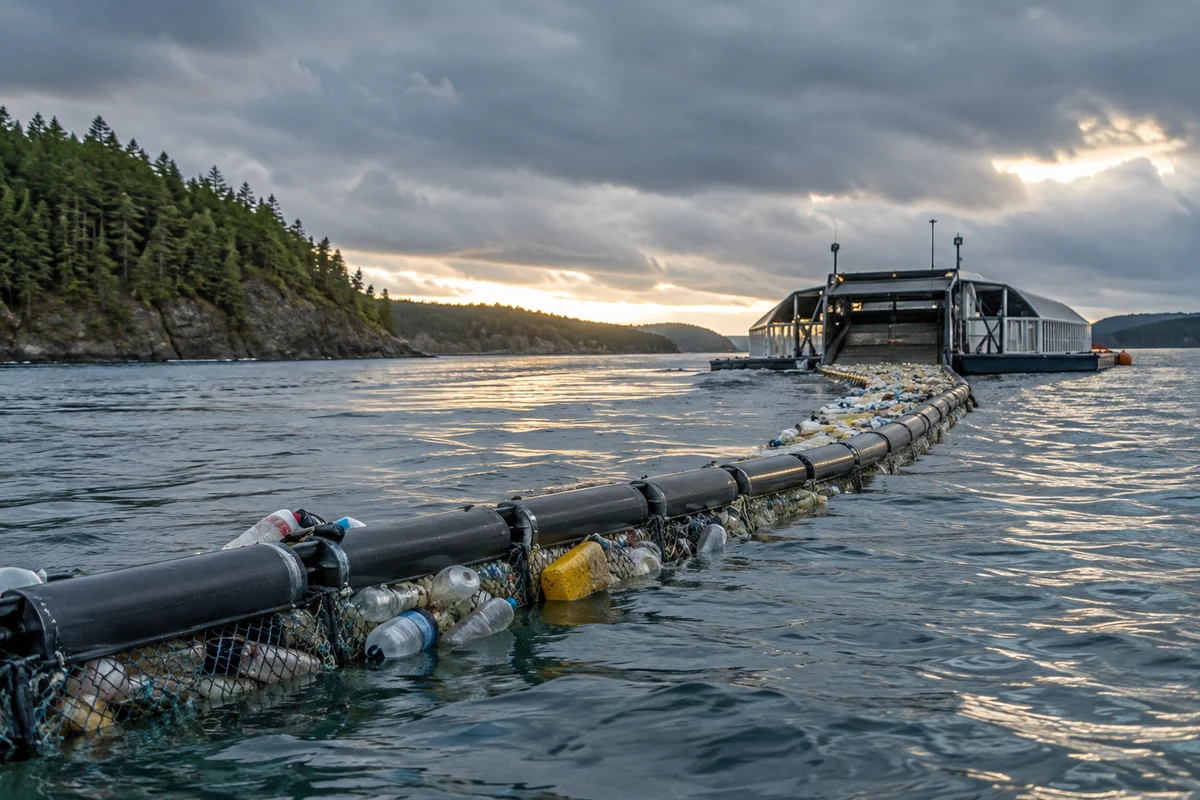
Conservation can also connect to broader issues. The ocean cleanup inventions guide discusses approaches to marine debris, while our illegal-fishing policy overview considers enforcement and seafood supply chains. Those topics are not substitutes for freshwater habitat protection, but they show why the right solution depends on the pressure being addressed.
What can anglers and outdoor readers do?
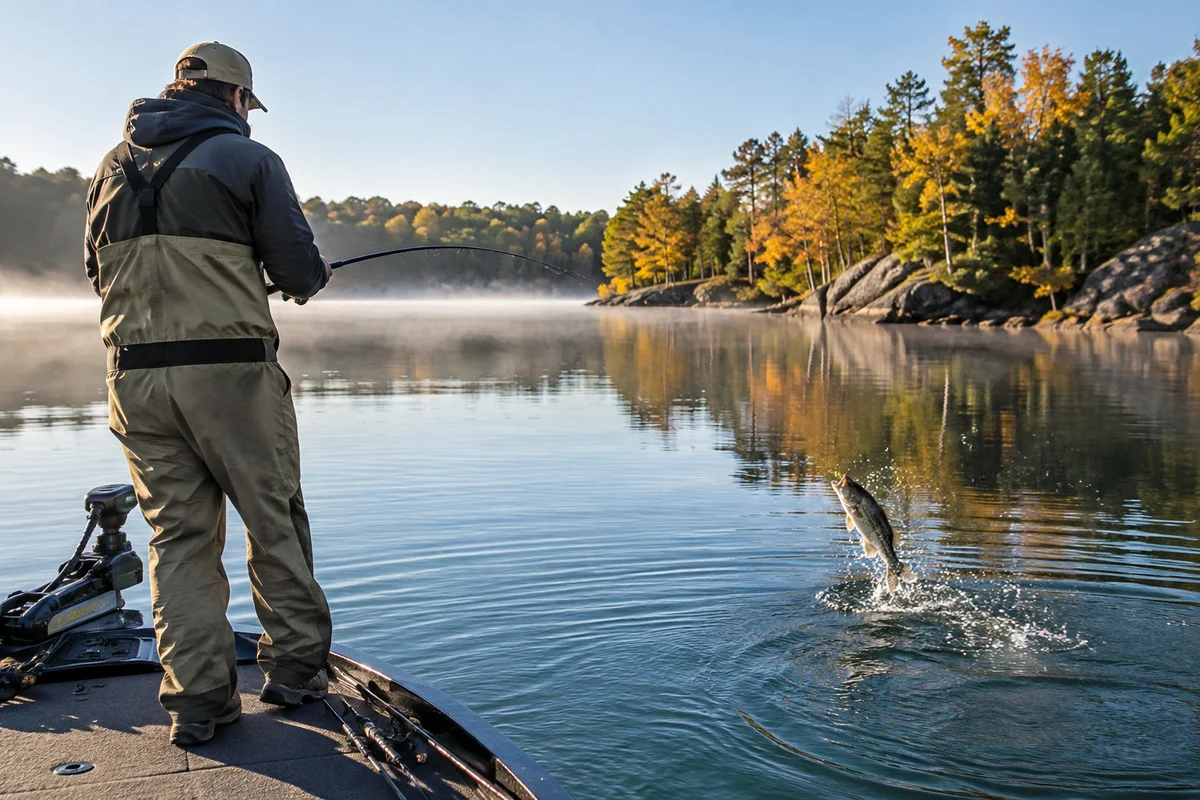
Start locally. Learn which agency manages the water you visit and follow current closures, harvest limits, bait restrictions, and handling guidance. Regulations can be specific to a species, waterbody, season, and method. If a fish may be protected or identification is uncertain, avoid keeping it and consult the official rules rather than relying on a general online summary.
Prevent avoidable spread of aquatic organisms by cleaning, draining, and drying boats and gear as required by local guidance. Dispose of bait properly; never release aquarium fish or bait species into natural waters. When observing sensitive fish, keep a respectful distance and avoid disturbing spawning areas or turning a location into a public target.
Support habitat-minded decisions through public comment, local watershed groups, and conservation organizations that explain their work and funding. Useful questions include: What habitat is being restored? Which species or ecological processes benefit? How will the result be measured? Are downstream and upstream effects considered? These questions invite accountability without assuming that every project is effective or ineffective.
If you see a fish kill, suspected pollution, or a possible rare-species observation, record the date and general location and contact the appropriate wildlife or environmental agency. Do not handle a potentially protected animal or publicize precise locations of sensitive populations without agency guidance. A clear, responsibly reported observation can be more useful than an unverified post.
Why the details matter
There is no universal recovery recipe for endangered fish species. A migratory river fish may need connected passage and seasonal flows; a spring specialist may depend on groundwater and a very small refuge. Even within one watershed, different life stages can rely on different habitats. Conservation succeeds when the diagnosis matches those needs and the work continues long enough to test the result.
For readers, the best habit is to separate three questions: Is the status official? What specific threat is documented? What action addresses that threat, and how will anyone know it worked? That approach respects uncertainty while keeping attention on practical solutions. Healthy waters benefit fish and the communities that fish, paddle, and live beside them—but claims about recovery should always be grounded in evidence and place.
For more, explore our conservation odu headlines guides.
Frequently asked questions
How can I confirm whether a fish species is endangered?
Check the relevant federal or state wildlife agency’s current species list, using the scientific name and location where possible. Status varies by jurisdiction and can change over time.
Is a rare fish automatically endangered?
No. Rarity at one site is not the same as an official endangered classification. Agencies assess range, population trends, threats, and other evidence.
Does releasing hatchery-raised fish restore an endangered population?
Not by itself. Any propagation or reintroduction effort depends on suitable habitat, careful planning, and monitoring; underlying threats must also be addressed.
What should anglers do if they catch a fish they think may be protected?
Follow current local regulations and handling guidance. If identification is uncertain, avoid keeping the fish and consult the responsible wildlife agency.
Sources & further information
Consult these primary sources for current regulations, technical information and local guidance.