Lighted Nock: How to Choose, Use, and Check One
A lighted nock can make an arrow easier to follow and recover, but compatibility and local rules matter. Learn how to select, fit, activate, and inspect one without compromising safe archery practice.
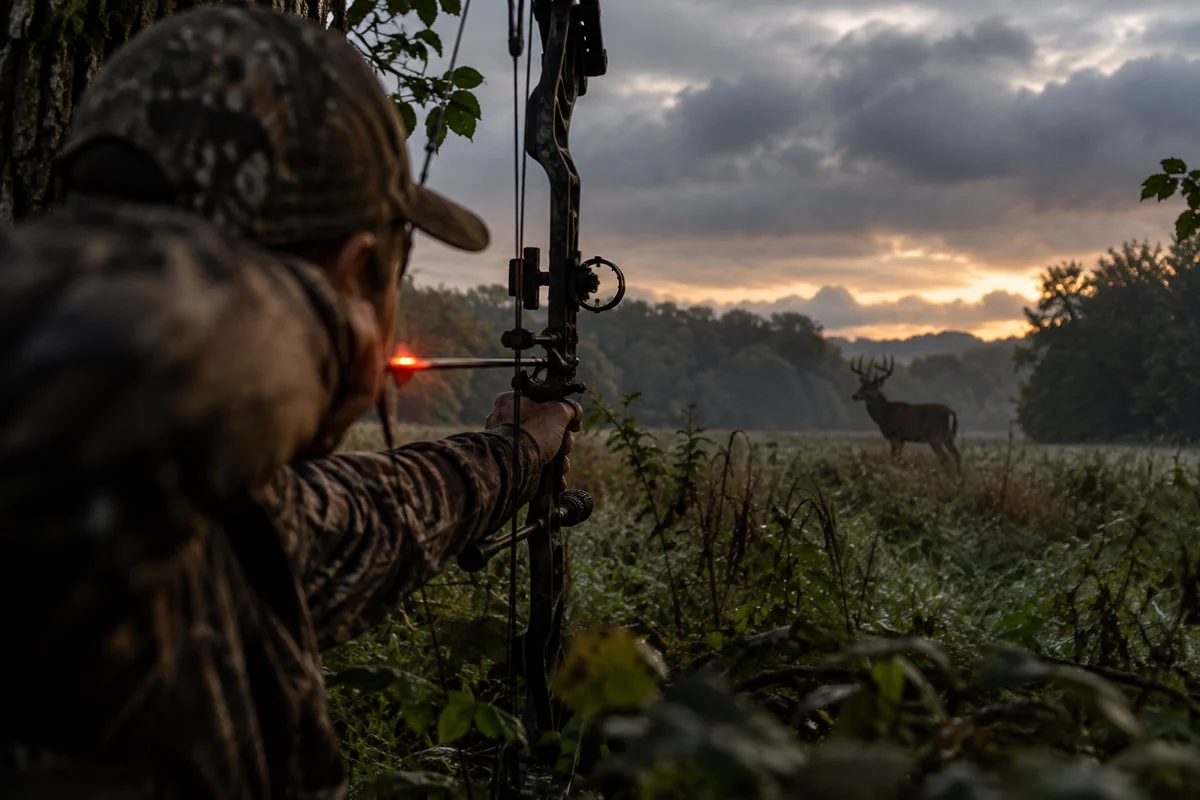
A lighted nock adds a small point of light at the rear of an arrow, making its flight path easier to follow and helping you locate an arrow after a shot. That visibility can be useful during practice and hunting, but a lighted model is not automatically compatible with every shaft, release system, or local regulation. Treat it as an arrow component that must fit and function correctly—not as a substitute for sound shot selection, safe handling, or careful recovery.
Before choosing one, identify your arrow’s exact shaft model and nock system. Manufacturers may offer several diameters, activation styles, and designs; names that sound similar do not guarantee a fit. Check current instructions from the arrow and nock manufacturers, and ask a qualified archery pro shop to confirm compatibility if anything is unclear. For broader preparation, see our archery hunting hub and beginner bow hunting tips.
What a lighted nock does—and what it does not do
A lighted nock illuminates after activation, usually when the arrow is released or under another mechanism specified by the manufacturer. The light can make an arrow’s direction more apparent against some backgrounds and make a recovered arrow easier to spot. It may also help a hunter understand where an arrow traveled, though the light alone cannot establish where an animal was hit or whether a shot was effective.
Visibility depends on conditions. Bright daylight, glare, dense vegetation, rain, distance, and the background can all make a small LED less noticeable. A light is a convenience, not a guarantee that you will see the entire flight or find an arrow. It should not encourage a rushed or marginal shot. Ethical hunting still depends on practice, appropriate range, sound judgment, and knowing when not to shoot.
Some designs are reusable; others may be intended for limited use or have parts that can be replaced. Activation and deactivation methods differ. Do not assume a particular nock can be switched off, reset, or reused in the same way as another. Consult its instructions and keep them with your archery gear.
How to choose a compatible model
Start with the arrow, not the nock’s color or advertised visibility. Confirm the shaft’s manufacturer, model, inside diameter, and the type of nock it is designed to accept. Some systems use a nock that fits directly into the shaft; others require a bushing or a specific insert arrangement. The nock’s external shape and throat must also work with your bowstring and release setup.
Use this decision framework before buying or installing anything:
| Check | What to confirm | Why it matters |
|---|---|---|
| Shaft fit | Exact shaft family and diameter listed by the nock maker | A loose or overly tight fit can affect seating and removal |
| Nock system | Direct-fit, bushing, or other specified arrangement | Similar-looking components may not interchange |
| String engagement | Nock throat and serving compatibility | The arrow must seat consistently without binding or falling off |
| Activation | How the model turns on and whether it can be reset | Prevents surprises during setup and after a shot |
| Arrow balance | Any change to rear-end weight and your setup | Added mass can change arrow behavior and tuning |
| Rules | Current hunting regulations for the location and species | Equipment rules vary and may change |
If the maker does not clearly list your arrow or system, do not force the component into place. Contact the manufacturer or a reputable archery shop. Avoid improvised sanding, cutting, gluing, or other alterations unless the manufacturer explicitly directs them; changing a nock can create a poor fit or damage the shaft.
Installation and a safe function check
Follow the instructions supplied with the specific nock. Work with the bow un-drawn and the arrow pointed in a safe direction. Keep fingers away from the string path, and never test activation by releasing an arrow toward an unsafe or unapproved area. If installation requires tools or a procedure you do not understand, stop and ask a qualified technician.
After installation, inspect the arrow before shooting. The nock should be seated as specified, without visible cracks, deformation, or looseness. The arrow should engage the string correctly and release cleanly in a controlled check recommended by the manufacturer. Do not shoot if the nock binds, fails to seat, activates unpredictably, or changes how the arrow fits the string. A poorly fitting nock can affect safe arrow retention and release.
A lighted nock can add weight at the rear of an arrow. That may alter the arrow’s balance and flight compared with the setup you previously tuned. Do not assume the effect is identical across bows, shafts, or nock designs. Recheck your setup at a suitable practice range, starting at a safe, familiar distance and using a dependable target and backstop. If flight differs, inspect the arrow and equipment, then seek help from a bow technician rather than compensating with a rushed adjustment.
Practice before relying on it in the field
Test the exact combination of bow, arrow, and nock you plan to use. Confirm activation, visibility in the likely lighting conditions, and how to deactivate or recover the component if applicable. Practice should take place where arrows can be safely contained and retrieved. Follow range rules, keep the bow pointed downrange, and do not shoot when anyone is in the target area.
Check how the light looks at realistic distances and against different backgrounds. A bright indoor display or a close backyard target does not reliably predict visibility in woods or open country. If the nock is difficult to see during a safe practice session, do not count on it to solve a tracking problem in the field.
Use your normal shot process. Choose a target and distance within your practiced ability, verify a clear background, and wait for a responsible opportunity. A lighted nock does not make a poor angle, obstructed view, or uncertain shot safer. New bowhunters can pair equipment checks with a broader preparation plan in our beginner bow hunting tips.
Field recovery and responsible use
After a shot, prioritize safety and observation. Note the direction of travel and the arrow’s last visible location, then give yourself time to assess the situation. Follow established local hunting guidance for tracking and recovery; do not treat an illuminated nock as proof of a hit location or as a reason to pursue carelessly. If you cannot determine what happened, seek advice from an experienced, responsible hunter or appropriate local authority.
When recovering an arrow, approach it carefully and inspect the entire shaft, point, fletching, and nock. Do not reuse an arrow with a crack, splinter, bent component, or other damage. A light can still function even when the shaft is unsafe. If there is any doubt about structural integrity, retire the arrow according to manufacturer guidance. Store arrows securely, with points protected and out of reach of children.
Troubleshooting common problems
It will not activate. Check the maker’s activation instructions and any stated battery or component limitations. Do not pry into the nock or improvise a repair. If the unit remains unreliable, replace or return it through the manufacturer’s stated process.
It activates too early or stays on. Remove the arrow from use and review the instructions. Confirm the component is seated as intended and that no part is damaged. Do not carry an unexpectedly active or malfunctioning nock into a hunt.
It is hard to see. Consider light, background, distance, and vegetation. A different color may be more visible in some conditions, but there is no universally best color. Evaluate visibility during safe practice rather than relying on a product description.
The arrow flies differently. Stop and inspect the nock, shaft, and fletching. Added rear weight or an incompatible fit can change performance. Recheck the bow-and-arrow setup with a qualified shop; do not continue hunting with equipment that behaves unpredictably. Our guide to benefits of archery also covers how deliberate practice and equipment familiarity support the sport beyond any single accessory.
Rules, limits, and a final checklist
Hunting regulations are set by jurisdiction and can distinguish among equipment types, seasons, and species. Rules may address electronic devices or other arrow components, so verify the current regulations for the exact place and hunt before using a lighted nock. Do not rely on an old forum post, product listing, or another state’s rules. The U.S. Fish and Wildlife Service provides federal wildlife information, while state wildlife agencies publish the rules that apply locally.
Before a hunt, confirm that the nock is approved for your shaft, installed as directed, functioning predictably, and permitted under current local rules. Carry a conventional compatible spare if appropriate, and never let a failed light distract from safe handling or sound judgment. For shaft-specific compatibility and service instructions, consult the relevant Easton archery resources or the manufacturer of your arrow and nock.
Quick pre-use checklist
- Match the nock to the exact shaft and nock system.
- Read the current manufacturer instructions; do not modify the component.
- Inspect the arrow and verify safe, consistent string engagement.
- Practice with the complete setup and check arrow flight and visibility.
- Confirm current local hunting rules for the location and species.
- Retire damaged or questionable arrows, even if the light still works.
A lighted nock can make an arrow easier to follow and recover, but its value depends on correct fit, reliable function, and appropriate use. The dependable approach is to verify the component, practice with it, follow the rules, and keep the fundamentals of safe archery ahead of any accessory.
Frequently asked questions
Are lighted nocks compatible with every arrow?
No. Compatibility depends on shaft model, diameter, nock system, and string fit. Check both manufacturers’ specifications before use.
Can a lighted nock change arrow flight?
It can. Added rear-end weight may alter balance or tuning, so practice with the complete setup and stop if the arrow behaves unpredictably.
Are lighted nocks legal for hunting everywhere?
Rules vary by jurisdiction, species, and season. Check current regulations from the wildlife agency responsible for the exact location.
Can I reuse a lighted nock?
That depends on its design and condition. Follow the maker’s instructions for activation, reset, and reuse; do not use a damaged or unreliable component.
Sources & further information
Consult these primary sources for current regulations, technical information and local guidance.