How the Benefits of Archery Reach Beyond the Target
Archery can build coordination, patience, and a reason to spend time outdoors—but the benefits depend on safe instruction, suitable equipment, and realistic expectations. Here’s how to make practice purposeful and welcoming for beginners.
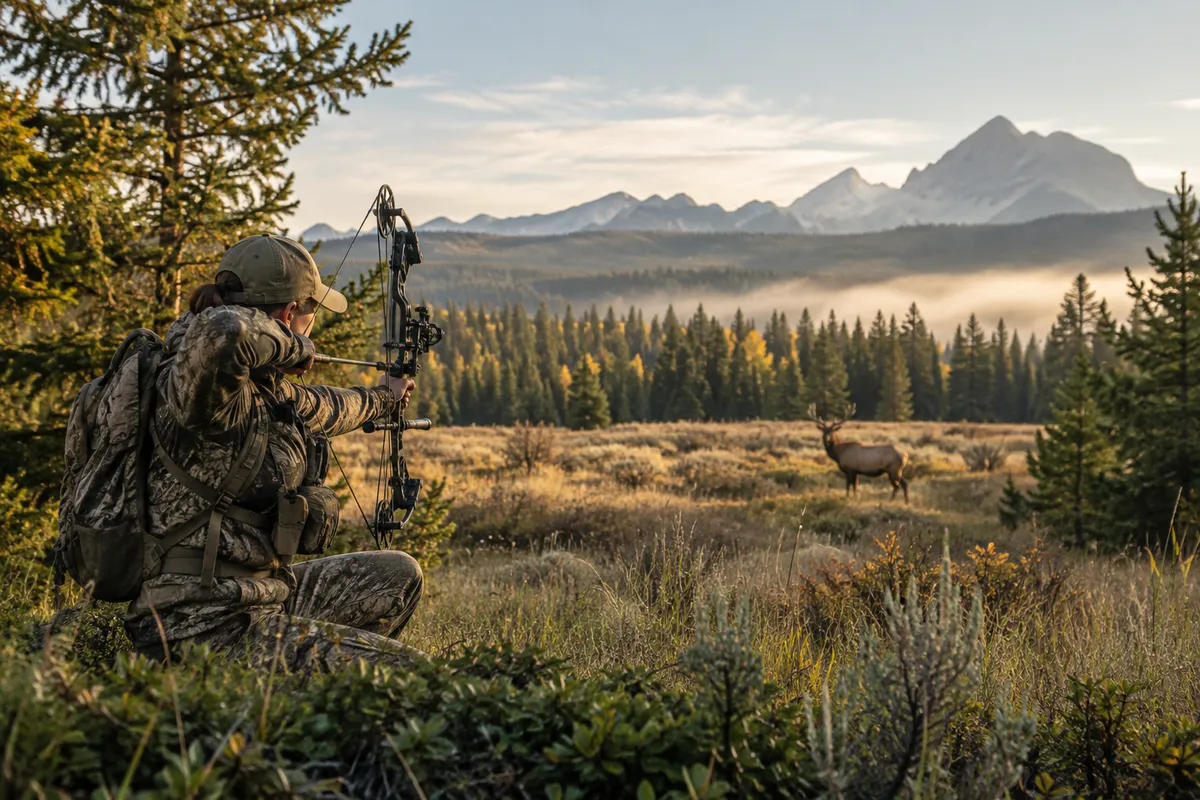
Archery offers more than the satisfaction of an arrow landing near the center. The benefits of archery can include focused attention, coordinated movement, time outdoors, and a structured way to practice patience. Those gains are not automatic: they depend on instruction, a bow that fits the archer, a safe range, and a willingness to progress gradually.
Archery is also not a shortcut to general fitness or a guarantee of mental-health improvement. It is a skill sport. Its value is best understood as a collection of practical, modest benefits that can grow through regular, responsible participation.
What can archery contribute to physical fitness?
Drawing and holding a bow asks the body to coordinate the shoulders, back, arms, hands, and trunk. Repeated practice can build familiarity with controlled movement and posture. The effort varies considerably with bow type, draw weight, session length, and the individual archer, so it should not be described as a universal strength-training program.
A session also involves walking to retrieve arrows when the range permits, standing, and repeating a consistent sequence. That can add light activity to a day, especially at an outdoor range. It is not a substitute for a balanced exercise routine, and beginners should avoid increasing volume or resistance abruptly.
Good coaching emphasizes comfortable alignment rather than forcing a position. Stop if practice causes sharp pain, numbness, or persistent discomfort, and seek qualified advice when needed. A bow that is too demanding can undermine technique and enjoyment; beginners should ask an instructor or reputable archery program for help choosing suitable equipment.
How does archery train concentration?
A shot involves several linked tasks: noticing the target and surroundings, settling into a repeatable stance, managing breathing, and following an instructor-approved shooting sequence. Attention has somewhere concrete to go. That makes archery a useful setting for practicing concentration, though it does not prove that the sport will improve focus in every part of life.
The feedback is immediate but not always simple. An arrow’s location reflects a combination of form, equipment, conditions, and the shot itself. Rather than treating every miss as failure, a learner can look for patterns over multiple arrows and make one small adjustment under supervision. That approach encourages observation over guesswork.
A simple practice note can help: record the date, distance set by the instructor, what felt consistent, and one question to ask next time. Avoid drawing conclusions from a single end or comparing beginners with experienced archers using different equipment.
Does archery help develop patience and confidence?
Progress often comes from repeating fundamentals, not from trying to force a perfect result. New archers learn that small improvements—consistent stance, safe handling, or a calmer release—matter even when scores vary. This can make practice feel rewarding without requiring competition.
Confidence should come from demonstrated safe habits and a realistic understanding of one’s skill, not bravado. A beginner who can follow range commands, maintain control, and recognize when to stop is building a stronger foundation than one chasing distance or speed. Families and groups can make the activity more inclusive by treating progress individually and keeping feedback specific and respectful.
Archery is not equally comfortable or accessible for everyone. Range access, equipment cost, physical ability, sensory needs, and local transport can all shape participation. Some clubs offer adaptive options or beginner sessions; ask directly about accessibility and instruction before visiting.
What outdoor benefits can beginners expect?
Outdoor practice gives people a reason to spend time in a managed setting and notice changing light, wind, and other conditions. These observations are part of learning the sport, but outdoor ranges still require strict boundaries and range procedures. Weather or wildlife can affect a session, and a range may close when conditions are unsafe.
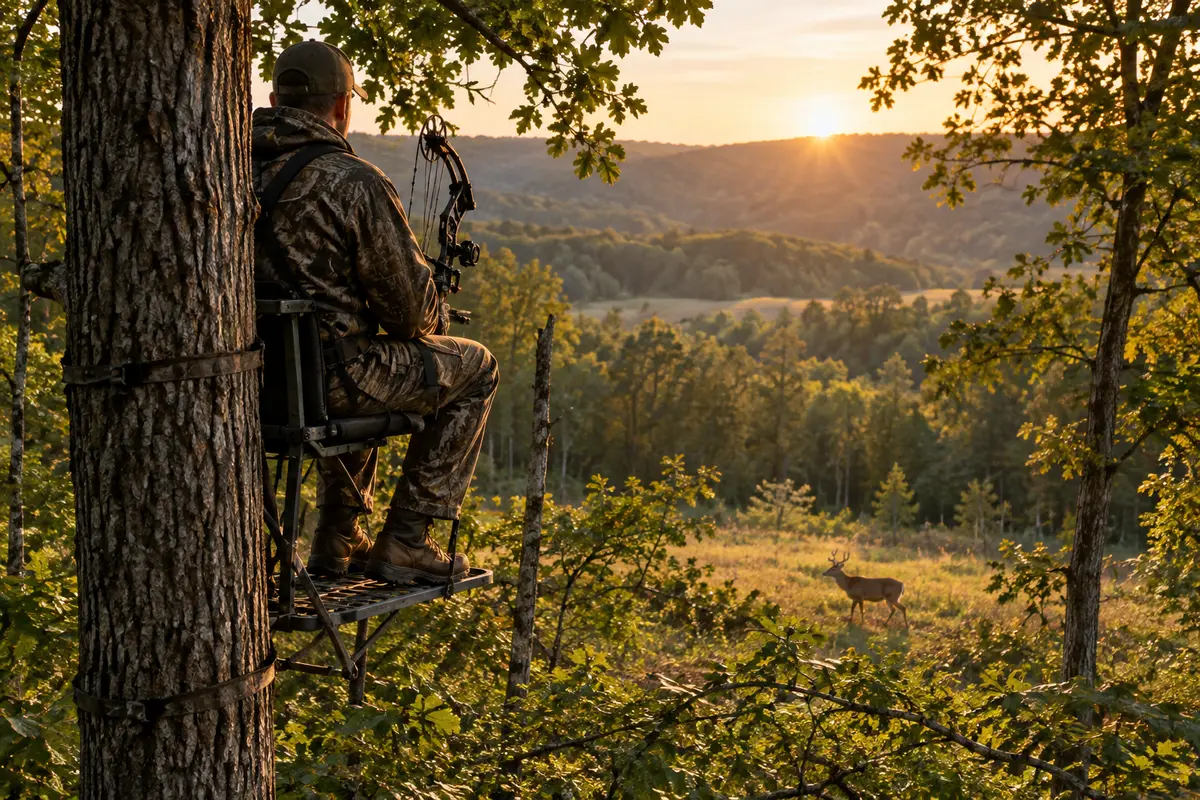
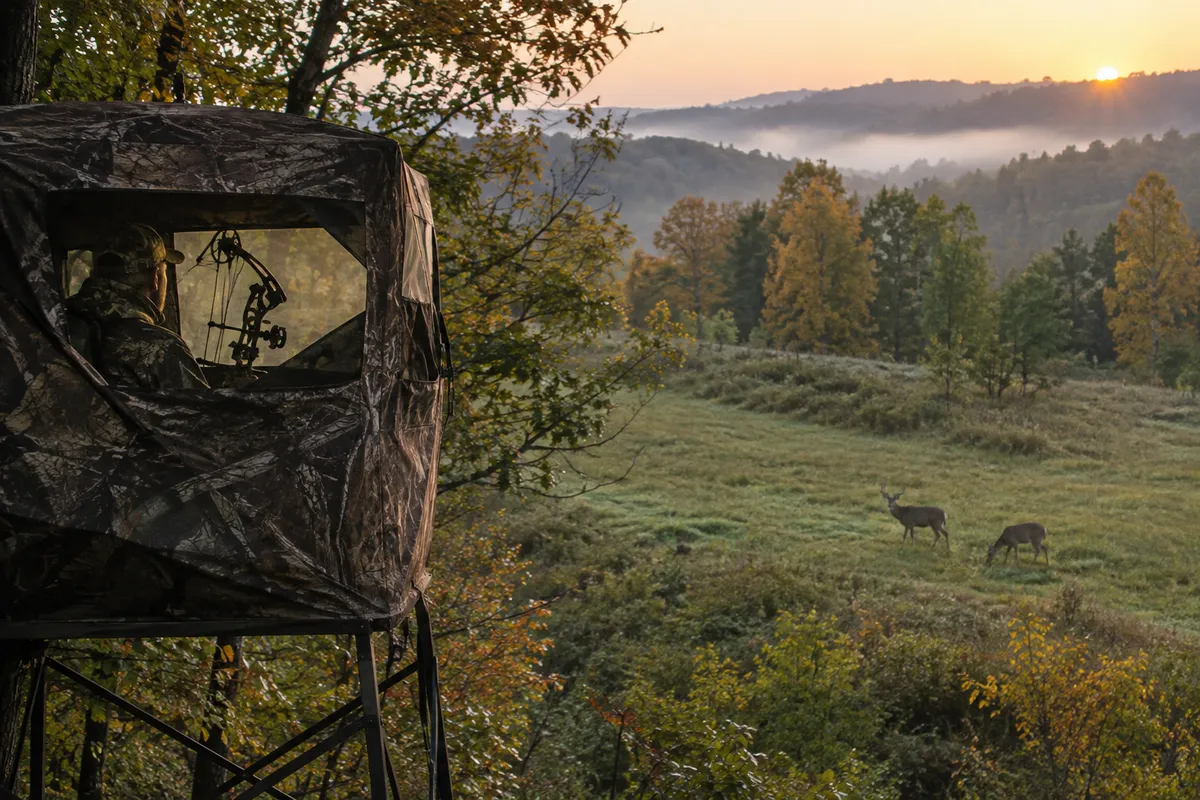
For a hunting archer, practice can support responsible preparation, but target practice alone does not establish hunting readiness. Ethical hunting also involves lawful seasons and methods, species identification, field judgment, and the ability to make a humane shot. Learn local requirements and consider qualified, in-person instruction. The archery hunting hub offers related context for readers exploring that side of the sport.
A beginner’s checklist for a safe, useful first session
| Before or during practice | What to do | Why it matters |
|---|---|---|
| Choose a setting | Start at a supervised archery range or beginner program | Staff can explain local commands, boundaries, and equipment procedures |
| Get a fit check | Ask an instructor to help select and adjust beginner-suitable equipment | Poor fit or excessive draw demand can make control harder |
| Learn the range routine | Follow the range officer’s commands; shoot and retrieve only when authorized | Everyone needs a clear, shared understanding of when the line is active |
| Set a modest goal | Focus on one repeatable safety or form habit | A process goal is more useful than demanding a particular score |
| End when needed | Stop for pain, fatigue, distraction, or unsafe conditions | Tiredness and discomfort can compromise control |
Never nock or draw an arrow except as directed at an approved range, with the target and safe backstop clearly in front of you. Keep the bow pointed only toward the designated target area, and follow the range’s rules for handling and retrieval. Store bows and arrows securely away from children or anyone who has not been trained.
How should you choose a first bow or class?
For most newcomers, the best first step is a lesson or introductory session rather than selecting equipment from a product description. An instructor can explain the differences among recurve, compound, and other bow types, assess fit, and show the local safety protocol. Avoid assuming that a stronger bow is better; manageable equipment supports learning.
Ask a club whether it supplies loaner gear, what clothing is appropriate, whether advance booking is needed, and what age or supervision rules apply. If you later compare equipment, use manufacturer information for current specifications and consult an experienced instructor about fit and maintenance. A legacy product name or old review may not reflect current availability or specifications.
Readers considering equipment can use our Blackout SS compound bow overview as a product-topic reference, and our Bloodsport arrows overview for a separate look at arrows and components. These pages are not a substitute for an in-person fit check or range instruction; confirm current details with the manufacturer.
What archery cannot promise
Archery does not guarantee weight loss, major cardiovascular conditioning, stress relief, or improved concentration outside practice. Results vary with the person, activity level, coaching, access, and how often they participate. It may be a poor fit for someone who cannot access a safe range or who does not enjoy repetition—and that is a perfectly valid reason to choose another activity.
The clearest benefits are the ones a participant can observe: learning to follow safety procedures, practicing coordinated movement, spending time in a structured setting, and working patiently toward a skill. Start with a qualified instructor, keep expectations modest, and let safety and enjoyment determine whether the sport belongs in your routine.
Frequently asked questions
Is archery good exercise for beginners?
It involves repeated, controlled movement and may include walking, but the effort varies. Treat it as a skill activity, not a replacement for a balanced fitness routine.
Can archery improve focus?
Practice gives attention a clear sequence of tasks, which can help participants practice concentration. It does not guarantee improved focus in other settings.
What should a beginner do before using a bow?
Take an introductory lesson at a supervised range, learn its commands and boundaries, and ask an instructor to help choose suitable equipment.
Is archery suitable for hunting preparation?
Target practice can be one part of preparation, but it does not replace knowledge of local laws, ethical field skills, species identification, or qualified instruction.
Sources & further information
Consult these primary sources for current regulations, technical information and local guidance.