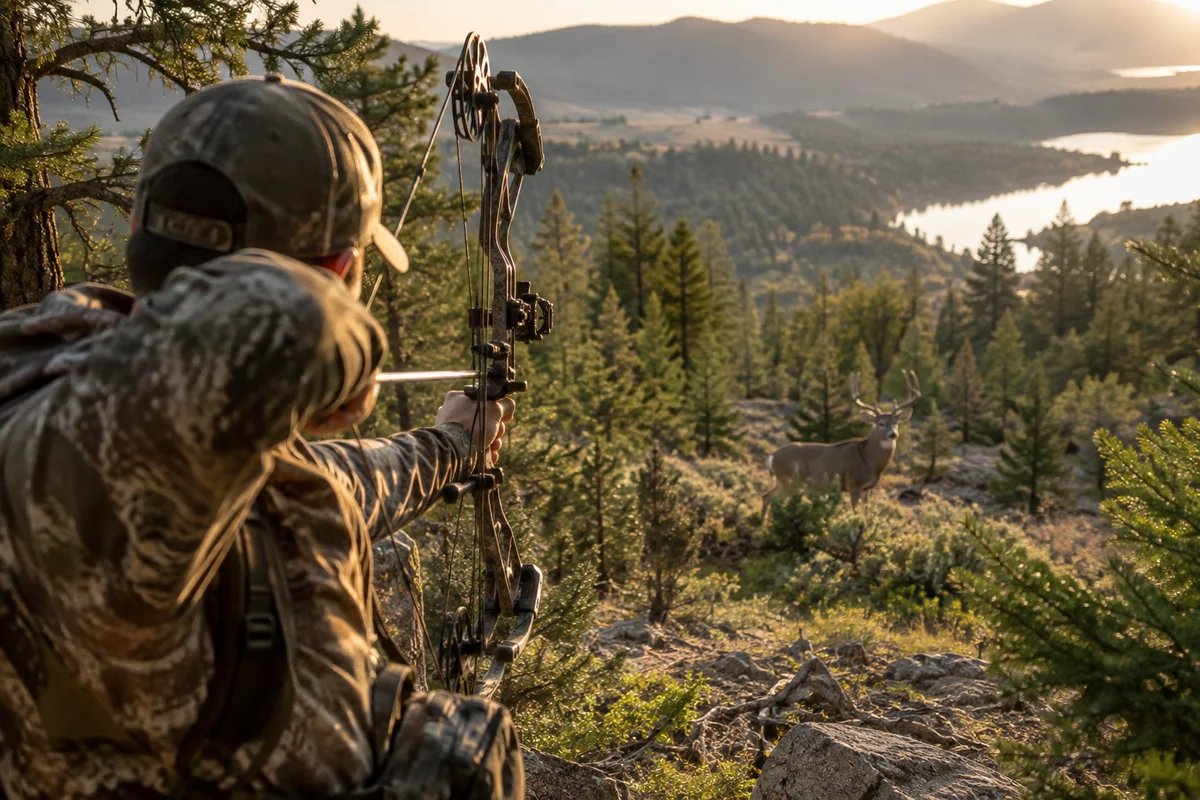
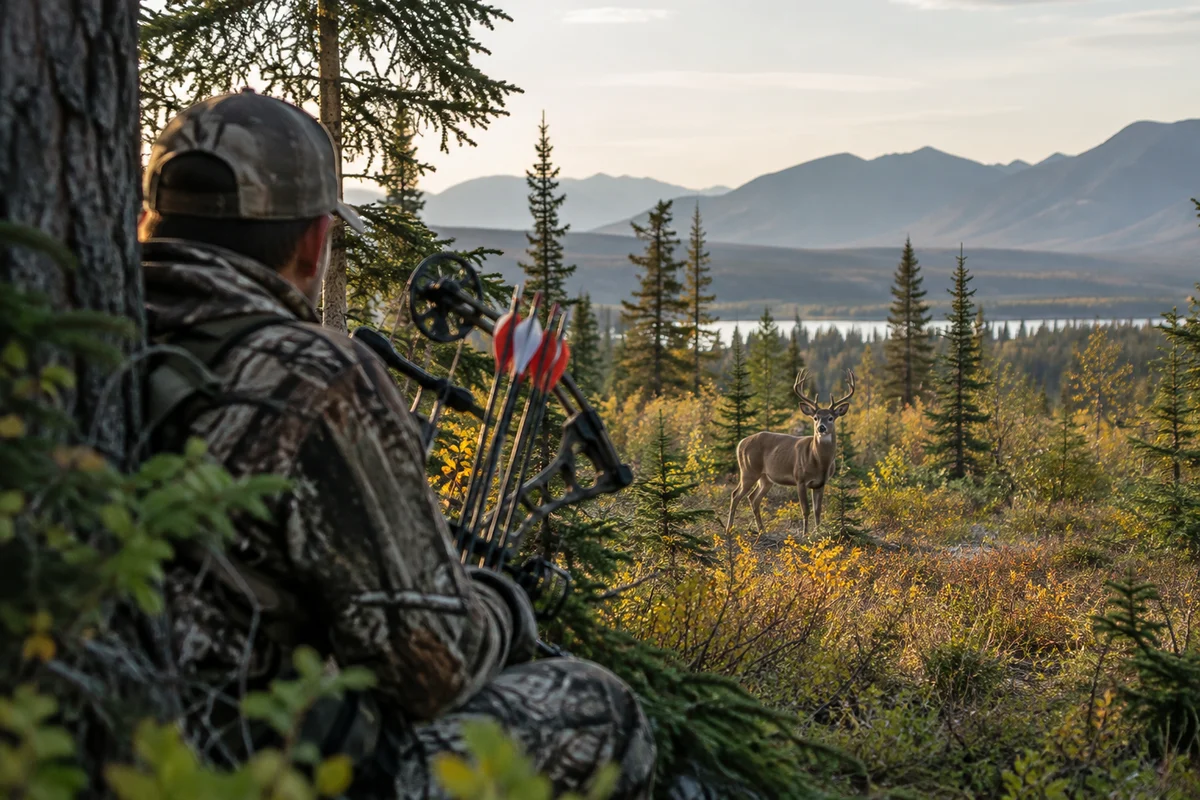
Beginner Bow Hunting Tips: Build Skills Before the Season
A steady first bow season begins with a safe, repeatable practice routine and a realistic plan—not expensive gear or rushed shots. Use this guide to build fundamentals, check local rules, and decide when conditions are right to hunt.
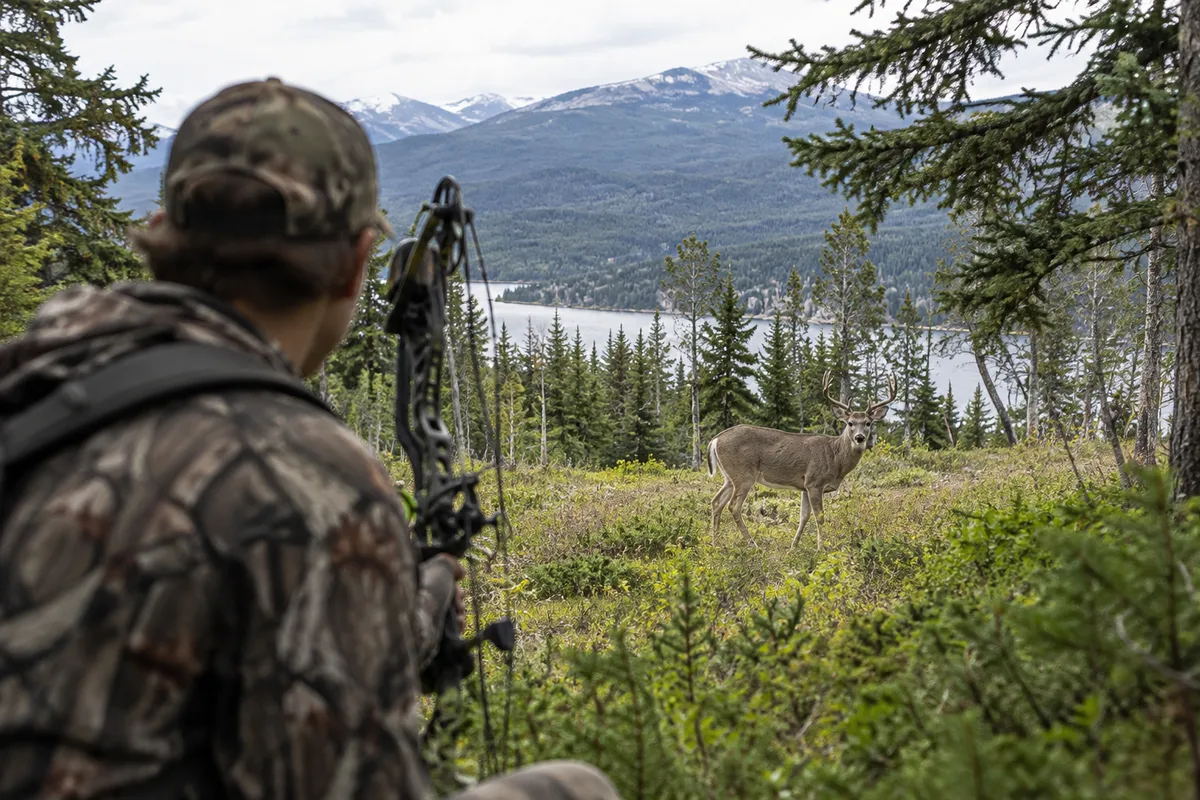
Starting with beginner bow hunting tips means building a repeatable process before you enter the woods: learn your equipment, practice safely, understand local regulations, and set conservative limits for a shot. Bowhunting can reward patience and careful observation, but it also asks you to get close to an animal and make a responsible decision under pressure. Preparation matters more than buying a particular model or trying to imitate an experienced hunter.
Start with a bow you can control
Choose equipment with help from a qualified archery shop or instructor, especially if you have never drawn a bow. The right fit lets you draw smoothly, anchor consistently, and reach a comfortable full draw without straining. A bow that is too heavy or poorly fitted can encourage inconsistent form and make practice unpleasant. Ask about safe draw weight for your ability, fit, maintenance, and whether the setup can be adjusted as your skills develop.
A compound bow and a traditional bow have different learning curves and equipment needs. Neither guarantees success. If you are considering a specific model or package, verify current specifications and availability with its manufacturer; older product information can be incomplete or outdated. Our overview of the Blackout SS compound bow can help explain what to look for in a package, but the best choice is the one you can operate safely and practice with consistently.
Have a professional check that arrows are appropriate for your bow and intended use. Arrow selection depends on the bow and its setup; do not guess based on appearance or a friend’s equipment. Keep broadheads covered and separate from routine practice gear, and follow the manufacturer’s handling guidance. Inspect equipment regularly for damage, and stop using anything questionable until a knowledgeable technician can assess it.
Make practice deliberate and safe
Practice at a properly designed range or another location where the backstop, shooting lane, and access are controlled. Confirm that no person or animal can enter the area, keep arrows pointed toward the target, and retrieve arrows only when the line is safe. Follow range rules and the equipment maker’s instructions. Never shoot toward an uncertain target or rely on a target alone to stop an arrow.
Begin at a manageable distance and focus on the same sequence each time: stance, grip, draw, anchor, sight picture, release, and follow-through. Record what you notice after each session, such as whether your anchor felt consistent or your bow arm moved. Increase distance only when your groups remain controlled and the range is appropriate. A tight group at a familiar range is more useful than occasional long shots that you cannot reproduce.
| Practice checkpoint | What to look for | If it is not consistent |
|---|---|---|
| Comfortable draw | Smooth motion without straining or leaning | Ask an instructor or shop to reassess fit and draw weight |
| Repeatable anchor | The same hand and reference points each shot | Slow down; use supervised form practice |
| Controlled groups | Arrows land predictably at a known distance | Shorten the distance and review technique |
| Safe range routine | Clear lane, sound backstop, and controlled retrieval | Stop until the range is safe and organized |
| Calm decision-making | You can pause or let down without rushing | Practice the decision process; do not hunt beyond your ability |
Consider taking a beginner class or working with a certified instructor. Feedback can identify a fit or form issue before it becomes a habit. For broader context on the activity, our article on the benefits of archery covers skills and experiences people may find rewarding, while keeping in mind that personal results vary.
Learn the rules before scouting
Hunting regulations are specific to location, species, season, and sometimes equipment. Check the current rules from your state or provincial wildlife agency before planning a hunt. Confirm license and tag requirements, legal hunting hours, permitted methods, public-land access rules, and any restrictions on broadheads or electronic equipment. Rules change, so an old article, forum post, or map should not substitute for current official guidance.
If you plan to hunt public land, learn its boundaries and access conditions from the responsible land manager. Ask permission before entering private property. Be sure you can identify your target and what lies beyond it, and learn any local requirements for hunter education or fluorescent clothing. A legal opportunity is not automatically a safe or ethical one; weather, visibility, other people, and your own readiness all matter.
Scouting can start with maps and observation from a distance. Look for habitat, trails, food sources, water, and signs of animal activity without assuming that one track or trail guarantees an encounter. Avoid disturbing wildlife and respect seasonal closures and sensitive areas. Think through how you would enter and leave quietly and safely, and where you can retrieve an animal without crossing hazardous terrain or trespassing.
Set a personal shot limit
A responsible shot is one you can make accurately under the actual conditions—not simply at a distance you have managed on a practice range. Decide in advance what conditions mean “no shot.” These may include an uncertain target, an obstructed path, poor light, an unstable position, wind or terrain that affects control, or an animal angle you have not practiced evaluating. If anything feels rushed, lower the bow and wait.
Practice from positions relevant to your hunt only where safe and permitted, and do so with instruction if needed. Hunting conditions add layers that a flat range does not: clothing can affect movement, a stand can change balance, and close encounters can raise stress. Do not assume that confidence at a target transfers perfectly to a live animal. A conservative limit protects both the animal and your own safety.
If using a tree stand, follow its manufacturer’s instructions and current safety guidance, including appropriate fall-protection equipment and safe access practices. Inspect the site and equipment before use; never climb or hunt from a stand that is unstable or damaged. Our Ameristep hang-on tree stand overview is a product-specific reference, not a substitute for current instructions, training, or local rules.
Prepare beyond the bow
A practical first-season plan includes suitable clothing, water, navigation, communication, first aid, and a way to handle changing weather. Tell someone where you plan to go and when you expect to return. Know how to mark your location and follow the land manager’s emergency procedures. Keep essential items accessible rather than buried in a pack, and avoid adding unfamiliar gear on the day of a hunt.
Learn what to do after a shot before hunting. Your local agency or a qualified hunter-education instructor can explain legal reporting requirements, recovery practices, and how to respond when the result is uncertain. If you cannot confidently identify what happened, pause and seek knowledgeable, lawful guidance rather than rushing. Follow all rules for tagging, transport, and reporting.
A simple readiness check
Before the season, ask yourself: Can I handle and inspect my bow safely? Can I make repeatable shots at a realistic distance under supervised practice conditions? Have I read the current regulations and confirmed access? Do I know my personal no-shot conditions and how I will get help if plans change? If any answer is no, use the remaining time to learn rather than forcing a hunt.
Bowhunting is a skill developed over time. A measured first season—perhaps one focused on scouting, practice, and learning the landscape—can be more valuable than an ambitious plan built around gear or a hoped-for result. Keep improving, follow official guidance, and make every shot decision with safety, legality, and respect for wildlife first.
For more, explore our archery hunting guides.
Frequently asked questions
How often should a beginner practice before bowhunting?
Practice regularly enough to develop consistent form, and assess progress by repeatable groups and safe handling rather than a fixed number of sessions. An instructor can help set a realistic plan.
What bow draw weight should a beginner use?
There is no universal beginner draw weight. It depends on fit, strength, experience, and equipment; ask a qualified archery professional to help select a comfortable setup.
Can I use a practice-range distance as my hunting distance?
Not automatically. Field positions, clothing, light, terrain, and stress differ. Set a conservative personal limit based on consistent practice and the actual conditions, and decline uncertain shots.
Where can I find current bowhunting regulations?
Check the official wildlife agency for the jurisdiction where you plan to hunt. Confirm current seasons, licenses, equipment rules, access requirements, and any reporting obligations.
Sources & further information
Consult these primary sources for current regulations, technical information and local guidance.