Cedar Arrows: Choosing, Tuning, and Caring for Wood Shafts
Cedar arrows pair a traditional look and feel with the natural variation of wood. This guide explains shaft selection, safe inspection, setup considerations, and care—while clarifying where modern consistency and professional help matter.
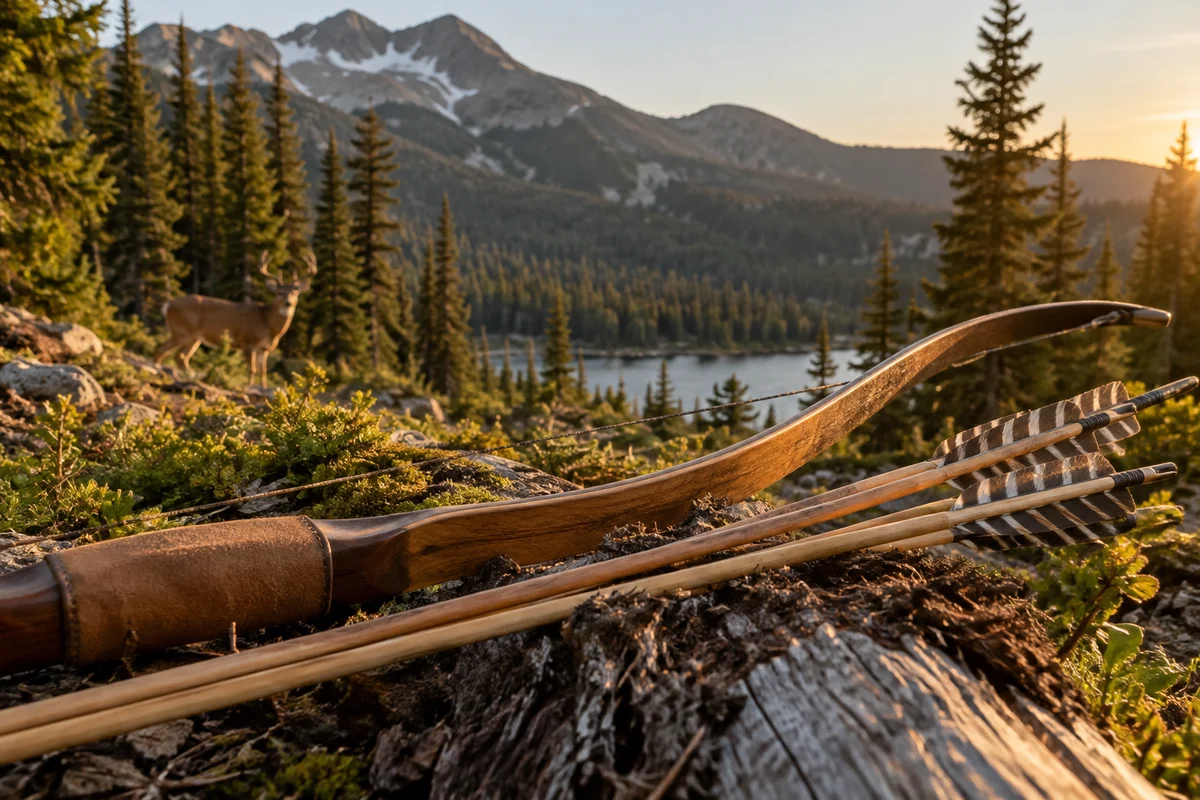
Cedar arrows remain a popular choice for archers drawn to the history, appearance, and distinctive feel of wooden equipment. Unlike uniform manufactured shafts, wood varies from piece to piece: grain, density, straightness, and finish all influence how a shaft behaves. That variation is part of the appeal, but it also means careful selection and regular inspection matter. Whether you shoot target rounds or are learning about traditional archery, understanding how cedar shafts are specified and maintained helps you make informed choices without assuming every wooden arrow performs alike.
What makes cedar arrows different?
“Cedar” in archery commonly refers to Port Orford cedar, a species valued for making arrow shafts. It is not the same as treating all cedar lumber as suitable for arrows: shaft makers select and process stock for dimensions, straightness, and other properties. Ask a supplier what species and grading system a product uses rather than relying on a generic label.
Wood arrows have a tactile, traditional character and can be finished in many ways. Their natural material also brings variability. Even two shafts sold to the same specification may not be identical in mass, spine behavior, or grain. That is why archers often purchase matched sets and verify the specifications and condition of each shaft rather than treating a dozen arrows as interchangeable by assumption.
Cedar is not automatically more accurate, more durable, or better for every bow than carbon, aluminum, or other materials. The right choice depends on the bow, the archer’s needs, local competition rules, and the willingness to inspect and maintain wood equipment. For foundational context, see our archery and hunting hub.
How to choose a cedar shaft
Start with the bow manufacturer’s guidance and, when possible, advice from a qualified archery shop or instructor. The shaft’s spine—the resistance of an arrow to bending under load—is a key compatibility factor. Bow type, draw weight, draw length, point mass, and the arrow’s overall configuration can all affect the required selection. A shaft that is too weak or too stiff for a setup may not fly as intended, and an unsuitable or damaged arrow can fail.
Use the shaft maker’s chart for the exact product line, and provide accurate information about your equipment. Do not select by appearance alone or copy another archer’s setup without checking the differences. If you are new to the sport, start with beginner bow-hunting tips for broader preparation and safety considerations; consult a local instructor before using equipment in the field.
| Check | What to confirm | Why it matters |
|---|---|---|
| Intended bow | Bow type and manufacturer guidance | Arrow compatibility is specific to the setup |
| Shaft specification | Spine category and shaft dimensions, as listed by maker | Similar-looking shafts may differ materially |
| Length | Measured using the maker’s and shop’s method | Length affects fit and safe clearance |
| Set matching | Similar mass and straightness across the set | Consistency supports repeatable practice |
| Components | Nock, point, and fletching suit the shaft and use | Loose or mismatched parts can affect function |
| Condition | No cracks, splits, crushing, or questionable repairs | Structural damage can create a safety hazard |
Specs and availability vary between makers and product runs. Verify the current product information rather than assuming a legacy description applies to a shaft now on sale.
Inspect wood arrows before shooting
Make inspection a routine, not an occasional task. Examine the full shaft in good light for cracks, splinters, dents, soft spots, or signs of impact damage. Check the nock and point for looseness, and look over the fletching for damage that could affect flight. Follow the manufacturer’s inspection instructions; if you cannot confidently assess a questionable shaft, set it aside and ask a knowledgeable archery professional.
Never shoot an arrow that is cracked, splintered, badly bent, or otherwise suspect. Do not attempt to make a damaged shaft safe with tape, glue, or an improvised repair. A shaft that has struck a hard object or been involved in an unusual impact deserves careful examination, even if the damage is not obvious. Keep arrows stored so they are not crushed, exposed to avoidable moisture, or left where people may step on them.
A simple pre-session checklist:
- Inspect each shaft from end to end, turning it to view all sides.
- Confirm nocks, points, and fletching are secure and serviceable.
- Separate questionable arrows from the shooting set; label or store them so they are not used by mistake.
- Use an appropriate target and backstop, and follow range rules.
- Never release an arrow unless the target area and the space beyond it are clear.
These precautions apply to every arrow material. For wood in particular, do not assume that a smooth finish guarantees sound structure.
Matching and tuning a set
A matched set is useful because it reduces avoidable variation, but “matched” can mean different things. Ask the seller how shafts are graded and what specifications are measured. Depending on the maker, matching may refer to weight, spine, straightness, or a combination. Keep the packaging or specification notes so you know what you bought.
Tuning is best approached methodically with an experienced coach or shop. Change one variable at a time and assess results in a controlled setting. Arrow flight can be influenced by the bow, release, point and fletching configuration, and the individual shaft. If a group behaves inconsistently, first inspect the arrows and confirm the setup is appropriate; do not assume every problem is solved by changing the bow or adding weight.
For hunting, equipment decisions also need to meet local regulations and the requirements of ethical, effective practice. Rules can specify legal equipment or methods and differ by jurisdiction and species. Check your state or provincial wildlife agency’s current rules, and practice only where lawful. A wooden arrow’s traditional appearance does not establish its legality or suitability for a particular hunt.
Care, storage, and practical limits
Store cedar shafts in a dry, stable environment and protect them from crushing, prolonged dampness, and extreme conditions. A quiver or case can help prevent accidental knocks during transport, but inspect arrows after travel or rough handling. Keep equipment out of reach of children and store it securely when not in use.
Wood can respond to environmental changes, and finishes may wear. Follow the shaft maker’s care recommendations; avoid applying coatings or making alterations that could conceal damage or change the arrow’s behavior. If you notice a shaft is no longer straight, or you are uncertain about its integrity, ask a qualified professional instead of trying to force it straight or repair it at home.
Cedar’s limitations are worth weighing. Natural variation may mean more sorting and maintenance than some archers want. A carefully selected wood set can be satisfying, but it does not remove the need for suitable tuning, consistent form, or safe range practice. Conversely, modern materials are not automatically maintenance-free: all arrows require inspection and responsible handling. If comparing wood with a specific manufactured option, consult that maker’s documentation; our overview of Bloodsport arrows and components offers a separate look at a modern product category, not a substitute for checking your own bow’s requirements.
A sensible decision framework
Choose cedar when you value a traditional material, can obtain shafts with specifications appropriate to your bow, and are willing to inspect and care for them. Consider another material if you prioritize a particular manufacturer-supported system, need a different level of consistency for your discipline, or cannot confidently maintain wood shafts. Neither choice is universal.
Before committing, ask the supplier what species the shafts use, how they are graded, what measurements are provided, and what inspection or care guidance applies. Ask a qualified instructor or shop to confirm compatibility with your bow. Then begin at a supervised range, follow all safety rules, and keep a damaged or questionable arrow out of use. That practical approach preserves the appeal of cedar while respecting the variability and risks of any archery equipment.
Frequently asked questions
Are cedar arrows suitable for every bow?
No. Compatibility depends on the bow and the arrow’s specifications, including spine and length. Use the shaft maker’s chart and seek advice from a qualified archery shop or instructor.
How can I tell if a cedar arrow is unsafe to shoot?
Look for cracks, splinters, dents, unusual bends, loose components, or impact damage. If you are uncertain about a shaft’s condition, do not shoot it; ask a knowledgeable professional.
Do cedar arrows need more care than carbon arrows?
Wood may require attention to storage conditions and natural variation, but every arrow material needs regular inspection. Follow the manufacturer’s care and safety guidance.
Are cedar arrows legal for hunting?
That depends on the location, species, and current regulations. Check the relevant wildlife agency’s rules and confirm the entire setup is lawful before hunting.
Sources & further information
Consult these primary sources for current regulations, technical information and local guidance.