Campfire Cooking Recipes for Safe, Flavorful Meals Outdoors
Good campfire meals depend less on elaborate gear than on managing heat, preparing ingredients, and choosing recipes that suit the fire. This guide offers adaptable meal ideas and a practical framework for cooking outdoors with care.
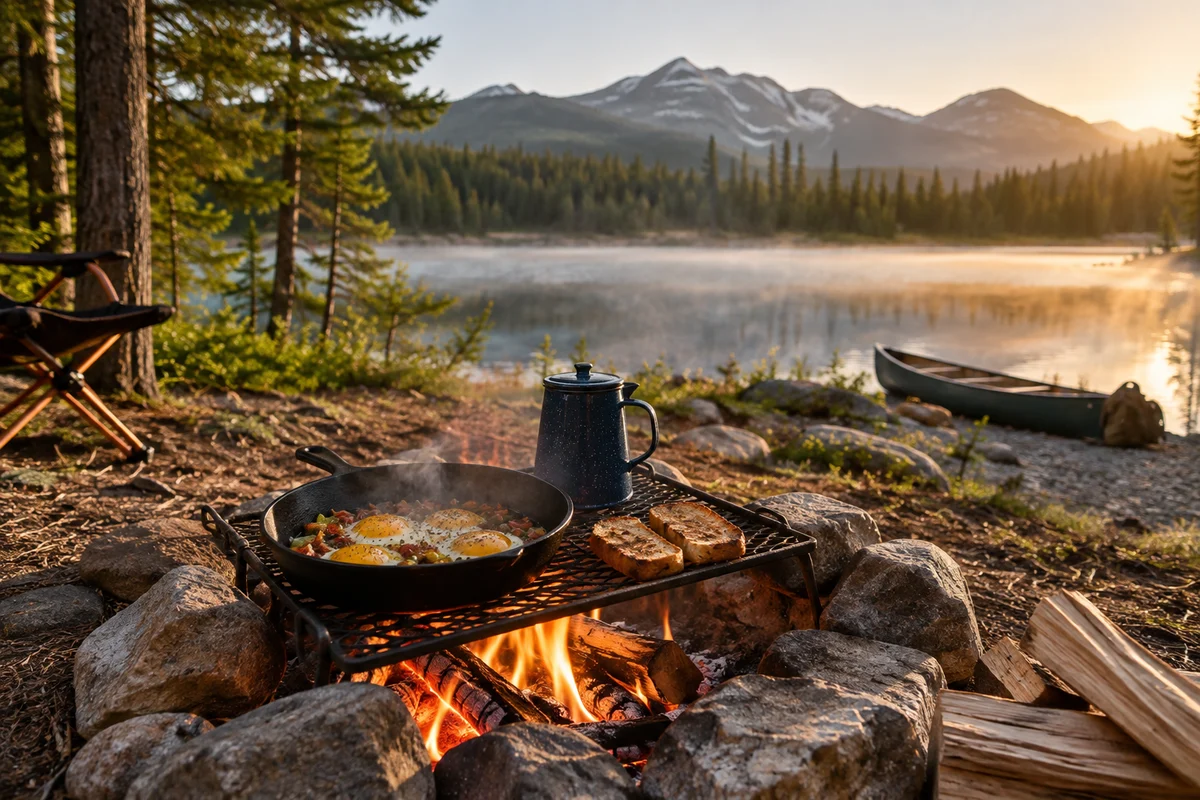
A campfire can turn a simple meal into the best part of a day outside, but cooking over open flame is not quite the same as using a kitchen range. These campfire cooking recipes are built around a useful principle: make a steady bed of coals, prepare ingredients before lighting the fire, and match each food to the heat it needs. The methods below are flexible rather than tied to a particular pan or brand of equipment, so they can work at a developed campsite or a permitted fire ring at home.
Before planning a menu, check current fire restrictions and the rules for your destination. Some places prohibit wood fires seasonally or require designated rings. Follow posted instructions, use only permitted firewood, and never leave a fire unattended. When conditions are dry or windy, choose a stove or cold meal instead.
Start with coals, not a towering flame
Flames are dramatic, but they are difficult to cook over consistently. A settled fire with a broad bed of glowing coals provides more even, adjustable heat. Build the fire only where permitted, in an established ring when available, and keep water and a shovel close by. Clear loose material from the immediate area as local guidance directs, and keep children and pets at a safe distance.
Give the fire time to burn down. Move a small portion of coals beneath a cooking grate or to one side of the ring to make a hotter zone and a gentler zone. The hot side is useful for browning; the cooler side gives food time to cook through without scorching. Add only small amounts of fuel as needed. A large fresh log can send up flames and smoke just when dinner is ready.
Use cookware intended for camp cooking and handle it as if every surface were hot. A long-handled tool, sturdy heat-resistant gloves, and a stable grate or tripod can make the work easier. Avoid glass cookware and do not place ordinary cookware over an open fire unless its manufacturer says it is suitable.
A simple campfire cooking plan
A little preparation makes open-fire cooking calmer and safer. At home, wash and cut produce, mix dry seasonings, and pack ingredients in sealed containers. Keep raw meat separate from ready-to-eat foods, and transport perishables in a well-insulated cooler with enough ice or cold packs to keep them cold. Bring a food thermometer when cooking meat or poultry; color alone is not a reliable doneness check.
| Meal idea | Useful setup | What to prepare ahead | Main cue |
|---|---|---|---|
| Foil-pack vegetables | Cooler coals or grate edge | Cut sturdy vegetables; pack oil and seasoning separately | Tender when pierced; open carefully to release steam |
| Skillet breakfast hash | Hot zone, then cooler edge | Dice potatoes and vegetables; keep eggs chilled | Brown in batches, then move pan off the hottest spot |
| Flatbread with beans | Skillet or grate | Pack cooked beans and toppings in separate containers | Warm filling gently; heat bread briefly |
| Fruit-and-oat crumble | Lidded oven-safe pan over steady coals | Mix oats, flour, and spices; keep fruit chilled | Fruit bubbles and topping browns without burning |
Cooking times vary with the fire, pan, wind, altitude, ingredient size, and starting temperature. Treat the cues as checks, not guarantees. Use a thermometer for foods that need a verified safe internal temperature, following current food-safety guidance for the specific food.
Four adaptable campfire cooking recipes
1. Foil-pack vegetables with herbs
For two generous servings, bring a couple of potatoes, a bell pepper, an onion, a handful of sturdy greens or sliced zucchini, a little oil, salt, pepper, and dried herbs. Cut the potatoes into small, even pieces so they cook at roughly the same rate as the other vegetables. Toss everything with oil and seasoning, then divide between two large sheets of heavy-duty foil. Fold the packets securely, leaving a little room inside for steam.
Set the packets on a grate over moderate coals, not directly in flames. Turn them with long-handled tongs during cooking. Open one packet carefully away from your face—the trapped steam can burn—and test the largest potato piece with a fork. If it is still firm, reseal and continue over gentler heat. Add tender greens near the end if you want them to retain their texture.
For a more complete meal, serve with cooked beans or bread. If adding raw meat, keep it separate from vegetables during preparation and ensure it reaches a safe temperature; separate packets and clean utensils help prevent cross-contamination.
2. Skillet breakfast hash
Use cooked potatoes for a faster breakfast, or dice raw potatoes small and allow extra time. Warm a lightly oiled, fire-safe skillet over moderate heat. Add potatoes in a single layer where possible, season, and let them brown before stirring. Add diced onion and pepper after the potatoes begin to soften. If the pan is too hot, slide it toward the edge of the grate rather than pouring in water or trying to work through smoke and scorching.
When the vegetables are tender, make spaces in the hash and add eggs if desired. Keep the pan on the cooler side and cover it with a suitable lid or foil until the eggs are cooked to your preference and safe handling requirements. A lid helps trap heat, but check often: a small campfire skillet can go from gently cooking to burned quickly. Serve with hot sauce or chopped herbs packed in a clean container.
3. Warm bean-and-cheese flatbreads
This quick meal is a good choice when the fire is already established. Pack cooked beans, grated cheese, tortillas or flatbreads, and optional toppings such as salsa or sliced scallions. Warm the beans in a small covered pot at the edge of the coals, stirring occasionally. Heat each flatbread briefly on a clean grate or dry skillet, turning once; do not leave it unattended, because thin breads char quickly.
Spoon beans and cheese onto the warm bread and fold. Add fresh toppings after cooking, using clean utensils. Keep cold toppings chilled until serving. For a smoky variation, stir a pinch of smoked paprika into the beans at home rather than relying on heavy smoke from the fire, which can make food bitter.
4. Lidded fruit-and-oat crumble
For a simple dessert, combine sliced apples, pears, or firm berries with a little sugar or honey, cinnamon, and a squeeze of lemon in a fire-safe lidded pan. In a separate container, mix rolled oats with flour, a pinch of salt, and enough oil or butter to make coarse crumbs. Scatter the topping over the fruit and cover.
Set the pan above a steady bed of coals or on a grate over moderate heat. If the top needs browning, add a few coals to the lid only if the cookware is specifically designed for that use and you can do so safely. Otherwise, cook covered until the fruit softens and bubbles at the edges, checking periodically. Rotate the pan for more even heat. Let it stand before serving; the filling and pan remain hot after leaving the fire.
Make the menu fit the conditions
Choose recipes by the time and attention you can give them, not just by appetite. Foil packets and covered pans are forgiving once positioned, but still need checking. A skillet needs more hands-on attention. If the wind is gusty, the fire ban status is uncertain, or the group is arriving late, switch to a camp stove where allowed or bring a meal that does not depend on an open flame.
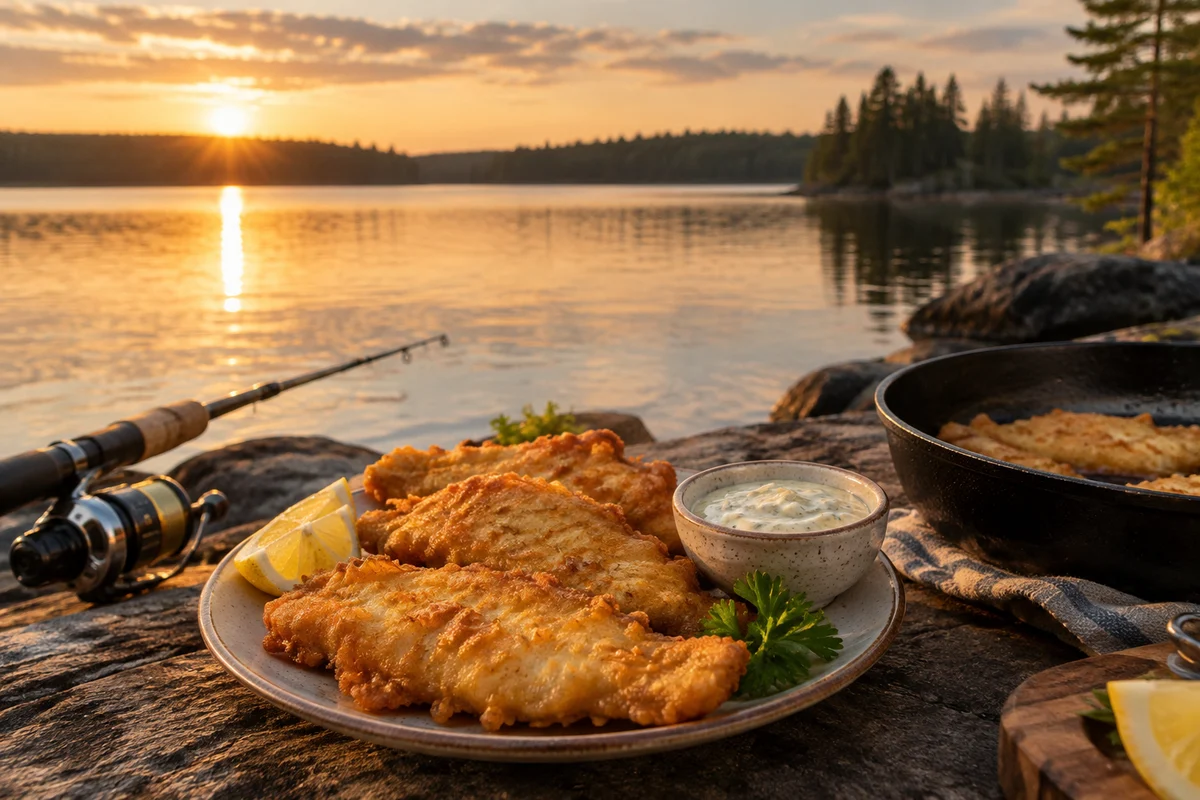
For more ways to plan outdoor food, explore our tips for smoking meat for a different low-and-slow cooking method, or try the beer batter walleye recipe as a fish-focused meal idea. The bison chili recipe is another make-ahead option that can be reheated in a suitable pot. These recipes are starting points; adapt ingredients to dietary needs and keep food temperatures under control.
Fire and food safety at camp
A responsible cook plans for the end of the meal, too. Keep the fire small and attended, and follow the site’s instructions for extinguishing it. Before leaving, make sure the fire is completely out and cold to the touch where local guidance requires that check. If water is the prescribed method, add it carefully, stir the ashes, and repeat until no heat or embers remain. Do not assume a fire is out because flames have disappeared.
Keep raw and cooked foods apart, wash hands before handling food, and clean surfaces and utensils after contact with raw ingredients. Use a thermometer and current food-safety recommendations for meat, poultry, and other higher-risk foods. Pack out foil, food scraps, and packaging rather than burning them; burning trash can create hazards and may be prohibited.
Campfire cooking rewards patience. Build the meal around steady coals, manageable portions, and recipes that tolerate a little variation. With a simple plan and careful attention to fire rules, even a skillet of vegetables or a warm flatbread can feel like a feast under the open sky.
For more, explore our huntchef fishing and hunting recipes guides.
Frequently asked questions
Are campfire cooking recipes safe during a fire ban?
Not necessarily. Rules differ by location and may prohibit wood fires even in established rings. Check current local restrictions and use an allowed stove or a no-cook meal when required.
Is it better to cook over flames or coals?
A settled bed of coals usually gives more even, controllable heat. Flames can flare and scorch food, so use them sparingly and keep cookware stable.
How do I know when campfire food is fully cooked?
Use recipe cues for vegetables and baked dishes, and use a food thermometer for meat and poultry. Cooking time varies with fire intensity, wind, cookware, and food size.
Can I burn food scraps or foil in a campfire?
No. Pack out scraps and packaging. Burning trash can create hazards, leave debris, and violate campsite rules.
Sources & further information
Consult these primary sources for current regulations, technical information and local guidance.