A Crisp, Golden Beer Batter Walleye Recipe for the Shore or Home
A light, cold beer batter and a steady frying temperature help walleye turn crisp outside and moist inside. Use this straightforward method at home or at camp, with clear cues for doneness and troubleshooting.
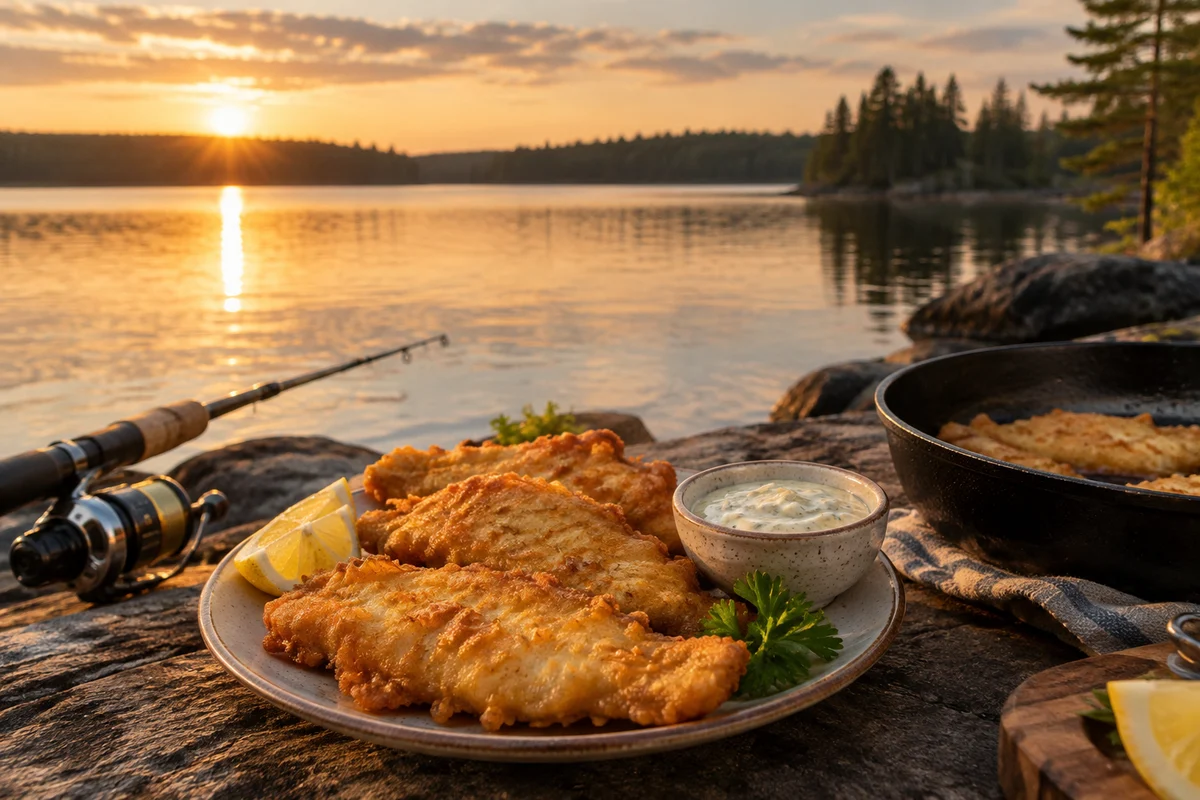
Walleye is mild, lean, and quick-cooking, so a beer batter walleye recipe should protect its delicate flakes without burying them in a thick crust. This version uses cold beer, a modest amount of seasoning, and a simple temperature check to produce a crisp coating and tender fish. You do not need a fryer: a heavy pot and a thermometer work well, provided you fry in small batches and keep the oil temperature steady.
The method is adaptable to fillets of different thicknesses. The most important variables are dry fish, cold batter, hot-but-not-smoking oil, and enough space in the pot. Read through the steps before starting; once the fish enters the oil, the cooking moves quickly.
Ingredients for beer-battered walleye
Makes about four servings, depending on fillet size and appetites.
- 1½ pounds boneless walleye fillets, cut into manageable portions
- 1 cup all-purpose flour, plus a little extra for dusting
- ½ cup cornstarch
- 1 teaspoon baking powder
- 1 teaspoon kosher salt, plus more to finish
- ½ teaspoon black pepper
- ½ teaspoon paprika, optional
- 1 large egg
- About 1 cup cold beer, added gradually
- Neutral high-heat frying oil, such as canola or peanut oil, enough for a safe depth in your pot
- Lemon wedges and chopped parsley, optional
A crisp, neutral lager is a reliable choice because it does not overwhelm the fish. Beer brands and styles vary, so use one whose flavor you enjoy; avoid assuming that a particular beer is required. For an alcohol-free alternative, cold sparkling water can provide some of the same lightness, although the flavor and browning will differ. Anyone avoiding gluten should choose suitable certified ingredients and take care about cross-contact.
Set up before you fry
Pat the fillets thoroughly dry with paper towels. Check for bones by running clean fingers gently over each piece and remove any you find with clean tweezers. Cut very large fillets into pieces of similar thickness so they cook at roughly the same rate. Keep raw fish refrigerated until you are ready to coat it, and wash hands, utensils, and surfaces after they contact raw fish.
Set a wire rack over a rimmed sheet pan for draining. A rack lets steam escape and keeps the undersides from turning soggy; paper towels work in a pinch, but they can trap steam. Put the flour, cornstarch, baking powder, salt, pepper, and optional paprika in a mixing bowl. Whisk the egg with about three-quarters of the cold beer in a second bowl, then pour the wet mixture into the dry ingredients. Stir just until no large pockets of dry flour remain. Add more beer a tablespoon at a time until the batter falls from a spoon in a thick ribbon.
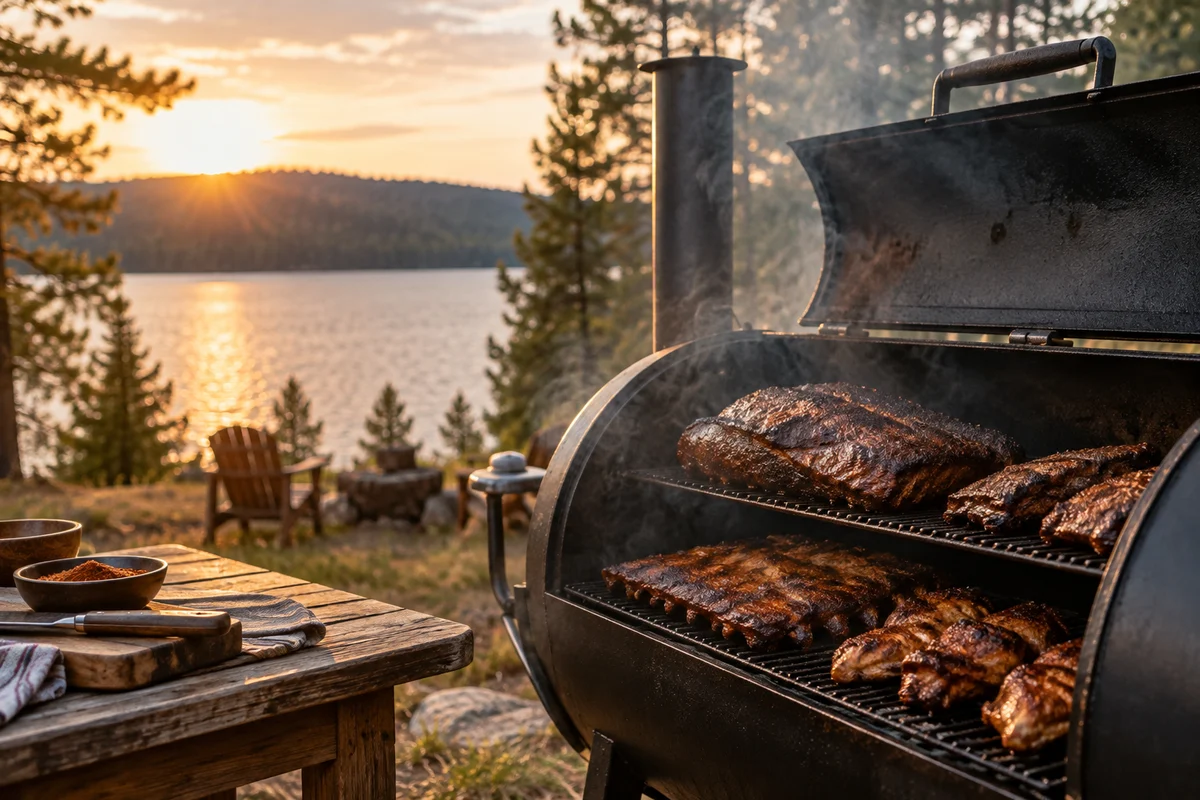
Small lumps are fine. Overmixing develops gluten and can make the coating heavier. Keep the batter cold while the oil heats. If you are planning a full fish supper, prepare sides and serving plates now; the fish is best served soon after frying. For another outdoor cooking idea, see our tips for smoking meat, which also emphasizes planning the cook before heat is applied.
Frying method: temperature, batches, and timing
Pour oil into a heavy, deep pot, following the pot maker’s guidance and leaving ample headroom to prevent bubbling oil from overflowing. Never fill a pot close to the rim. Heat the oil to 350°F (175°C) and monitor it with a thermometer. Keep children and pets away, use a stable burner, and never leave hot oil unattended. If oil smokes, turn off the heat and let it cool; do not add food or water to smoking oil.
While the oil heats, lightly dust the dry fillets with flour and shake off the excess. This thin layer helps the batter adhere. Dip each piece into the batter, let the excess drip back into the bowl, and lower it carefully into the oil away from you. Do not drop fish from a height. Fry a few pieces at a time, leaving room for them to move. Crowding cools the oil and tends to make the crust greasy.
Turn the pieces once if needed for even color. Thin portions may take only a few minutes; thicker pieces take longer. Use appearance as a cue, not the only test: the coating should be evenly golden, and the fish should be opaque and separate into flakes. For food safety, check the thickest portion with a food thermometer; the FDA recommends cooking finfish to 145°F (63°C). Transfer cooked pieces to the rack and season lightly while hot. Let the oil return to temperature before the next batch.
| What you notice | Likely cause | What to do next |
|---|---|---|
| Pale, soft coating | Oil temperature fell or the pot was crowded | Fry fewer pieces and let the oil recover to 350°F |
| Batter slides off | Fish was damp or the coating was too thick | Pat fish dry, dust lightly with flour, and let excess batter drip away |
| Dark crust before the fish is done | Oil is too hot or portions are too thick | Lower the heat; cut portions more evenly and verify doneness with a thermometer |
| Greasy result | Oil cooled substantially or fish sat in oil too long | Keep batches small, monitor temperature, and remove pieces when done |
Serving ideas and keeping the fish crisp
Serve the walleye promptly with lemon, a simple slaw, potatoes, or a green salad. A mild tartar sauce or a yogurt-based herb sauce complements the fish without masking it. Keep sauces on the side so the crisp coating stays intact. For a camp meal, work in small batches and serve each batch as it comes off the rack rather than stacking pieces in a covered container.
If you need to hold cooked portions briefly, place them in a single layer on a rack in a low oven, with space for air to circulate. Avoid covering them tightly: trapped steam softens the crust. Do not leave cooked fish at room temperature for extended periods; refrigerate leftovers promptly in a shallow covered container. Reheat gently in an oven or air fryer until hot, understanding that reheating may not restore the just-fried texture. Follow local food-safety guidance for storage and discard food that has been held unsafely.
This recipe is about a cooking method, not a claim that every walleye fillet behaves identically. Fillet thickness, starting temperature, cookware, burner output, and the oil’s recovery time all affect the result. Use the thermometer and visual cues together, and treat the safe internal temperature as the deciding doneness check.
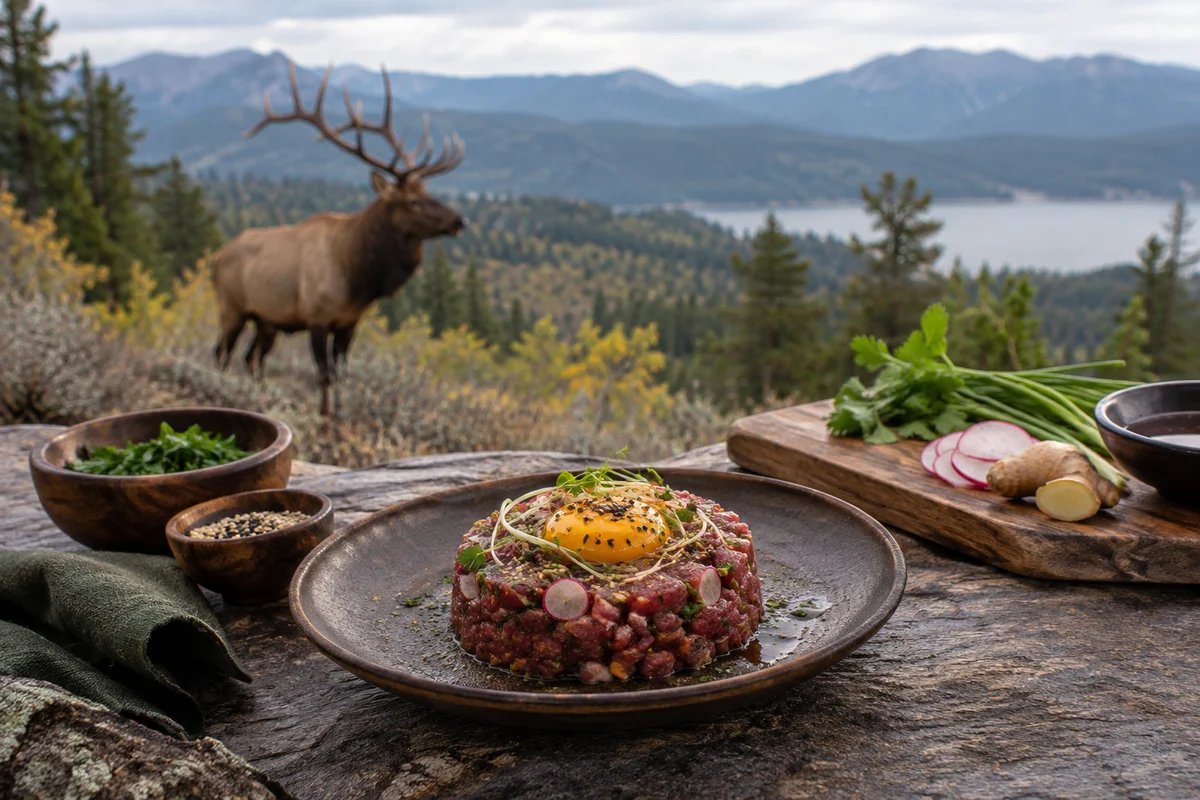
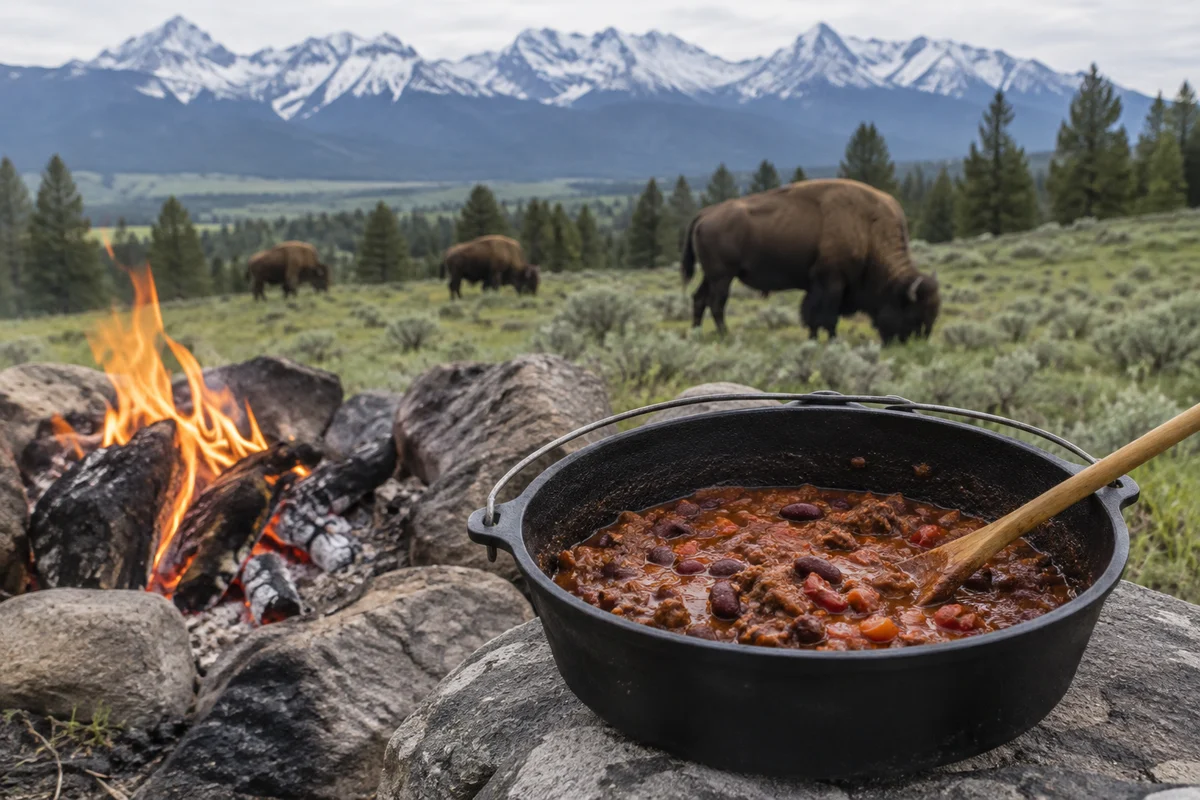
For a different wild-game flavor profile, try our bison chili recipe or read about an Asian elk tartare recipe. Those dishes use different techniques, but the same basic kitchen habits—clean handling, careful seasoning, and attention to temperature—help make a meal more dependable.
A short checklist for better batter
- Dry the fish well and keep it cold until coating.
- Use cold beer and mix only until combined.
- Dust each piece lightly before dipping; shake off excess flour.
- Hold oil near 350°F and avoid crowding the pot.
- Drain on a rack, season while hot, and serve soon.
- Confirm the thickest piece reaches 145°F for food safety.
When these details are in place, the batter stays light enough to let the walleye’s mild flavor come through. Adjust the amount of beer gradually rather than chasing an exact volume: the right consistency is thick enough to cling, but fluid enough to form a thin, even coat.
For more, explore our huntchef fishing and hunting recipes guides.
Frequently asked questions
What beer works best for beer-battered walleye?
A cold, crisp lager is a dependable option, but other beer styles can work. Choose a flavor you enjoy; no particular brand is necessary.
How do I keep beer batter from falling off walleye?
Pat the fillets very dry, dust them lightly with flour, shake off excess, and let extra batter drip away before carefully lowering each piece into the oil.
What temperature should the oil be for frying walleye?
Aim for about 350°F (175°C), checking with a thermometer and allowing the oil to recover between small batches.
How do I know fried walleye is done?
The fish should be opaque and flake easily, but use a food thermometer to confirm 145°F (63°C) in the thickest portion.
Sources & further information
Consult these primary sources for current regulations, technical information and local guidance.