Caramel Puff Corn Recipe: A Crisp, Buttery Snack
This caramel puff corn recipe coats airy corn puffs in buttery caramel, then bakes them low and slow for a crisp, snackable finish. Follow the timing and cooling tips for an even coating without scorching the sugar.
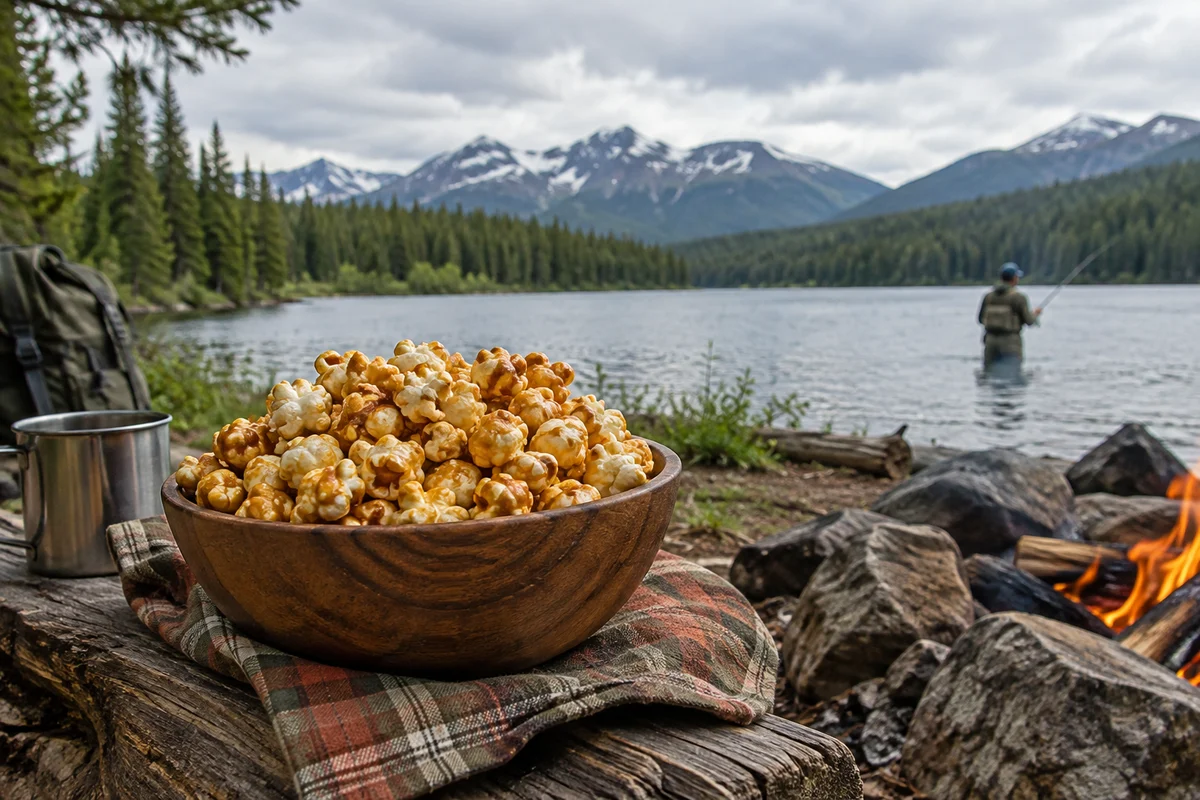
Caramel puff corn is a simple, shareable snack: airy corn puffs get coated in a buttery brown-sugar syrup, then baked until the coating turns dry and crisp. This caramel puff corn recipe uses a low oven and regular stirring to help the syrup reach the nooks in the puffs without turning into a hard, sticky mass. The key is to work promptly once the caramel is ready and spread the coated pieces out to cool.
The recipe is suited to a large roasting pan or two rimmed baking sheets. Because puffed corn is delicate, fold rather than crush it as you coat it. Keep children and pets away from the hot syrup; melted sugar can cause serious burns.
Ingredients and equipment
Makes about 10–12 cups, depending on the puff size and how much coating clings to the pieces.
- 10–12 cups plain corn puffs, sometimes labeled puff corn
- 1 cup packed light brown sugar
- ½ cup unsalted butter
- ¼ cup light corn syrup
- ½ teaspoon baking soda
- ½ teaspoon fine salt, or to taste
- 1 teaspoon vanilla extract, optional
Use a heavy saucepan with room for the syrup to foam, a heatproof spatula, and a large roasting pan or two rimmed baking sheets. A sheet of baking parchment makes cleanup easier. Check the puff-corn package for allergens and ingredients if serving a group; products and formulations vary.
How to make caramel puff corn
- Prepare the pans. Heat the oven to 250°F (120°C). Line the roasting pan or baking sheets with parchment. Put the corn puffs in a very large heatproof bowl, or directly into the roasting pan if it gives you room to turn them gently.
- Melt the syrup ingredients. Add the brown sugar, butter, corn syrup, and salt to the saucepan. Warm over medium heat, stirring until the butter melts and the sugar mixture looks evenly moistened. Bring it to a steady boil, then let it bubble for about 4–5 minutes without stirring. If using a thermometer, aim for roughly 240°F (116°C); stove strength, pan size, and humidity can affect the result, so use the texture and appearance as guides rather than relying on a single number.
- Add the leavener carefully. Remove the saucepan from the heat. Stir in the baking soda; the caramel will foam and expand. When the bubbling settles slightly, stir in the vanilla if using. Keep your face and hands back from the pan.
- Coat the puffs. Pour the syrup over the corn puffs in a thin stream while folding with a heatproof spatula. Turn the mixture from the bottom up until most pieces have a light coating. A few bare spots are preferable to crushing the puffs while chasing perfect coverage.
- Bake and stir. Spread the mixture in an even layer. Bake for 45–60 minutes, stirring gently every 15 minutes and rotating pans if your oven browns unevenly. The coating should look less wet and feel set once a small cooled piece is crisp. If it remains tacky after the first 45 minutes, continue in 5–10 minute increments.
- Cool completely. Transfer the puffs to parchment in a single layer. Separate larger clusters while they are still warm but no longer dangerously hot. Let them cool fully before storing; trapped warmth creates condensation and softens the coating.
Timing and texture guide
The exact bake time depends on the puff size, the thickness of the syrup layer, and how evenly the oven holds a low temperature. Use this framework rather than treating the clock as a guarantee.
| What you notice | What it may mean | What to do |
|---|---|---|
| Syrup foams as baking soda is stirred in | The leavener is aerating the hot mixture | Stir carefully and pour promptly |
| Puffs look shiny after coating | The syrup is still wet | Bake and stir gently; avoid raising the oven temperature to rush it |
| A cooled test piece is crisp | Moisture has cooked off sufficiently | Remove the pan and cool the batch completely |
| The coating is darkening quickly | The oven may run hot or the pan may be near a heating element | Lower the temperature slightly and check more often |
| Cooled pieces are sticky | They may need more drying, or humidity may be high | Return them to a low oven briefly, then cool in a dry place |
Hot caramel is not safe to taste-test. To check doneness, let one piece cool fully before sampling it. Oven thermometers can help identify temperature variation, but the batch’s cooled texture is the practical final check.
Why add baking soda?
Baking soda reacts with the acidic ingredients in the syrup and releases gas, making the caramel foam. That aeration can help create a lighter coating that is easier to distribute over the puffs. The foaming is expected, so choose a saucepan with generous headroom. Do not lean over the pan, and do not add water to hot caramel.
Flavor variations and serving ideas
Keep the base recipe straightforward, then change one element at a time. A small amount of cinnamon can add warmth; add it to the dry sugar before heating. For a sweet-and-salty version, use the listed salt in the caramel and sprinkle a little extra over the coated puffs before baking. Finely grated citrus zest can be folded in after baking, once the puffs have cooled, though fresh zest may shorten storage time.
For a mild spicy note, use a pinch of ground cayenne or smoked paprika. Start sparingly: seasoning is more noticeable when it is distributed through a large batch. Avoid adding liquid flavorings beyond the optional vanilla, because extra moisture can affect the coating’s texture.
Caramel puff corn works in a snack bowl alongside savory foods, or as a packable treat for a day outdoors. If you are planning a broader camp menu, see our practical tips for smoking meat for another make-ahead food idea. For a cooked fish dinner, the beer batter walleye recipe offers a different kind of crowd-friendly meal. The bison chili recipe is another hearty option when the weather calls for something warm.
Common problems and fixes
The caramel turns grainy. Sugar crystals can form if sugar clings to the sides of the pan or if the mixture is stirred after it begins boiling. Before the boil, stir until the sugar is moistened and dissolved; after it reaches a steady boil, leave it alone. A clean, damp pastry brush can wash stray sugar crystals from the inside of the pan, but keep water out of the syrup.
Some pieces are coated and others are bare. The syrup may have cooled before it was distributed, or the bowl may be too small for effective folding. Use a larger vessel, pour in a thin stream, and turn the puffs gently from the bottom. Slightly uneven coverage is normal with delicate pieces.
The finished snack is chewy. It may need additional low-temperature drying, or it may have been stored before fully cool. Return it to a 250°F oven for a short interval, stir, and check a cooled piece. In a humid kitchen, let the batch cool in a dry room and store it promptly in an airtight container.
The coating tastes bitter. Caramel can scorch if heated too aggressively or baked too long. Use medium heat for the syrup and a low oven for drying. If the syrup smells burnt or turns very dark, it is better to discard it than attempt to mask the flavor.
Storage and food-safety notes
Once completely cool, store the snack in an airtight container at room temperature. Keep it away from sunlight, heat, and damp air. The exact crispness window depends on the recipe’s final moisture, the container seal, and local humidity; check the texture before serving rather than assuming a fixed shelf life. Discard it if it develops an unusual odor, visible mold, or other signs of spoilage.
When making food for a group, label ingredients and keep the snack separate from foods that may trigger allergies. Corn puffs, butter substitutes, and flavorings vary by brand. For more outdoor cooking inspiration, visit the Huntchef fishing and hunting recipes hub, where recipes can help shape a menu around the outing.
Frequently asked questions
Is puff corn the same as popcorn?
No. Puff corn is an extruded corn snack with a light, airy structure, while popcorn is a popped whole kernel. They behave differently under a coating, so use plain puff corn for this method.
Can I make caramel puff corn without corn syrup?
Corn syrup helps limit crystallization and gives the coating a smooth consistency. Substitutions can change the texture and reliability; if you use one, follow a tested caramel recipe designed for that substitute rather than assuming a direct swap will work.
How do I keep caramel puff corn crisp?
Bake it gently until a cooled test piece is crisp, cool the full batch completely, and store it airtight in a dry place. Moisture and humidity are common causes of a soft coating.
Can I use salted butter?
Yes, but reduce or omit the added salt, then taste a cooled piece before adjusting the next batch. Salt levels vary among butter brands.
Why did my caramel puff corn stick together?
The pieces may have been crowded, not stirred during baking, or packed away while warm. Spread them out, stir gently at intervals, and separate large clusters as they cool.
Frequently asked questions
Is puff corn the same as popcorn?
No. Puff corn is an extruded corn snack with a light, airy structure, while popcorn is a popped whole kernel. They behave differently under a coating, so use plain puff corn for this method.
Can I make caramel puff corn without corn syrup?
Corn syrup helps limit crystallization and gives the coating a smooth consistency. Substitutions can change the texture and reliability; use a tested caramel recipe designed for the substitute.
How do I keep caramel puff corn crisp?
Bake until a cooled test piece is crisp, cool the full batch completely, and store it airtight in a dry place. Moisture and humidity can soften the coating.
Can I use salted butter?
Yes. Reduce or omit the added salt, then taste a cooled piece before adjusting a later batch. Salt levels vary among butter brands.
Why did my caramel puff corn stick together?
The pieces may have been crowded, not stirred during baking, or stored while warm. Spread them out, stir gently, and separate large clusters as they cool.
Sources & further information
Consult these primary sources for current regulations, technical information and local guidance.