8 Easy Tips for Smoking Meat with Better Flavor
A dependable smoke comes from steady heat, clean-burning fuel, patient timing and careful food-safety checks. These practical tips help you adapt to your smoker and the cut in front of you.
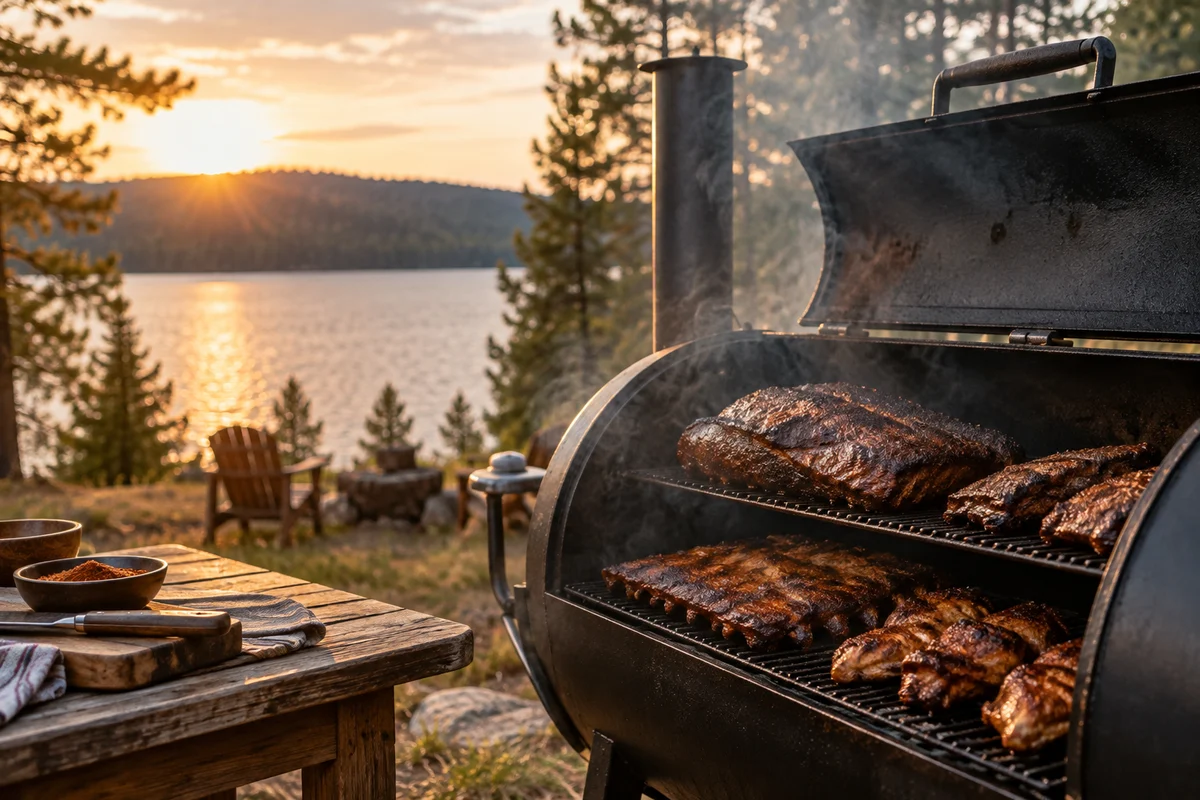
Smoking meat is less about secret tricks than controlling a few variables. These tips for smoking meat focus on clean smoke, stable cooking conditions and safe handling—habits that help whether you use a charcoal kettle, pellet cooker, offset smoker or another outdoor setup. No recipe can promise the same timing on every cooker: weather, fuel, cut shape and starting temperature all matter.
1. Choose a cut that suits a long cook
Large, relatively forgiving cuts such as pork shoulder or beef brisket are common choices for low-and-slow cooking because connective tissue softens over time. Ribs and poultry can also be smoked, but their smaller size means they may finish sooner and need closer attention. For a first attempt, select a cut that fits your cooker with room for air to move around it. Follow a tested recipe for the particular cut and size rather than applying one schedule to everything.
Trim loose pieces that could burn, but avoid removing all the fat from a cut that benefits from it. Season simply at first: salt, pepper and a dry rub can make it easier to learn how your fuel and wood affect flavor. Keep raw meat chilled until it is time to prepare it, and wash hands and surfaces after handling it.
2. Set up for indirect heat
Smoking typically uses indirect heat: the meat sits away from the hottest fuel, while hot air and smoke circulate through the cooking chamber. Arrange fuel and a drip pan according to the cooker maker’s instructions. Leave clear space around the food, and avoid blocking vents or airflow paths.
A water pan can help moderate temperature swings in some cookers, but it is not essential for every design. Use only accessories intended for your appliance, and do not place a vessel where it could destabilize the cooker or obstruct safe operation. If you are learning a new smoker, read its manual before lighting it.
3. Aim for clean, light smoke
More smoke is not always better. Wood that smolders poorly can produce thick, acrid smoke and bitter flavors. Use dry, appropriately sized wood intended for cooking; avoid painted, treated or unknown wood. Start with a modest amount and adjust after tasting the result. Wood species and intensity vary, so there is no universal amount that suits every smoker or cut.
A useful visual cue is thin, faint smoke rather than a dense plume, though airflow and fuel type affect what you see. Keep the fire supplied with the air the cooker requires. Never burn wood or charcoal indoors, in a garage, or in another enclosed space: combustion can create deadly carbon monoxide.
4. Trust a thermometer, not the lid gauge alone
Built-in gauges can be useful for trends, but their readings may not match conditions near the cooking grate. Place a reliable ambient-temperature probe near the food without touching metal, and use a separate food thermometer to check the meat. Verify thermometers periodically according to their instructions.
Cooker temperature is a control target, not a guarantee of doneness. Follow food-safety guidance for the meat and preparation method, and check more than one spot in thick portions. The U.S. Department of Agriculture’s food-safety resources provide minimum internal temperature guidance; whole cuts, ground meat and poultry do not all share the same standard.
5. Make small, deliberate adjustments
Temperature changes take time to travel through a cooker. When heat drifts, first check fuel, airflow, the lid seal and outside conditions. Make one modest adjustment, then wait long enough to see its effect. Repeatedly opening the lid releases heat and smoke, extending the cook and making conditions less steady.
| What you notice | First thing to check | Sensible response |
|---|---|---|
| Temperature falling | Fuel supply and airflow | Replenish or adjust only as the cooker manual directs |
| Temperature climbing | Vent position and direct heat | Reduce heat gradually; avoid choking a fire in a way that creates heavy smoke |
| Bitter, heavy smoke | Wood condition and combustion | Improve clean airflow and use less wood next time |
| Uneven cooking | Food placement and hot spots | Rotate only if needed, using heat-safe tools |
These are diagnostic prompts, not exact settings. Different cooker designs respond differently, so rely on the manufacturer’s operating guidance.
6. Give the meat time, but plan around tenderness
Smoking is not a stopwatch exercise. Two cuts of the same nominal weight can finish at different times because thickness, fat, bone and cooker conditions vary. Use a recipe’s estimated time for planning, not as proof that the food is ready. Check tenderness and safe internal temperature with an appropriate thermometer, following reliable guidance for the specific meat.
Some cooks wrap meat during part of a long cook to manage surface moisture or speed progress. Wrapping changes the texture of the exterior and is a preference, not a requirement. If trying it, use food-safe materials and handle hot meat carefully. For more outdoor cooking ideas, browse the Huntchef fishing and hunting recipes hub.
7. Rest and serve safely
Resting can make a large cut easier to slice and gives its temperature and juices time to settle. Keep food out of the temperature danger zone: do not leave cooked meat sitting at room temperature for an extended period. USDA guidance explains safe holding, cooling and storage; refrigerate leftovers promptly in shallow containers and reheat them safely.
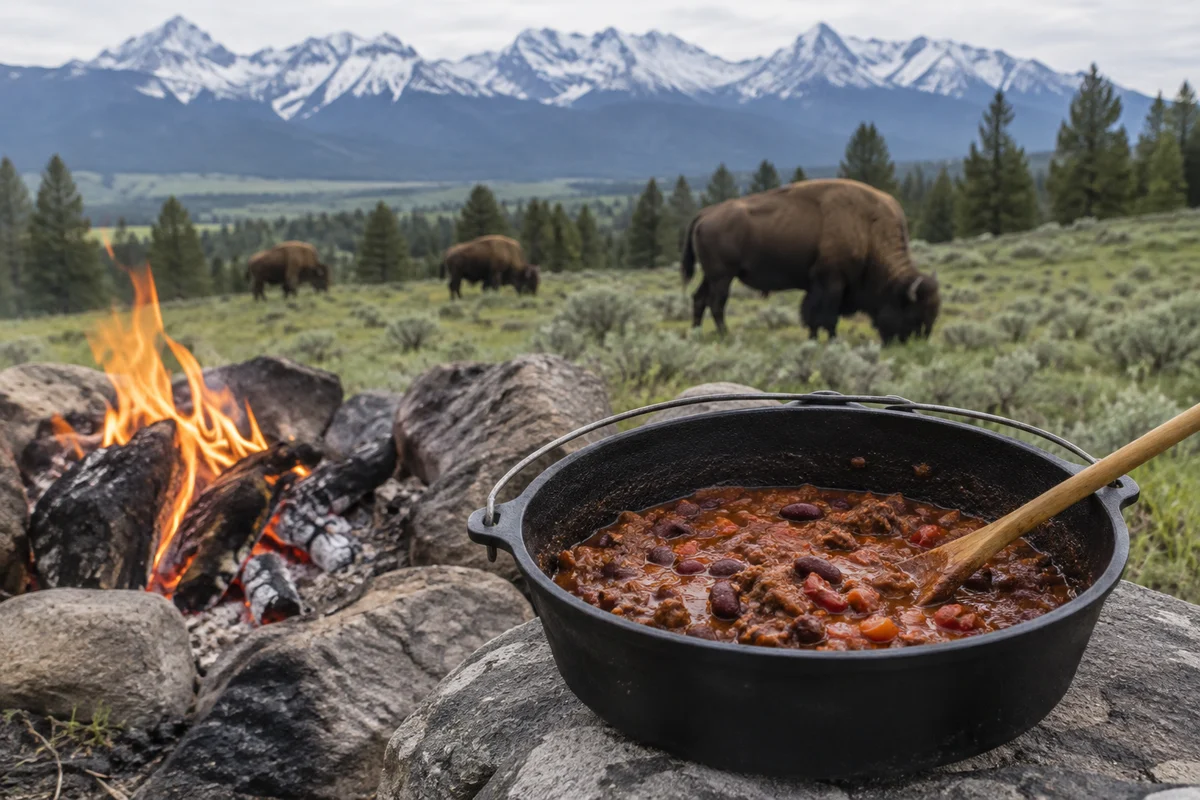
Use clean serving tools and a clean board rather than reusing utensils or plates that touched raw meat. If you are serving outside, protect food from insects and keep hot and cold items at safe temperatures. Pair the meal with a simple side, such as the make-ahead bison chili recipe, while keeping its own storage and reheating needs in mind.
8. Keep notes and change one variable at a time
Write down the cut, approximate size, cooker setup, fuel and wood, weather, temperature readings, and when you checked doneness. Record what you liked about the bark, smoke intensity and tenderness. On the next cook, change one thing—perhaps less wood or a different placement—so you can tell what made a difference.
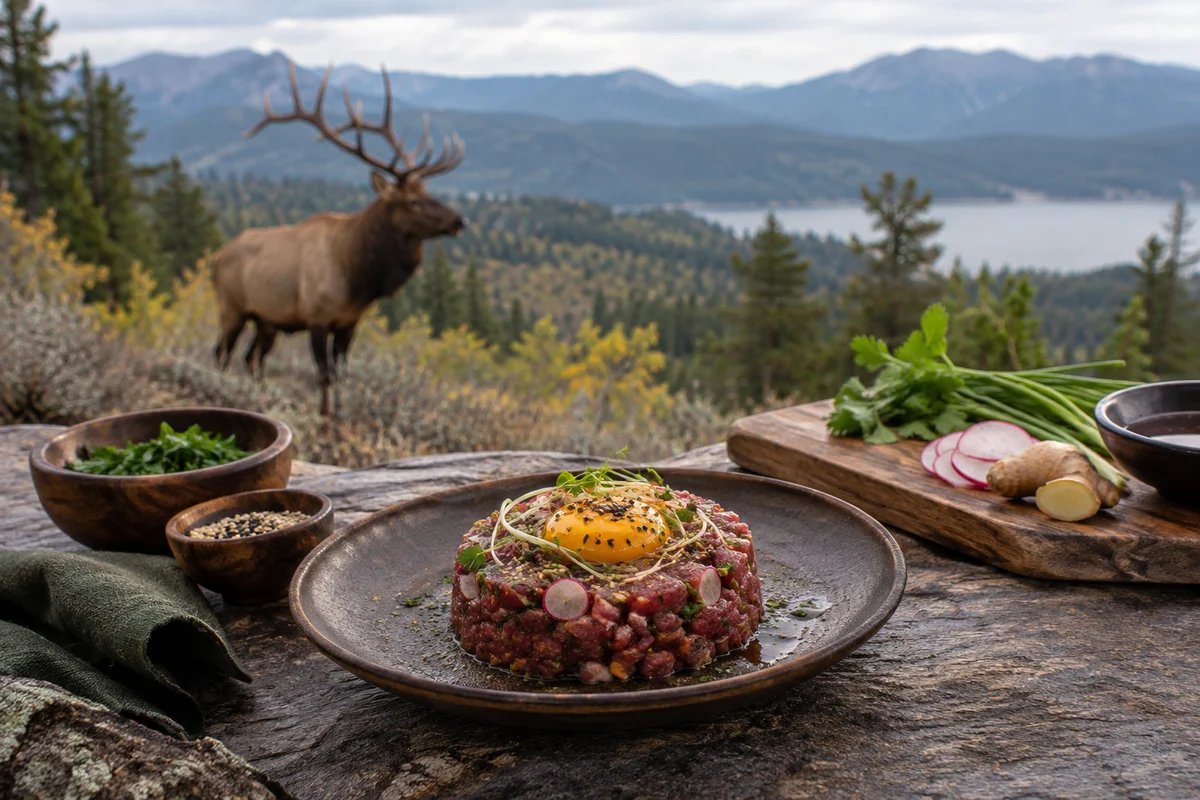
This method is more useful than copying an exact schedule from another cooker. You can also compare flavor choices with other outdoor-food preparations, such as Asian elk tartare, while remembering that raw or undercooked dishes require particular attention to sourcing and food-safety advice.
A practical first-cook checklist
- Read the smoker manual and set up outdoors, well away from enclosed spaces.
- Keep raw meat refrigerated; prepare clean tools and a separate serving area.
- Use cooking-safe, dry wood and enough airflow for clean combustion.
- Measure grate-area temperature and internal temperature with suitable thermometers.
- Make small adjustments, allow time for them to work, and avoid needless lid opening.
- Use current food-safety guidance for doneness, holding, leftovers and reheating.
The most repeatable barbecue comes from observation rather than rigid timing. Keep the fire clean, measure instead of guessing, and let the cut—not the clock—guide the finish. Conditions and safe temperature recommendations can differ by food type and preparation, so consult current USDA guidance and your cooker’s instructions whenever details are uncertain.
Frequently asked questions
What is the best wood for smoking meat?
There is no single best wood for every cut or cooker. Use dry wood sold or identified for cooking, begin with a modest amount, and adjust to taste; never burn treated or unknown wood.
Should I trust the temperature gauge on my smoker?
Use it as a trend indicator, but verify conditions near the cooking grate with a suitable thermometer. Check the meat itself with a food thermometer and follow current food-safety guidance.
Why does smoked meat taste bitter?
Heavy, acrid smoke can result from poor combustion, unsuitable or damp wood, or excessive wood. Check airflow and fuel guidance, and try a smaller amount of clean, cooking-safe wood.
How long should meat rest after smoking?
Resting time depends on the cut and serving plan. Follow a reliable recipe, handle the hot meat safely, and do not leave cooked food at room temperature for an extended period.
Sources & further information
Consult these primary sources for current regulations, technical information and local guidance.