How to Shoot a Rifle Better: Build Safe, Consistent Habits
Better rifle shooting begins with safety and repeatable fundamentals, not equipment changes or shortcuts. This guide offers a measured practice framework and explains what range results can—and cannot—tell you.
Improvement with a rifle is less about a secret technique than a set of safe, repeatable habits. If you want to learn how to shoot a rifle better, begin by defining what “better” means for your lawful, supervised use: consistent groups at a suitable range, confidence with safe handling, or more reliable performance in a hunting context. Those goals call for patience, sound instruction, and a setting appropriate to the firearm.
This is a general educational overview, not a substitute for qualified in-person training. Firearms can cause death or serious injury. Follow the firearm manufacturer’s manual, range rules, and applicable laws, and stop whenever you are unsure about a condition or procedure. For broader context, see our gun safety and responsible ownership overview and the guns topic hub.
Start with safety, not a score
Before practice, confirm that the location permits the activity and that you understand its safety rules. Use a recognized range or other lawful, controlled setting. Keep the muzzle pointed in a safe direction, keep your finger outside the trigger guard until you are ready to fire at the intended target, and treat every firearm as loaded until you have personally verified its condition according to the manual and the range’s procedures. Know what is beyond and around the target; a target alone does not stop a projectile.
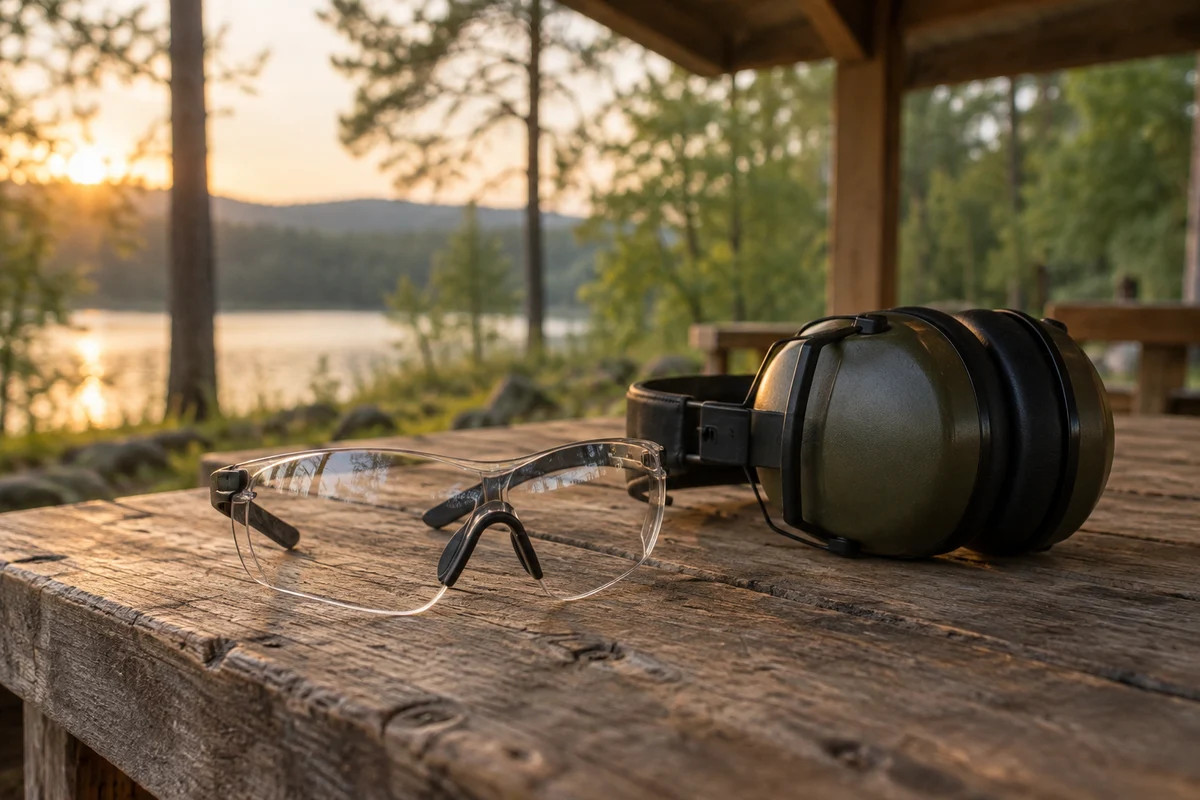
Wear suitable eye and hearing protection. Keep ammunition secured and separate from firearms during transport and storage, consistent with local law and manufacturer guidance. When not in use, store firearms securely, inaccessible to children and unauthorized people. A certified instructor can help you establish safe habits and identify errors that are difficult to diagnose from written advice.
If a firearm behaves unexpectedly, a shot sounds or feels abnormal, or you cannot confidently determine its condition, stop. Keep it pointed in a safe direction and seek help from qualified range staff or a gunsmith as appropriate. Do not improvise a repair or continue firing to “see what happens.”
Make consistency your first measure
A useful practice session is controlled and uneventful. Select a target and distance appropriate to your experience, the rifle, the range, and the activity. Read the manual and follow range rules; do not assume that a technique or setup appropriate for one rifle applies to another. Start slowly, with a qualified instructor if you are new or returning after a long break.
The goal is to repeat the same safe sequence, observe what happened, and make one modest adjustment at a time under proper supervision. A single group, especially a small one, does not establish skill. Results can vary with ammunition, rifle condition, sights or optic, environmental conditions, and the shooter’s experience. Do not use another person’s grouping as a direct comparison unless the conditions are genuinely comparable.
A simple log makes practice more informative without turning it into a competition. Record the date, range conditions, rifle and sighting setup, target distance, the drills authorized by the range or instructor, and any observation. Avoid drawing strong conclusions from a session where conditions changed or safety and concentration were compromised.
Fundamentals to discuss with an instructor
Several broad concepts are commonly addressed in basic marksmanship instruction. Their application depends on the rifle, the shooter, and the lawful activity, so use them as topics for coaching rather than as a substitute for hands-on instruction.
A stable, repeatable position
A position should support the rifle consistently and allow you to remain balanced and comfortable. Tension, awkward reach, or a position that changes from one attempt to the next can make results inconsistent. Ask an instructor to check whether your position is appropriate for the rifle and the range exercise. Do not force a posture that causes pain or makes it harder to maintain safe control.
A clear, consistent sight picture
Use the sighting system as its manufacturer and your instructor direct. A consistent view through the sights or optic helps you distinguish a genuine change in performance from a change in how you aligned the rifle. Confirm that the equipment is properly maintained and suited to the activity; if you suspect a fault, pause and ask qualified staff rather than attempting an adjustment you do not understand.
Calm attention and follow-through
Rushing makes it harder to notice what you did. Give yourself time to settle, maintain attention on the intended target, and follow the instructor’s sequence. After each attempt, remain in control of the rifle and follow the range’s commands before changing position or approaching the target. A coach can help separate a repeatable habit from a one-off result.
A practical practice framework
Use this framework to plan a session with a qualified instructor or under the rules of a reputable range. It is deliberately focused on process, not on firing volume or performance claims.
| Stage | What to do | What to note |
|---|---|---|
| Before practice | Review the manual, range rules, and the day’s lawful purpose; check that required safety equipment is available. | Any questions to resolve before handling or firing. |
| Set up | Use an appropriate target, distance, and supervised exercise. Keep the firearm pointed safely and follow all commands. | Conditions and equipment relevant to interpreting results. |
| Practice | Work at a pace that lets you maintain safe control and follow the instructor’s sequence. Pause when focus or comfort slips. | Whether the process felt repeatable; do not chase a particular outcome. |
| Review | Discuss observations with the instructor and change only one suitable factor at a time. | A small, specific goal for the next session. |
| Finish | Follow range procedures for ending practice, handling, transport, and secure storage. | Any maintenance question to take to the manual or a qualified professional. |
This framework is not a prescribed drill. A range may restrict activities, and an instructor may recommend a different progression. If you feel fatigued, distracted, or uncertain, stopping is a sound decision—not a failure.
Diagnose the process before changing equipment
When results are inconsistent, resist the urge to buy accessories or make several changes at once. First consider whether the practice conditions were stable, whether you followed the same safe process, and whether a qualified instructor observed the session. A change in target distance, lighting, position, or equipment can make comparisons misleading.
If equipment questions remain, consult the rifle and sight manufacturers’ documentation and a qualified professional. Public product descriptions do not establish that an accessory is appropriate for a particular person or use. Our AR-15 accessories overview is informational context, not a recommendation to modify a firearm. Likewise, the Bergara chassis rifle overview discusses a product category; it is not a substitute for instruction or an endorsement.
Keep the distinction between a mechanical issue and a technique question clear. A rifle that appears damaged or is not functioning as described in its manual should be taken out of use and assessed by a qualified gunsmith or the manufacturer. Do not disassemble or alter it based on online advice.
Hunting adds ethical and legal responsibilities
Range practice does not by itself establish readiness for hunting. Hunting involves changing conditions, wildlife identification, local seasons and regulations, and the responsibility to take only lawful, ethical opportunities. Learn the rules from the relevant wildlife agency and seek instruction appropriate to the species and region. Never take a shot unless you can identify the target and what lies beyond it, and are certain the action is lawful and safe.
A responsible hunter also considers whether conditions allow a humane, well-controlled opportunity. If they do not, pass. Practice should support judgment and safe handling, not create pressure to shoot. Firearm and ammunition rules differ by jurisdiction and can change, so verify current requirements with the appropriate agency before a trip.
Track progress without overclaiming
A helpful record emphasizes repeatability and safety: attendance, conditions, instructor feedback, and whether you followed the planned process. Look for patterns across multiple sessions rather than treating one good or poor result as a verdict. If progress stalls, return to a qualified instructor and ask for one observable point to work on. Avoid copying a technique from a video without confirming that it fits your rifle, experience, and local range rules.
There is no universal measure of “better.” A recreational range visitor, a new hunter, and a competitive participant have different goals and constraints. The most valuable improvement is often greater consistency in safe decisions: knowing when to proceed, when to pause, and when to seek help.
Frequently asked questions
What is the safest way to improve as a new rifle shooter?
Take an introductory lesson with a qualified instructor at a reputable range. Follow the firearm manual and range commands, use required eye and hearing protection, and practice only in a lawful, controlled setting.
Should I change equipment if my results are inconsistent?
Not as a first response. Ask an instructor to observe your process and check whether conditions were comparable. If you suspect a mechanical or sighting issue, stop and consult the manufacturer or a qualified gunsmith.
How often should I practice?
There is no universal schedule. Choose a pace that supports safe, attentive practice and fits your lawful purpose, budget, and access to instruction. Stop when fatigue or distraction affects safe control.
Does range practice mean I am ready to hunt?
No. Hunting also requires current knowledge of local regulations, wildlife identification, ethical judgment, and an appropriate opportunity. Consult your state or provincial wildlife agency and seek relevant instruction.
Where can I check firearm laws and safe-storage requirements?
Check current guidance from the relevant federal, state, provincial, or local authorities, as well as the firearm manufacturer’s manual. Requirements vary by location and may change.
Sources & further information
Consult these primary sources for current regulations, technical information and local guidance.